First Time in Edinburgh: Essential Guide for New Visitors (2026)

Your first time in Edinburgh can go one of two ways. You can spend three days shuffling between the Castle and the tartan shops at the top of the Royal Mile, or you can discover that the city is several different places wrapped around an extinct volcano: a medieval Old Town strung along a ridge, a Georgian New Town laid out from 1767, a port at Leith that the tram now reaches in about 15 minutes, and a 251-metre hill you can climb before breakfast. This guide is built to get you the second trip.
A lot has moved since most guides were written. Edinburgh Castle now costs £23.50 online. St Giles’ Cathedral started charging £12 on 5 October 2026. The Stone of Destiny left the Castle for Perth in 2024. Most visitors from the US, Canada, Australia and the EU need a £20 UK ETA before they fly, and since 24 July 2026 the city has added a 5% visitor levy to accommodation bills.
First Time in Edinburgh at a Glance
- Book Edinburgh Castle online, and early. It costs £23.50 online against £26 at the gate, and once a day has sold out online the castle sells no tickets at all.
- Give it three full days. One for the Old Town, one for the New Town and Arthur’s Seat, one for Stockbridge, Dean Village and Leith.
- St Giles’ Cathedral is no longer free. Since 5 October 2026 adults pay £12; under-16s, and residents of Scotland with a Resident Pass, get in free.
- The Palace of Holyroodhouse is usually closed on Tuesdays and Wednesdays. Save the bottom of the Royal Mile for another day.
- The big museums are free. The National Museum of Scotland, the National Galleries, the Museum of Edinburgh and the Scottish Parliament charge nothing to get in.
- Tap a contactless card on buses and trams. A single is £2.40, and a day of city travel caps itself at £5.70 — though that daily cap does not cover the airport tram or the Airlink bus.
- From the airport, the tram costs £7.90 and takes about 35 minutes to St Andrew Square; the Airlink 100 bus costs £6 and runs 24 hours a day.
- Sort your paperwork. Visitors from visa-free countries, including the US, Canada, Australia and the EU, need a £20 UK ETA, applied for on GOV.UK or the official app — never through a lookalike site.
- Expect the levy. Hotels, hostels and holiday lets add a 5% visitor levy to the room price for the first five nights.
- Pack a waterproof jacket, not an umbrella. Even July only averages a high of about 19°C, and the wind wrecks umbrellas in every season.
What Has Changed — and What Older Guides Still Get Wrong
Edinburgh travel advice ages quickly, and some of the most repeated tips for a first visit are now simply wrong. These are the corrections that matter most:
| What you may have read | The position in October 2026 |
|---|---|
| St Giles’ Cathedral is free to visit | £12 for adults since 5 October 2026. Free for under-16s and for residents of Scotland with a Resident Pass; services remain open to all. |
| See the Stone of Destiny at the Castle | It moved to Perth Museum in March 2024. The Honours of Scotland — crown, sceptre and sword of state — are still at the Castle. |
| Castle tickets cost about £19.50 | £23.50 online or £26 at the gate for an adult in 2026. |
| Walk the Radical Road below Salisbury Crags | Only partly open. The southern stretch, from the Hawse to the South Quarry, has reopened; the northern section beneath the Crags has been shut since a 50-tonne rockfall in 2018, with no reopening date. |
| Take the bus to Leith | Trams have run down Leith Walk to The Shore, Ocean Terminal and Newhaven since June 2023. |
| Victoria Street inspired Diagon Alley | J.K. Rowling said in 2022 that no real street inspired Diagon Alley. Victoria Street is still worth the walk. |
| Scotland has no tourist tax | Edinburgh’s 5% visitor levy applies to accommodation for stays from 24 July 2026. |
| A passport is all you need | Visitors from visa-free countries such as the US, Canada, Australia and the EU now need a £20 UK Electronic Travel Authorisation (ETA) before they travel. |
The Absolute Must-See Attractions for First-Time Visitors
If your first time in Edinburgh runs to seven sights, make it these. Each shows a different side of the city, and four of them cost nothing.
Edinburgh Castle
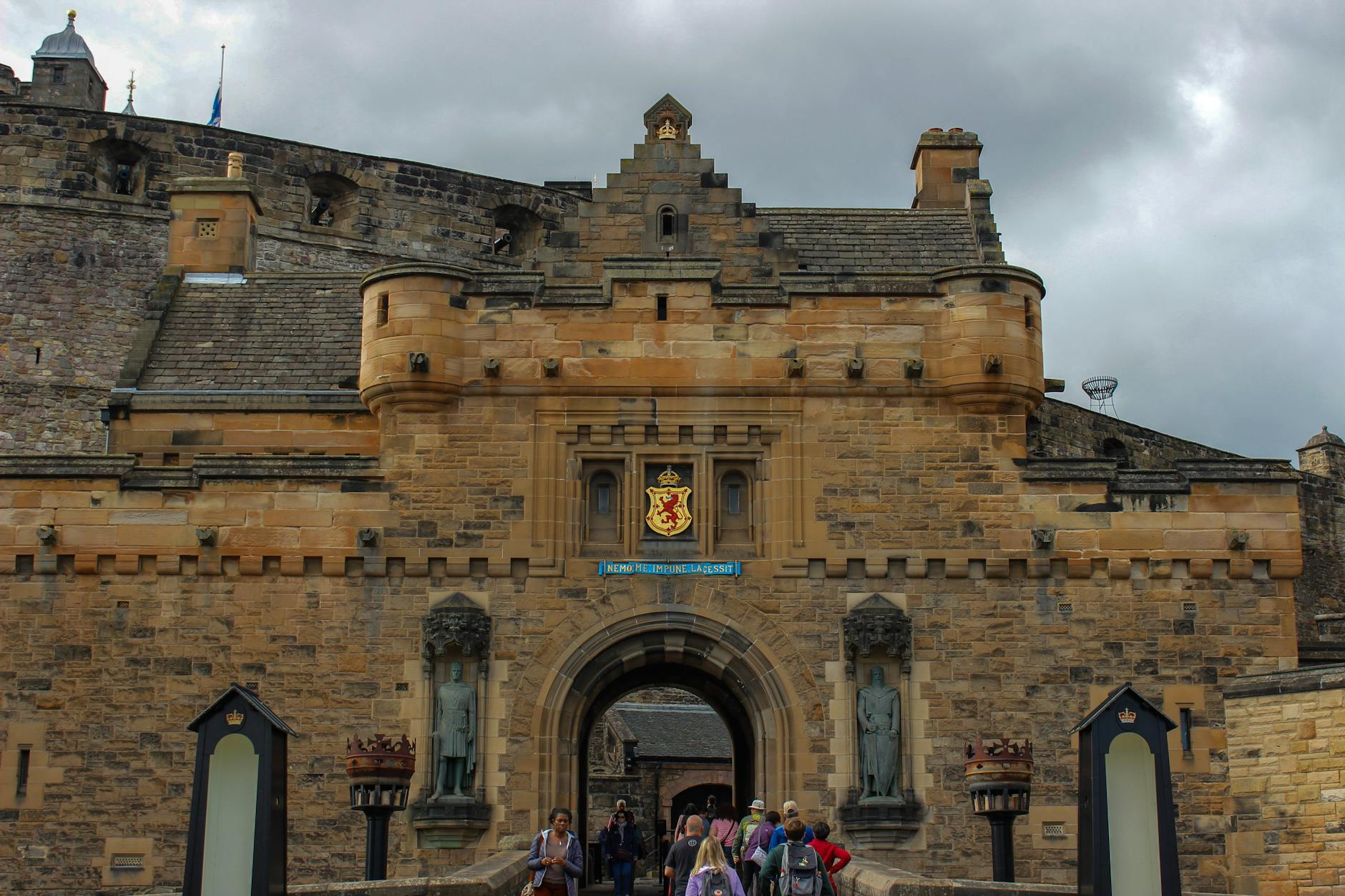
Edinburgh Castle sits on the plug of an extinct volcano at the top of the Royal Mile and has been a royal fortress since at least the 12th century. Inside are the Honours of Scotland — the crown, sceptre and sword of state, the oldest crown jewels in the British Isles — along with St Margaret’s Chapel, built around 1130 and the oldest building in the city, James IV’s Great Hall with its hammerbeam roof, the Scottish National War Memorial and Mons Meg, a 15th-century siege gun. The One O’Clock Gun fires from Mills Mount Battery at 1pm every day except Sundays, Good Friday and Christmas Day.
One thing it no longer has is the Stone of Destiny, which older guides still list as a highlight. The stone left the Castle in March 2024 and is now the centrepiece of Perth Museum.
Adult tickets are £23.50 online or £26 at the gate; over-65s pay £19 online and children aged 7–15 pay £11.50. Students pay the adult price. The castle opens at 09:30. Last entry is 17:00 from April to September and 16:00 from October to March, and it is closed on 25 and 26 December. If you cannot commit to a time slot, a Flexi ticket (£38) lets you walk in on any one day within a seven-day window. The audio guide costs £4 and plays on your own phone, so bring headphones. Allow at least two hours, and buy only from the official Edinburgh Castle website — Historic Environment Scotland warns about lookalike sites selling fake tickets.
The honest verdict: it is not cheap, and it is still the one ticket to buy if you buy only one. Summer slots sell out far in advance, so book the moment your dates are fixed. Our Edinburgh Castle tickets and opening hours guide covers every ticket type, and what to see inside Edinburgh Castle helps you plan your route.
The Royal Mile
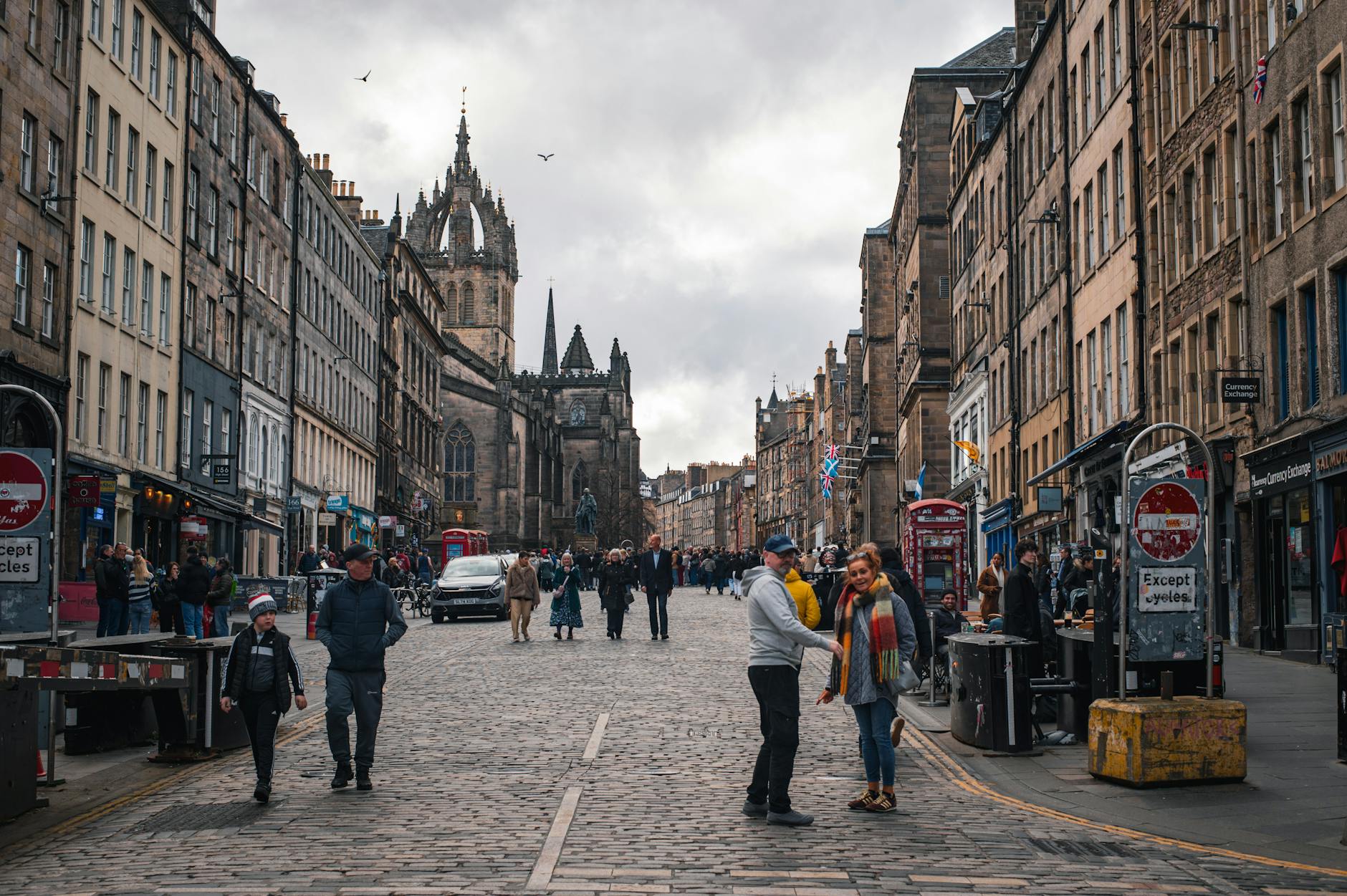
Running downhill from the Castle to the Palace of Holyroodhouse, the Royal Mile is really five streets end to end: Castlehill, Lawnmarket, High Street, Canongate and Abbey Strand. It is about 1.8 km long — an old Scots mile — and takes around half an hour to walk without stopping. The narrow closes off either side are where the Old Town hides its courtyards, pubs and views; our guide to Edinburgh’s closes and wynds picks out the best.
The stops worth your time: The Real Mary King’s Close, a guided hour in the 17th-century streets buried beneath the City Chambers (from £25, and it often sells out); the Museum of Edinburgh in Huntly House on the Canongate, which is free and open daily from 10:00 to 17:00; and the Scottish Parliament at the foot of the street, which is free to enter and runs free guided tours but is closed on Sundays.
The honest verdict: the stretch between the Castle and St Giles’ is the busiest, most souvenir-heavy few hundred metres in Edinburgh. Walk it, enjoy the buskers, then spend your money somewhere else. Below the site of the old Netherbow gate, where the High Street becomes the Canongate, the crowds thin out and the street gets more interesting.
St Giles’ Cathedral
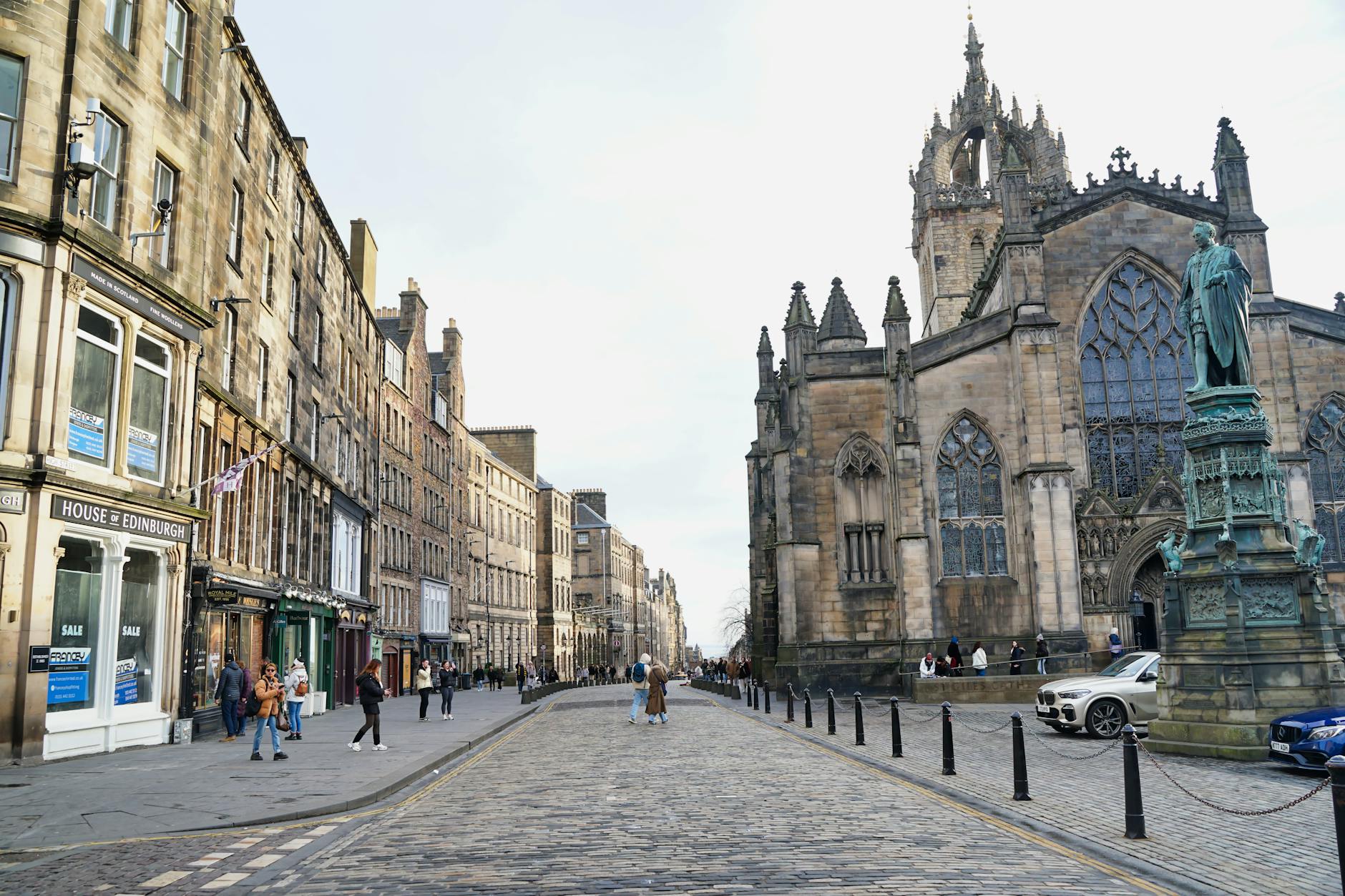
Founded in 1124, St Giles’ was John Knox’s parish church during the Reformation and is still the Old Town’s great medieval landmark, its open crown spire visible from much of the city centre. The thing to see inside is the Thistle Chapel, Robert Lorimer’s chapel for the Order of the Thistle, finished in 1911: carved canopies over the knights’ stalls and, if you look up, angels playing bagpipes.
The news for 2026 is that it is no longer free. From Monday 5 October 2026, general admission is £12 for adults. Under-16s go free, residents of Scotland can apply for a free Resident Pass, and an Access Ticket costs £10 with a free companion pass. The cathedral is open Monday to Friday 10:00–18:00, Saturday 09:00–17:00 and Sunday 13:00–17:00. Sunday services at 09:30 and 11:00, and a 15-minute prayer service at noon on weekdays, remain open to everyone. Tickets are sold on the cathedral’s own website.
The honest verdict: £12 is a lot for a visit that takes most people under an hour, and plenty of guides still describe St Giles’ as free. Pay it if you care about craftsmanship, because the Thistle Chapel is exceptional. On a tight budget, admire the spire from Parliament Square and put the money towards the Castle.
Arthur’s Seat & Holyrood Park
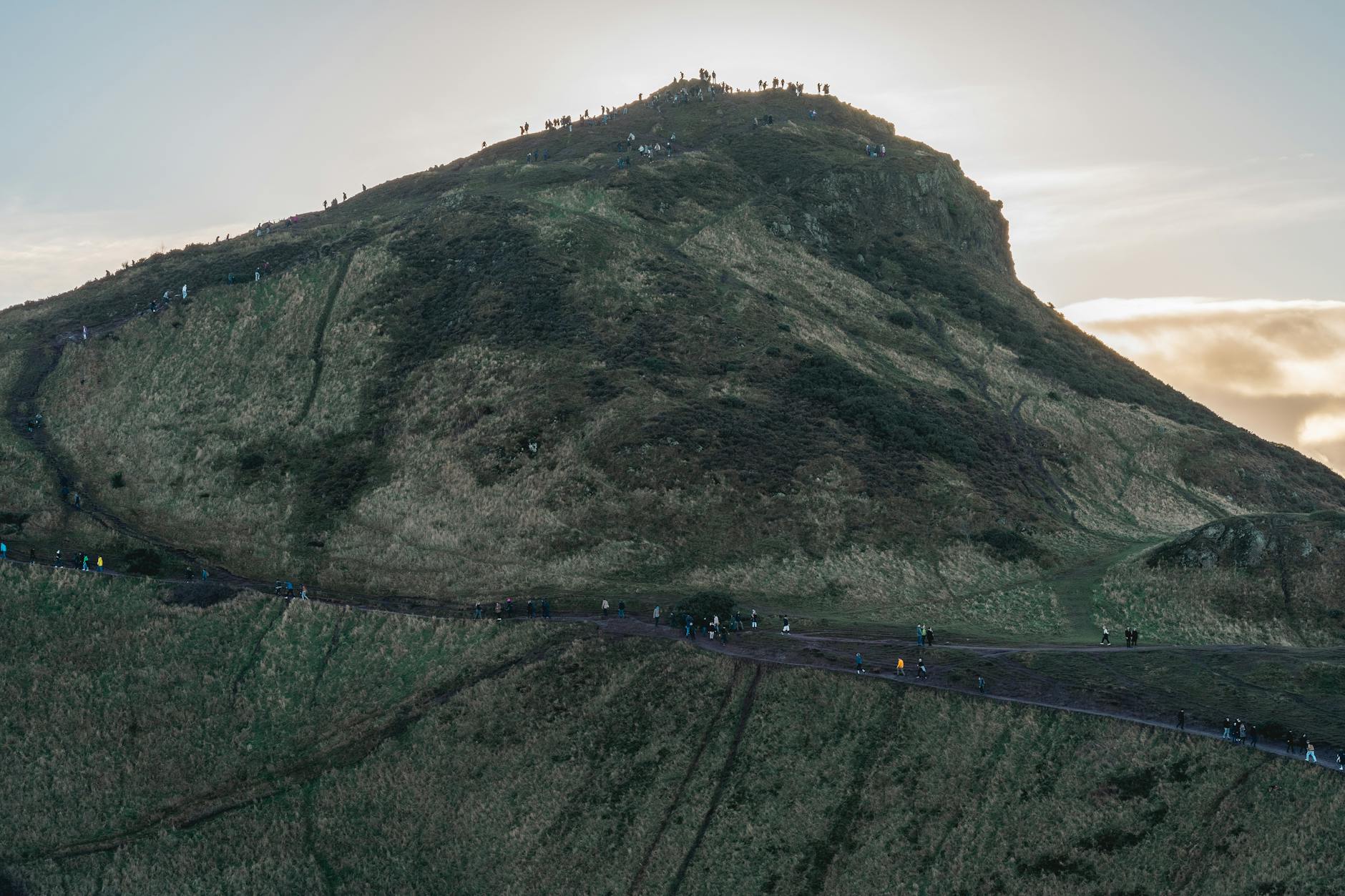
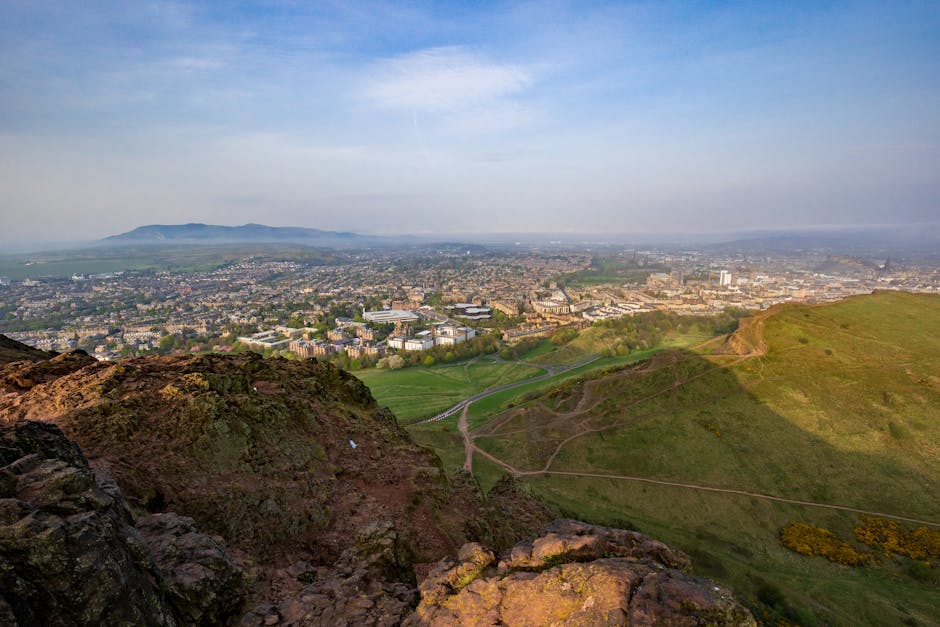
Arthur’s Seat is the remains of an ancient volcano, rising to 251 metres in the middle of Holyrood Park — free, always open, and reached from the foot of the Royal Mile. The main route is roughly 2.5 miles and two hours there and back. It starts from the Broad Pavement near Holyroodhouse, passes the roofless ruin of St Anthony’s Chapel and finishes on rock near the top, where chain railings help. For the easy version, start at Dunsapie Loch on the east side of the park, where most of the climb is already done. On a clear day you can see across the Firth of Forth to Fife and out to the Bass Rock.
Ignore any guide that sends you along the whole Radical Road, the path at the foot of Salisbury Crags. It closed after a 50-tonne rockfall in 2018. Historic Environment Scotland has since reopened the southern stretch, from the Hawse to the South Quarry, which leads to the geological landmark of Hutton’s Section, but the northern section beneath the Crags is still fenced off with no reopening date. The path along the top of the Crags is open — a shorter, easier walk than the summit, with a view over the whole Old Town.
Wear shoes with grip, because the grass is slippery after rain, and bring a windproof layer, because the summit is exposed in any weather. Our Arthur’s Seat hike guide covers every route up.
Calton Hill
For a big view with very little effort, Calton Hill at the east end of Princes Street is a ten-minute climb. The National Monument — Edinburgh’s unfinished “Parthenon” — and the Nelson Monument stand on top, and the panorama takes in the Castle, the Old Town, Arthur’s Seat and the Firth of Forth. It is the classic sunset spot, but check the time before you plan around it: the sun sets after 22:00 in late June and before 16:00 in December.
Palace of Holyroodhouse
At the foot of the Royal Mile, the Palace of Holyroodhouse is the King’s official residence in Scotland. Its most famous rooms belonged to Mary, Queen of Scots — her secretary David Rizzio was murdered in her apartments in 1566 — and the ticket also covers the State Apartments, the Throne Room, the palace garden and the ruins of Holyrood Abbey. A multimedia guide is included.
2026 prices are £22 in advance or £26 on the day for adults, £14 or £17 for 18–24s and £11 or £13 for children aged 5–17; under-5s go free, and you can convert your ticket into a 1-Year Pass. From April to October the palace opens 09:30–18:00 (last admission 16:30); from November to March, 09:30–16:30 (last admission 15:15). Check the Royal Collection Trust’s palace page before you go.
The catch most first-timers miss: the palace is usually closed on Tuesdays and Wednesdays, and as a working royal residence it can close at short notice — it is shut from 24 to 26 December 2026, for example. It is not covered by the Historic Scotland Explorer Pass. The palace itself says the admission centre is busiest in the morning and suggests booking ahead and arriving after 11:00.
The honest verdict: essential if Mary, Queen of Scots is part of why you came, and an easy pairing with the free Scottish Parliament across the road. On a two-day trip with no particular interest in royalty, it is the big-ticket sight to drop.
National Museum of Scotland
The National Museum of Scotland on Chambers Street is free, open daily from 10:00 to 17:00, and big enough to fill a rainy afternoon: Scotland’s story from its geology to the present day, plus natural history, world cultures and science — Dolly the Sheep is here. Allow two to three hours, and if the rooftop terrace is open, finish there for a view of the Castle.
Common First-Timer Mistakes to Avoid
Each of these costs first-time visitors money, time or a missed sight. Our first-time Edinburgh tips go through the full list; these are the ones that matter most.
Not Booking Edinburgh Castle Tickets in Advance
This is still the number-one mistake. Summer days sell out well ahead, there are no tickets at the gate once a day has sold out online, and walk-up tickets cost more anyway. In August, book the castle before anything else. And check the palace’s days before you build a plan around it: Holyroodhouse is usually closed on Tuesdays and Wednesdays.
Underestimating Edinburgh’s Hills and Cobblestones
The Old Town is built along a ridge, with steep closes and stairs dropping away on both sides, and the Royal Mile alone falls about 60 metres from the Castle to Holyrood. The cobbles — properly called setts — are slippery when wet. Wheeled suitcases are miserable on them and heels are worse. Bring comfortable shoes with real grip; your feet will thank you by the end of day one.
Only Staying on the Royal Mile
The Royal Mile is magnificent, but it is also the most touristy strip in the city. Stay within it and you miss the Georgian New Town, the village feel of Stockbridge, the waterfront restaurants of Leith and most of Edinburgh’s hidden gems. The real Edinburgh is in the neighbourhoods.
Visiting in August Without Booking Ahead
August is festival month: the Edinburgh Festival Fringe, the Edinburgh International Festival and the Royal Edinburgh Military Tattoo all run at once, and room prices climb to match. In 2027 the Fringe — its 80th edition — runs from 6 to 30 August, and the Tattoo from 6 to 28 August. If you are coming then, book accommodation, Castle tickets and Tattoo seats months ahead. For a calmer first visit, May, June and September are better bets; our best time to visit Edinburgh guide goes month by month.
Packing for Warm Weather Only
Edinburgh’s warmest month, July, averages a high of about 19°C, and rain falls on around 11 days of it, according to the Met Office’s long-term averages. The wind matters more than the thermometer: it makes a mild day feel cold and turns umbrellas inside out, which is why locals rarely carry one. Pack layers and a hooded waterproof jacket whatever the forecast says. Our Edinburgh packing guide has the full list.
Trying to Hail an Uber
Only black cabs can be hailed in the street or picked up from a rank. Uber and Bolt operate in Edinburgh as private hire and must be booked through the app. A black cab from the airport to the centre costs roughly £25–£40; our Edinburgh taxi guide compares the options.
Suggested First-Visit Itinerary: 1 to 3 Days
How you spend your first time in Edinburgh depends on how long you have. The plan below fills three full days. With less time, our one-day itinerary and weekend itinerary compress it, and the full Edinburgh itinerary guide runs to a week.
Day 1: The Old Town
Morning: Edinburgh Castle on a pre-booked morning slot; allow two to three hours. If you would rather get your bearings first, join a tip-based walking tour on the Royal Mile and book the castle for the afternoon, keeping an eye on last entry (17:00 from April to September, 16:00 from October to March).
Afternoon: Walk down the Royal Mile, ducking into the closes. Stop at St Giles’ if the £12 appeals, and book ahead for The Real Mary King’s Close if you want it. Continue down the Canongate to the Scottish Parliament (free) and the Palace of Holyroodhouse — unless it is a Tuesday or Wednesday.
Evening: Climb Calton Hill for the view, then eat in the Grassmarket or elsewhere in the Old Town. Try haggis — vegetarian versions are everywhere — and finish with one of Edinburgh’s ghost tours, several of which go down into the underground vaults.
Day 2: The New Town and Arthur’s Seat
Morning: Cross into the New Town. Start at the Scottish National Gallery on the Mound — free, open 10:00–17:00 and now signposted simply as “National” — then walk through Princes Street Gardens, along George Street and into the independent shops of Thistle Street.
Afternoon: Choose between the National Museum of Scotland (free, two to three hours) and the climb up Arthur’s Seat (two hours there and back). If the weather turns, our indoor activities guide has rainy-day alternatives.
Evening: Drinks around the Grassmarket and Victoria Street, or a folk session at Sandy Bell’s on Forrest Road, where musicians play from 21:00 every night. Our guide to Edinburgh’s best pubs goes neighbourhood by neighbourhood.
Day 3: Stockbridge, Dean Village and Leith
Morning: Walk down to Stockbridge — about 20 minutes from Princes Street — for its cafés and charity shops; on a Sunday, the market on Saunders Street runs from 10:00 to 16:00. Then follow the Water of Leith walkway upstream to Dean Village, 15–20 minutes away. It is a residential street, and the people who live there have asked visitors not to photograph through their windows.
Afternoon: Take the tram to Leith. Get off at The Shore for the old harbour, or at Ocean Terminal for the Royal Yacht Britannia, where the operator suggests allowing two hours (adults £23 online from April to October, £22 from November to March). Alternatively, stay west for the National Galleries’ Modern One and Modern Two on Belford Road, a short walk from Dean Village.
Evening: Dinner on The Shore, where Leith’s restaurant scene is at its strongest, or back to the Old Town for a last pint in a historic pub.
Top Attractions Comparison: Time, Cost & Booking
Use this quick-reference table to plan your first time in Edinburgh. Prices are for one adult in 2026, taken from each operator’s own website.
| Attraction | Time needed | Adult price | Booking and tips |
|---|---|---|---|
| Edinburgh Castle | 2–3 hours | £23.50 online, £26 at the gate | Book ahead: no tickets at the gate once sold out online |
| St Giles’ Cathedral | 30–60 minutes | £12 (under-16s free) | New charge from 5 October 2026 |
| Palace of Holyroodhouse | 1.5–2 hours | £22 in advance, £26 on the day | Usually closed on Tuesdays and Wednesdays |
| The Real Mary King’s Close | 1 hour | From £25 | Book ahead: it often sells out |
| Royal Yacht Britannia | About 2 hours | £23 online (Apr–Oct), £22 (Nov–Mar) | Cheaper online; enter through Ocean Terminal, Leith |
| Scotch Whisky Experience | 50 minutes (Silver tour) | £25 | The Gold tour is £39.75 and 75 minutes |
| National Museum of Scotland | 2–3 hours | Free | Open daily 10:00–17:00 |
| Scottish National Gallery | 1–2 hours | Free | Signposted as “National” |
| Scottish Parliament | 45 minutes–2 hours | Free | Book guided tours ahead; closed on Sundays |
| Arthur’s Seat | About 2 hours | Free | The Radical Road’s northern section is still closed |
| Calton Hill | 30–60 minutes | Free | A ten-minute climb from Princes Street |
Food & Drink Essentials for First-Time Visitors
Scottish food has come a long way, and your first time in Edinburgh is the moment to try the classics. Our Edinburgh food guide covers where to eat them.
Haggis, Neeps & Tatties
Scotland’s national dish tastes far better than it sounds: sheep’s heart, liver and lungs minced with oatmeal, onion and spices, served with mashed swede (neeps — Scots call it turnip) and potatoes (tatties). Most menus offer it as a starter or in a modern form, and vegetarian haggis is widely available and genuinely good. Try it before you judge it.
Full Scottish Breakfast
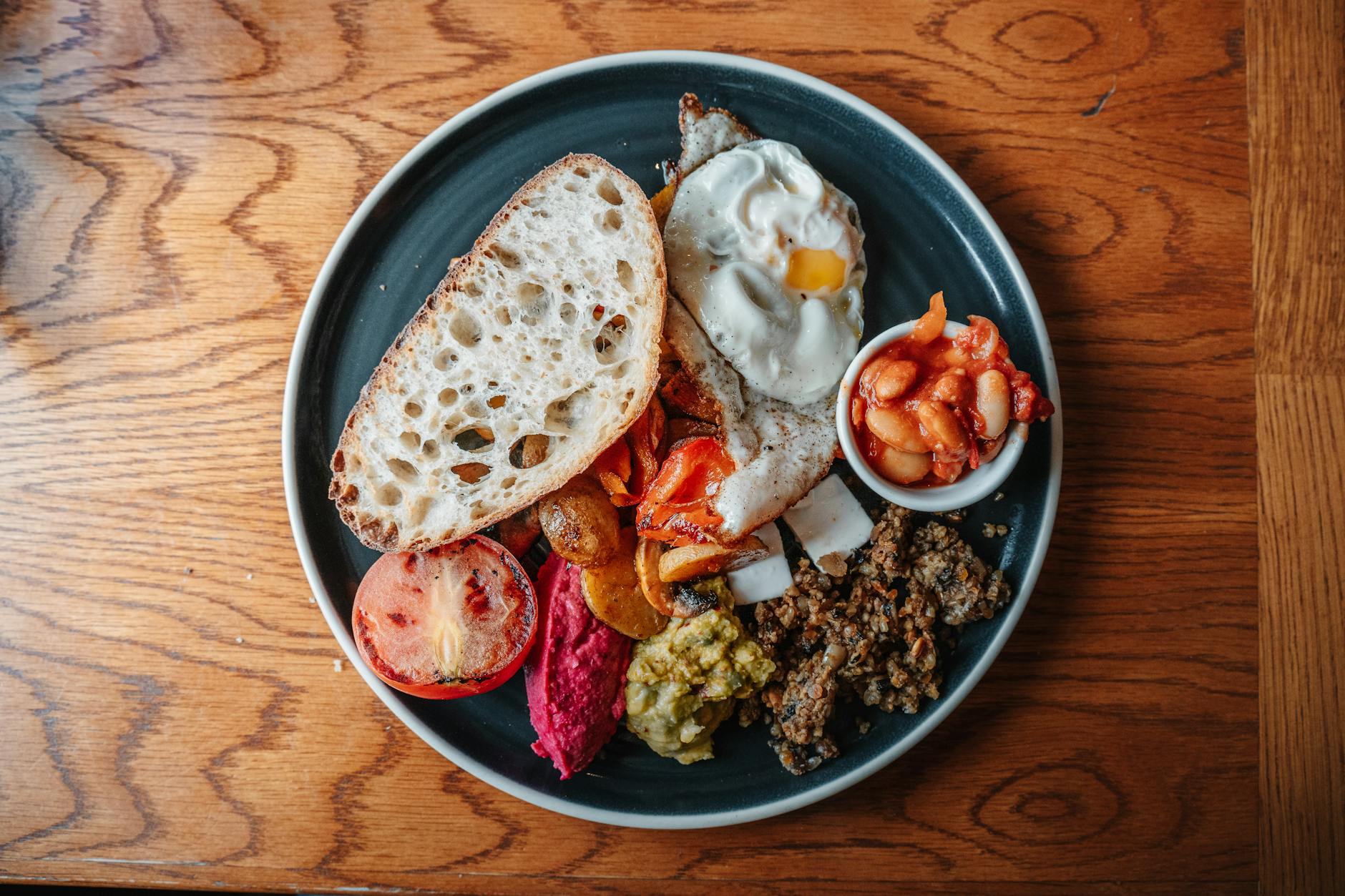
A full Scottish breakfast adds local touches to the usual eggs, bacon and beans: square Lorne sausage, tattie scones (potato scones), black pudding and often a slice of haggis. It is the right fuel for a day on Edinburgh’s hills. Many hotels include it, and cafés across the city serve it all morning.
Fish & Chips
A Scottish chippy fries haddock rather than cod, and in Edinburgh you will be asked whether you want “salt and sauce” — a thin brown sauce cut with vinegar that you rarely meet outside the Edinburgh area. Say yes at least once, and eat it from the paper after a long day of walking. Our best fish and chips in Edinburgh guide ranks the chippies.
Cullen Skink & Other Soups
Cullen skink — a thick, creamy soup of smoked haddock, potato and onion — is one of Scotland’s great comfort foods and exactly what you want on one of Edinburgh’s inevitable wet days. Scotch broth, made with barley, root vegetables and lamb, is the other warming classic on menus across the city.
Scotch Whisky
You can’t visit Edinburgh without tasting Scotch. The Scotch Whisky Experience at the top of the Royal Mile is the gentle introduction (the Silver tour is £25 and lasts 50 minutes). Specialist bars teach you more for less: the Bow Bar on the West Bow, at the foot of Victoria Street, keeps more than 300 whiskies. Tell the bartender what you usually drink and let them choose. Our guide to whisky tasting in Edinburgh compares the experiences on value.
Edinburgh’s Pubs
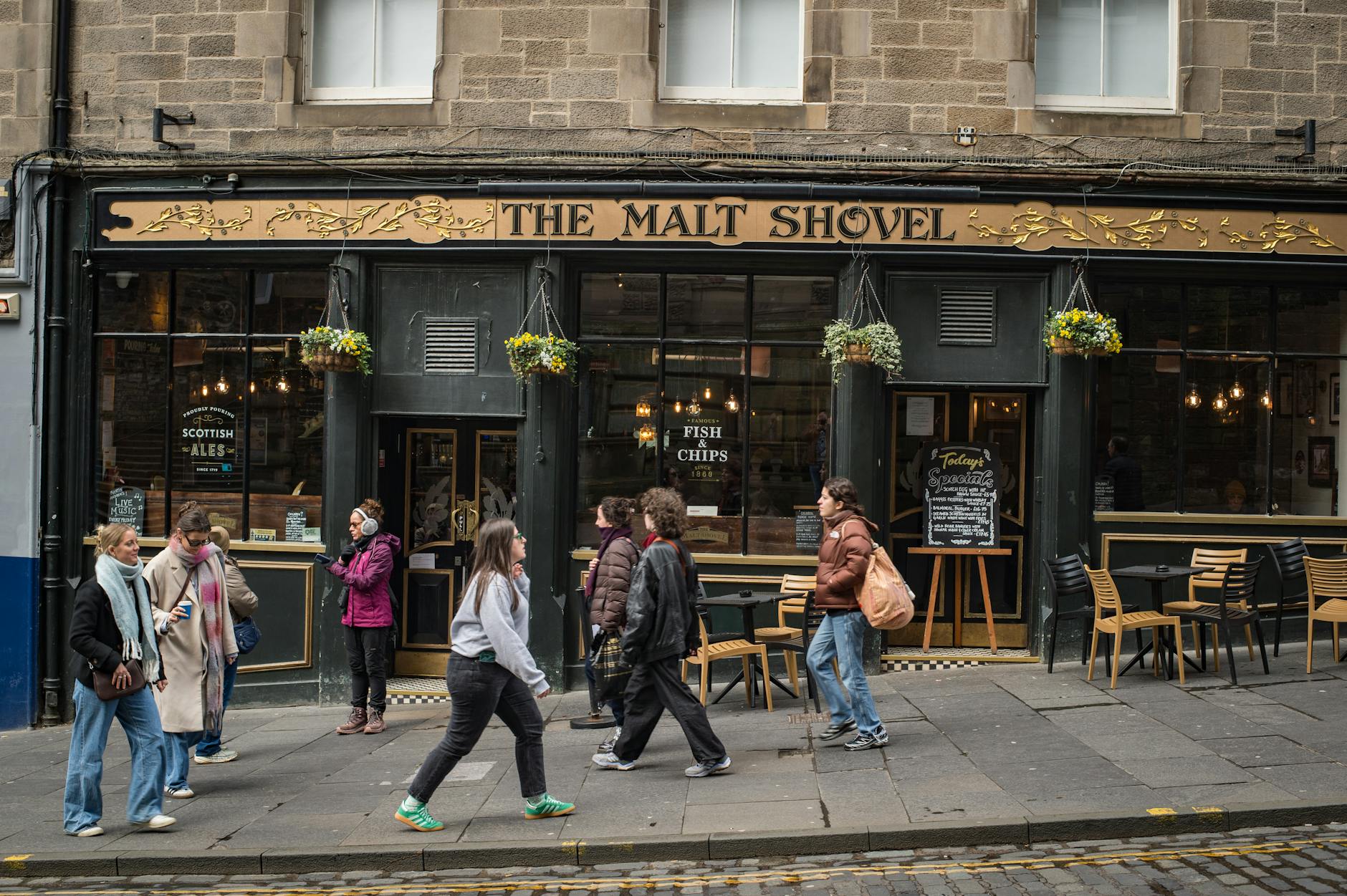
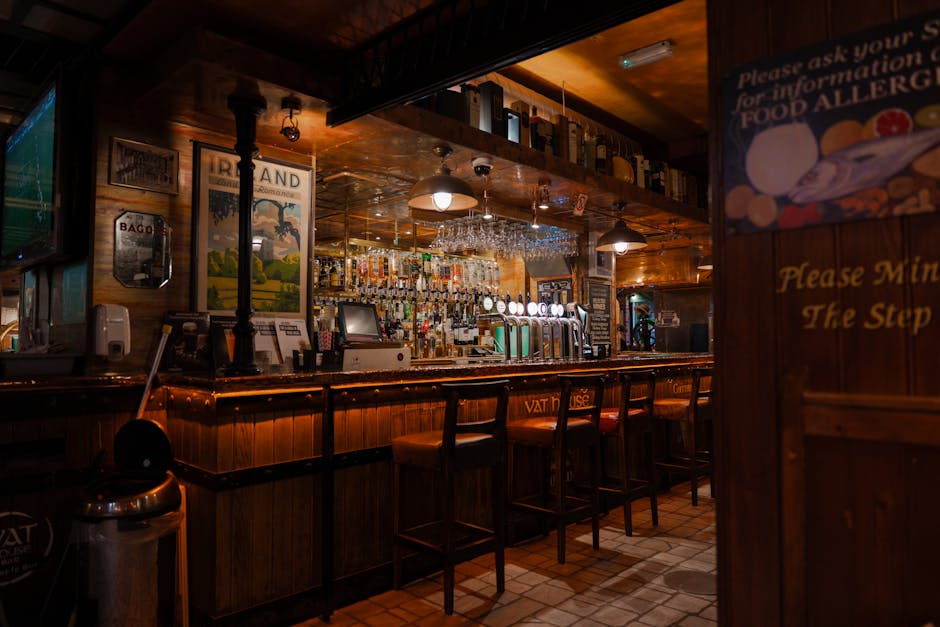
Edinburgh holds roughly a quarter of the 34 Scottish pubs that the Campaign for Real Ale lists as having interiors of outstanding national importance, among them the Café Royal (opened 1863), Bennets Bar in Tollcross and the island-bar Abbotsford on Rose Street (1902). The Oxford Bar in the New Town is Inspector Rebus’s local, and Sandy Bell’s has folk sessions every night. Our guide to Edinburgh’s oldest pubs separates the real history from the marketing.
The honest verdict on eating out: restaurants on the upper Royal Mile charge for the location. Walk five minutes into the Southside, Stockbridge or Leith and the same money usually buys a better meal.
Neighbourhood Guide for First-Time Visitors
Edinburgh’s neighbourhoods each have their own personality, and exploring beyond the Old Town is what turns a first time in Edinburgh from a standard tourist trip into a real discovery. Here is where to focus; our Edinburgh neighbourhoods guide covers the rest.
Old Town
The medieval heart of Edinburgh is vertical, crowded and dramatic. The Royal Mile is its spine. The Grassmarket below the Castle rock, once the city’s market and its place of public execution, is now lined with pubs. The Cowgate, running beneath the bridges, is where the late-night clubs are. Victoria Street, the curving, colourful street that climbs out of the Grassmarket, is sold on every tour as the model for Diagon Alley; J.K. Rowling has said no real street inspired it, but it is still one of the most photogenic streets in Scotland.
New Town
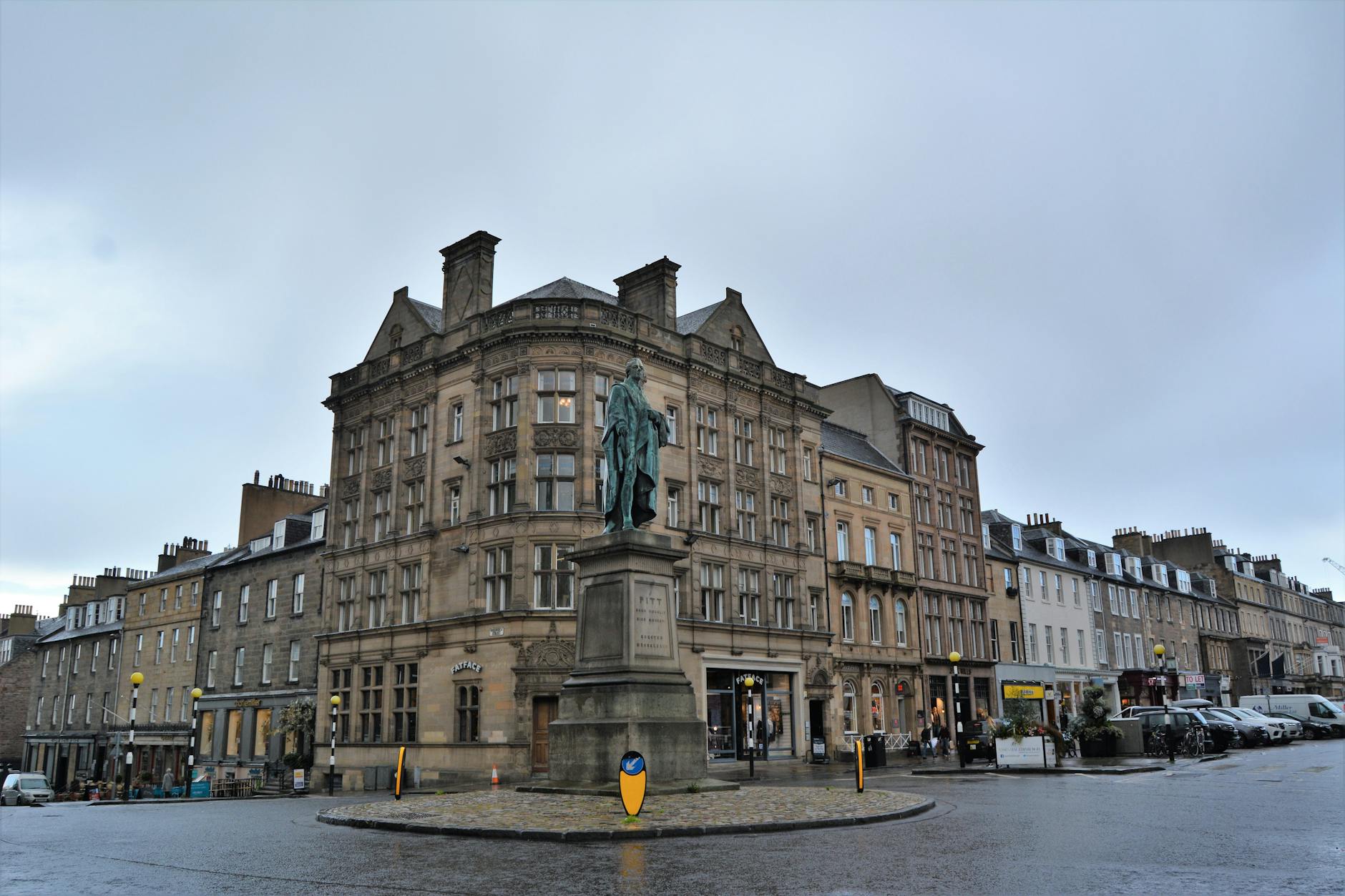
Built from 1767 as a planned escape from the crowded Old Town, the New Town is the other half of Edinburgh’s UNESCO World Heritage Site and a textbook of Georgian architecture. Princes Street has the shops and the Castle views, George Street has the bars and restaurants, and the narrow lanes between them — Rose Street and Thistle Street — hide independent boutiques and small pubs. The Scottish National Gallery sits on the Mound, where the Old Town meets the New, and the Scottish National Portrait Gallery on Queen Street is free too.
Stockbridge
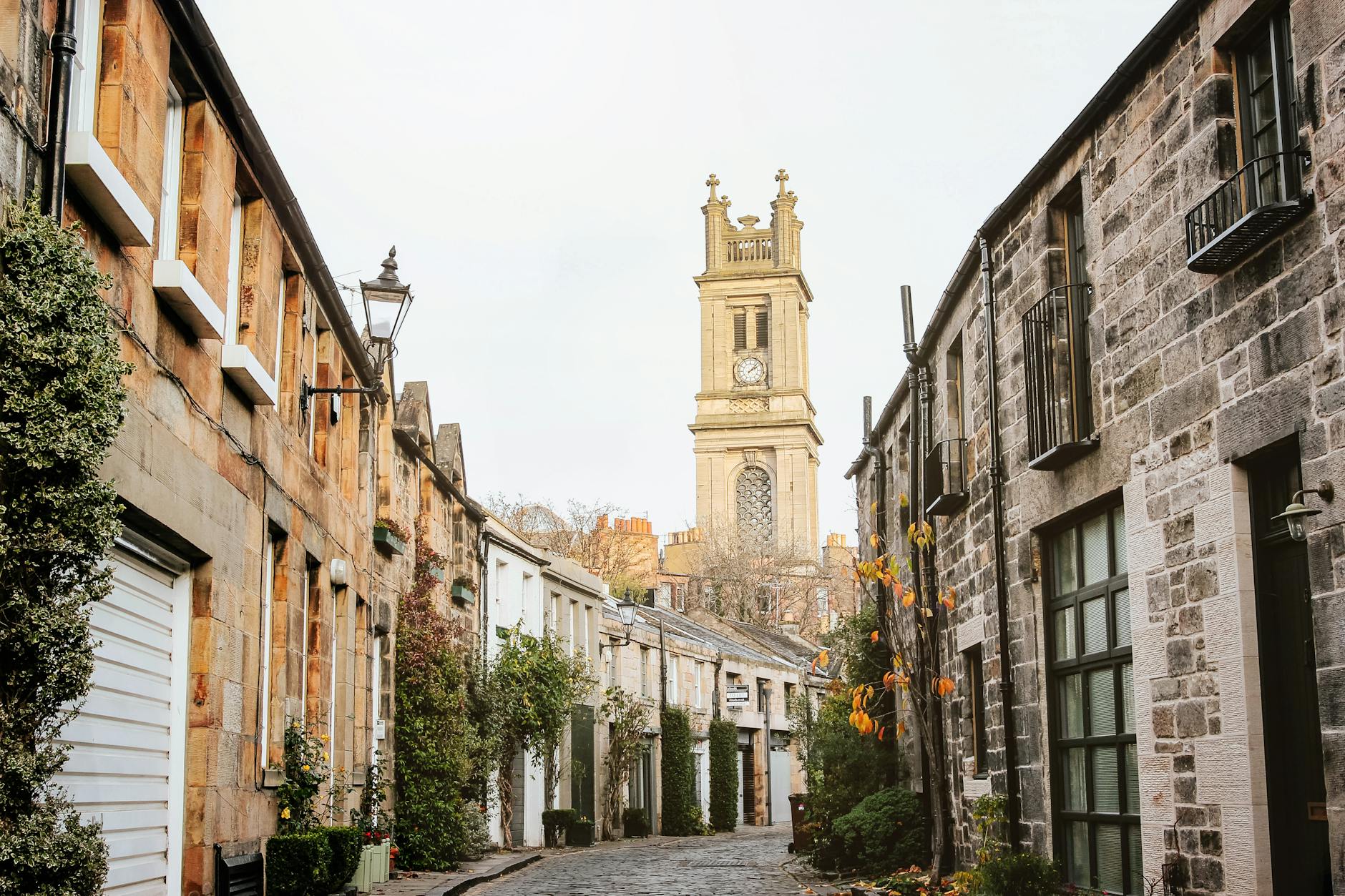
About 20 minutes’ walk from Princes Street, Stockbridge feels like a village inside the city: independent shops, good cafés and the Water of Leith running through the middle. Its Sunday market on Saunders Street (10:00–16:00, all year) is one of the best in Edinburgh. Stockbridge is also the way in to the Royal Botanic Garden, which is free and opens at 10:00 every day except Christmas Day and New Year’s Day. Its Victorian Palm Houses reopened in October 2025 and need booking in advance; the other glasshouses are still closed for restoration.
Leith
An independent burgh until 1920, Edinburgh’s port is now its best neighbourhood for food. The Shore, the old harbour frontage, is lined with restaurants and pubs, and the Royal Yacht Britannia is moored at Ocean Terminal. Since the tram extension opened in June 2023, Leith is about 15 minutes from the centre down Leith Walk, against a 44-minute walk.
The honest verdict: The Shore is a pleasure; Ocean Terminal is not. The shopping centre you walk through to reach Britannia is being partly demolished and redeveloped around it, so go for the yacht, then head back to the waterfront.
Getting Around Edinburgh: Transport Tips for First-Timers
One of Edinburgh’s great advantages is that you can walk most of it, but knowing your options makes everything easier. For the complete breakdown, see our Edinburgh transport guide.
Walking
Walking is the best way to experience Edinburgh for the first time. The Old Town, the New Town and most of the major sights are within 20 minutes of each other on foot, and you notice far more — closes, courtyards, street musicians, sudden views — than you ever will from a bus window. Just be ready for hills and stairs.
Lothian Buses
Edinburgh’s bus network is excellent and covers the whole city. A single is £2.40 (£1.20 for children aged 5–15). Tap the same contactless card or phone on every journey and the TapTapCap system stops charging at £5.70 a day or £26.50 a week, which is cheaper than buying the £6.00 City DAY ticket. The daily cap does not cover the Airlink 100 or the airport tram; the weekly cap does. Cash is accepted only as the exact fare, because drivers give no change, and a NightBus single costs £3.50. Our guide to Edinburgh’s buses and trams covers routes and passes.
Edinburgh Tram
A single tram line runs from Edinburgh Airport through Haymarket, Princes Street and St Andrew Square, then down Leith Walk to The Shore, Ocean Terminal and Newhaven. Within the city zone it costs the same as the bus, £2.40. Trams run about every 7 minutes at peak times and every 10 minutes off-peak, but not all night: the first tram leaves the airport at 06:30 and the last at 22:52.
Getting from the Airport
| Option | Adult fare | Journey and frequency | Best for |
|---|---|---|---|
| Tram | £7.90 single, £9.50 open return | About 35 minutes to St Andrew Square; every 7–10 minutes for most of the day, from 06:30 to 22:52 | Hotels along the tram line, from Haymarket and the West End to Princes Street and Leith |
| Airlink 100 bus | £6.00 single, £8.50 return | To Waverley Bridge; up to every 10 minutes, every 20 minutes overnight, 24 hours a day | Old Town and Waverley hotels, and anyone landing late at night |
| Black cab | Roughly £25–£40 | 20–30 minutes | Groups, heavy luggage and doorstep drop-offs |
Bus and tram fares checked October 2026 against Lothian Buses and Edinburgh Trams; the current fare table took effect on 22 February 2026.
Before You Travel: the ETA, the Visitor Levy and Money
The UK Electronic Travel Authorisation (ETA)
Scotland follows UK entry rules. Most visitors who do not need a visa — including citizens of the US, Canada, Australia and the EU — now need an ETA before they travel. It costs £20, it is not a visa, and it is linked to your passport. It allows multiple visits of up to six months each for two years, or until the passport expires if that comes sooner. British and Irish citizens, and anyone who already has UK immigration status, do not need one. Apply on GOV.UK or through the official UK ETA app, never through a lookalike site — those charge £60–£90 for the same form. A decision usually takes up to three working days, and every traveller needs their own, children included. Our guide to the 2026 entry rules and the visitor levy has the detail.
The Edinburgh Visitor Levy
Since 24 July 2026, Edinburgh has charged a 5% visitor levy on paid overnight accommodation: hotels, B&Bs, hostels, holiday lets, campsites and the rest. It applies only to the first five nights of a stay and is not charged on extras such as meals or parking. Because it is worked out on the room price before VAT, a hotel room at £180 a night including VAT attracts about £7.50 a night — £22.50 over three nights. Your accommodation collects it, and the City of Edinburgh Council explains the scheme and its few exemptions.
Currency & Payments
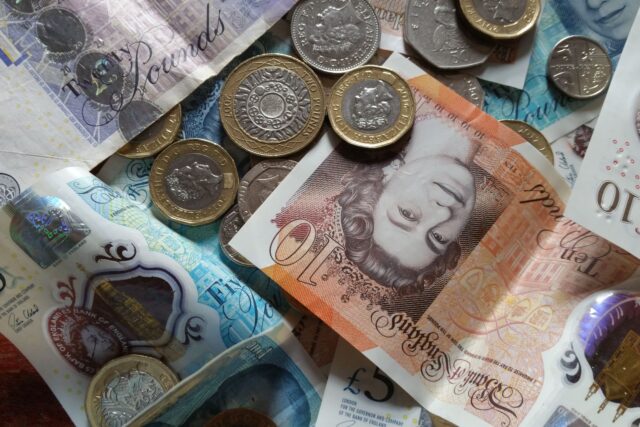
Scotland uses the pound sterling. Contactless cards and phones are accepted almost everywhere, including on buses and trams, and some small venues are card-only. Scottish banknotes, issued by the Bank of Scotland, the Royal Bank of Scotland and Clydesdale, are accepted throughout Scotland; shops in England may take them but do not have to. There are no VAT refunds for visitors, because the UK abolished its tax-free shopping scheme in 2021. Sockets are the UK’s three-pin Type G at 230V. In an emergency call 999; for urgent medical advice that is not an emergency, call NHS 24 on 111.
Best Time to Visit Edinburgh for First-Timers
When you come shapes your first time in Edinburgh more than almost anything else. Our guide to Edinburgh weather by month has the detail; here is the summary for first-time visitors.
| Season | Average daily high | Daylight | What to expect |
|---|---|---|---|
| Winter (Dec–Feb) | 7–8°C | About 7 hours in December, 10 by late February | Edinburgh’s Christmas and Hogmanay, then the quietest weeks of the year |
| Spring (Mar–May) | 10–15°C | About 11 hours in early March, 17 by late May | April is the driest month and May the sunniest |
| Summer (Jun–Aug) | 17–19°C | Up to 17½ hours in late June | Long light evenings, then festival season and the year’s highest room prices in August |
| Autumn (Sep–Nov) | 10–17°C | About 14 hours in early September, under 8 by late November | September is the sweet spot; October is the wettest month |
May–June: Arguably the best months for a first visit. The days are long — at midsummer the sun rises at about 04:30 and sets just after 22:00 — the gardens are at their best and the crowds are still manageable. May is, on average, Edinburgh’s sunniest month.
July–August: The warmest weather and the festivals. The Edinburgh Festival Fringe runs from 6 to 30 August in 2027. August is unforgettable, and also the busiest and most expensive time to come, so book everything early.
September: The underrated choice. The festival crowds have gone, the weather is often still mild and accommodation prices drop noticeably.
October–March: Colder and much darker, with under seven hours of daylight around the winter solstice, but Edinburgh has a special atmosphere in winter. Edinburgh’s Christmas runs from 14 November 2026 to 3 January 2027, with the main market in East Princes Street Gardens, and Edinburgh’s Hogmanay is one of the world’s great New Year celebrations. Most attractions stay open all year, on shorter winter hours.
Budget Tips for Your First Visit to Edinburgh
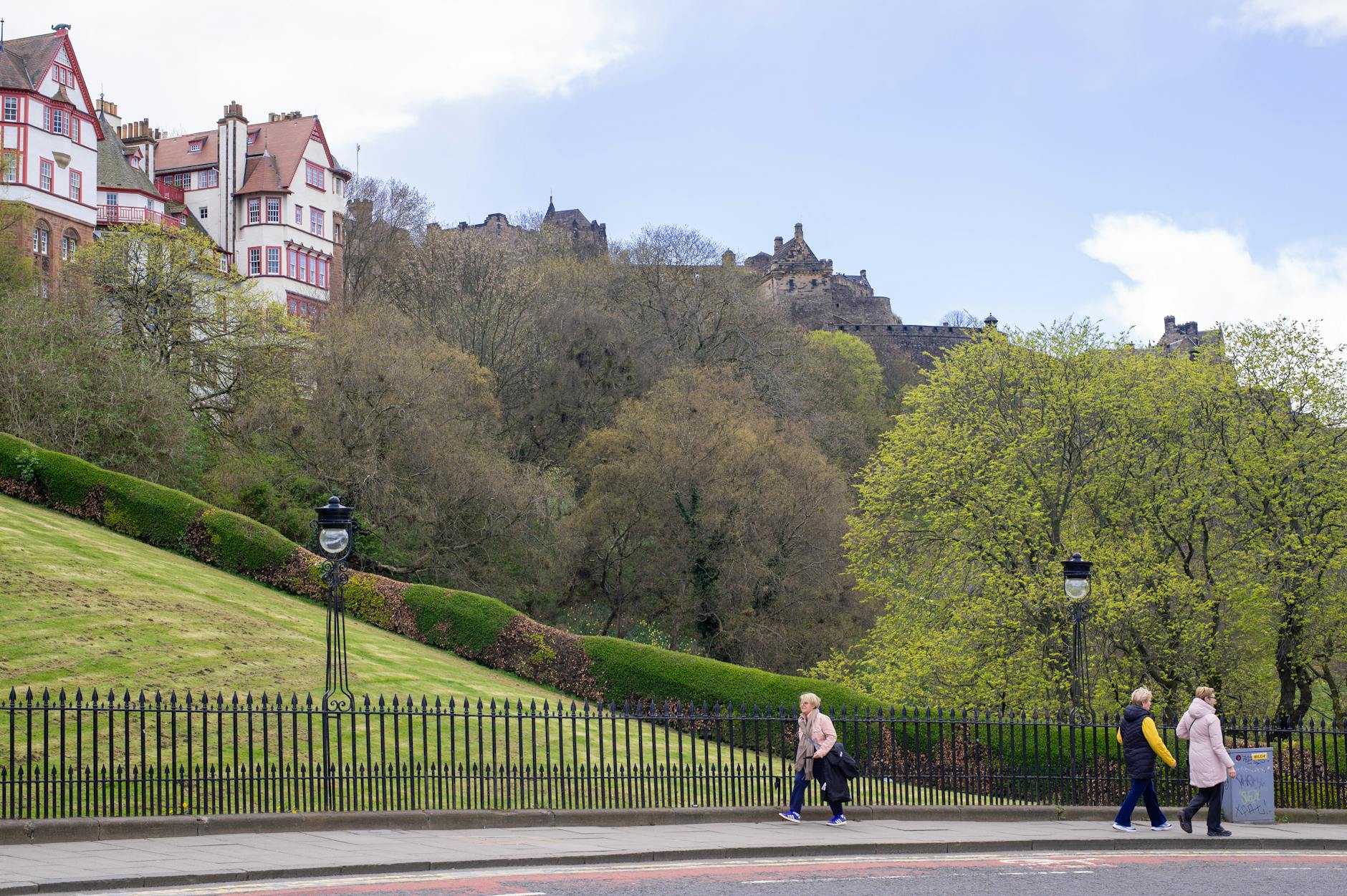
Edinburgh is not a cheap city, but many of its best experiences are free. For the deep dive, see Edinburgh on a budget and our list of free things to do in Edinburgh.
- Free museums and galleries: the National Museum of Scotland, the Scottish National Gallery, the Scottish National Portrait Gallery, Modern One and Modern Two (paid exhibitions extra), the Museum of Edinburgh and the Scottish Parliament.
- Free viewpoints: Calton Hill, Arthur’s Seat, the path along the top of Salisbury Crags and Princes Street Gardens.
- Let your card cap your fares: contactless stops charging at £5.70 a day on buses and city-zone trams, or £26.50 a week including airport journeys, so you never need to work out a pass in advance.
- Eat your main meal at lunchtime: pub and café lunches are better value than dinner menus, and our cheap food guide lists more than 25 places to eat for under £10.
- Come outside August: May, June, September and October are far cheaper for rooms than festival month, and midweek nights are usually cheaper than weekends.
- Tip-based walking tours: excellent value, but not actually free — budget £10–£15 a person for a good guide.
- Do the Explorer Pass maths: Historic Scotland’s 14-day pass costs £48 for an adult between April and October. Edinburgh Castle and Stirling Castle come to £42 online between them, so it only pays off once you add a third paid Historic Scotland site — even little Craigmillar Castle (£7.50 online) pushes the total past £48. It does not cover Holyroodhouse.
The honest verdict on daily costs: leaving accommodation aside, a comfortable day — one paid attraction, a pub lunch, a sit-down dinner, two pints and unlimited buses — comes to roughly £75–£100 a person. That is our estimate rather than an official figure, though every fixed price in it is current. Rooms are the real variable, and the same room can cost far more in August than in November. If you need to spend much less, our £50-a-day plan shows how.
Cultural Etiquette & Local Tips
A few local customs will help you feel at home on your first time in Edinburgh. Scots are famously friendly, and a little effort goes a long way.
Pronunciation Guide
It’s “ED-in-bruh” — never “ED-in-burg”. Getting this right marks you out straight away. Other words worth knowing: a “close” (rhymes with “dose”) is a narrow alley off the main street, a “wynd” is a winding lane, and “braw” means great. If someone calls you “pal” or “hen”, it’s friendly.
Tipping
Tipping in Scotland is modest, because the UK has no lower minimum wage for tipped staff. Leave about 10% for table service in a restaurant, but check the bill first, since many add a discretionary service charge of 10–12.5%. Nothing is expected at a pub bar or a counter; round up for taxis; and give a tip-based walking tour guide £10–£15 a person. By law, employers must now pass all tips and service charges on to staff in full.
Pub Hours and Buying Alcohol
Ordinary pubs close at 1am. Bars and clubs with a late or entertainment licence can stay open until 3am, and those hours do not stretch at weekends. Shops in Scotland cannot sell alcohol before 10:00 or after 22:00, so buy anything for your room before ten at night.
Start with a Walking Tour
Our top recommendation for anyone visiting Edinburgh for the first time: start with a walking tour on your first morning. A good guide will orient you to the city’s layout, tell the stories that bring the streets to life, and give you tips on where to eat, drink and explore for the rest of your trip.
Several companies run tip-based “free” tours from the Royal Mile every day, usually lasting two to two and a half hours and covering the Old Town highlights; our guide to free walking tours in Edinburgh compares them. Paid tours go deeper into ghosts, literature and the underground vaults. One worth knowing about is Invisible Cities, a social enterprise whose guides have all been affected by homelessness; its Edinburgh tours start from £17.
A walking tour does something a guidebook or app can’t: it puts you with someone who knows and loves Edinburgh and answers your questions on the spot. It is the best investment of your first few hours in the city.
Where to Stay on Your First Visit
Location matters when it’s your first time in Edinburgh. Staying centrally saves transport time and lets you see the city on foot from your doorstep. For the full neighbourhood-by-neighbourhood breakdown, see our where to stay in Edinburgh guide.
Old Town puts you in the heart of the action, steps from the Castle, the Royal Mile and the major sights. Expect atmospheric buildings, but also higher prices and more noise.
New Town offers elegant Georgian streets, excellent restaurants and easy access to both the Old Town and Princes Street. It is a great base for first-timers who want atmosphere without the tourist-strip intensity.
Stockbridge suits visitors who prefer a quieter, village-like setting within an easy walk of the centre. It is also well served by buses.
Leith often gives the best value and a more local feel, and the tram now gets you into the centre in about 15 minutes.
Wherever you book, the 5% visitor levy will be added for the first five nights. If you are renting a holiday flat, check that the listing shows a short-term let licence number: every legal short-term let in Scotland must show it in its advertising, and operating without a licence is a criminal offence.
Essential Planning Guides for a First Visit
Everything a first-time visitor tends to need next, in one place.
- Edinburgh itineraries — Day-by-day plans from one day to a full week.
- the Edinburgh trip planning checklist — What to book, when to book it, and what can wait.
- first-time Edinburgh tips — The practical advice that saves a first visit.
- Edinburgh Castle tickets and opening hours — The one attraction genuinely worth booking ahead.
- getting from Edinburgh Airport to the city centre — Tram, bus and taxi compared on cost, time and luggage.
- the best area to stay in Edinburgh — Every central neighbourhood compared before you book.
- the best time to visit Edinburgh — Weather, prices and crowds, month by month.
- Edinburgh transport passes and tickets — Whether you need a pass at all, with the break-even points.
- the 2026 entry rules: UK ETA and visitor levy — What changed for visitors this year, and what it costs.
Related Edinburgh guides: things to do in Edinburgh, Edinburgh food guide, what to pack, transport guide.
Frequently Asked Questions About Visiting Edinburgh for the First Time
What should I do first time in Edinburgh?
Start with Edinburgh Castle, booked online, then walk down the Royal Mile to the Palace of Holyroodhouse, which is usually closed on Tuesdays and Wednesdays. Climb Calton Hill or Arthur’s Seat for the views, and give a day to the New Town, Stockbridge and Leith.
How many days do you need for a first visit to Edinburgh?
Three full days is ideal for a first time in Edinburgh: one for the Old Town, one for the New Town and Arthur’s Seat, and one for Stockbridge, Dean Village and Leith. Two days covers the essentials at a brisk pace. Our guide to how many days you need in Edinburgh works through every trip length.
Is Edinburgh easy to walk around?
Yes. The main sights in the Old Town and New Town are within 15–20 minutes of each other on foot. Expect steep hills, stairs and slippery cobbles, so comfortable shoes with good grip are essential.
What is the best time to visit Edinburgh for the first time?
May, June and September offer long days, mild weather and smaller crowds than August. August brings the Edinburgh Festival Fringe (6–30 August in 2027) but also the biggest crowds and the highest room prices. Winter is colder and darker, but Edinburgh’s Christmas and Hogmanay make December special.
Do I need to book Edinburgh Castle tickets in advance?
Yes. Tickets are timed, popular days sell out, and once a day has sold out online there are no tickets at the gate. Booking online is cheaper too: £23.50 for an adult, against £26 at the gate. Buy only from the official Edinburgh Castle website.
Is St Giles’ Cathedral free to visit?
Not any more. Since 5 October 2026, general admission has cost £12 for adults. Under-16s go free, residents of Scotland can visit free with a Resident Pass, and services remain open to everyone.
Do I need an ETA to visit Edinburgh?
Most visitors who do not need a UK visa, including citizens of the US, Canada, Australia and the EU, need a UK Electronic Travel Authorisation before they travel. It costs £20 on GOV.UK or the official UK ETA app and covers multiple visits over two years. British and Irish citizens do not need one.
Is Edinburgh expensive for tourists?
It can be, especially in August. Leaving accommodation aside, budget roughly £75–£100 a person a day for a comfortable visit with one paid attraction, two meals out and unlimited buses. Free museums, free viewpoints and the £5.70 daily fare cap keep costs down, and accommodation now carries a 5% visitor levy for the first five nights.
What food should I try on my first time in Edinburgh?
Haggis, neeps and tatties (vegetarian haggis is widely available), a full Scottish breakfast, Cullen skink, fish and chips with Edinburgh’s “salt and sauce”, and a dram of Scotch whisky are the essential Edinburgh food experiences.
Final Thoughts: Making the Most of Your First Time in Edinburgh
Edinburgh rewards a little planning more than most cities. Book the Castle before anything else, check which days the palace is open, pack a waterproof, and give at least one day to the neighbourhoods beyond the Royal Mile. Do that, and your first time in Edinburgh will show you the city rather than its souvenir shops — and it is unlikely to be your last.
Prices, opening hours, fares and entry rules in this guide were checked in October 2026 against Edinburgh Castle, Historic Environment Scotland, the Royal Collection Trust, St Giles’ Cathedral, Lothian Buses, Edinburgh Trams, GOV.UK, the City of Edinburgh Council and the Met Office. Prices change at least once a year, so confirm before you book.
For more inspiration, browse our complete things to do in Edinburgh guide, the Edinburgh travel tips guide for practicalities, is Edinburgh safe? for advice on getting home at night, and Edinburgh’s hidden gems for your second visit.