Edinburgh Transport Guide: Getting Around the City (2026)
Planning a trip to Edinburgh and wondering how to get around? This comprehensive Edinburgh transport guide covers every option — from the city’s excellent bus and tram network to walking, cycling, and getting to and from the airport. Whether you’re visiting for the Edinburgh Festival, exploring the Royal Mile, or heading out on day trips to the Highlands, you’ll find practical, up-to-date information on fares, routes, and the smartest ways to navigate Scotland’s capital in 2026.
Edinburgh is a remarkably compact city. The historic Old Town and elegant New Town sit side by side in the centre, with most major attractions clustered within a one-mile radius. That makes walking the natural first choice for many visitors — but when you need to cover more ground, Edinburgh’s integrated public transport system is affordable, frequent, and easy to use. With the introduction of TapTapCap contactless fare capping, moving between buses and trams has never been simpler or cheaper.
Walking in Edinburgh
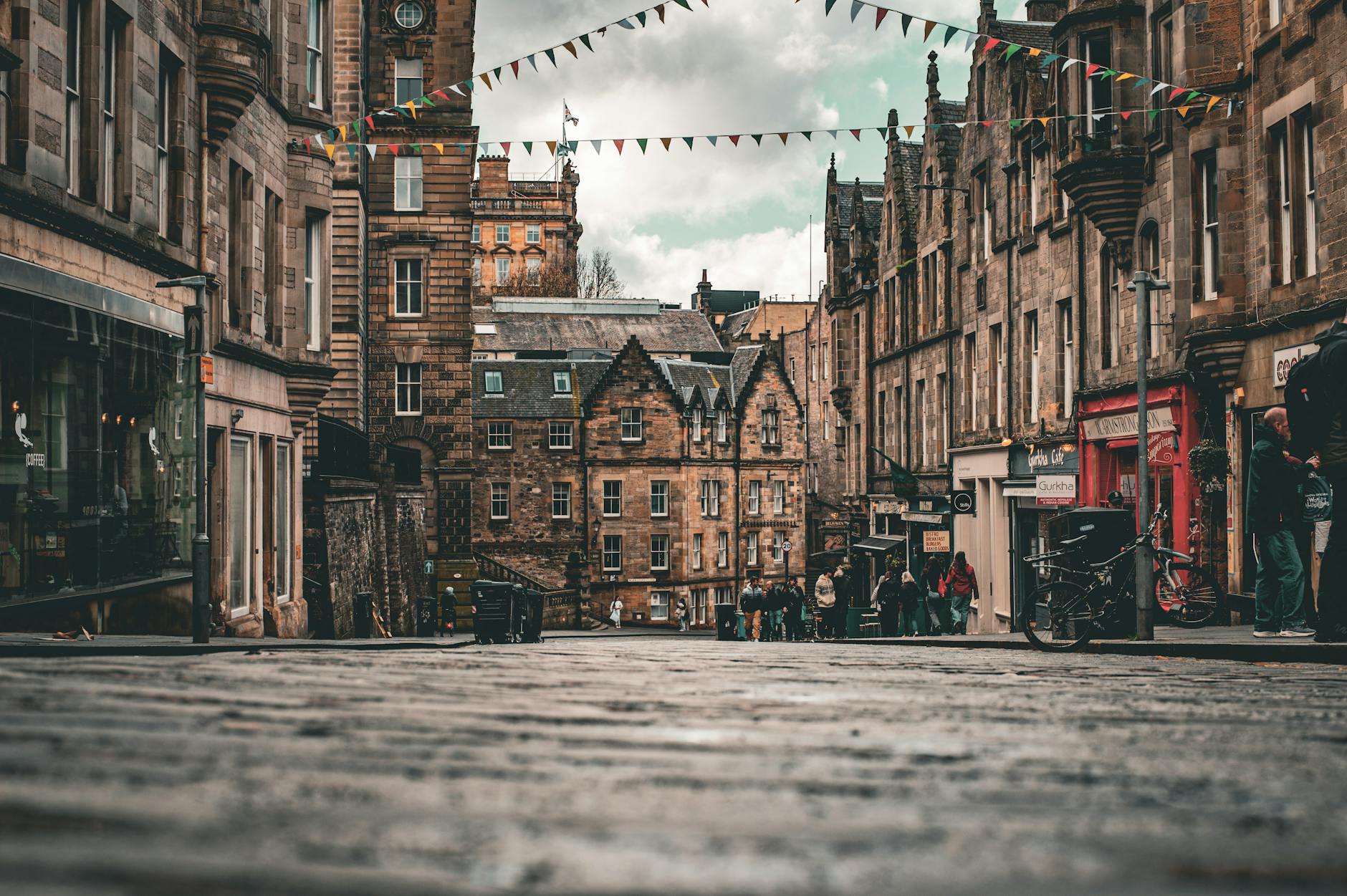
Edinburgh is consistently ranked among the most walkable cities in Europe, and for good reason. The Royal Mile — stretching from Edinburgh Castle down to the Palace of Holyroodhouse — is only a mile long, and from there you can reach Princes Street, the Scottish National Gallery, Calton Hill, and the Grassmarket in under 15 minutes on foot. Walking is by far the best way to appreciate the city’s stunning architecture, hidden closes, and dramatic skyline.
Tips for walking in Edinburgh:
- Wear comfortable shoes. Edinburgh is built across a series of volcanic hills and ridges. The Old Town in particular features steep inclines, uneven cobblestones, and narrow stone stairways called “closes.” Heels and flip-flops are a recipe for sore feet.
- Use the closes as shortcuts. The Old Town’s network of narrow passageways (closes and wynds) connects the Royal Mile to the streets below. Advocate’s Close, Warriston’s Close, and Fleshmarket Close are all atmospheric shortcuts that save time and provide fantastic photo opportunities.
- Take advantage of green corridors. The Water of Leith Walkway runs for 12.5 miles from Balerno to Leith, passing through Dean Village and Stockbridge — two of Edinburgh’s most charming neighbourhoods. It’s flat, traffic-free, and perfect for a long walk.
- Don’t underestimate distances uphill. What looks like a 10-minute walk on the map can take 20 minutes when you factor in the climb from Princes Street up to the castle esplanade. Give yourself extra time, especially if you’re heading to Arthur’s Seat (251 metres above sea level).
- Best walking routes: The Royal Mile end to end, Princes Street Gardens to Calton Hill via Waterloo Place, Stockbridge to the Royal Botanic Garden, Dean Village circuit via the Water of Leith, and the Meadows to Holyrood Park.
For a guided experience, check out our roundup of Edinburgh walking tours covering history, ghost stories, food, and street art.
Edinburgh Buses: Lothian Buses Network
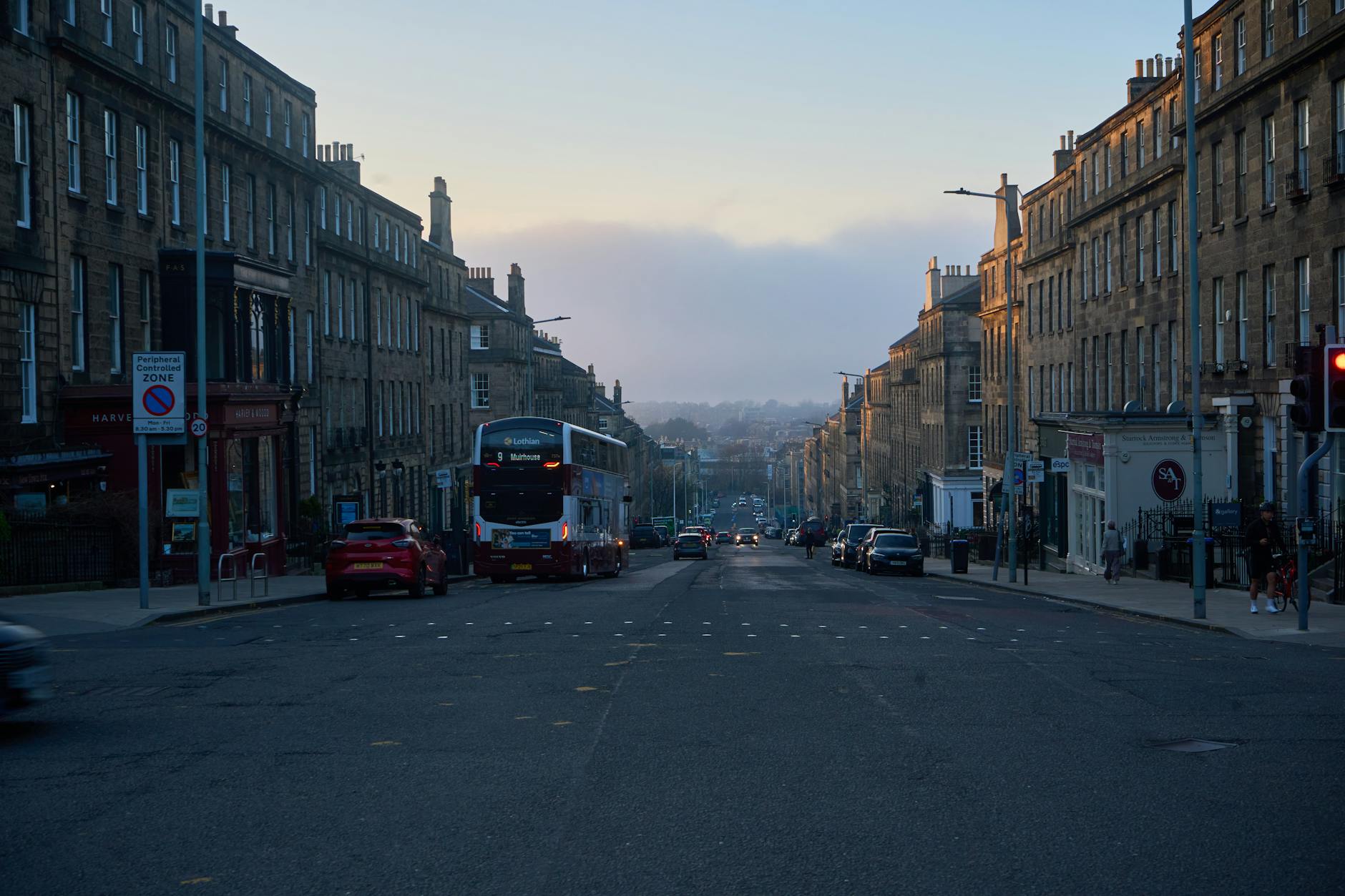
Lothian Buses is the backbone of Edinburgh’s public transport system and one of the most efficient urban bus networks in the UK. With more than 50 routes covering every corner of the city and its suburbs, buses are the go-to choice for locals and visitors alike. The distinctive burgundy-and-white buses are frequent, reliable, and run from early morning until late at night.
Key Bus Facts for Visitors
- Single fare: £2.40 adult, £1.20 child (5–15) per journey — flat fare, regardless of distance. Under-5s travel free
- Day ticket: £6.00 adult, £3.00 child, £13.00 family (2 adults + 3 children) — unlimited buses and city-zone trams for one day
- Contactless cap: £5.70 a day — tap the same card and you never need to buy the day ticket at all
- Night bus single: £3.50 (unchanged in the February 2026 revision)
- Payment: Contactless card or mobile payment only — cash is not accepted
- Frequency: Major routes run every 5–10 minutes during the day, every 15–20 minutes in the evening
- Night buses: Selected N-routes run on Friday and Saturday nights (midnight to 4:30am), serving key nightlife areas and residential neighbourhoods
- Real-time tracking: Use the Transport for Edinburgh app or check digital displays at bus stops for live arrival times
Useful routes for visitors: Route 35 connects Ocean Terminal (Royal Yacht Britannia) to the city centre. Routes 23, 27, and 45 serve Morningside and the south side. Route 44 reaches the Edinburgh Zoo. The number 42 is handy for reaching Portobello Beach from the city centre.
Pro tip: Download the Transport for Edinburgh app before you arrive. It shows real-time bus locations, lets you plan journeys, and offers mobile ticketing if you prefer to buy tickets in advance rather than tapping contactless.
Edinburgh Trams
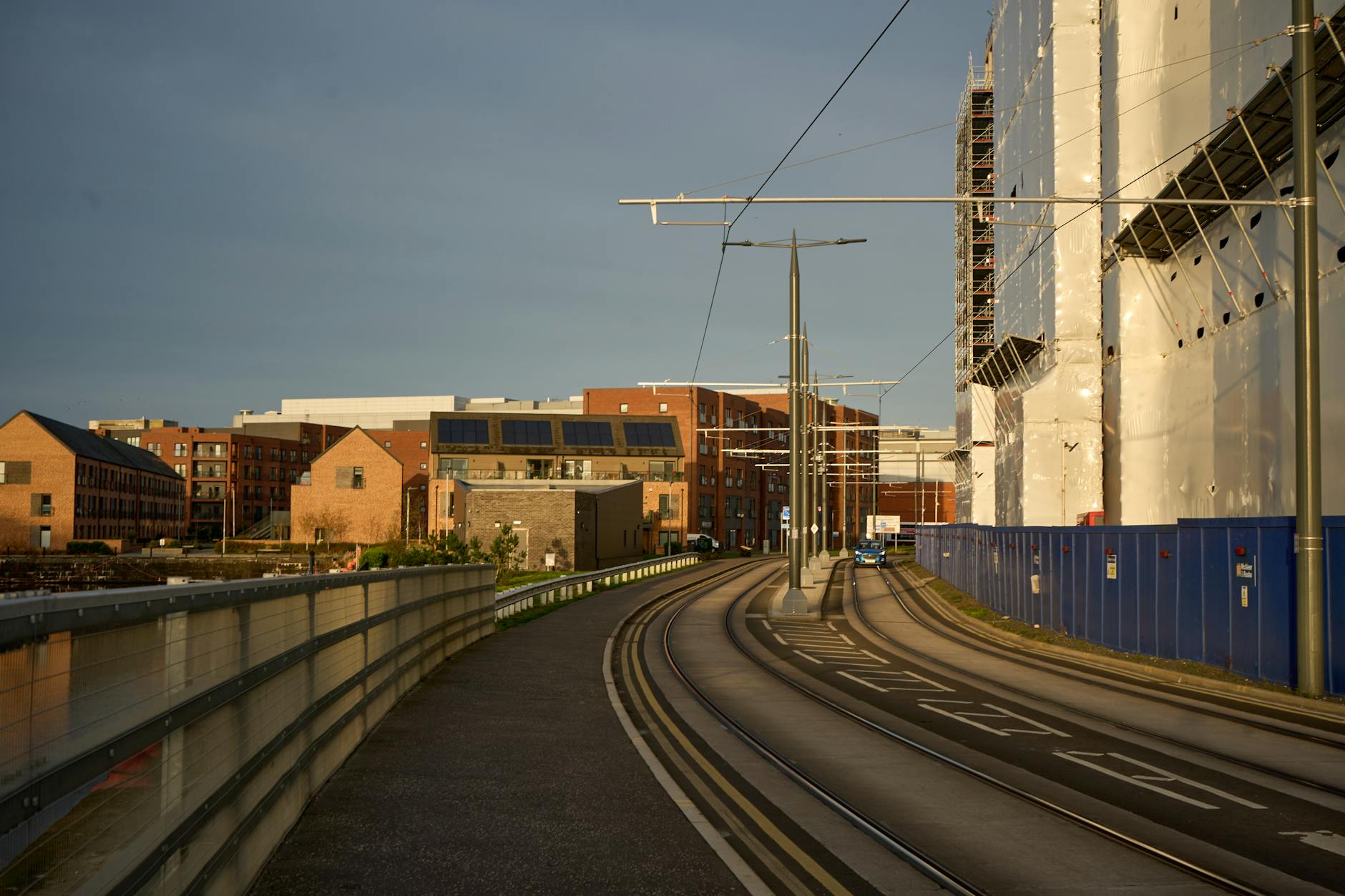
Edinburgh’s modern tram line runs from Edinburgh Airport through the west of the city to Newhaven in the north, with 15 stops along the way. Since the Newhaven extension opened, the tram has become increasingly useful for visitors, connecting the airport to key destinations including Haymarket, Princes Street (for the Old Town), St Andrew Square, and Leith.
Tram Fares and Tickets
- City zone single: £2.40 adult, £1.20 child (5–15)
- Airport zone single: £7.90 adult, £4.00 child (airport to/from any city stop)
- Airport zone open return: £9.50 adult, £5.00 child
- City zone day ticket: £6.00 adult, £3.00 child (includes unlimited buses too)
- Network day ticket (all zones, including the airport): £14.00 adult, £7.00 child
- Frequency: Every 7 minutes at peak times, every 10–12 minutes off-peak
- Operating hours: Approximately 5:30am to 11:45pm daily
Trams are spacious, modern, and fully accessible. They have dedicated luggage areas, which makes them ideal for the airport journey. The ride from the airport to Princes Street takes about 30 minutes and is one of the most stress-free ways to begin your Edinburgh visit.
Key tram stops for visitors: Edinburgh Airport (start of the line), Haymarket (connections to trains), West End – Princes Street (west end of Princes Street and Lothian Road), Princes Street (central, near Waverley Station and the Scott Monument), St Andrew Square (bus station, Harvey Nichols, east end of George Street), and Picardy Place (for Broughton, Playhouse Theatre). The line continues through Leith Walk to Ocean Terminal and Newhaven.
TapTapCap: Edinburgh’s Contactless Fare Capping

TapTapCap is Edinburgh’s integrated contactless fare-capping system, and it’s a game-changer for visitors spending several days in the city. The concept is simple: tap your contactless bank card or mobile device every time you board a bus or tram, and the system automatically caps your spending so you never pay more than the cost of a day or week ticket.
How TapTapCap Works
- Daily cap: £5.70 — once you’ve spent this amount in a day, all further bus and tram journeys are free
- Weekly cap: £26.50 — calculated on a Monday-to-Sunday basis
- Same card rule: You must use the same physical card or device for every journey. Switching between cards means the system can’t track your total spend, and you won’t benefit from capping
- Works on: All Lothian Buses and Edinburgh Trams services (does not include airport tram supplement or ScotRail trains)
Example: If you take three bus journeys in one day (3 × £2.40 = £7.20), you’ll only be charged £5.70 — less than the £6.00 paper day ticket. If you’re visiting for a full week and using public transport daily, you’ll pay no more than £26.50 for unlimited travel — that’s less than £3.80 per day.
TapTapCap makes buying day tickets unnecessary for most visitors. Simply tap and go. The system does the maths for you. This is especially valuable if you’re visiting Edinburgh on a budget.
Edinburgh Airport to City Centre: All Options Compared
Edinburgh Airport sits about 8 miles west of the city centre. There are four main ways to reach your hotel or accommodation from the terminal, each with different trade-offs in terms of cost, speed, and convenience.
1. Edinburgh Tram (Recommended)
- Cost: £7.90 adult single / £9.50 adult open return (£4.00 and £5.00 child)
- Journey time: 30 minutes to Princes Street
- Frequency: Every 7–10 minutes
- Pros: Fast, reliable, no traffic delays, luggage space, runs early morning to late night
- Cons: More expensive than the bus, tram stop is a 3-minute walk from the terminal
2. Airlink 100 Express Bus
- Cost: £6.00 adult single / £8.50 adult open return (£3.00 and £4.25 child)
- Journey time: 30–60 minutes (traffic dependent)
- Frequency: Runs 24/7 — up to every 10 minutes from 04:12 to 01:00, then every 20 minutes overnight
- Pros: Cheapest public transport option, drops off at Waverley Bridge (next to the train station), luggage racks
- Cons: Slower during rush hour, can be standing-room-only during peak times
3. Taxi or Uber
- Cost: £25–£40 depending on destination and traffic
- Journey time: 20–40 minutes
- Pros: Door-to-door service, ideal for groups or heavy luggage, available 24/7
- Cons: Most expensive option, potential surge pricing on ride apps during busy periods
4. Budget Hack: Ingliston Park & Ride
If you’re on a tight budget and travelling light, you can walk 15 minutes from the airport terminal to the Ingliston Park & Ride tram stop. From there, the tram fare into the city is just £2.40 — saving you £5.50 compared to the £7.90 airport tram fare. The walk is straightforward along a pavement beside the main road. This is ideal for solo travellers with a backpack but not practical with heavy suitcases.
Trains: Waverley and Haymarket Stations
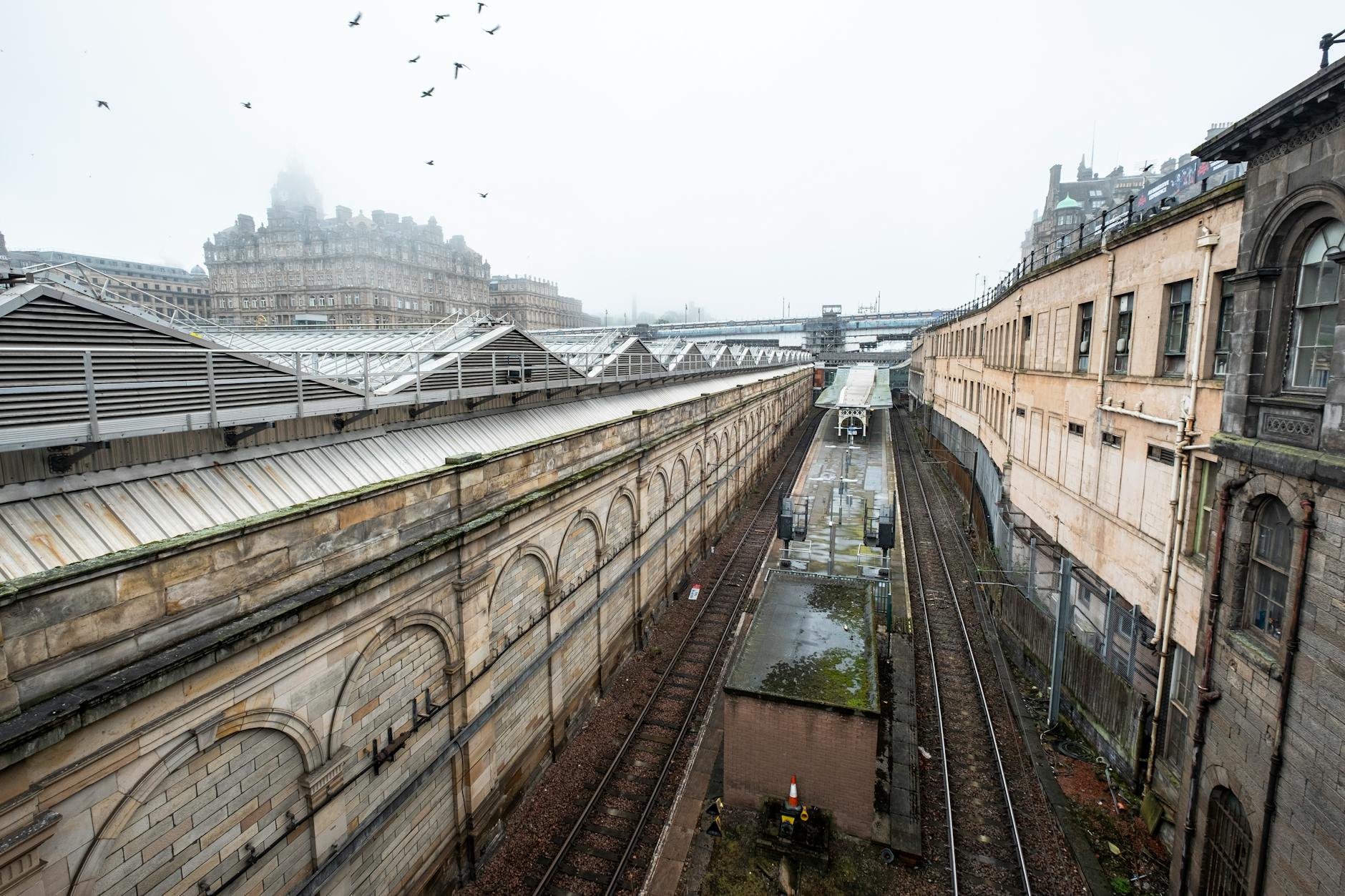
Edinburgh has two main railway stations, both well-connected to the rest of Scotland and the UK. While trains aren’t primarily a city transport tool, they’re essential for day trips from Edinburgh and for arriving from other cities.
Edinburgh Waverley
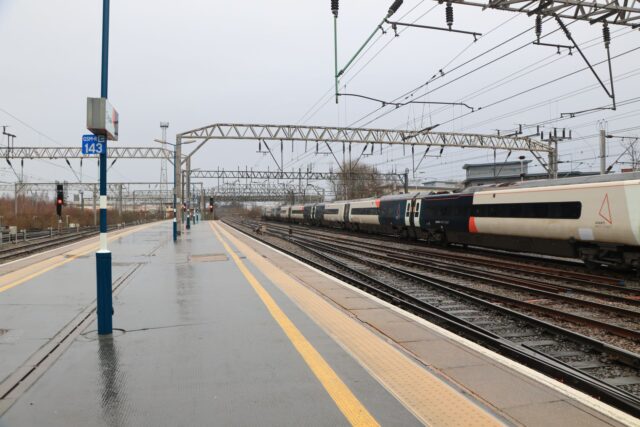
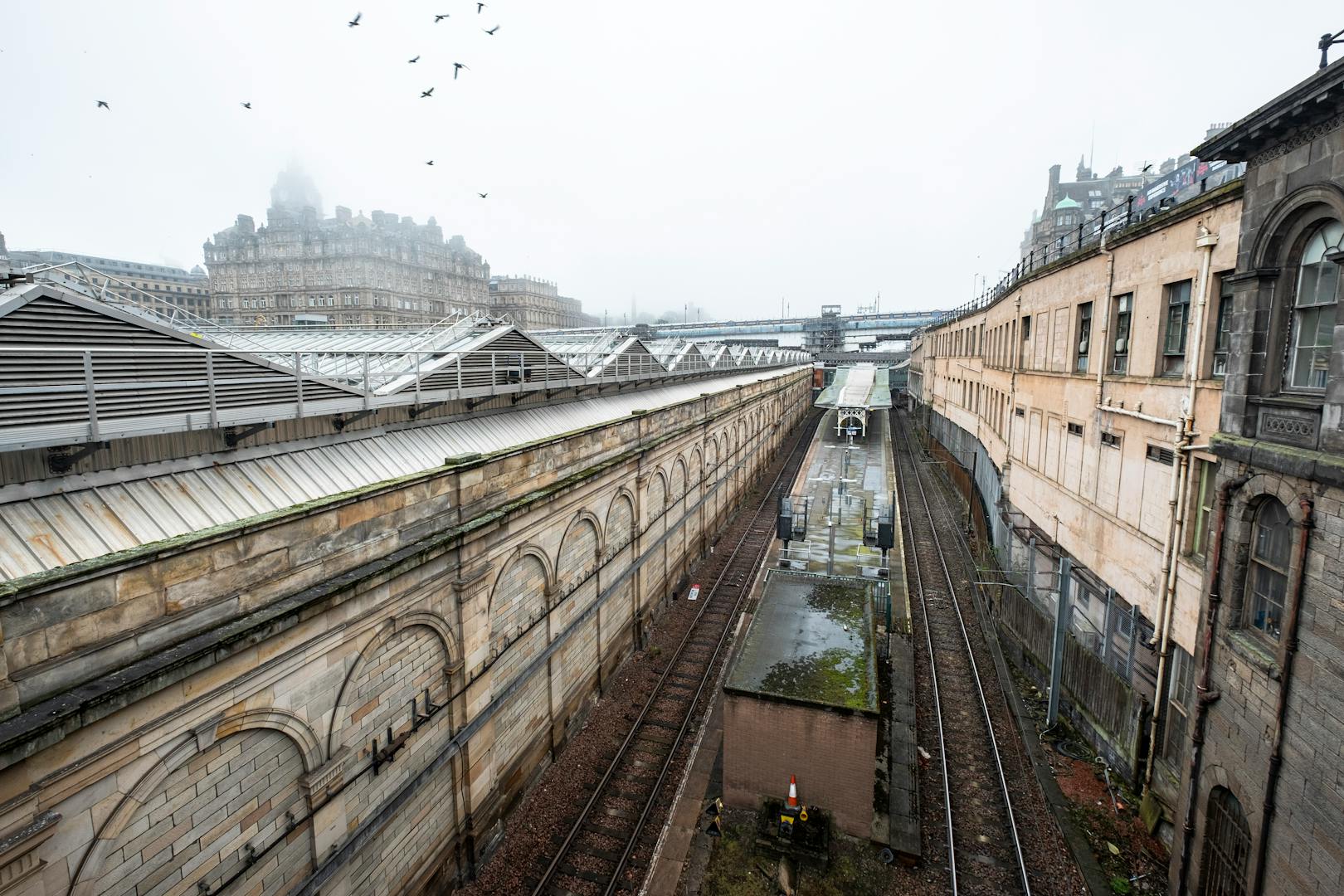
Waverley is Edinburgh’s main station, dramatically situated in a valley between the Old Town and New Town, directly below Edinburgh Castle. It serves long-distance services from London King’s Cross (LNER, 4.5 hours), cross-border trains from Manchester, Birmingham, and York, and ScotRail services across Scotland. The station has shops, cafes, toilets, luggage storage, and a taxi rank at the Waverley Bridge exit.
Edinburgh Haymarket
Haymarket is the city’s second station, located about a mile west of Waverley in the West End. It’s useful for Glasgow trains (you can board here instead of Waverley to guarantee a seat), Fife Circle services, and trains to Stirling and Perth. It also has a tram stop directly outside for easy connections.
Popular Day Trip Train Routes
- Edinburgh to Glasgow: Every 15 minutes, 50 minutes, from £7.40 advance
- Edinburgh to Stirling: Every 30 minutes, 55 minutes, from £6.20 advance
- Edinburgh to North Berwick: Every 30 minutes, 33 minutes, from £5.60 advance
- Edinburgh to St Andrews (Leuchars): Every 30 minutes, 60 minutes, then a 10-minute bus
- Edinburgh to Inverness: Every 1–2 hours, 3.5 hours, from £15.90 advance
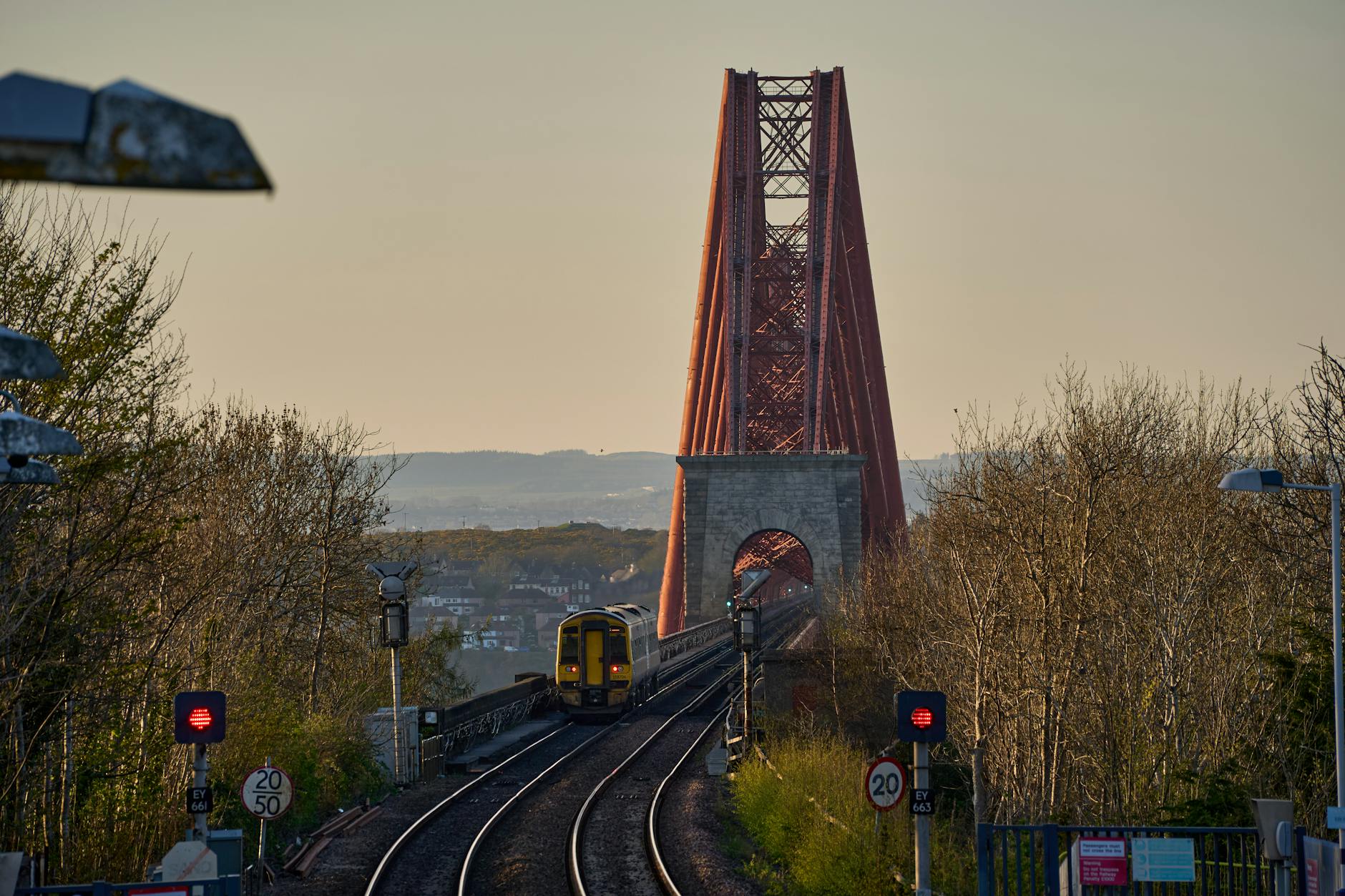
Money-saving tip: Book advance tickets at scotrail.co.uk as early as possible. Advance fares can be 40–60% cheaper than walk-up prices. A Glasgow day return can cost as little as £14.80 with an advance ticket versus £31.40 at peak walk-up rates. ScotRail also offers a Spirit of Scotland pass for unlimited travel across the network — worth considering if you’re planning multiple day trips.
Taxis and Ridesharing in Edinburgh
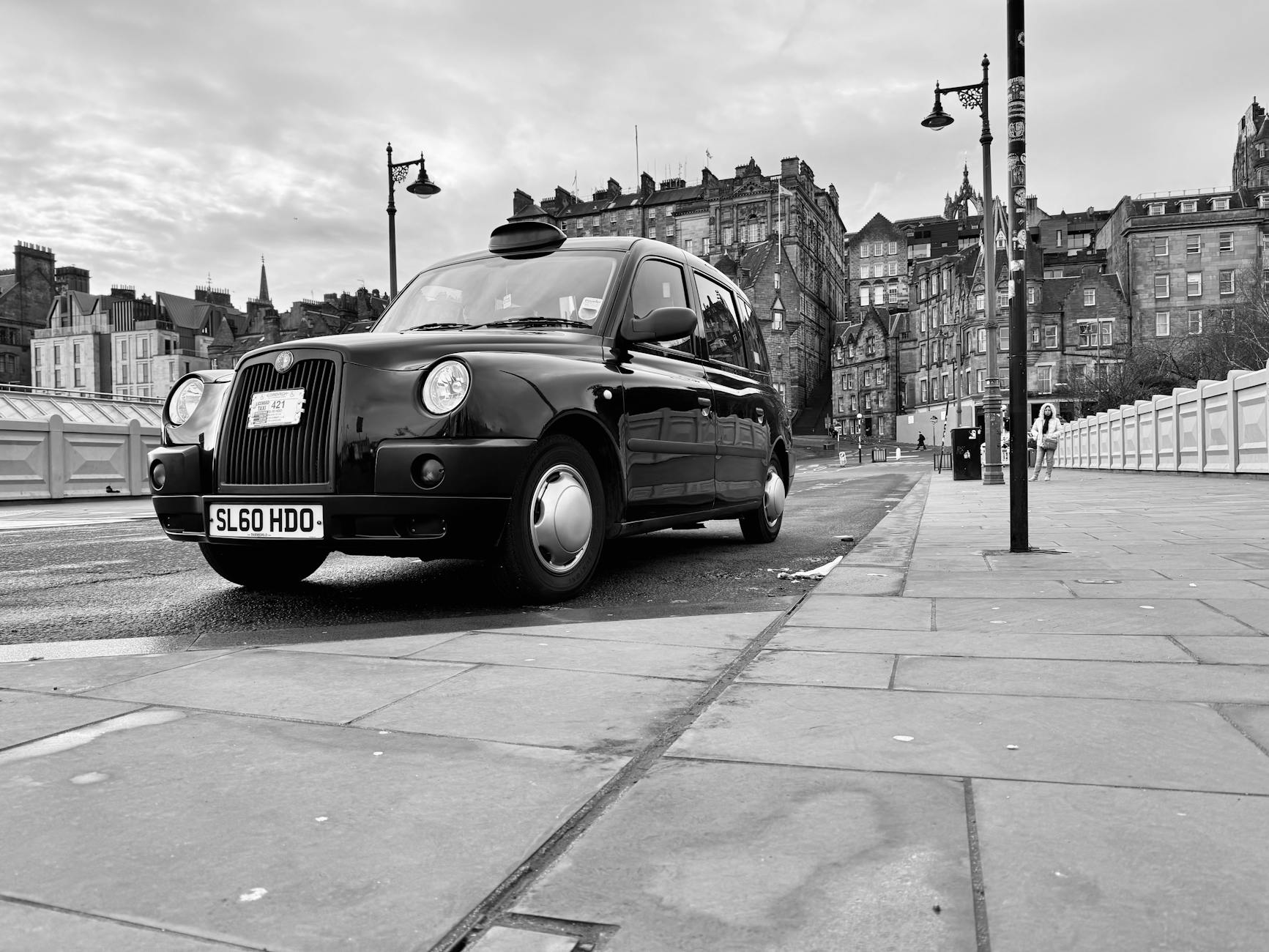
Edinburgh has a large fleet of licensed black cabs and private hire vehicles. Taxis are metered, reliable, and widely available, particularly in the city centre. They’re most useful late at night, when you’re carrying heavy shopping or luggage, or when travelling in a group where the cost can be split.
Taxi Essentials
- Typical fares: £6–£10 for short city centre trips; £10–£18 from the centre to Leith or Morningside
- Airport fare: £25–£40 (metered, varies with traffic and time of day)
- Taxi ranks: Waverley Station (Waverley Bridge), Haymarket Station, Lothian Road, Frederick Street, and outside most large hotels
- Hailing: You can hail black cabs on the street — look for the illuminated yellow “TAXI” sign on the roof
- Ride apps: Uber, Bolt, and Free Now all operate in Edinburgh. They’re often slightly cheaper than traditional taxis, especially for longer journeys
- Late night: Taxis are in high demand on Friday and Saturday nights, especially around 2–3am. Expect longer waits and potential surge pricing on apps. The taxi rank at Lothian Road is usually your best bet
When to use a taxi: Taxis make the most sense for airport transfers with luggage (especially for groups), late-night journeys when buses have stopped, and trips to areas not well served by public transport. For routine sightseeing during the day, buses and trams are far more cost-effective.
Cycling in Edinburgh
Edinburgh has invested significantly in cycling infrastructure in recent years, and it’s becoming an increasingly practical option for visitors. The city has a growing network of segregated cycle lanes, shared-use paths, and quiet routes that connect major destinations.
Bike Hire Options
- Just Eat Cycles: Edinburgh’s public bike-share scheme with docking stations across the city. Download the app, unlock a bike, and ride. Costs from £1 for 30 minutes. Electric bikes also available
- Private hire shops: Several cycle hire shops operate in the centre and Leith, offering day or multi-day rentals including hybrids, road bikes, and e-bikes. Expect to pay £20–£35 per day
Best Cycling Routes
- Water of Leith Walkway: A traffic-free path following the river through Dean Village, Stockbridge, and down to Leith. Mostly flat and scenic
- Innocent Railway Path: A disused railway line running from the Meadows to Duddingston Village and the base of Arthur’s Seat. Completely traffic-free
- Union Canal Towpath: Flat, traffic-free route heading west from Fountainbridge towards Ratho and the Falkirk Wheel — perfect for a longer ride
- Portobello Promenade: A seaside ride from Leith to Portobello and Musselburgh along the coast
Safety note: Some Edinburgh roads, particularly in the Old Town, have cobblestones and tram tracks. Tram tracks are a well-known hazard for cyclists — always cross them at a right angle. Stick to designated cycle routes where possible, especially if you’re not an experienced urban cyclist.
Driving and Parking in Edinburgh
Let’s be direct: you do not need a car to explore Edinburgh, and driving in the city centre is more hassle than it’s worth. Narrow medieval streets, one-way systems, a Low Emission Zone (LEZ) that restricts older vehicles from the centre, and some of the most expensive parking in the UK make public transport the smarter choice for virtually every visitor.
If you do have a car — perhaps for day trips from Edinburgh to the Highlands — here’s what you need to know:
- On-street parking: Metered zones throughout the city centre, typically £2.60–£4.60 per hour. Maximum stay is usually 4 hours
- NCP car parks: Multi-storey car parks at Castle Terrace, Waverley Station, and St James Quarter. All-day rates of £15–£30
- Park & Ride: Free car parks at Ingliston (west), Hermiston (south-west), and Sheriffhall (south-east) with tram or bus connections to the city centre. The best option if you have a car
- Low Emission Zone: Edinburgh’s LEZ, covering the city centre, restricts vehicles that don’t meet emission standards (Euro 4 petrol, Euro 6 diesel). Fines start at £60. Check your vehicle’s compliance before driving in
- Residents’ parking: Many city centre streets are residents-only during the day. Read signs carefully to avoid fines
Our recommendation: If you’re staying in the city, leave your car at your accommodation or use a Park & Ride. If you’re renting a car for Highland day trips, pick it up on the day you need it and return it before parking becomes an issue. For everything within Edinburgh itself, public transport, walking, and cycling are faster, cheaper, and less stressful.
Edinburgh Transport Comparison Table
Here’s a quick-reference comparison of all transport options available in Edinburgh, with typical costs, journey times, and when each mode works best:
| Transport Mode | Typical Cost | Best For | Payment | Hours |
|---|---|---|---|---|
| Walking | Free | City centre sightseeing, short distances | N/A | 24/7 |
| Lothian Buses | £2.40 single / £6.00 day | Reaching suburbs, Portobello, Zoo, longer distances | Contactless only | 5am–midnight (night buses Fri/Sat) |
| Edinburgh Trams | £2.40 city / £7.90 airport | Airport transfer, Princes St to Leith/Newhaven | Contactless only | 5:30am–11:45pm |
| TapTapCap | Capped at £5.70/day, £26.50/week | Multi-day stays with frequent bus/tram use | Same contactless card | All bus/tram hours |
| Trains (ScotRail) | From £5.60 advance | Day trips (Glasgow, Stirling, Highlands) | Card/cash at station, online advance | Varies by route |
| Taxi / Uber | £6–£40 | Late nights, luggage, groups, airport | Card, cash (taxis), app (Uber/Bolt) | 24/7 |
| Cycling | From £1 (bike share) / £20–£35 day hire | Waterfront, canal paths, eco-friendly exploration | App / at hire shop | Daylight hours recommended |
| Driving | £2.60–£4.60/hr parking | Only for trips outside the city | Card/app at meters and car parks | N/A |
Getting Around Edinburgh: Detailed Guides
Mode-by-mode detail, including the airport transfer and whether you need a pass at all.
- Edinburgh Airport to the city centre — Tram, bus and taxi compared on cost, time and luggage.
- Lothian buses and trams — How the network works, what to pay and the apps worth installing.
- Edinburgh transport passes and tickets — Fare capping versus day tickets, with the break-even points.
- walking around Edinburgh — Distances, gradients and why the map lies about the Old Town.
- taxis and ride-hailing in Edinburgh — Black cabs, Uber and what a typical fare actually costs.
- cycling and bike hire in Edinburgh — Hire options and the traffic-free routes worth riding.
- Edinburgh’s train stations — Waverley versus Haymarket, and which one you want.
- driving and parking in Edinburgh — Why most visitors shouldn’t, and what to do if you must.
Related Edinburgh guides: where to stay, day trips, Edinburgh on a budget, first-time visitor tips.
Frequently Asked Questions About Edinburgh Transport
What is the cheapest way to get from Edinburgh Airport to the city centre?
The cheapest public-transport option is the Airlink 100 express bus at £6.00 for an adult single or £8.50 for an open return, running 24/7. Cheaper still, city bus services 17 and 18 call at the airport at the standard £2.40 flat fare, but they take 35–50 minutes. The tram costs £7.90 single but is faster and more reliable during peak hours.
Do Edinburgh buses accept cash?
No, Lothian Buses no longer accept cash payments. You can pay using contactless bank cards, mobile payments (Apple Pay, Google Pay), or pre-purchased day/week tickets via the Transport for Edinburgh app. This applies to all city bus services.
How does TapTapCap work in Edinburgh?
TapTapCap is Edinburgh’s contactless fare-capping system. Simply tap the same contactless card or device on every bus and tram journey. Your daily spending is capped at £5.70 and weekly at £26.50, so you never overpay. You must use the same card for all journeys to benefit from capping.
Is Edinburgh easy to walk around?
Yes, Edinburgh is one of the most walkable cities in the UK. Most major attractions in the Old Town and New Town are within 20 minutes’ walk of each other. However, the city is built on hills so comfortable shoes are essential, particularly on the steep closes and cobblestone streets of the Royal Mile area.
Can I use Uber in Edinburgh?
Yes, Uber operates in Edinburgh alongside local taxi companies. You can also use Bolt and Free Now apps. Traditional black cabs are available at ranks throughout the city centre, particularly at Waverley Station and on major streets. A short city centre journey typically costs £6 to £10.
Do I need a car to visit Edinburgh?
No, a car is generally unnecessary and often a hindrance in Edinburgh. The city centre has limited, expensive parking (up to £4.60 per hour), a Low Emission Zone, and narrow historic streets. Public transport, walking, and cycling cover all major attractions efficiently.
How do I get from Edinburgh to Glasgow or the Highlands?
ScotRail trains run from Edinburgh Waverley to Glasgow Queen Street every 15 minutes, taking around 50 minutes. For the Highlands, trains to Inverness take approximately 3.5 hours. Booking in advance at scotrail.co.uk can save up to 50% on standard fares.
Getting Out of the City
Getting the Most Out of Edinburgh’s Transport
Edinburgh’s transport system is well-designed for visitors. The single most useful tip is this: pick one contactless card and use it for every bus and tram journey. TapTapCap will ensure you never overpay, and you won’t need to think about buying tickets or passes. For most visitors staying in the city centre, walking will cover 80% of your sightseeing, with the odd bus or tram journey to reach outlying attractions.
If you’re staying for several days, pair affordable public transport with exploring on foot and you’ll discover a city that rewards slow, curious travel. Edinburgh’s closes, gardens, and hidden viewpoints aren’t on any bus route — they’re waiting for you around the next corner.
For more planning inspiration, see our guides to things to do in Edinburgh, Edinburgh on a budget, Edinburgh festivals and events, and where to stay in Edinburgh.