Money in Edinburgh: Scottish Banknotes, Cards & Cash Explained (2026)
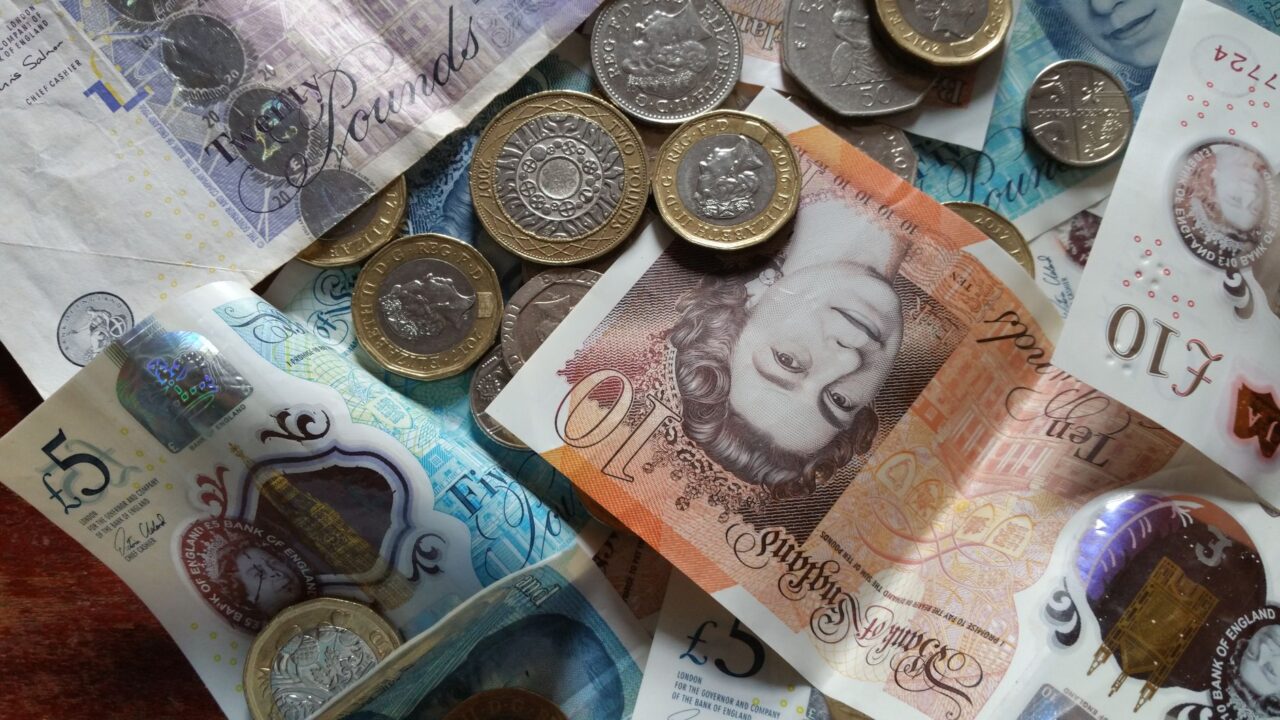
The first genuinely confusing thing that happens to most visitors in Edinburgh is not the accent or the weather. It is being handed a twenty-pound note with the wrong picture on it. Scotland uses pounds sterling, the same currency as the rest of the United Kingdom, and yet the money in your hand will look nothing like the money you took out at Heathrow — different colours, different faces, different banks’ names printed along the top.
Search this and Wikipedia will explain, correctly and unhelpfully, that Scottish banknotes are not legal tender. That is a narrow technical statement about debt settlement in court and it answers a question nobody asked. What you actually want to know is whether the notes work, what happens when you try to spend one in London, how much cash you need in a city that has gone almost entirely contactless, and how to avoid the two ways foreign cards quietly lose you money here. That is what this covers.
At a Glance: Money in Edinburgh
- The currency is pounds sterling (GBP). Exactly the same money as the rest of the UK. Not a separate Scottish currency.
- Three banks issue Scottish notes: Bank of Scotland, The Royal Bank of Scotland and Clydesdale Bank.
- Scottish notes are not legal tender — and neither are Bank of England notes in Scotland. The phrase means far less than it sounds like.
- Both types are accepted everywhere in Edinburgh without a second glance.
- In England, acceptance is at the trader’s discretion. Most places take them; some refuse; nobody is breaking the law either way.
- Scottish banks issue a £100 note. The Bank of England does not. Expect it to be examined carefully.
- Edinburgh is close to cashless. Contactless is universal and a growing number of bars and cafés no longer take cash at all.
- Always pay in pounds, not in your home currency, when a card machine or ATM offers you the choice.
- Use bank ATMs, not the ones in shops. Convenience machines charge a fee; bank machines generally do not.
- There are no VAT refunds for visitors anywhere in Great Britain. The scheme was abolished in 2021.
Who Issues Scottish Banknotes, and Why
Three retail banks are authorised to print their own sterling banknotes in Scotland: Bank of Scotland, The Royal Bank of Scotland and Clydesdale Bank. This is a survival of a pre-1845 arrangement that was tidied away almost everywhere else in the world, and it means that at any moment there are three separate designs of Scottish £10 note in circulation alongside the Bank of England’s.
Every one of them is fully backed. The issuing banks are required to hold assets covering the full value of the notes they put into circulation, so a Scottish twenty is worth exactly twenty pounds in the same way a Bank of England twenty is. The notes you will actually be handed are polymer rather than paper, so they survive Edinburgh weather better than the old ones did.
The practical consequence for a visitor: a wallet full of Scottish money in Edinburgh will contain notes from three different banks plus the Bank of England, in four different designs of the same denomination. This is normal, nobody here finds it interesting, and all of it spends identically.
“Not Legal Tender”: What That Actually Means
Here is the fact that generates all the confusion, stated properly.
Scottish banknotes are not legal tender anywhere — including in Scotland. Bank of England notes are not legal tender in Scotland either. In fact the only banknotes that are legal tender in Scotland are none of them.
This sounds alarming and means almost nothing, because “legal tender” is a narrow term from the law of debt. It describes what a debtor may offer a creditor to settle a debt in a way a court must recognise. It has never described what a shop must accept for a sandwich. A shop can decline any payment it likes — cash, card, a particular note, a particular currency — because you and the shop are making a contract, not settling a judgment.
The honest verdict: ignore the phrase entirely. It appears in every article on this subject because it is technically true and it is the only thing the writer found. What matters is acceptance in practice, and in Scotland acceptance is universal.
Will They Take Scottish Notes in England?
Usually. Sometimes not. It is entirely at the trader’s discretion and there is no rule to appeal to.
In practice, the pattern is fairly consistent:
| Where | Likely outcome |
|---|---|
| Anywhere in Scotland | Always accepted. Both Scottish and Bank of England notes. |
| Northern England — Newcastle, Carlisle, Cumbria | Almost always fine. They see them constantly. |
| Large chains and supermarkets across England | Generally fine; staff are trained on them. |
| London | Usually fine in chains, less reliable in small independents. |
| Small shops, market stalls and taxis in southern England | The most likely place to be refused, usually out of unfamiliarity rather than suspicion. |
| Overseas bureaux de change | Variable. Some will not touch them; some charge a worse rate. |
What to do if a note is refused
- Do not argue about legal tender. You will lose, because the shop is right and so are you, and neither of those facts gets you your sandwich.
- Pay by card instead. This resolves it in three seconds and is what everyone does.
- Take the note to any UK bank — they will swap Scottish notes for Bank of England ones at face value, whether or not you hold an account there.
- Or spend it in a supermarket, which will take it, and get English change.
The honest verdict: if you are travelling on from Edinburgh to somewhere in England and you are carrying Scottish cash, spend it before you go or swap it. Not because it will be refused often, but because dealing with it once at a bank counter is easier than dealing with it three times at a till. If you are flying home directly, the same applies in reverse: change Scottish notes before you leave the country rather than trying to explain them to a cashier abroad.
How Much Cash Do You Actually Need?
Less than you think. Edinburgh has moved further towards cashless than most British cities, and a visitor can now spend three days here without touching a note.
Where a card is fine — which is nearly everywhere: restaurants, pubs, cafés, shops, museums, taxis, buses and trams, ticketed attractions, market stalls with a reader, and every chain in the city. Contactless is universal and there is no minimum-spend culture. A growing number of bars and cafés are explicitly card-only.
Where you still want cash:
- Tipping a “free” walking tour guide. £10–£15 per person, and cash is the norm. This is the single most likely cash moment of your trip.
- Donation boxes in the free national museums, churches and small heritage sites.
- Street performers on the Royal Mile — the bucket at the end of a free Fringe show is the ticket price, not a tip.
- A handful of market stalls at the Saturday farmers’ market on Castle Terrace or Stockbridge Market on Sundays.
- Very small independents, occasionally, though these are increasingly rare.
The honest verdict: carry £40 to £60 in cash for a short trip and you will have enough and probably too much. Do not exchange several hundred pounds before you fly — it is money you will carry around and change back at a loss.
The Two Ways Foreign Cards Lose You Money
Both are avoidable and both are quiet. This is the most useful section on this page for anyone arriving from abroad.
1. Always choose to pay in pounds
When you pay by card or use an ATM, you will sometimes be offered a choice: pay in GBP, or pay in your own currency “with no conversion fee”. The second option is called dynamic currency conversion and it is a worse deal, essentially always. The exchange rate is set by the terminal operator, not your bank, and the margin is theirs.
Always press the button that says pounds, GBP, or the amount in £. Let your own bank do the conversion. The offer is designed to sound helpful and it costs you a few per cent every time you accept it.
2. Use bank ATMs, not shop ATMs
The UK has two kinds of cash machine. Those outside bank branches are almost always free to use. Those inside convenience stores, pubs, hotel lobbies and some tourist areas are operated by independent companies and charge a fee — typically a pound or two per withdrawal — which is displayed on screen before you commit.
Bank branches cluster along George Street, Princes Street and the New Town generally, so a free machine is rarely more than a few minutes away. Take out one larger amount rather than several small ones, and check whether your own bank charges a foreign withdrawal fee before you decide how much.
The honest verdict: a modern travel account — Wise, Revolut, Monzo or an equivalent from your own country — solves most of this by giving you a near-interbank rate and low or no foreign transaction fees. If you travel more than occasionally, one is worth having. If not, a normal card used carefully, always in pounds, at bank ATMs, is perfectly fine.
Exchanging Money: Where Not To
If you do want to arrive with pounds in hand, the ranking is unglamorous and consistent:
| Method | Verdict |
|---|---|
| Withdrawing from a bank ATM on arrival | Best for most people. Real exchange rate, no bureau margin. |
| A travel card or app account (Wise, Revolut, etc.) | Best if you already have one. |
| A high-street bureau in your home country, ordered ahead | Acceptable. Order online for a better rate than walking in. |
| A city-centre bureau de change in Edinburgh | Convenient, mediocre rate. Fine for a small amount. |
| Airport exchange desks | Worst rate you will be offered anywhere. Avoid unless desperate. |
And one thing that no longer exists: there are no VAT refunds for visitors in Great Britain. The VAT Retail Export Scheme was abolished in 2021, there is no refund desk at Edinburgh Airport, and the only remaining route is having a retailer ship a purchase directly to a non-UK address. If a shop assistant offers you a “tax-free form”, something has gone wrong — Northern Ireland has separate rules, but Scotland does not participate in anything of the kind.
What Things Cost, So You Can Judge the Cash
| Item | 2026 price |
|---|---|
| Bus or city-zone tram single | £2.40 |
| Contactless daily cap on Lothian buses and trams | £5.70 |
| City DAY ticket bought as a ticket | £6.00 |
| NightBus single | £3.50 |
| Tram single to the airport | £7.90 |
| Airlink 100 airport bus single | £6.00 |
| A pint in a pub | £5.00–£7.00 |
| Entry to the national museums and galleries | Free |
| Visitor levy on accommodation | 5% of the room cost, before VAT, first five nights |
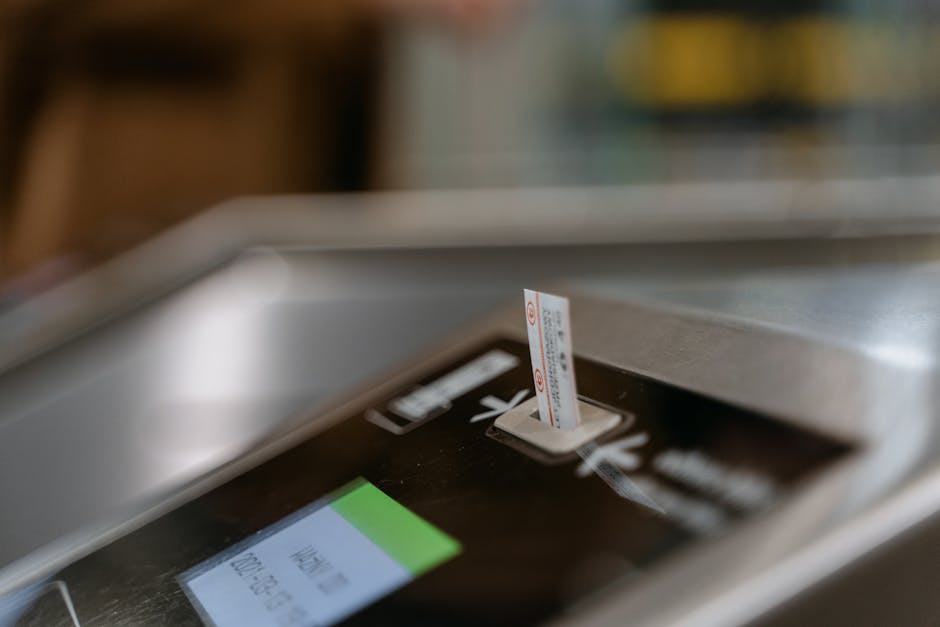
Note the transport line in particular. Tapping a contactless card on every bus and tram journey caps your spend automatically at £5.70 a day, which is cheaper than buying a day ticket — so there is no reason to carry cash or buy paper tickets for transport at all. Full detail is in our guide to Edinburgh buses and trams.
Coins: The One Part That Is Not Confusing
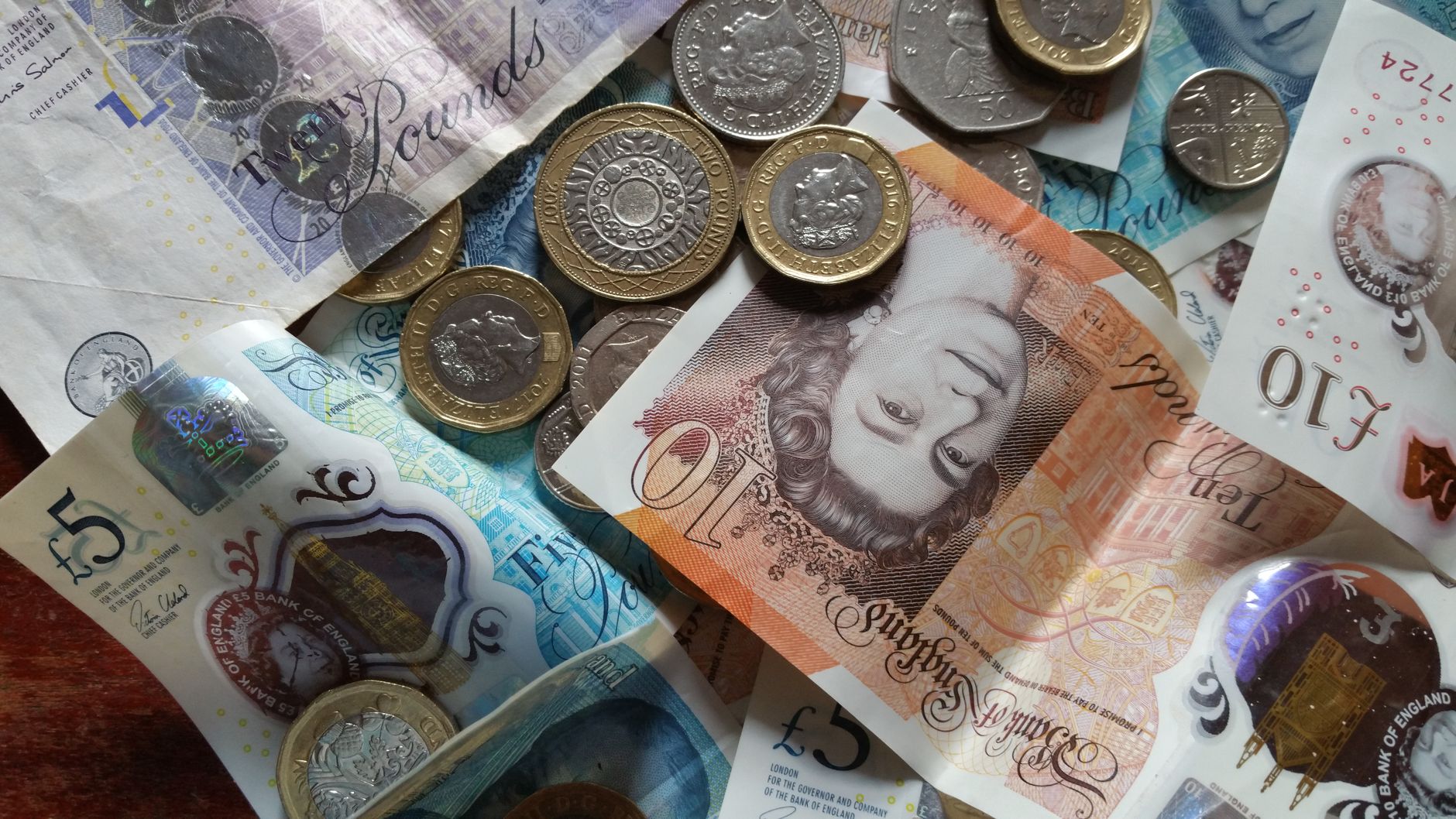
Notes are devolved; coins are not. Every coin in Scotland is a standard UK coin from the Royal Mint, identical to the ones used in England, Wales and Northern Ireland. There are no Scottish coins. Some UK coin designs carry Scottish symbols — that is a design choice, not a separate currency.
| Coin | What it looks like |
|---|---|
| 1p and 2p | Copper-coloured, small, still in circulation and largely useless |
| 5p and 10p | Silver-coloured, small and medium |
| 20p | Silver, seven-sided |
| 50p | Silver, seven-sided and noticeably larger — the one people mistake for a £1 |
| £1 | Twelve-sided, gold and silver, two-tone. The old round £1 was withdrawn in 2017 and is no longer valid. |
| £2 | Thick, gold ring with a silver centre. The heaviest coin in your pocket. |
One small practical note: if you are handed a round £1 coin, it is not spendable. They were withdrawn in 2017 in favour of the twelve-sided version and shops will decline them.
A Realistic Daily Spend
Money advice is easier to use with a number attached to it, so here is what a day in Edinburgh actually costs at three levels, excluding accommodation.
| Careful | Comfortable | Generous | |
|---|---|---|---|
| Breakfast | £0 — included or supermarket | £8 | £15 |
| Lunch | £6 | £14 | £25 |
| Dinner | £12 | £28 | £60 |
| Drinks | £6 (one pint) | £18 | £35 |
| Transport | £0 — walk | £5.70 daily cap | £15 with a taxi |
| Attractions | £0 — free museums | £20 | £45 |
| Per person, per day | c. £24 | c. £94 | c. £195 |
The honest verdict: Edinburgh is an expensive city to sleep in and a surprisingly cheap one to spend a day in. The national museums and galleries are free, the best viewpoints are hills, and the walking is the point. Where the money goes is beds, dinners and drinks — in that order. Our £50-a-day guide works through the careful version properly.
Four Practical Habits
- Withdraw before you head south. Scottish ATMs dispense Scottish notes. If you are travelling on to England and want to avoid the acceptance question entirely, take out cash before you leave home or swap at a bank here.
- Tell your bank you are travelling, or use a card that expects it. A blocked card on a Saturday night in a card-only bar is a genuinely bad evening.
- Carry one card and leave the spare at the accommodation. This is standard advice everywhere and it matters here mainly because of crowd theft on the Royal Mile in August.
- Budget for the visitor levy separately. The 5% on the first five nights is usually not in the nightly rate you compared on a booking site, so add it to your accommodation figure rather than discovering it at checkout.
A Small Detour: The Museum About Money

If any of this has interested you rather than merely confused you, Edinburgh has a museum about it. The Museum on the Mound occupies part of the Bank of Scotland’s headquarters building — the vast domed pile above Princes Street Gardens that everyone photographs and nobody enters — and it covers money, banking, forgery and the history of Scottish note issue. It is free, it takes about an hour, and it is one of the better small museums in a city with a lot of them.
It is also, usefully, an excellent wet-afternoon option two minutes from the Royal Mile. More like it in our guide to free things to do in Edinburgh.
Frequently Asked Questions
What currency is used in Edinburgh?
Pounds sterling — the same currency as the rest of the United Kingdom. There is no separate Scottish currency. The only difference is that some of the banknotes are printed by Scottish banks rather than the Bank of England.
Are Scottish banknotes legal tender?
No — and neither are Bank of England notes in Scotland. “Legal tender” is a narrow term about settling debts in court and has nothing to do with whether a shop will take your money. Scottish notes are fully backed and accepted everywhere in Scotland.
Which banks issue Scottish banknotes?
Three: Bank of Scotland, The Royal Bank of Scotland and Clydesdale Bank. Each issues its own designs, so several different-looking £10 and £20 notes circulate alongside Bank of England ones.
Can I use Scottish money in England?
Usually. Acceptance is at the trader’s discretion — chains and supermarkets are generally fine, small independents in southern England are the most likely to refuse. If you are travelling on to England, spend or swap your Scottish notes first. Any UK bank will exchange them at face value.
Can I use Bank of England notes in Edinburgh?
Yes, everywhere and without comment. Both types circulate freely here and no one will look twice.
Do I need cash in Edinburgh?
Barely. Contactless works on buses, trams, in pubs, restaurants, taxis and shops, and some venues are card-only. Carry £40–£60 for walking-tour tips, donation boxes, street performers and the odd market stall.
Should I pay in pounds or my own currency on a card machine?
Always pounds. Paying in your home currency is dynamic currency conversion, where the terminal operator sets the exchange rate rather than your bank, and it costs you a few per cent every time.
Do ATMs in Edinburgh charge a fee?
Machines outside bank branches are almost always free. Machines inside convenience stores, pubs and hotel lobbies are usually operated by independent companies and charge a fee, which is shown on screen before you confirm. Use bank machines.
Is there a £100 Scottish banknote?
Yes. Scottish banks issue £100 notes, which the Bank of England does not. You will rarely see one, and if you try to spend it in a small shop expect it to be examined carefully or declined. Break it at a bank or a supermarket.
Can visitors claim a VAT refund in Scotland?
No. The VAT Retail Export Scheme was abolished across Great Britain in 2021 and there is no refund desk at Edinburgh Airport. The only remaining option is asking a retailer to ship your purchase directly to an address outside the UK.
Note issuers checked against UK Finance, transport fares against Lothian and Edinburgh Trams, and visitor levy rules against the City of Edinburgh Council, all in September 2026. Fares are revised at least annually.
For what the money actually goes on, see Edinburgh on a budget and visiting Edinburgh on £50 a day. For when to hand some of it over, our guide to tipping in Scotland gives one rule per situation, and Edinburgh travel tips covers the rest of the practical layer.