Things to Do in Edinburgh: The Complete Guide (2026)
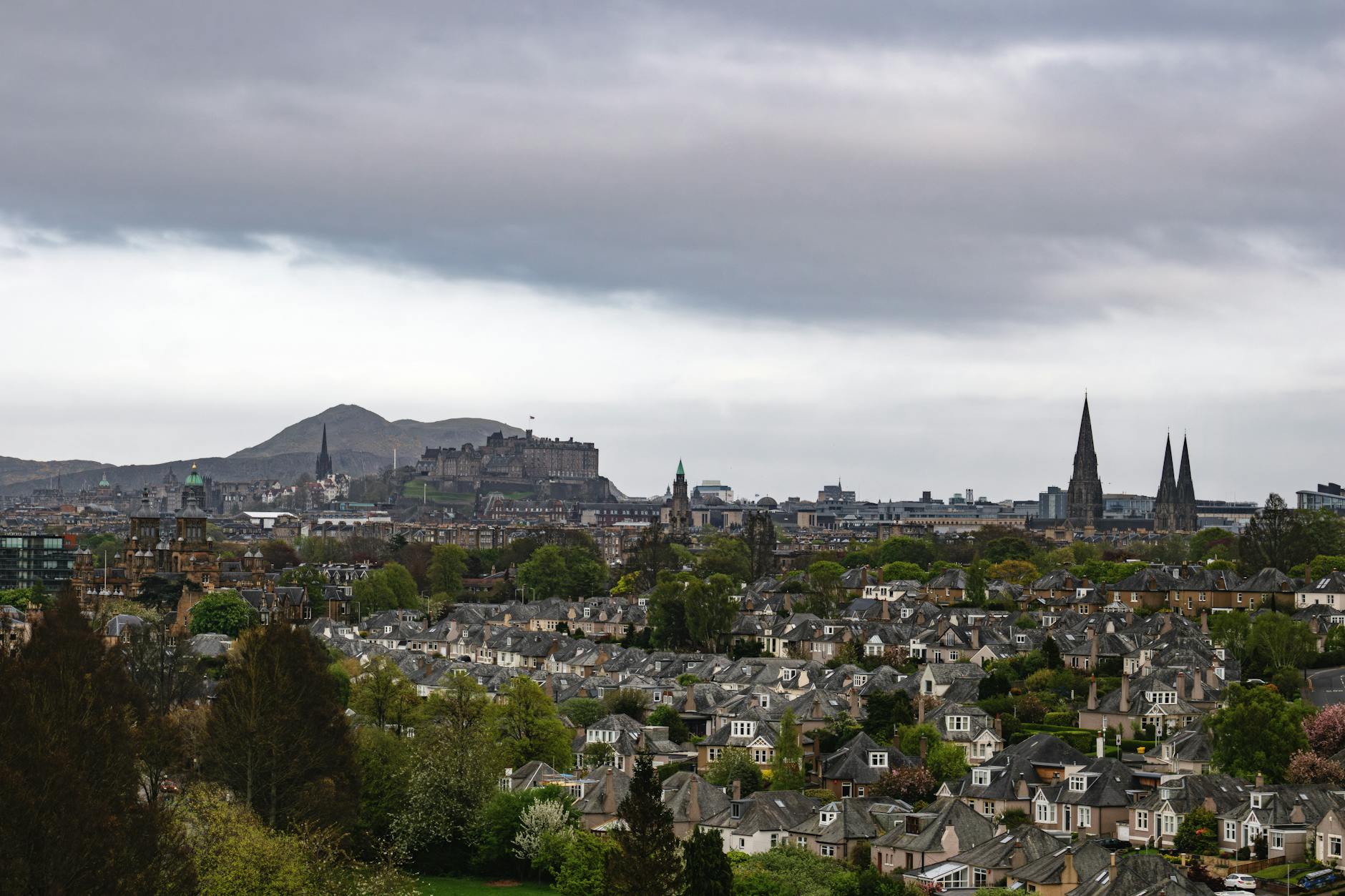
Edinburgh is one of Europe’s most captivating cities — a place where medieval cobblestones meet world-class culture, where an extinct volcano rises in the middle of town, and where you can wander from a 12th-century castle to a Michelin-starred restaurant in under ten minutes. Whether you’re visiting for the first time or returning to uncover something new, Edinburgh rewards every kind of traveller with an extraordinary depth of things to see and do.
This guide covers more than 50 of the best things to do in Edinburgh, organised by category so you can plan around your interests. From iconic landmarks and free museums to hidden closes, outdoor adventures, and unforgettable evening experiences, there is something here for every kind of day in the city.
Historic Landmarks & Must-See Attractions
Edinburgh’s history stretches back more than a thousand years, and the city wears its past on its sleeve. The Old Town and New Town together form a UNESCO World Heritage Site, and many of the city’s most powerful experiences are rooted in its storied past. Here are the landmarks that no visit to Edinburgh should miss.
Edinburgh Castle
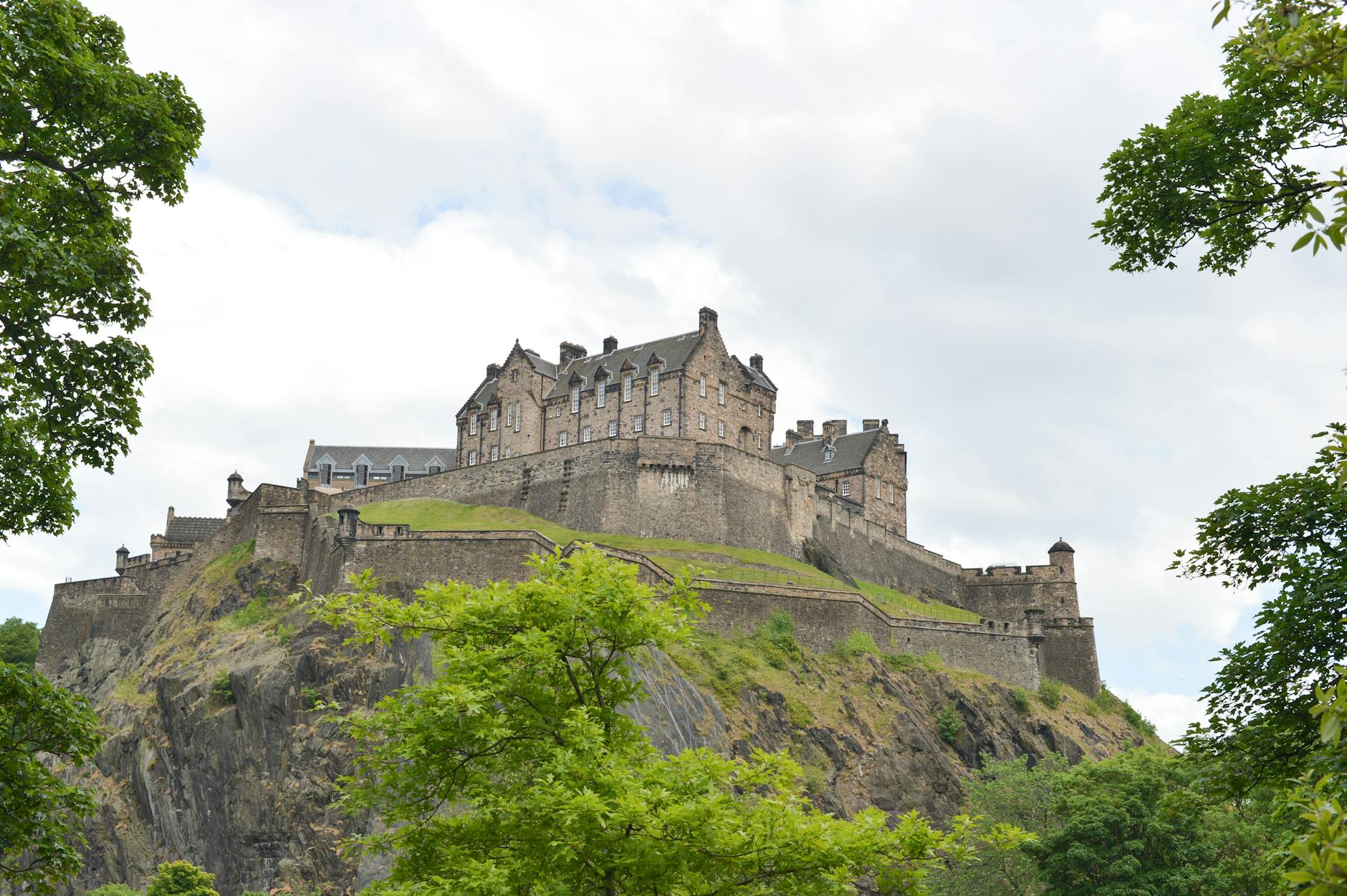
Perched dramatically on an ancient volcanic plug at the top of the Royal Mile, Edinburgh Castle is Scotland’s most visited paid attraction, drawing about two million visitors a year. The fortress has witnessed over a thousand years of warfare, royal ceremony, and political intrigue, and today it houses the Scottish Crown Jewels (the Honours of Scotland), the famous One O’Clock Gun, and St Margaret’s Chapel — the oldest surviving building in Edinburgh, dating to the 12th century.
Practical details: Adult tickets cost £23.50 online (£26 at the gate), with discounts for children and families. Opening hours run from 9:30am to 6:00pm in summer and 9:30am to 5:00pm in winter. Booking online in advance is strongly recommended — you’ll save money and guarantee your time slot, and once the online tickets for a day sell out, the castle sells no more at the gate. Allow two to three hours for a thorough visit. The castle is closed on 25-26 December.
Insider tip: Arrive early in the morning or after 3pm to avoid the worst of the crowds. The views from the Argyle Battery and the Half Moon Battery are among the finest in Scotland, stretching across the Firth of Forth to the Kingdom of Fife. Young Scot cardholders can gain entry for just £1.
Palace of Holyroodhouse
At the opposite end of the Royal Mile from the castle sits the Palace of Holyroodhouse, the official Scottish residence of the British monarch. The site began as Holyrood Abbey, a monastery founded by King David I in 1128, and James IV built the palace beside it between 1501 and 1505. Since then it has hosted some of the most dramatic chapters in Scottish history — most famously the murder of David Rizzio, private secretary to Mary, Queen of Scots, in 1566. Today visitors can explore the grand State Apartments, the Great Gallery with its 96 portraits of Scottish monarchs, and the atmospheric ruins of the medieval Holyrood Abbey.
Practical details: Advance tickets cost £22 for adults (£26 on the day). From 1 April to 31 October the palace opens 9:30am to 6pm (last admission 4:30pm); from November to March it’s 9:30am to 4:30pm (last admission 3:15pm). It is usually closed on Tuesdays and Wednesdays, apart from Exclusive Guided Tours, and over 24–26 December, and it can close at short notice, so check the day before you go.
St Giles’ Cathedral
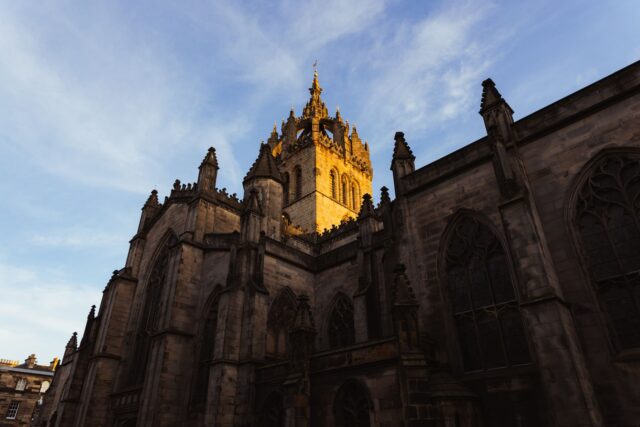
Standing at the heart of the Royal Mile, St Giles’ Cathedral (properly the High Kirk of Edinburgh) has been a place of worship since the 9th century and the present building dates largely to the 14th and 15th centuries. Its distinctive crown steeple is one of Edinburgh’s most recognisable silhouettes. Inside, the Thistle Chapel — designed by Sir Robert Lorimer and completed in 1911 — is an exquisite example of Gothic Revival craftsmanship, complete with intricate carvings of angels, animals, and heraldic symbols.
Practical details: Adult entry costs £12; under-16s, and residents of Scotland with a Resident Pass, go free. Guided tours run twice a day on weekdays and on Saturday mornings; times are on the cathedral’s website. Opening hours are Monday to Friday 10am–6pm, Saturday 9am–5pm, and Sunday 1–5pm all year.
The Scott Monument
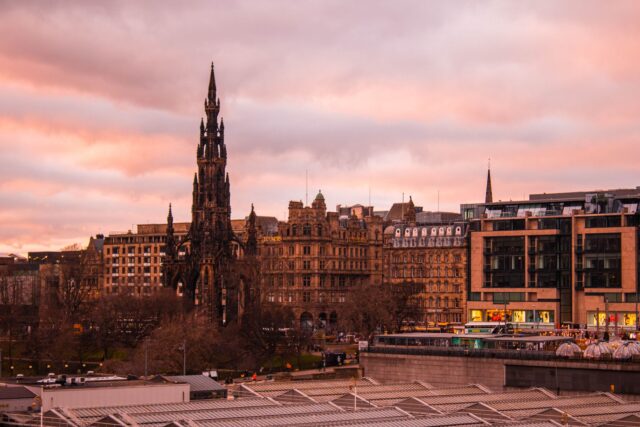
This extraordinary Victorian Gothic tower in Princes Street Gardens is one of the largest monuments to a writer anywhere in the world, rising 61 metres in honour of Sir Walter Scott. A guided tour takes you up 221 narrow spiral steps to the third level, nearly at the top, for breathtaking 360-degree views across Edinburgh — from the castle and Old Town to Arthur’s Seat, the Firth of Forth, and beyond. The monument is ornately decorated with 64 characters from Scott’s novels carved into its stonework.
Practical details: Admission is £9 for adults (£7 for concessions and children), or £26 for a family. Tickets are only available at the on-site kiosk, card only, with no pre-booking. The monument is open seven days a week, 10am–5pm, with guided tours every 30 minutes from 10:30am (last tour 4:30pm). Note that it closes for lunch daily (12:30–1:45pm).
Calton Hill
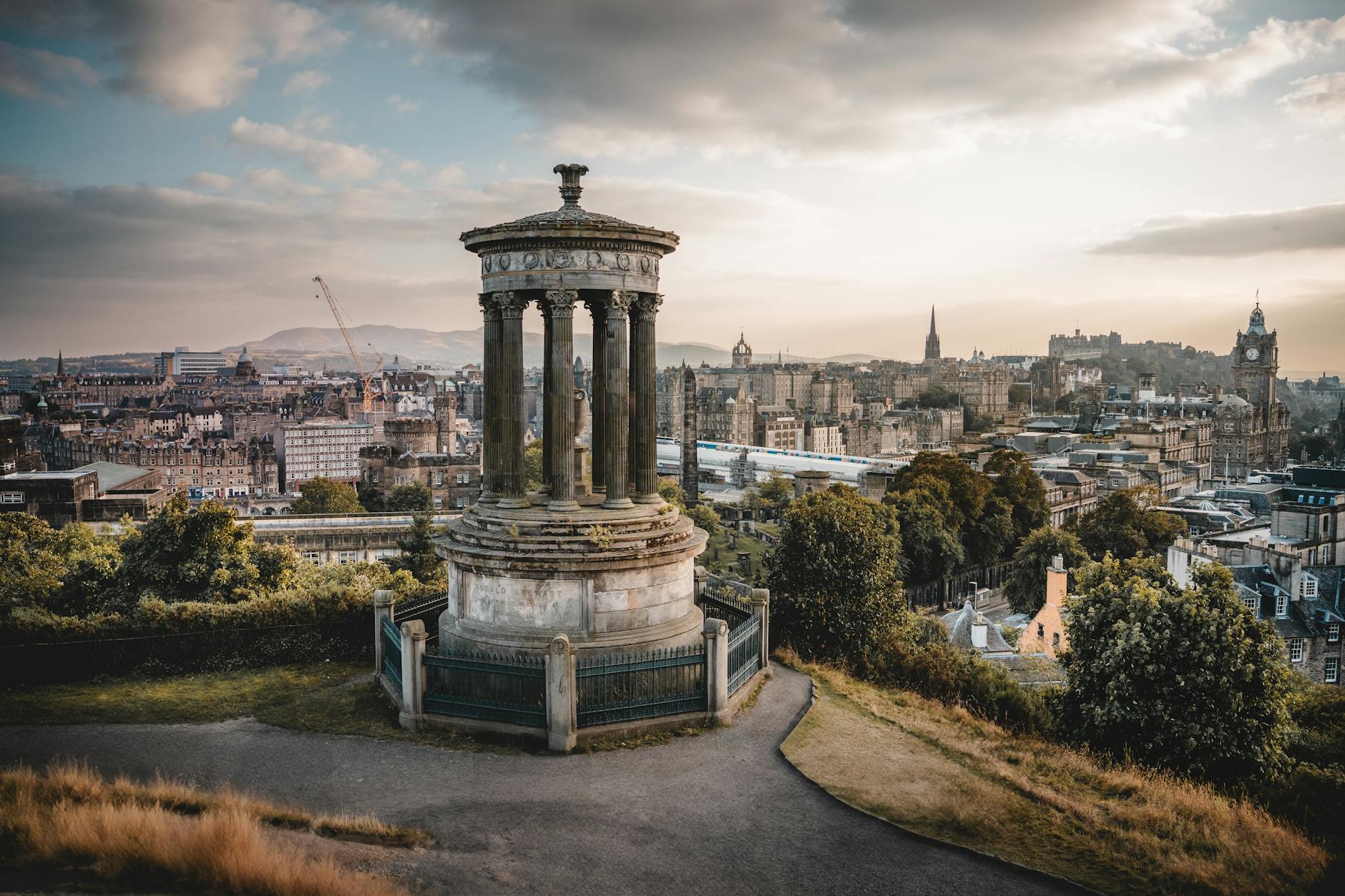
Calton Hill is one of Edinburgh’s most rewarding viewpoints and one of the easiest to reach — a short, gentle climb from the east end of Princes Street leads to a hilltop dotted with neoclassical monuments. The unfinished National Monument (modelled on the Parthenon and sometimes called “Edinburgh’s Disgrace”) is endlessly photogenic, while the Nelson Monument offers 360-degree views from its viewing platform for £7.50 (£6.50 for concessions and children aged 5-15; under-5s can’t go up the tower). At sunset, the panorama across Edinburgh’s skyline — from the castle to Arthur’s Seat to the Firth of Forth — is world-class.
Practical details: The hill itself is free to visit. It’s a short climb from Waterloo Place, and from St Giles’ Cathedral the walk to the Nelson Monument at the top takes about 14 minutes. This is one of Edinburgh’s finest photography locations, especially at sunrise and sunset.
The Royal Mile & Edinburgh’s Old Town
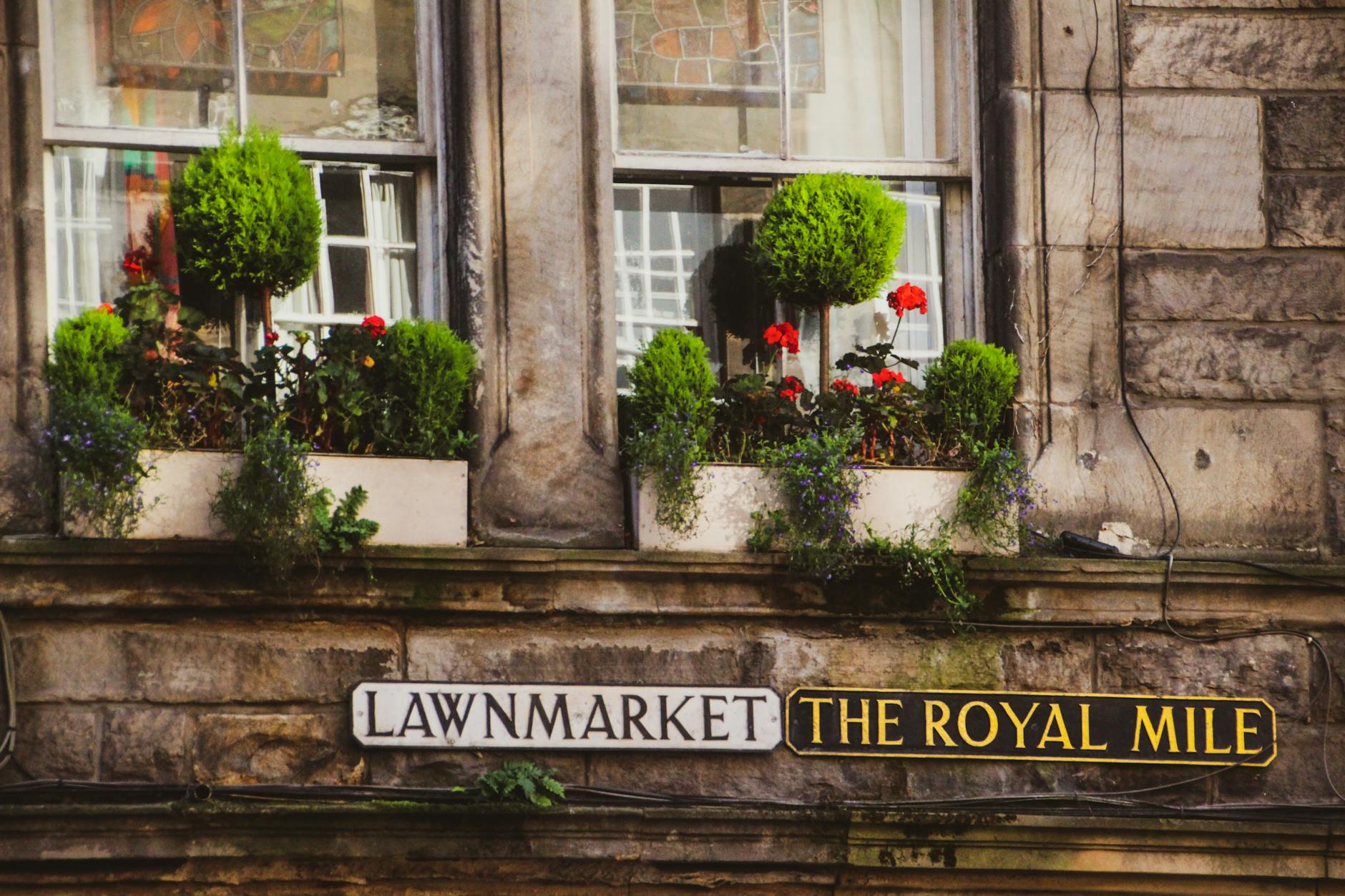
The Royal Mile is the beating heart of Edinburgh’s Old Town — a one-mile stretch of ancient streets running downhill from Edinburgh Castle to the Palace of Holyroodhouse. But the magic of this part of the city lies not on the main thoroughfare itself, but in the labyrinth of narrow closes (alleyways), wynds (lanes), and hidden courtyards that branch off from it in every direction. Exploring these passageways is one of the most atmospheric experiences Edinburgh has to offer.
Hidden Closes & Wynds
Edinburgh’s closes are narrow alleyways that wind between the tall tenement buildings of the Old Town. In the medieval period, Edinburgh was one of the most densely populated cities in Europe, and these closes served as the arteries of daily life. Today many are hidden in plain sight — easy to walk past unless you know where to look. Some of the most atmospheric include Advocate’s Close (stunning views of the New Town), Riddle’s Court (a beautifully restored 16th-century courtyard), and Bakehouse Close (which Outlander fans will recognise as the location of A. Malcolm’s print shop). Walking tours are an excellent way to discover these hidden passageways, but you can also simply duck into any close you see and explore on your own.
Grassmarket
Just below the castle, the Grassmarket is a lively historic square surrounded by colourful independent shops, traditional pubs, and restaurants. For centuries this was Edinburgh’s main marketplace — and its public execution ground. Today the atmosphere is considerably more cheerful, with bustling weekend markets, excellent restaurants, and some of Edinburgh’s most characterful pubs. The view of the castle from the Grassmarket, looming dramatically overhead, is one of the city’s most iconic vistas.
Victoria Street & Greyfriars Kirkyard
The curving, colourful facades of Victoria Street are among the most photographed scenes in Edinburgh — and are widely believed to have been J.K. Rowling’s inspiration for Diagon Alley in the Harry Potter books. The street is lined with independent boutiques, vintage shops, and quirky specialist stores that reward browsing.
Nearby, Greyfriars Kirkyard is one of Edinburgh’s most atmospheric spaces — a historic burial ground dating to 1562 where you’ll find the graves that reputedly inspired character names in the Harry Potter series (including Thomas Riddell and William McGonagall). The kirkyard is also the resting place of Greyfriars Bobby, the Skye Terrier who famously guarded his master’s grave for 14 years. A small bronze statue of Bobby sits at the entrance on Candlemaker Row.
Real Mary King’s Close
Beneath Edinburgh’s Royal Mile lies a network of hidden streets that were sealed off and built over centuries ago. Real Mary King’s Close lets you explore these remarkably preserved 17th-century underground streets, complete with original rooms and buildings. Guided tours lasting about an hour bring the close’s fascinating and often harrowing history vividly to life — from the everyday lives of its residents to the devastating plague outbreaks that swept through the city.
Practical details: Standard tickets for the hour-long Signature Guided Tour start from £28.50 for adults (child from £21.00), and the cheaper Essential ticket from £25.00. Tours run throughout the day but often sell out, so book well in advance, especially in summer. If you’re bringing young children, check the age guidance on the Real Mary King’s Close tickets page first. Specialised themed tours are also available, including LGBTQIA+ history tours and medical history tours.
World-Class Museums & Galleries (Most Are Free)
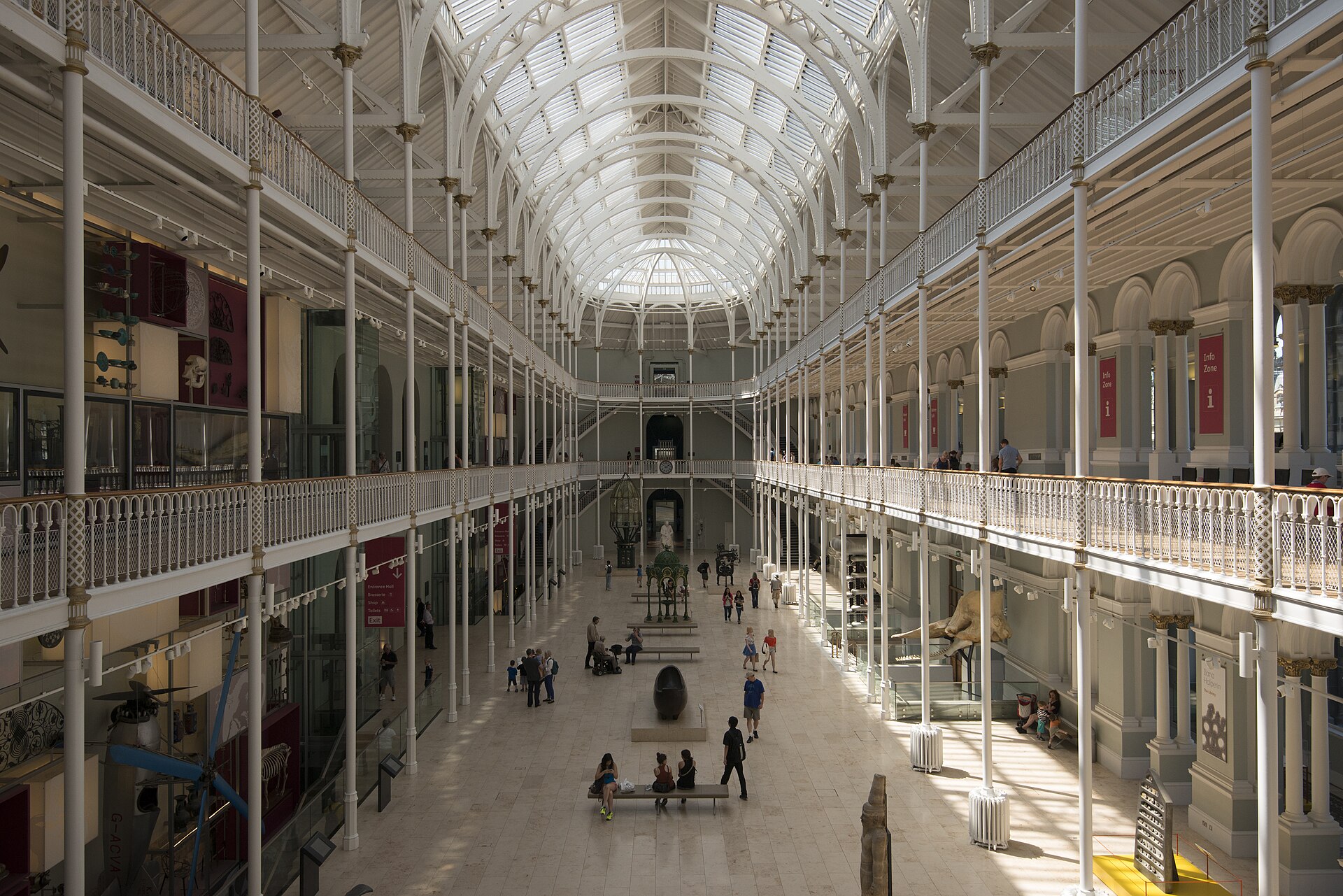
One of Edinburgh’s greatest strengths is its extraordinary collection of museums and galleries — and the fact that most of them are completely free. Edinburgh offers more free museum experiences than almost any other city of its size, making it an exceptional destination for culture lovers on any budget.
National Museum of Scotland
The National Museum of Scotland is one of the finest museums in Britain and could easily occupy an entire day. Its collections span Scottish history, world cultures, science and technology, the natural world, and art and design, all housed in a stunning building that blends a Victorian-era hall with a dramatic modern extension. Highlights include Dolly the Sheep (the first cloned mammal), a spectacular collection of Scottish royal artefacts, and the rooftop terrace with panoramic views across the city.
Practical details: Free admission to permanent collections. Open daily 10am–5pm. Plan to spend at least 2–3 hours, ideally half a day. Special exhibitions may carry a separate charge.
Scottish National Gallery
Situated in an elegant neoclassical building on The Mound, just off Princes Street, the Scottish National Gallery houses Scotland’s premier collection of fine art. The permanent collection includes masterpieces by Raphael, Titian, Vermeer, Monet, and Van Gogh alongside an outstanding collection of Scottish art.
Practical details: Free admission to permanent collections. Open daily 10am–5pm. Allow 1–2 hours for a focused visit.
More Free Museums Worth Visiting
Edinburgh’s free museum offerings extend far beyond the big two. The Scottish National Gallery of Modern Art (Modern One and Modern Two) houses an outstanding collection of 20th and 21st-century art with beautiful sculpture gardens. The Museum of Edinburgh, housed in a magnificent 16th-century mansion on the Royal Mile, tells the story of the city from its earliest origins. The Writers’ Museum, tucked away in Lady Stair’s Close, celebrates Edinburgh’s literary heritage with exhibits on Robert Burns, Sir Walter Scott, and Robert Louis Stevenson. The Surgeons’ Hall Museum (£10 admission) offers a fascinating and occasionally unsettling look at Edinburgh’s medical history.
Outdoor Adventures & Green Spaces
Edinburgh is unusual among major European cities in having genuinely wild landscape within its boundaries. An extinct volcano, expansive parks, a two-mile sandy beach, and a riverside walkway threading through a hidden village all await within the city limits.
Arthur’s Seat
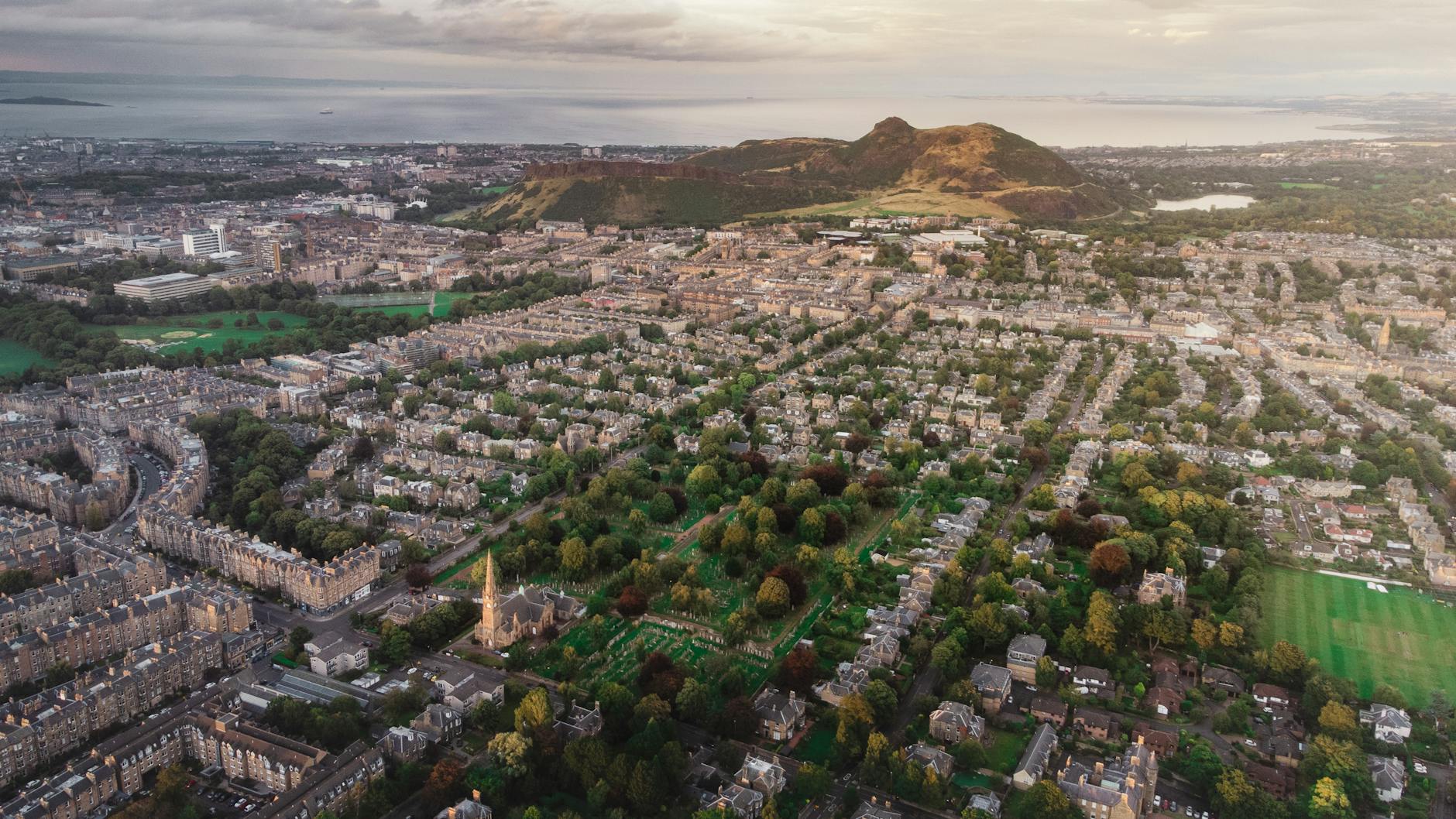
Rising to 251 metres above sea level, Arthur’s Seat is the main peak of an extinct volcanic system that erupted around 340 million years ago. It sits within Holyrood Park, a vast 650-acre royal park at the foot of the Royal Mile, and climbing it is one of the most rewarding experiences Edinburgh has to offer. The summit rewards you with a breathtaking 360-degree panorama that stretches from the Pentland Hills to the Firth of Forth and beyond.
Practical details: The hill is free to visit. Multiple routes are available — the most popular approach from Holyrood Palace takes 1–2 hours for the round trip. Wear sturdy shoes, as the final approach to the summit involves some rocky scrambling that can be slippery when wet. The gentler route via Dunsapie Loch is easier and offers equally beautiful views along the way.
Princes Street Gardens
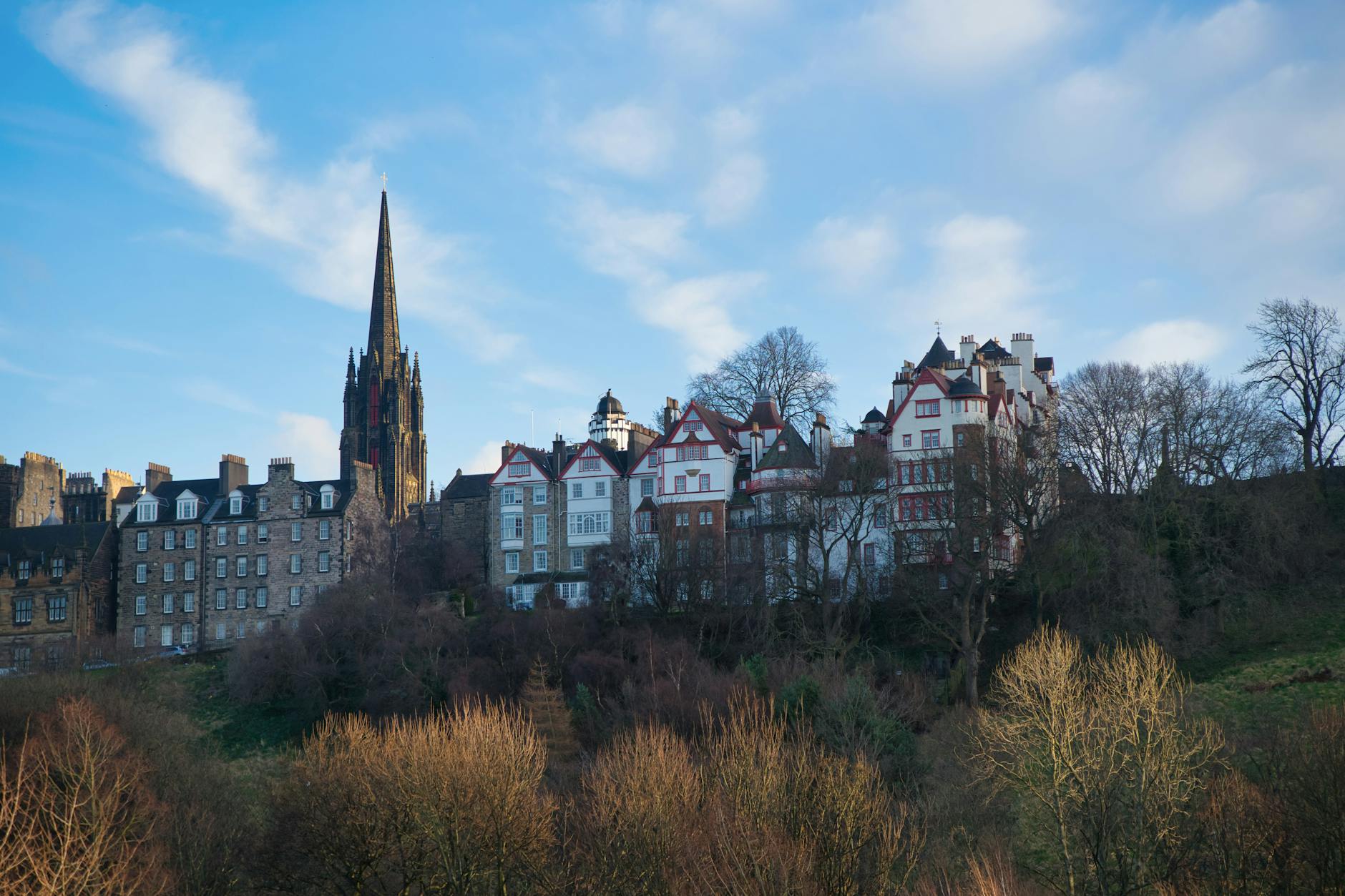
These beautiful formal gardens occupy the valley between Edinburgh’s Old Town and New Town, filling the space where the Nor Loch once stood. In summer, the gardens are a perfect spot for a picnic with spectacular views of the castle looming above. In winter, Edinburgh’s Christmas markets and fairground rides fill the eastern gardens with festive energy. The gardens are also home to the Ross Fountain, the Floral Clock, and several important memorials.
Practical details: Free and open daily, with the gates closing at dusk; the City of Edinburgh Council’s parks pages give the current times.
Dean Village & the Water of Leith Walkway
Just a 15-minute walk from Princes Street, Dean Village is one of Edinburgh’s most enchanting hidden corners — a picturesque former milling village nestled in the steep valley of the Water of Leith. The cobbled lanes, old mill buildings, and the graceful sweep of Thomas Telford’s Dean Bridge overhead create an atmosphere that feels worlds away from the busy city above. The Water of Leith Walkway passes through the village and extends for 19.6 kilometres from Balerno to Leith, offering peaceful riverside walking through the heart of the city.
Royal Botanic Garden Edinburgh
Covering 70 acres just north of the city centre, the Royal Botanic Garden is one of the world’s leading botanical gardens and a haven of calm amid the urban bustle. The outdoor gardens are magnificent in every season, with a stunning rock garden, an arboretum, and beautifully landscaped borders. The glasshouses shelter an extraordinary collection of tropical and temperate plants from around the world.
Practical details: Free admission to the gardens. Open daily from 10am, closing at 5pm from February to October, 4pm in November and January, and 3:30pm in December; closed on 25 December and 1 January. The garden may close in extreme weather conditions.
Portobello Beach
Edinburgh’s seaside — yes, Edinburgh has a beach. Portobello is a charming Victorian seaside suburb about two miles east of the city centre, with a long sandy beach, a lively promenade, independent cafes, and a friendly local atmosphere. On warm days (and plenty of not-so-warm days), locals flock here for swimming, kayaking, beach volleyball, and long promenade walks. The high street behind the beach is lined with independent shops and excellent coffee spots.
Practical details: Free access. Easily reached by Lothian Bus from the city centre (about 25 minutes). Brunstane train station is a short walk or bus ride from the beach.
Walking Tours, Ghost Tours & Underground Edinburgh
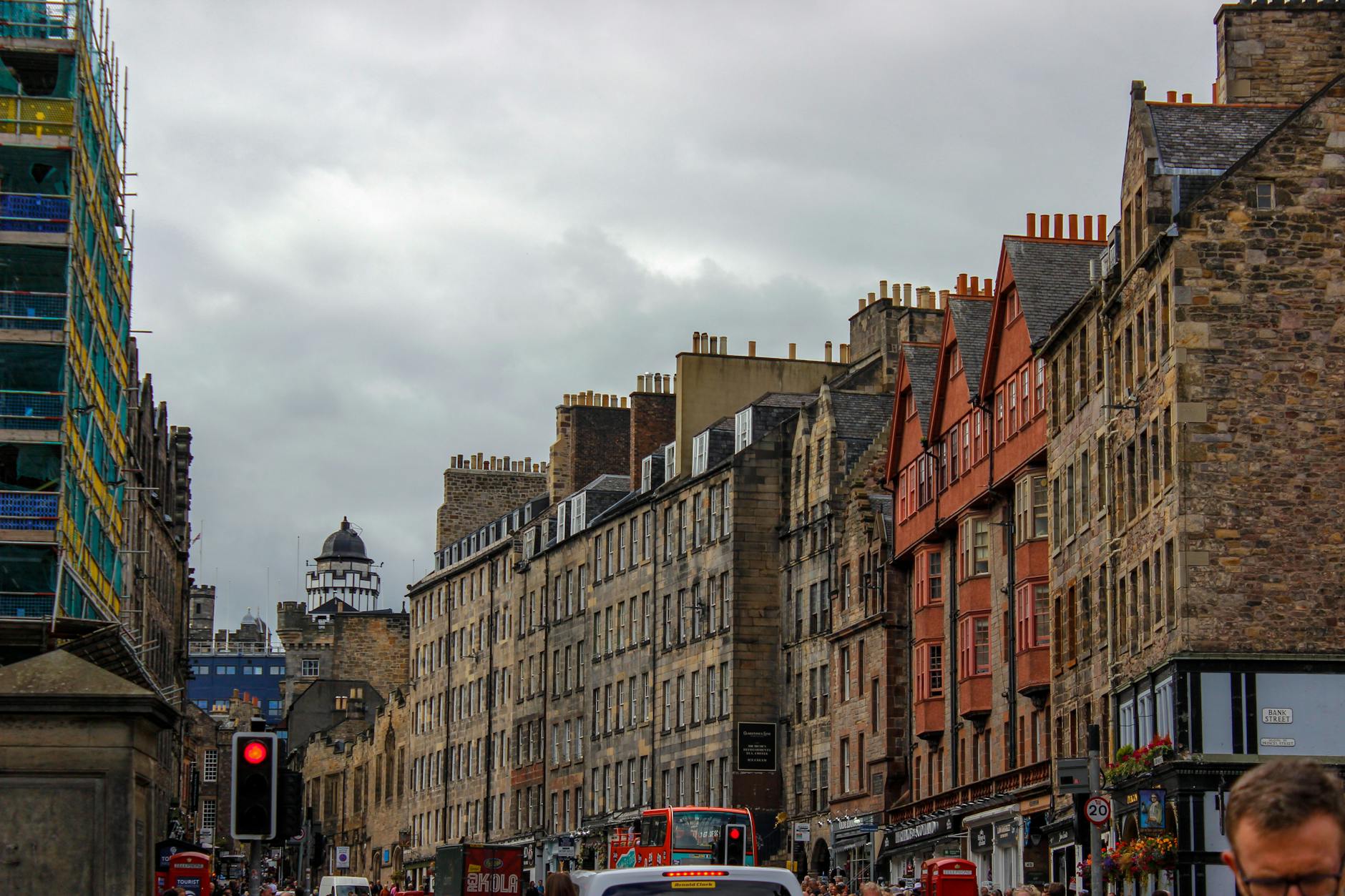
Edinburgh is one of the world’s great walking cities, and its layered history — from medieval plagues to body snatchers, from secret underground streets to haunted graveyards — makes it an unparalleled destination for guided tours. Whether you prefer history, horror, or a mixture of both, there’s a tour that will reveal a side of Edinburgh you’d never find on your own.
Ghost Tours
Edinburgh has a strong claim to being the most haunted city in Europe, and its ghost tours are legendary. Several excellent companies operate nightly tours that weave through the Old Town’s darkest closes and most atmospheric graveyards. The City of the Dead tour through Greyfriars Kirkyard is widely considered one of the scariest ghost tours in the world, while Mercat Tours offers exclusive access to the Blair Street Underground Vaults — sealed 18th-century chambers beneath the South Bridge that no other company can enter. Prices vary by company and tour, so check before you book.
Edinburgh Underground Vaults
Beneath the South Bridge lies a labyrinth of vaulted chambers that were sealed for nearly 200 years. Built in the 1780s, these underground rooms were originally used as workshops, taverns, and storage spaces, but as the bridge settled and the rooms began to leak, they were abandoned and eventually became the domain of Edinburgh’s poorest residents and most notorious criminals. Today the vaults are one of Edinburgh’s most atmospheric attractions, accessible only via guided tour. Mercat Tours holds exclusive access to the Blair Street Vaults, while other operators run tours of the nearby South Bridge Vaults.
Free Walking Tours
Several companies offer excellent free walking tours of Edinburgh on a pay-what-you-wish basis. These are an outstanding way to get oriented on your first day in the city. SANDEMANs’ tip-based Free Tour of Edinburgh starts on the High Street and takes about 2.5 hours, with a morning departure in English and, most days, a second one in the afternoon. City Explorers Tours and Bobby’s Tours also run tip-based Old Town tours; check their own sites for times and length. Tours are also available in multiple languages. While the tours are technically free, guides work on tips — a contribution of £10–15 per person is customary for a good experience.
Arthur’s Seat & Dean Village Self-Guided Walks
Beyond guided tours, Edinburgh offers outstanding self-guided walking opportunities. The climb up Arthur’s Seat (described above) is unmissable. The walk along the Water of Leith through Dean Village to Stockbridge makes for a peaceful afternoon. And a self-guided walk along the full length of the Royal Mile — from the castle esplanade to the gates of Holyroodhouse — takes about 20–25 minutes downhill without stops, but allow at least two hours to explore the closes, pop into shops, and soak in the atmosphere.
Unique Edinburgh Experiences
Beyond the historic landmarks and museums, Edinburgh offers several truly one-of-a-kind attractions that you won’t find anywhere else.
Camera Obscura & World of Illusions
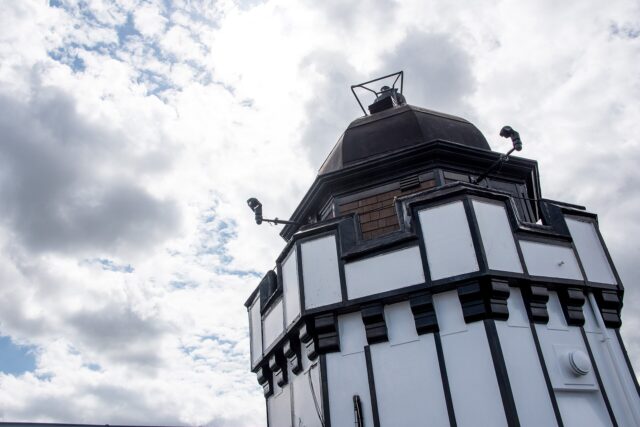
Edinburgh’s oldest purpose-built visitor attraction (operating since 1853) combines a genuine Victorian camera obscura — a live, moving panorama of the city projected onto a viewing table using nothing but mirrors and lenses — with five floors of interactive optical illusions, holograms, and visual tricks. The rooftop terrace offers some of the best 360-degree views in Edinburgh. This is an outstanding attraction for visitors of all ages, but especially families.
Practical details: Adult tickets £24.95; on selected dates, mostly in school holidays, early-bird slots from 8am to 8:45am save £4 online. Hours change through the year: roughly 9am to 8pm, stretching to 8am–10pm only in peak school holidays, so check the Camera Obscura tickets page for your date. It sells out frequently, especially on weekends and holidays. Book online for guaranteed entry.
Scotch Whisky Experience

Located at the top of the Royal Mile, the five-star Scotch Whisky Experience is the perfect introduction to Scotland’s national drink. The experience includes a barrel ride through the whisky-making process, expert-led tastings, and access to one of the world’s largest collections of Scotch whisky — over 3,000 bottles. The Silver Tour (£25, 50 minutes with one whisky) is a solid choice for most visitors, while the Gold Tour (£39.75, 75 minutes, ending with a tasting tray of four regional single malts) is worth the upgrade for whisky enthusiasts.
Johnnie Walker Princes Street
Opened in a transformed former department store on Princes Street, the Johnnie Walker Experience is part immersive theatre, part personalised whisky journey. After a flavour quiz that determines your taste profile, you’re led through interactive rooms with projections, live performances, and three personalised cocktails (non-alcoholic options are available). The rooftop 1820 Bar offers spectacular views across Edinburgh with creative cocktails. The Signature Experience costs £30 and lasts approximately 90 minutes.
Edinburgh Zoo
Home to over 2,500 animals, Edinburgh Zoo is one of Scotland’s most popular visitor attractions. The zoo is set on a hillside on the western edge of the city and is particularly well-known for its conservation work. Highlights include the penguin enclosure and the extensive primate collection; the giant pandas returned to China in December 2023.
Practical details: Adult tickets £30 online including a voluntary 10% donation (£27.25 without), and £32.50 on the day. Open daily 10am–4/5/6pm depending on season. Book online for savings. Allow 3–4 hours for a thorough visit.
Dynamic Earth
This interactive science centre near Holyroodhouse takes visitors on a journey through the history of the planet, from the Big Bang to the present day. Immersive exhibits include simulated earthquakes, an ice-age experience, a tropical rainforest, and a state-of-the-art planetarium. Dynamic Earth is one of Edinburgh’s best rainy-day options and is particularly well-suited to families with children, though visitors of all ages will find plenty to engage with.
Practical details: Dynamic Earth operates on an annual pass system (day tickets are not available). The longest days are from late June to 11 August, open daily 10am–6pm; outside school holidays it opens Wednesday to Friday 10am–3pm and weekends 10am–5pm, and is usually closed on Mondays and Tuesdays. Under 4s are free.
Food, Drink & Scottish Cuisine
Edinburgh’s food scene has evolved dramatically in recent years. From traditional Scottish fare to world-class fine dining, street food markets to historic whisky bars, eating and drinking is one of the great pleasures of visiting Edinburgh.
Traditional Scottish Food You Must Try
No visit to Edinburgh is complete without sampling some traditional Scottish cuisine. Haggis, neeps and tatties (haggis with turnip and potato) is the national dish and far more delicious than its reputation might suggest — try it at Howies, which has been serving excellent Scottish food since 1990, or at The Piper’s Rest for the added atmosphere of live traditional music. Other Scottish specialties worth seeking out include Cullen skink (a rich smoked haddock soup), Scotch broth, Aberdeen Angus beef, smoked Scottish salmon, cranachan (a dessert of cream, whisky, oats, and raspberries), and the full Scottish breakfast — a hearty way to fuel a day of sightseeing.
Edinburgh’s Best Food Markets
Edinburgh’s food markets are excellent places to experience local produce and street food. The Edinburgh Farmers’ Market takes place every Saturday morning (9am–2pm) on Castle Terrace, in the shadow of the castle itself, with stalls selling locally sourced meat, cheese, bread, and seasonal produce. Stockbridge Market (Sundays 10am–4pm) is a beloved neighbourhood gathering with artisan bakers, street food vendors, and craft stalls. The Pitt, a street food market in Granton, brings together award-winning food traders with craft beer, live music, and vintage shopping.
Whisky Bars & Tasting Rooms
Edinburgh is the natural place to explore Scotch whisky, and the city offers everything from atmospheric candlelit whisky bars to sophisticated tasting experiences. Beyond the dedicated whisky experiences mentioned above, seek out The Scotch Malt Whisky Society on Queen Street (Scotland’s most exclusive whisky club, with a bar open to visitors), The Bow Bar on Victoria Street (one of Edinburgh’s most celebrated traditional pubs with an exceptional whisky selection), and Usquabae on Hope Street for a refined whisky and cocktail experience.
Things to Do in Edinburgh at Night
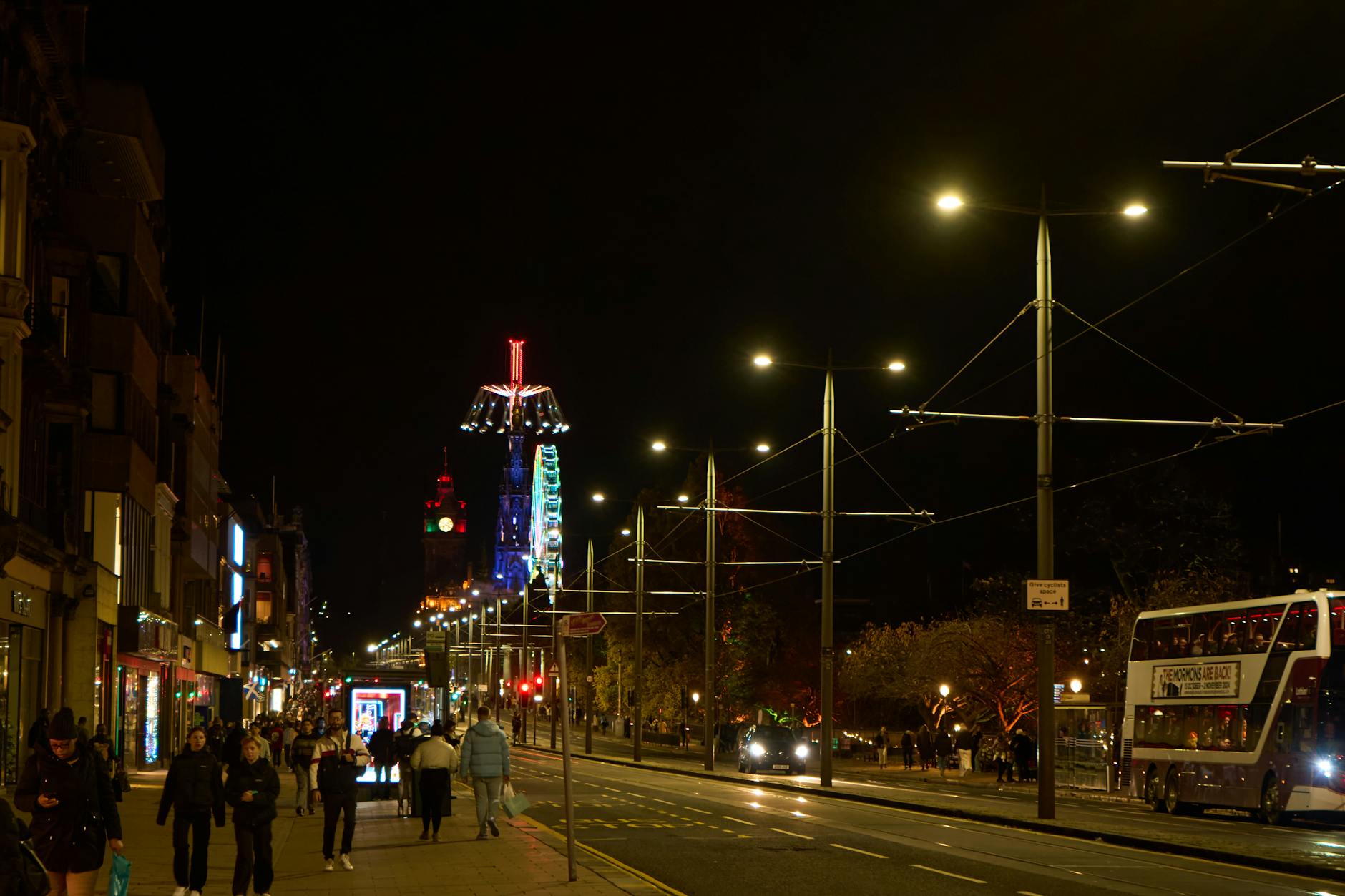
Edinburgh takes on an entirely different character after dark. The castle is dramatically floodlit, the Old Town’s closes become atmospheric corridors of shadow and lamplight, and the city’s pubs, restaurants, and entertainment venues come alive.
Live Music & Performing Arts
Edinburgh’s live music scene is rich and varied. The Usher Hall on Lothian Road is the city’s premier concert venue, hosting everything from classical orchestras to international rock acts in a beautiful 2,200-seat Edwardian hall. For something more intimate, Sandy Bell’s on Forrest Road is legendary for its live traditional folk music sessions. The Assembly Rooms on George Street, a Georgian masterpiece dating to 1787, hosts concerts, comedy, and theatrical performances year-round. Edinburgh Playhouse, Scotland’s largest theatre at over 3,000 seats (and the UK’s second largest, after the Hammersmith Apollo), hosts major touring musicals and concerts.
Traditional Pubs
Edinburgh’s traditional pubs are institutions in their own right. The Sheep Heid Inn in Duddingston claims to be Scotland’s oldest surviving pub (dating to 1360) and has a charming skittle alley. The Oxford Bar on Young Street was the favourite haunt of Ian Rankin’s fictional detective Inspector Rebus and retains an authentically unpretentious atmosphere. Deacon Brodie’s Tavern on the Royal Mile is named after the real-life respectable Edinburgh citizen who led a double life as a burglar — the story that inspired Robert Louis Stevenson’s Dr Jekyll and Mr Hyde.
Ghost Tours After Dark
Edinburgh’s ghost tours are best experienced after dark, when the Old Town’s narrow closes and ancient graveyards take on their most atmospheric character. Start times vary from one company to the next, so check them when you book. In peak season it pays to book ahead for the best-known tours, including the City of the Dead Greyfriars tour and the Mercat Underground Vaults tour.
Edinburgh’s Literary & Pop Culture Connections
Edinburgh is the world’s first UNESCO City of Literature, and the city’s literary connections run deep — from the birthplace of Sherlock Holmes’s creator Arthur Conan Doyle to the cafes where J.K. Rowling wrote Harry Potter, and the locations that inspired the Outlander television series.
Harry Potter Edinburgh
J.K. Rowling moved to Edinburgh in 1993 and wrote much of the Harry Potter series in the city’s cafes. The Elephant House on George IV Bridge (which reopened in December 2025 after a fire in 2021) famously bills itself as the birthplace of Harry Potter. Greyfriars Kirkyard contains graves bearing the names that inspired characters — Tom Riddell (Voldemort’s real name), William McGonagall (Professor McGonagall), and others. George Heriot’s School, a 1620s school visible from the kirkyard, has a Hogwarts-like appearance complete with four houses and turrets. Victoria Street is widely believed to have inspired Diagon Alley, and the Balmoral Hotel’s Suite 552 (now renamed the J.K. Rowling Suite) is where she completed the final Harry Potter novel.
Outlander Locations
Edinburgh features prominently in the Outlander television series and Diana Gabaldon’s novels. Key locations include Bakehouse Close on the Royal Mile (Jamie Fraser’s print shop), Tweeddale Court, the Signet Library, and Summerhall. Just outside Edinburgh, Craigmillar Castle doubles as Ardsmuir Prison, while Midhope Castle (about 30 minutes’ drive) serves as the exterior of Lallybroch. Guided Outlander tours depart daily from Edinburgh’s city centre and visit multiple filming locations.
Edinburgh Festivals & Seasonal Events
Edinburgh is known as the Festival City, and with good reason — the city hosts more than a dozen major festivals throughout the year, transforming the cultural landscape with every season. The most famous is the Edinburgh Festival Fringe (August), the world’s largest arts festival, which fills the city with over 3,000 shows across hundreds of venues. The Edinburgh International Festival runs concurrently, featuring world-class theatre, opera, dance, and orchestral performances. The Royal Edinburgh Military Tattoo stages its spectacular show on the castle esplanade every August evening.
Beyond August, Edinburgh’s Hogmanay (New Year’s Eve) celebrations are world-famous, featuring a torchlight procession, a massive street party, and a fireworks display above the castle. The Edinburgh Christmas markets and winter festivals (late November through early January) fill Princes Street Gardens with festive stalls and fairground rides. The Edinburgh Science Festival (April), Jazz Festival (July), and Book Festival (August) round out an exceptionally rich cultural calendar.
Practical Tips for Visiting Edinburgh
Getting Around
Edinburgh is one of the most walkable cities in Europe. The city centre is compact enough that you can cover much of it on foot. For longer journeys, Lothian Buses operates an excellent network with frequent services throughout the city. A City DAY ticket costs £6.00 and gives unlimited travel for the day on Lothian Buses day services and city-zone trams (though not on Airlink or special services) — and tapping a contactless card caps you at £5.70, which is better value still. The Edinburgh Tram runs from the airport to the city centre (about 35 minutes, £7.90 single) and on to Newhaven. Taxis are readily available, though Edinburgh’s hilly terrain means fares can add up for frequent use. Bus and tram fares checked October 2026.
Best Time to Visit
Edinburgh is a year-round destination, but timing your visit can significantly affect your experience. May through September offers the best weather and longest daylight hours, with August being the most exciting (and most crowded and expensive) month due to the festivals. The shoulder seasons of April–May and September–October offer a sweet spot of pleasant weather, smaller crowds, and lower accommodation prices. Winter (November through March) brings short days and cold temperatures, but also Edinburgh’s magical Christmas markets, Hogmanay celebrations, and the lowest hotel rates of the year.
Money-Saving Tips
Edinburgh can be surprisingly affordable thanks to its wealth of free attractions. All national museums and galleries offer free admission. Climbing Arthur’s Seat, Calton Hill, and exploring the Royal Mile costs nothing. The Royal Botanic Garden is free. Free walking tours offer excellent introductions to the city. A day of unlimited bus and city-zone tram travel costs £6.00 as a City DAY ticket, or £5.70 if you simply tap a contactless card. Many restaurants offer excellent pre-theatre and lunch menus at significantly reduced prices compared to dinner service. If you’re visiting multiple paid attractions, check whether a Royal Edinburgh Ticket or similar pass offers savings.
Explore Edinburgh’s Attractions in Depth
This pillar guide is the overview. Each of the guides below goes far deeper on one way of experiencing the city — pick the ones that match your trip.
- free things to do in Edinburgh — More than 40 genuinely free attractions, museums, viewpoints and walks, with no upsell.
- unusual things to do in Edinburgh — The oddities most visitors miss — anatomical museums, hidden vaults and surreal corners of the Old Town.
- indoor activities in Edinburgh — A rainy-day plan that doesn’t feel like a compromise, sorted by neighbourhood.
- outdoor activities in Edinburgh — Hills, beaches, gardens and coastal paths, all reachable without a car.
- romantic things to do in Edinburgh — Where to go for the view, the dinner and the walk home, timed for the light.
- things to do in Edinburgh at night — Ghost walks, late museums, live music and where the city actually stays open.
- the best views in Edinburgh — Every major viewpoint ranked by effort, crowds and time of day.
- first-time visitor’s guide to Edinburgh — What to prioritise, what to skip and the mistakes first-timers reliably make.
Related Edinburgh guides: Edinburgh Castle guide, Edinburgh itineraries, best time to visit Edinburgh, getting around Edinburgh.
Frequently Asked Questions
How many days do you need in Edinburgh?
Most visitors find that three to four days is ideal for experiencing Edinburgh’s highlights at a comfortable pace. One day allows you to see the main landmarks (Edinburgh Castle, the Royal Mile, a museum or two), two days lets you dig deeper into the Old Town and New Town, and three or more days gives you time for day trips, walking tours, and exploring beyond the tourist trail. If you’re visiting during the August festivals, allow at least four or five days to fully immerse yourself in the cultural programme.
Is Edinburgh walkable?
Extremely so. Edinburgh’s city centre is compact and most major attractions are within walking distance of each other. However, be prepared for hills — the Old Town in particular involves steep climbs and cobblestoned streets. Comfortable, sturdy shoes are essential. The walk from Edinburgh Castle to Holyroodhouse along the Royal Mile is about one mile and mostly downhill.
What are the best free things to do in Edinburgh?
Edinburgh offers an exceptional range of free activities: the National Museum of Scotland, Scottish National Gallery, Scottish National Gallery of Modern Art, climbing Arthur’s Seat and Calton Hill, exploring the Royal Mile and its hidden closes, the Royal Botanic Garden, Princes Street Gardens, Greyfriars Kirkyard, Dean Village, Portobello Beach, and free walking tours. You could easily fill three or four days with free activities alone.
What should I not miss in Edinburgh?
The absolute must-do experiences are: Edinburgh Castle (book online in advance), walking the Royal Mile and exploring its hidden closes, climbing Arthur’s Seat or Calton Hill for panoramic views, visiting the National Museum of Scotland (free), and joining at least one walking tour — either a free daytime tour or an evening ghost tour. Beyond these, your priorities will depend on your interests, but Greyfriars Kirkyard, the Scottish National Gallery, and the Grassmarket area all consistently rank among visitors’ highlights.
Is Edinburgh expensive to visit?
Edinburgh can be visited on a wide range of budgets. A budget traveller staying in hostels and taking advantage of free attractions can manage on around £50–60 per day. Mid-range visitors spending on a comfortable hotel, restaurant meals, and a few paid attractions should budget £120–180 per day. Edinburgh becomes significantly more expensive during the August festivals and around Hogmanay, when accommodation prices can double or triple — booking well in advance is essential during these periods.
Photo Credits
The Grand Gallery at the National Museum of Scotland: Edinburgh 13 (9361504170) by Maarten Heerlien, CC BY 2.0, via Wikimedia Commons.