Best Time to Visit Edinburgh: Month-by-Month Guide (2026)
Choosing the best time to visit Edinburgh can make the difference between a magical Scottish holiday and a soggy, overcrowded disappointment. Scotland’s capital offers something extraordinary in every season — from the explosive energy of August’s festival season to the cosy charm of winter’s Christmas markets and Hogmanay celebrations. But weather, crowds, prices, and daylight hours vary dramatically throughout the year, so timing your trip wisely is essential.
This comprehensive month-by-month guide draws on local expertise and up-to-date data to help you decide exactly when to visit Edinburgh based on your priorities — whether that’s perfect weather, budget-friendly prices, cultural events, or avoiding the tourist crowds. We’ll cover Edinburgh’s seasonal weather patterns, accommodation pricing trends, major events, and insider tips so you can plan the ideal trip.
Edinburgh Weather Overview: What to Expect
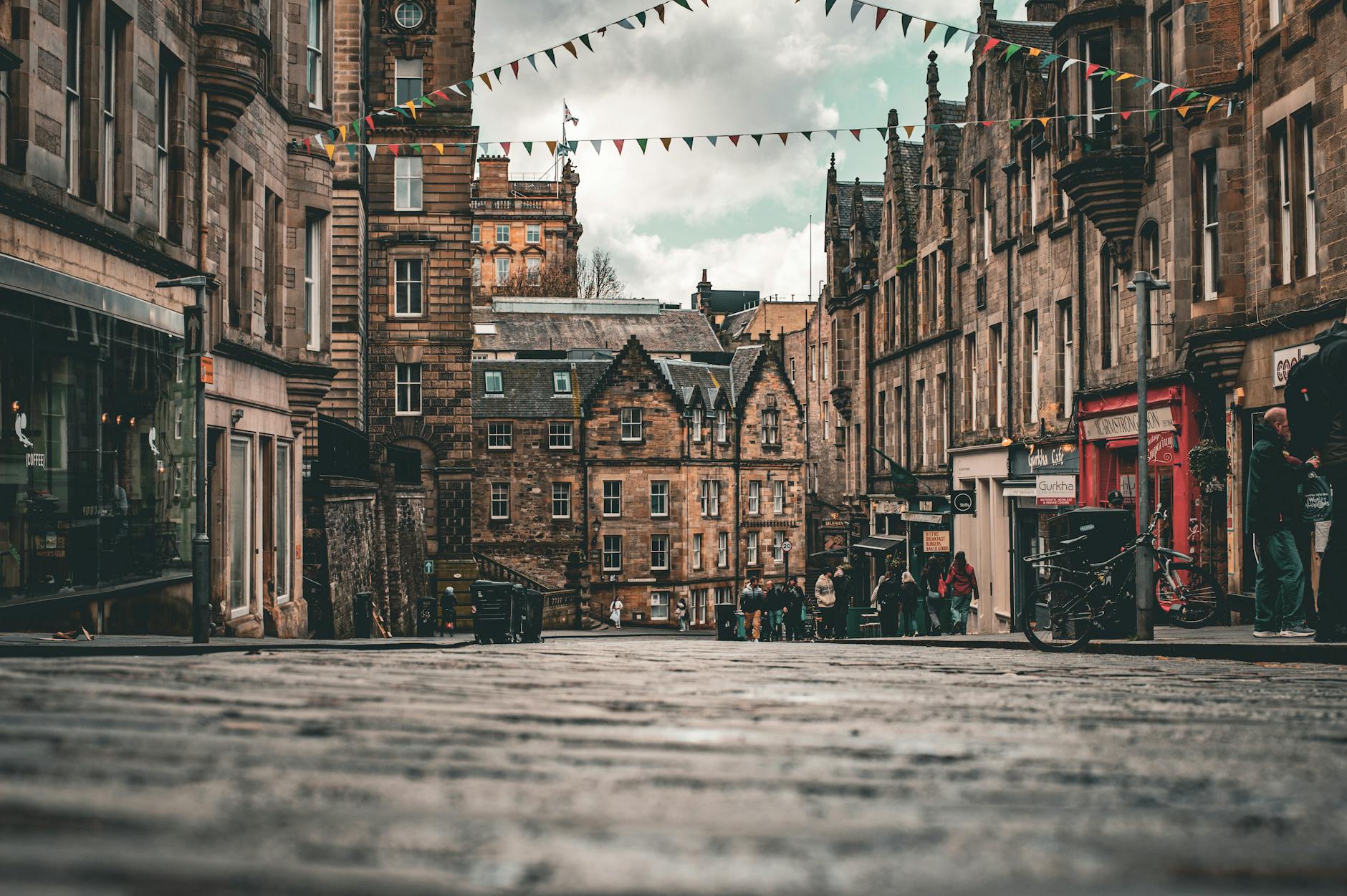
Before diving into the best time to visit Edinburgh month by month, it helps to understand the city’s climate. Edinburgh has a temperate maritime climate, meaning mild summers, cool winters, and rain that can arrive at any time of year. The city receives around 730mm of rainfall annually — far less than Glasgow — though Edinburgh’s frequent drizzle and biting wind off the Firth of Forth can make it feel wetter than the statistics suggest.
Temperatures range from average lows of 1°C in January to highs of around 19°C in July. Snow is relatively rare in the city centre, though Arthur’s Seat and the Pentland Hills may see dustings between December and March. The most striking seasonal variation is daylight: Edinburgh sits at 56°N latitude, giving it just 7 hours of daylight in December but a glorious 17.5 hours in June, with twilight stretching past 11pm.
Edinburgh Monthly Weather at a Glance
| Month | Avg High (°C) | Avg Low (°C) | Rainfall (mm) | Daylight Hours | Crowd Level |
|---|---|---|---|---|---|
| January | 7 | 1 | 57 | 7 | Very Low |
| February | 7 | 1 | 42 | 9 | Very Low |
| March | 9 | 2 | 51 | 11.5 | Low |
| April | 11 | 4 | 41 | 14 | Moderate |
| May | 14 | 6 | 49 | 16 | Moderate |
| June | 17 | 9 | 51 | 17.5 | High |
| July | 19 | 11 | 57 | 17 | High |
| August | 19 | 11 | 65 | 15.5 | Very High |
| September | 16 | 9 | 61 | 13 | Moderate |
| October | 13 | 6 | 68 | 10.5 | Low |
| November | 9 | 3 | 62 | 8.5 | Low |
| December | 7 | 1 | 57 | 7 | Moderate |
Spring in Edinburgh (March – May): The Sweet Spot
Spring is arguably the best time to visit Edinburgh for travellers who want pleasant weather without the summer crowds and inflated prices. As the city shakes off winter, temperatures climb from around 9°C in March to a comfortable 14°C by May, and daylight hours surge from 11.5 to 16 hours — perfect for long days of sightseeing.
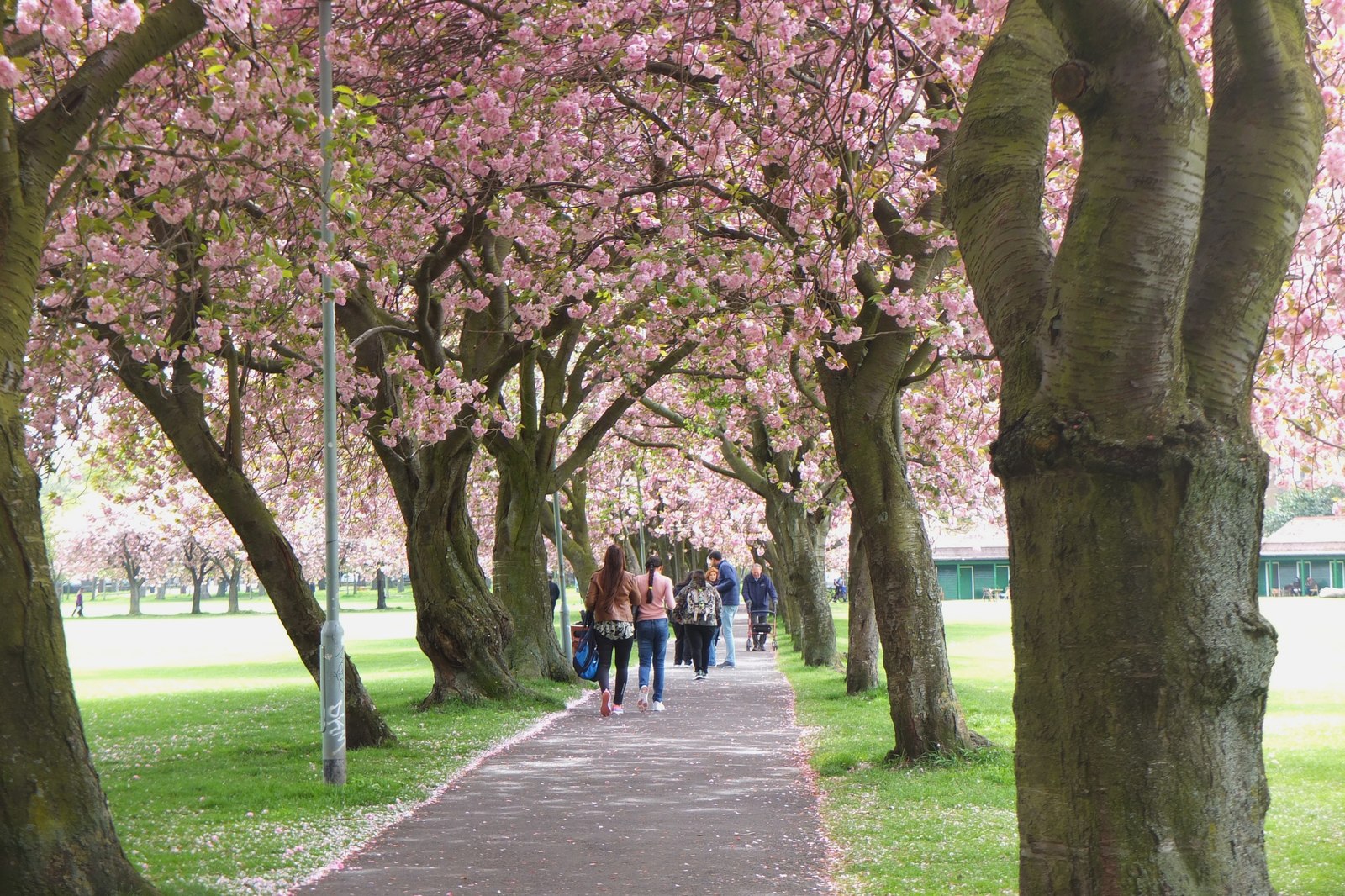
April is statistically Edinburgh’s driest month with just 41mm of rainfall, making it an excellent choice for those hoping to explore on foot. The Meadows burst into colour with cherry blossoms in late April, creating one of the city’s most photographed seasonal displays. By May, you can comfortably spend entire evenings outdoors, with sunset not arriving until after 9pm.
Spring Events and Highlights
Edinburgh’s spring calendar includes the Edinburgh Science Festival (April), one of Europe’s largest celebrations of science and technology with hands-on exhibits perfect for families. The Beltane Fire Festival on Calton Hill on April 30th is a spectacular pagan celebration marking the arrival of summer, with fire dancers and theatrical performances against the backdrop of the city skyline. The Edinburgh International Film Festival often falls in late spring, bringing world premieres and special screenings to cinemas across the city.
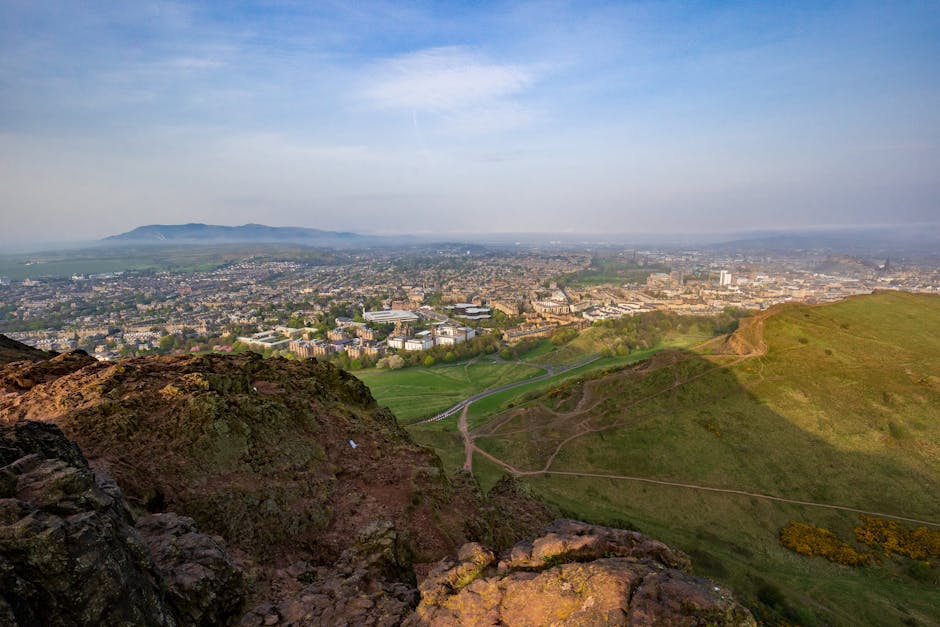
For walkers, spring is the ideal season to tackle Edinburgh’s walking routes including Arthur’s Seat, which is carpeted with bright yellow gorse from April onwards. The Royal Mile and Old Town are significantly less crowded than in summer, meaning shorter queues at Edinburgh Castle and easier restaurant reservations.
Spring Prices and Accommodation
Hotel rates in spring are well below their August peak, which makes spring an excellent choice for those visiting Edinburgh on a budget.
Summer in Edinburgh (June – August): Festival Season
Summer is Edinburgh’s peak tourist season, and for good reason. The weather is at its warmest (averaging 17-19°C), daylight stretches past 10pm, and the city transforms into the world’s largest arts festival venue. If you’re deciding when to visit Edinburgh and cultural experiences are your priority, summer — particularly August — is unbeatable.
June and July offer the longest daylight hours of the year, with the summer solstice around June 21st delivering nearly 18 hours of light. These months are noticeably less crowded than August, making them an excellent compromise between good weather and manageable tourist numbers. Temperatures occasionally reach 25°C or above, though Edinburgh summers rarely feel oppressively hot thanks to the coastal breeze.

August: The Festival Month
August deserves its own section because it fundamentally changes the character of the city. The Edinburgh Festival Fringe, Edinburgh International Festival, Royal Edinburgh Military Tattoo, Edinburgh Art Festival, and Edinburgh International Book Festival all run simultaneously, creating an unparalleled concentration of culture, comedy, theatre, and music. Over 4,000 shows perform daily during peak Fringe, and the city’s population effectively doubles.
The downside? August is Edinburgh’s most expensive month by far. Booking 3-6 months ahead is essential for decent options. Restaurants, especially along the Royal Mile, fill up quickly, and popular Edinburgh Castle tours and the Military Tattoo sell out weeks in advance. August is also one of the wetter months, averaging about 72mm of rain, so pack a waterproof.
Summer Prices and Booking Tips
For summer visits outside August, hotel prices are higher than in winter but below the August peak. If you’re set on an August visit, consider staying outside the city centre in areas like Leith, Stockbridge, or even across the Forth in Fife, where prices are significantly lower and Edinburgh’s excellent transport links make commuting easy. Booking your accommodation 4-6 months ahead for August is strongly recommended.
Autumn in Edinburgh (September – November): Hidden Gem Season
Autumn is increasingly recognised as one of the best times to visit Edinburgh, offering a compelling mix of mild weather, spectacular colours, diminishing crowds, and better value. September in particular is a hidden gem — the festival crowds have departed, temperatures remain pleasant at around 16°C, and the city has a relaxed, almost relieved atmosphere after the intensity of August.
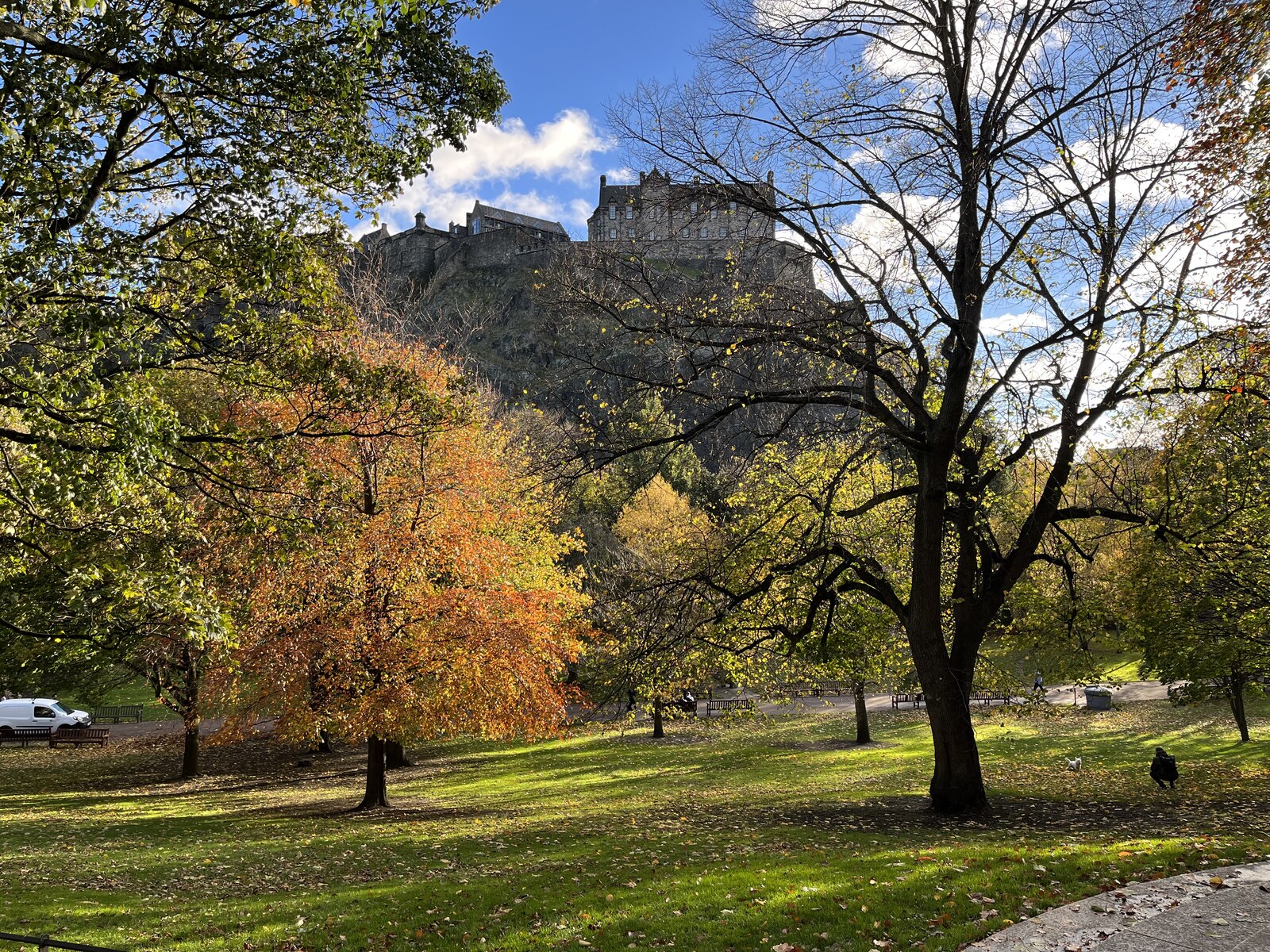
The autumn colours in Edinburgh are genuinely spectacular. Princes Street Gardens, the Royal Botanic Garden, Holyrood Park, and the Water of Leith walkway all put on stunning displays of gold, amber, and russet from late September through October. The slanting autumn light makes for exceptional photography, particularly from viewpoints like Calton Hill and Arthur’s Seat.
Autumn Events
The cultural calendar doesn’t stop after the festivals. The Scottish International Storytelling Festival (October) celebrates Scotland’s rich oral tradition with performances throughout the Old Town. Samhuinn Fire Festival on October 31st on Calton Hill is a dramatic Celtic celebration of the transition from summer to winter. Various food and drink events celebrate Scotland’s larder, including gin festivals, whisky tastings, and the Scottish food scene at its seasonal best.
November marks the start of Edinburgh’s festive season, with Christmas lights switching on mid-month and the Christmas market beginning to take shape in East Princes Street Gardens. This overlap period — late November — offers the unique opportunity to experience early festive atmosphere at off-peak prices.
Autumn Prices
Prices fall back from their August peak once the festivals end, which makes September good value while the weather is still decent. October and November are cheaper again. Flights to Edinburgh also tend to be cheaper in autumn, particularly in October and November before the Christmas travel rush begins.
Winter in Edinburgh (December – February): Festive Magic and Bargain Prices
Winter divides opinion on the best time to visit Edinburgh, but those who embrace the cold and darkness are rewarded with a city at its most atmospheric. Edinburgh was practically made for winter — the castle looms dramatically through the haar (sea fog), the medieval Old Town looks like a film set under frosty skies, and the cosy pub culture comes into its own.
Temperatures hover between 1-7°C from December to February, and daylight is limited to around 7 hours in the depths of December. Rain is moderate (about 53-67mm a month), and while snow in the city centre is infrequent, it does happen — a snow-covered Arthur’s Seat is one of Edinburgh’s most magical sights. The wind chill factor can make it feel considerably colder, so warm layers, a good waterproof jacket, and sturdy footwear are essential.

December: Christmas and Hogmanay
December is winter’s highlight month, with Edinburgh’s Christmas market running from mid-November through early January. East Princes Street Gardens transforms into a winter wonderland with a giant Ferris wheel, ice rink, traditional market stalls selling crafts and mulled wine, and fairground rides. The market is free to enter, though rides and food come at a cost.
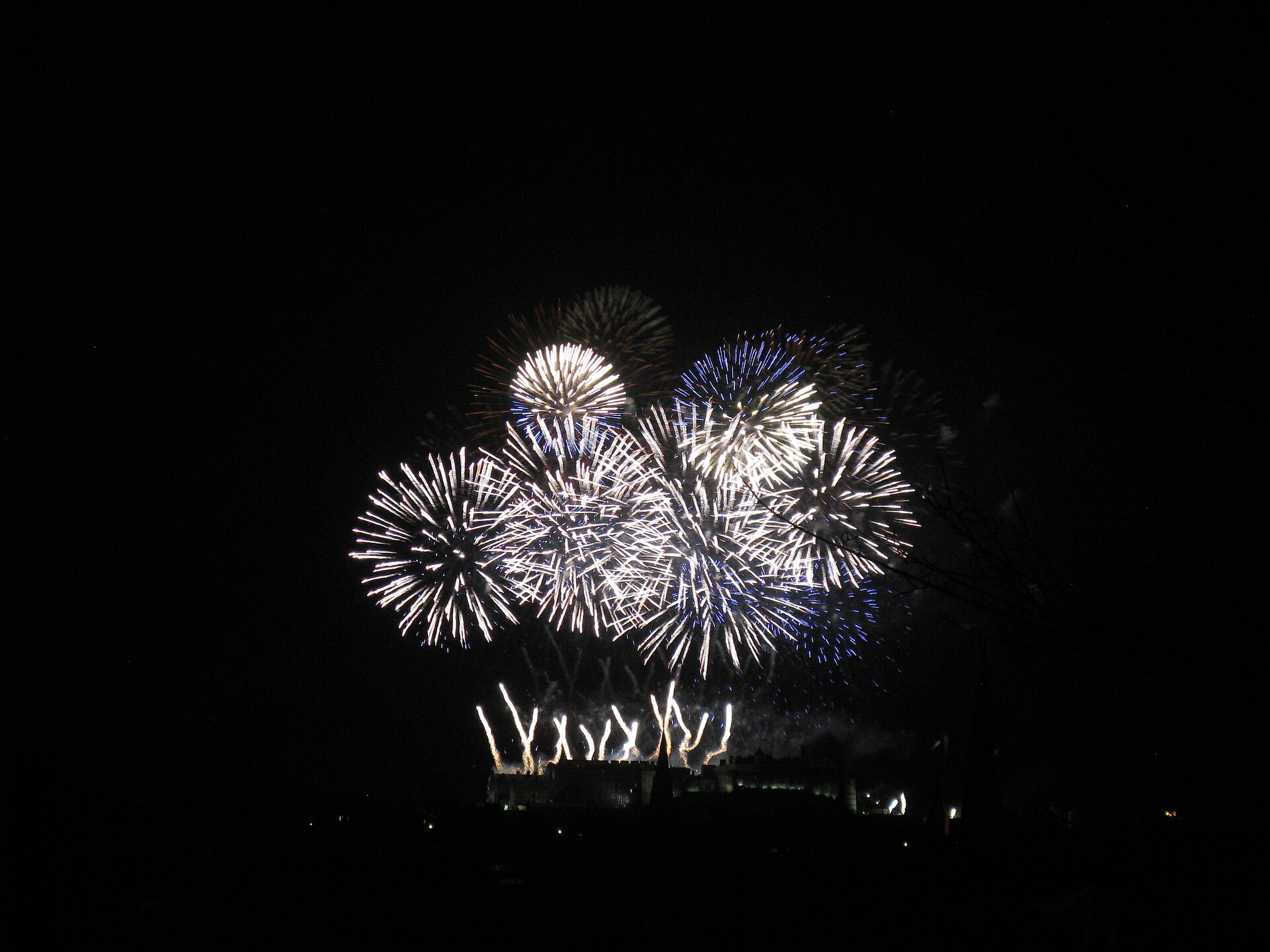
The real showstopper is Hogmanay — Edinburgh’s legendary New Year’s Eve celebration and one of the world’s greatest street parties. The four-day festival (29 December 2026 to 1 January 2027) opens with a torchlight procession on 29 December and the Night Afore Party on 30 December, then builds to the Street Party and Hogmanay in the Gardens on 31 December, with the midnight fireworks beneath Edinburgh Castle, and closes with the free First Footin’ music trail on 1 January. The organiser has not yet announced when tickets go on sale, so check the official Hogmanay site, and book accommodation early because prices spike for the final week of December.
January and February: Bargain Season
If budget is your primary concern, January and February offer the cheapest time to visit Edinburgh. Hotel rates fall well below their August levels. Flights are at their cheapest, and Edinburgh’s world-class museums and galleries — most of which are free — provide perfect rainy-day activities. The National Museum of Scotland, Scottish National Gallery, and Modern Art galleries are all free to enter and mercifully warm.
Burns Night on January 25th celebrates Scotland’s national poet Robert Burns with special suppers and events across the city. February brings Valentine’s Day romance — Edinburgh’s historic setting and candlelit restaurants make it one of the UK’s most romantic destinations. The Edinburgh Yarn Festival and early spring cultural events begin to fill the calendar towards the end of February.
Best Time to Visit Edinburgh by Interest
The ideal time to visit Edinburgh depends entirely on what you want from your trip. Here’s a breakdown by traveller type and interest to help you find your perfect window.

Best Weather
July and August are the warmest months (average highs of about 19°C), while the longest days (17+ hours of daylight) run from late May to mid-July. April is the driest month statistically. For the best combination of warmth, daylight, and lower rainfall, late May through mid-July is the sweet spot. Be aware that Edinburgh’s weather is famously unpredictable — locals joke about experiencing four seasons in one day — so pack layers regardless of when you visit.
Best for Budget Travellers
January to March offers the lowest prices across the board — accommodation, flights, and dining. Late October and November are similarly affordable. The same itinerary costs far less in February than in August. Many attractions remain open year-round and most Edinburgh museums are free, so you won’t miss out on the main sights. Check our Edinburgh on a budget guide for more money-saving tips.
Best for Festivals and Culture
August is the undisputed champion for festival lovers — nothing else comes close to the scale and variety of Edinburgh’s summer festivals. However, December/January (Hogmanay, Burns Night), April (Science Festival, Beltane), and October (Storytelling Festival, Samhuinn) all offer rich cultural experiences with far fewer crowds. See our full Edinburgh festivals and events guide for the complete calendar.
Best for Families
School holidays dictate family travel, but if you have flexibility, late May to mid-June and September offer the best combination of decent weather, manageable crowds, and reasonable prices. The Science Festival in April is outstanding for children. Edinburgh Zoo, Dynamic Earth, and the Camera Obscura all open through the year, though not every day: the Zoo closes on 25 December, and Dynamic Earth opens Wednesday to Sunday and is closed most Mondays and Tuesdays. For comprehensive family planning, see our Edinburgh with kids guide.
Best for Outdoor Activities
May to September provides the best conditions for hiking Arthur’s Seat, exploring the Pentland Hills, cycling, and day trips from Edinburgh to the Highlands, Scottish Borders, or Fife coast. The long daylight hours give you maximum time for outdoor adventures, and temperatures are comfortable for walking. Spring wildflowers (April-May) and autumn colours (October) add extra visual appeal to outdoor excursions.

Best for Photography
Autumn (September-November) and winter (December-February) offer the most dramatic light for photography. The low sun angle creates long shadows along the Royal Mile, and the haar rolling in from the Firth of Forth produces ethereal, moody compositions. Golden hour lasts significantly longer in these months. Summer offers its own appeal with midnight light from Calton Hill and Arthur’s Seat, but the harsh midday sun can be less photogenic.
Edinburgh Accommodation Pricing by Season
Understanding Edinburgh’s accommodation pricing patterns is crucial for planning your visit. The table below shows typical nightly rates for a central double room across different property types and seasons. For detailed neighbourhood recommendations, see our where to stay in Edinburgh guide.
| Season | Accommodation prices |
|---|---|
| Winter (Jan-Feb) | Much cheaper than August |
| Spring (Mar-May) | Much cheaper than August |
| Early Summer (Jun-Jul) | Climbing towards the August peak |
| August (Festivals) | Much dearer than winter or spring: book early |
| Autumn (Sep-Nov) | Cheaper than August |
| Christmas/Hogmanay | Busy: book early |
What to Pack for Edinburgh: Season by Season
Edinburgh’s weather demands preparation regardless of when you visit. The key principle is layering — mornings can start chilly and end warm (or vice versa), and rain can appear from nowhere. Here’s what to pack by season:
Spring (March-May): Light layers, a waterproof jacket, comfortable walking shoes, and sunglasses. Temperatures can swing from 5°C to 18°C in a single day. A light scarf is useful for windy days on Calton Hill or Arthur’s Seat.
Summer (June-August): T-shirts and light layers for daytime, but always carry a light jacket or cardigan for evenings. A waterproof is still essential — Edinburgh doesn’t do heatwaves like southern Europe. Sunscreen for long summer days, comfortable walking shoes for festival hopping.
Autumn (September-November): Warm layers, a proper waterproof jacket, and sturdy shoes or boots. By November you’ll want a warm coat, hat, and gloves. An umbrella can be useless in Edinburgh’s horizontal wind — a hooded waterproof is more practical.
Winter (December-February): Warm coat, thermal layers, hat, scarf, gloves, and waterproof boots. Edinburgh’s wind chill is no joke — dress warmer than the temperature alone suggests. If you’re planning to attend Hogmanay’s outdoor celebrations, thermal underwear is not excessive.
Month-by-Month Guide: When to Visit Edinburgh
For those who want a quick reference, here’s the best time to visit Edinburgh broken down month by month with a rating for overall visitability.
January: Cold and dark but incredibly cheap. Burns Night (25th) adds cultural flavour. Best for: budget travellers, museum lovers, whisky enthusiasts. Rating: ★★★☆☆
February: Similar to January but daylight increases noticeably. Valentine’s Day romance. Driest winter month (about 53mm). Best for: couples, budget travellers. Rating: ★★★☆☆
March: Spring arrives tentatively. Daylight jumps to 11.5 hours. Six Nations rugby atmosphere in pubs. Prices still low. Best for: early-bird visitors, sports fans. Rating: ★★★☆☆
April: Driest month, cherry blossoms, Science Festival, Beltane Fire Festival. Excellent all-round choice. Best for: families, culture seekers, walkers. Rating: ★★★★☆
May: Warm and bright with 16 hours of daylight. Shoulder-season pricing. Perfect outdoor conditions. Best for: hikers, photographers, general sightseeing. Rating: ★★★★★
June: Peak daylight (17.5 hours), warm temperatures, pre-festival calm. Summer solstice magic. Best for: outdoor enthusiasts, long-day sightseers. Rating: ★★★★★
July: Warm and bright. International Film Festival, Jazz Festival. Last month before August price surge. Best for: film buffs, couples, families. Rating: ★★★★☆
August: Festival season — extraordinary but expensive and crowded. Book everything months ahead. Best for: festival lovers, performers, culture addicts. Rating: ★★★★★ (for festivals) / ★★☆☆☆ (for budget/calm)
September: The hidden gem. Post-festival calm, lovely weather, lower prices. Autumn colours begin. Best for: value seekers, photographers, foodies. Rating: ★★★★★
October: Peak autumn colours, Storytelling Festival, Samhuinn. Cooler but beautiful. Best for: photographers, culture lovers, walkers. Rating: ★★★★☆
November: Christmas lights switch on, festive atmosphere begins. Prices still low. Darker and cooler. Best for: early Christmas seekers, bargain hunters. Rating: ★★★☆☆
December: Christmas market, Hogmanay, peak festive magic. Prices rise late month. Best for: festive spirit, New Year celebrations. Rating: ★★★★☆
Practical Tips for Planning Your Edinburgh Visit
Regardless of when you choose to visit Edinburgh, these practical tips will help you get the most from your trip:
Book accommodation early for peak periods. For August festivals and Hogmanay, book 4-6 months ahead. For Easter and other school holidays, 2-3 months is advisable. Shoulder seasons offer more flexibility, but popular boutique hotels fill up quickly year-round.
Check event calendars before booking. Edinburgh hosts events year-round, and even outside major festivals, conferences and sporting events can affect availability and pricing. The Six Nations rugby (February-March), Edinburgh Marathon (May), and major concerts at Murrayfield can spike hotel demand.
Consider your transport options. Edinburgh is very walkable, but the tram, buses, and trains expand your options significantly. The Edinburgh Airport tram takes 35 minutes to the city centre. Getting around is easy in any season, though winter’s early darkness makes taxis more appealing for evening travel.
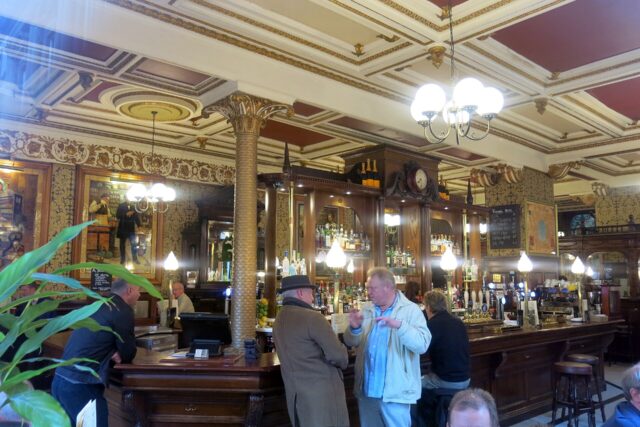
Always have a rainy-day plan. No matter when you visit, rain is possible. Edinburgh’s world-class museums and galleries provide excellent wet-weather alternatives, and the city’s historic pubs and restaurant scene mean you’ll never be short of a cosy indoor option.
Layer up and waterproof everything. Edinburgh’s wind can strip warmth from you quickly, and a horizontal rain shower can arrive without warning. A compact waterproof jacket is the single most important item in your suitcase, regardless of season.
Our Verdict: The Best Time to Visit Edinburgh
If we had to choose a single best time to visit Edinburgh, we’d recommend late May to mid-June or September. Late May and June deliver the longest daylight hours, mild weather before the festival price surge, and Edinburgh at its most beautiful. September offers similar benefits with added autumn character, post-festival calm, and excellent value.
But Edinburgh is a genuinely year-round destination. Each season offers something unique and compelling — August’s festival energy, December’s festive magic, spring’s cherry blossoms, and the incredible value of January and February. The best time to visit Edinburgh is ultimately the time that aligns with your interests, budget, and tolerance for Scottish weather. Whenever you come, this city will not disappoint.
When to Visit Edinburgh: Season Guides
Season-by-season detail on weather, prices, crowds and what to bring.
- Edinburgh weather month by month — Real averages for rain, temperature and daylight, not brochure figures.
- visiting Edinburgh in summer — Festival season — long days, full city, highest prices.
- visiting Edinburgh in winter — Short days, cheap rooms and the best atmosphere of the year.
- visiting Edinburgh in spring — Blossom, lengthening light and the quietest of the good months.
- visiting Edinburgh in autumn — Post-festival calm, low prices and reliable colour in the gardens.
- what to pack for Edinburgh — The layers that actually work, season by season.
- Edinburgh in shoulder season — May and September — arguably the best compromise available.
- peak versus off-season in Edinburgh — What the price difference buys you, and what it costs you.
Related Edinburgh guides: Edinburgh festivals, Edinburgh itineraries, where to stay, budget guide.
Frequently Asked Questions
What is the best month to visit Edinburgh?
May, June, and September are generally considered the best months to visit Edinburgh. May and June offer warm weather (14-17°C), very long daylight hours (16-17.5 hours), and lower prices than the August festival peak. September provides pleasant weather, beautiful autumn colours, and excellent value as summer crowds depart. The best month for you depends on whether you prioritise weather, events, budget, or crowd levels.
Is Edinburgh worth visiting in winter?
Edinburgh is absolutely worth visiting in winter, especially in December for the Christmas market and Hogmanay celebrations. While daylight is short and temperatures are cold, the city’s atmospheric Old Town looks magical in winter, most major museums and galleries are free, and accommodation is cheaper than in summer. January and February offer outstanding value for budget-conscious travellers.
How many days do you need in Edinburgh?
Three to four days is ideal for seeing Edinburgh’s main highlights, including the Castle, Royal Mile, Arthur’s Seat, and key museums. For a more relaxed pace that includes day trips, festival attendance, or exploring neighbourhoods like Leith and Stockbridge, five to seven days is recommended. Even a long weekend (two to three days) is enough to experience the city’s essential attractions.
Does it rain a lot in Edinburgh?
Edinburgh receives around 730mm of rainfall annually, far less than Glasgow. Rain is spread fairly evenly throughout the year, with April being the driest month (41mm) and October the wettest (76mm). The perception of Edinburgh being very rainy comes from the frequent light drizzle and the notorious wind, which can make even mild rain feel dramatic. A waterproof jacket is essential year-round.
When is the cheapest time to visit Edinburgh?
January to early March is the cheapest time to visit Edinburgh, with hotel rates well below summer prices. Late October and November (before Christmas market season) also offer excellent value. The most expensive periods are August (festival season), the last week of December (Hogmanay), and Easter weekend.
What is Edinburgh weather like in August?
August weather in Edinburgh averages highs of 19°C and lows of 11°C, with around 72mm of rainfall — one of the wetter months. Daylight lasts about 15.5 hours, with sunset around 9pm. While it can occasionally reach 25°C, expect cool evenings and the possibility of rain showers at any time. Pack layers and always carry a waterproof if attending outdoor festival events.
When do Edinburgh’s festivals take place?
Edinburgh hosts major festivals throughout the year. The biggest concentration is in August, when the Fringe, International Festival, Military Tattoo, and Book Festival all overlap. Other notable festivals include the Science Festival (April), Beltane Fire Festival (April 30), International Film Festival (August), Jazz & Blues Festival (July), Storytelling Festival (October), Christmas Market (mid-November to early January), and Hogmanay (29 December to 1 January). See our complete Edinburgh festivals guide for full details.
Photo Credits
Autumn in Princes Street Gardens: An Autumnal View of Edinburgh Castle – geograph.org.uk – 7332323 by Jennifer Petrie, CC BY-SA 2.0, via Wikimedia Commons.
The Meadows blossom walk: Blossom on The Meadows, Edinburgh – geograph.org.uk – 6138998 by Jim Barton, CC BY-SA 2.0, via Wikimedia Commons.
Edinburgh Castle at New Year: Edinburgh 2013 New Year’s Fireworks – 1 – geograph.org.uk – 3277750 by M J Richardson, CC BY-SA 2.0, via Wikimedia Commons.
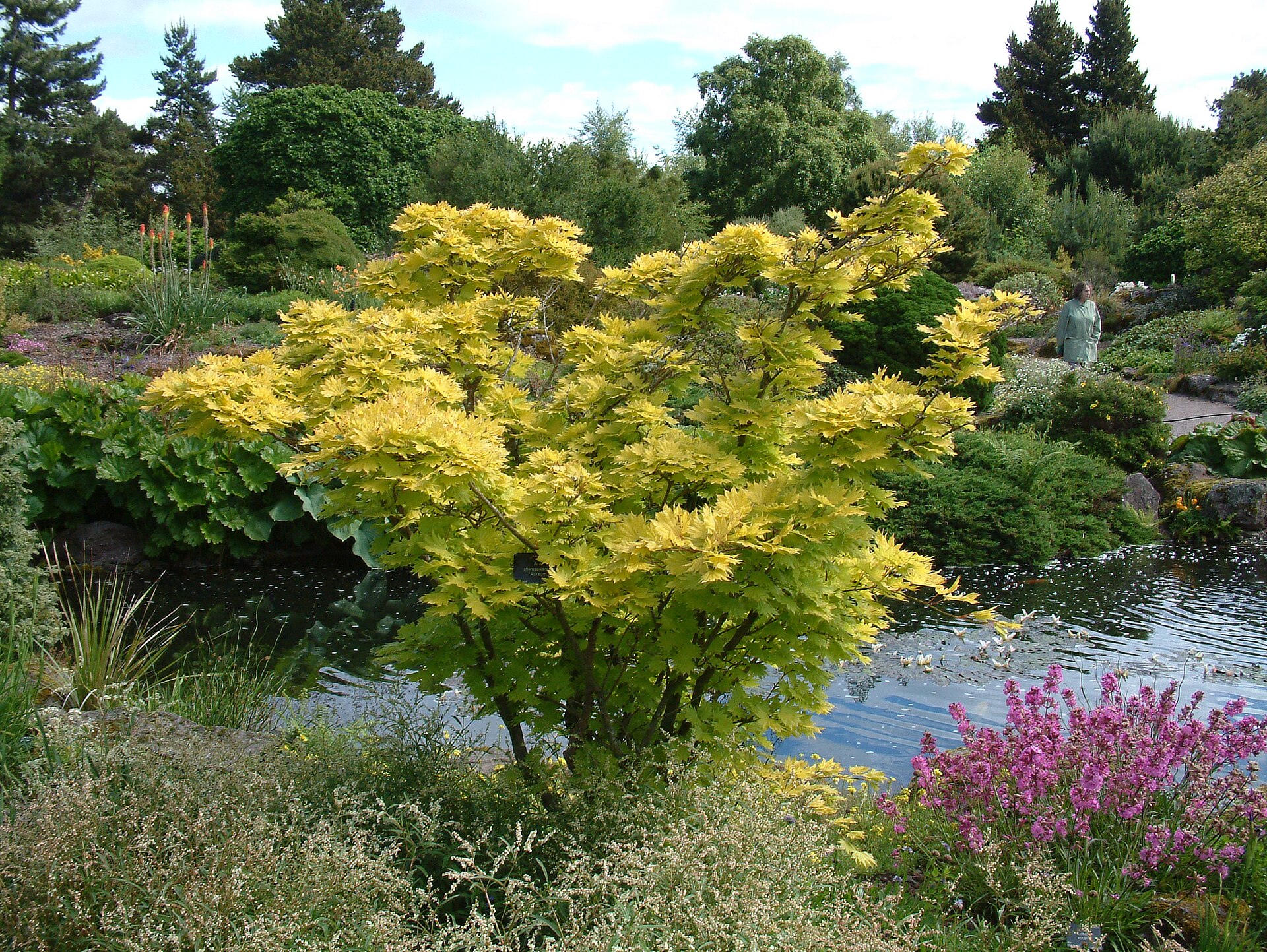
Summer planting at the Botanics: Acer shirasawanum ‘Aureum’ (2944483012) by Alex Lomas, CC BY 2.0, via Wikimedia Commons.