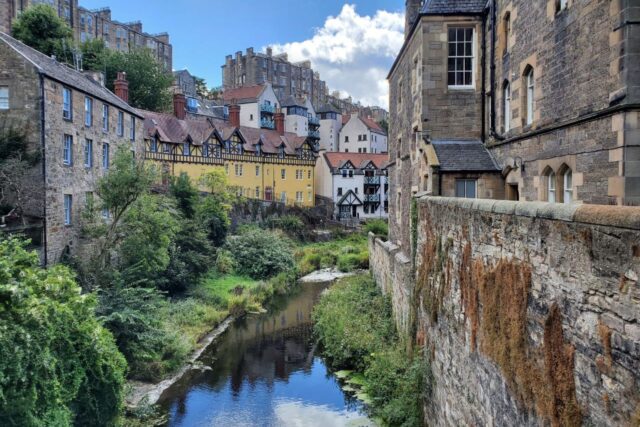
Edinburgh Closes and Wynds: Hidden Royal Mile Alleys (2026)
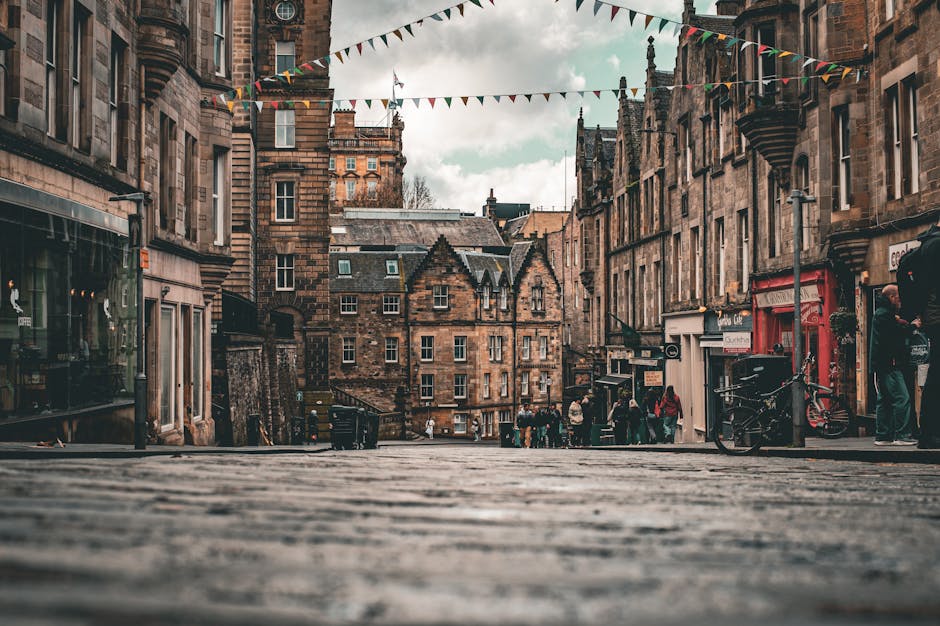
The Royal Mile is famous. The narrow stone alleys that branch off it are not — and that’s exactly why locals love them. Edinburgh’s medieval Old Town is laced with hundreds of named “closes” and “wynds” — narrow public passages, often gas-lit, often dropping suddenly to courtyards and lower streets, almost always nearly empty even at peak tourist season. To know Edinburgh’s closes is to know the medieval city the way it actually existed, before tourism arrived.
This guide covers more than 25 of Edinburgh’s most rewarding closes and wynds, with their histories, the stories behind their names, walking directions from the Royal Mile, and which ones are worth seeking out at different times of day. We’ve drawn on Edinburgh World Heritage’s research, the City of Edinburgh Council’s archives, and decades of local knowledge to produce the most comprehensive guide to the city’s hidden lanes available online.
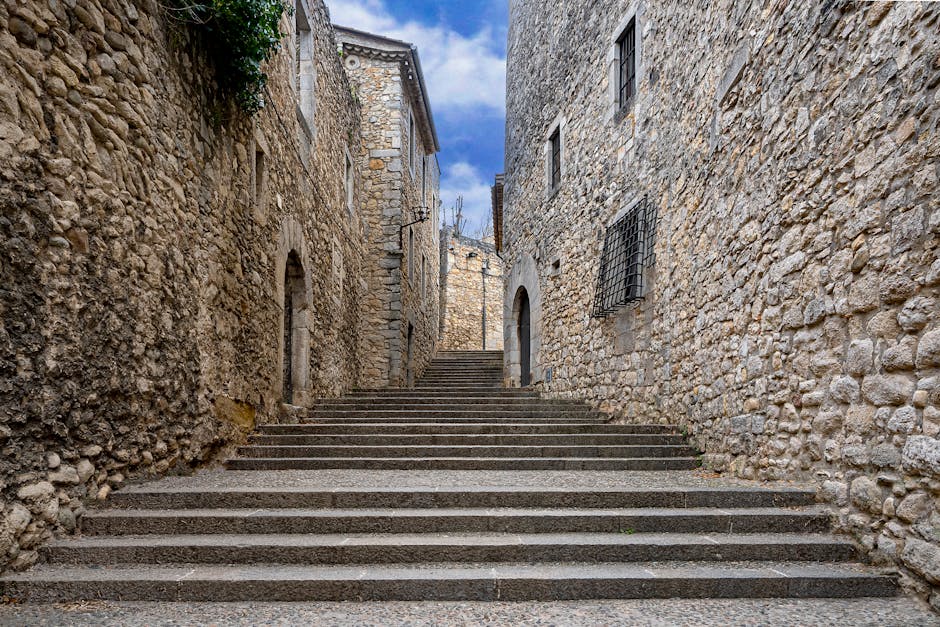
What Are Edinburgh’s Closes and Wynds?
“Close” and “wynd” are the two old Scots words for the narrow passages that branch off Edinburgh’s Royal Mile and other Old Town streets. The technical distinction:
Close: Originally a private passage that could be locked at night. The name comes from being “closed” — gated. Most Royal Mile closes today are public spaces, but the name persists.
Wynd: A public passage that connects one street to another and was always open to all. Often more crooked than closes (“wynd” relating to “winding”).
Pend: A covered passage running through a building.
Court: An interior courtyard, accessed via close or pend.
By the 17th century, the Royal Mile had around 250 named closes, wynds, courts, and pends. Around 80 still survive in identifiable form, with a few more visible only as fossilised stone arches embedded in later building fronts. They are the architectural fingerprint of medieval Edinburgh’s extraordinary density — when the city, hemmed in by its defensive walls, simply built upwards (eight, ten, even twelve stories high) and inwards (every available courtyard subdivided into passages).
For broader context on Edinburgh’s Old Town, see our pillar guide to the Edinburgh Royal Mile and Old Town.
Why Visit Edinburgh’s Closes?
The closes are Edinburgh’s secret world. The Royal Mile itself can feel like a tourist gauntlet from June through September; the closes branching off it are nearly always empty, atmospheric, gas-lit at night, and full of small surprises — sudden views of the castle, hidden 17th-century shops, courtyards with original 1600s stone, and the occasional ghost story. Walking the closes after dark is one of the city’s most underrated free experiences.
For visitors, the closes also work as a tactical escape. When the Royal Mile mid-afternoon crowd becomes overwhelming, a duck into a side close gives you 100 yards of solitude and a different, older Edinburgh than the high-street version.
The 25 Best Edinburgh Closes and Wynds to Visit
Listed roughly from west to east along the Royal Mile, with directions, timing, and what to look for at each.
1. Boswell’s Court
Off the Lawnmarket, near Edinburgh Castle. A 17th-century courtyard fronted by a fine stone façade, named for the Boswell family — relatives of biographer James Boswell, who was a regular visitor here. Currently part of the Witchery Restaurant complex. Atmospheric especially at dusk.
2. Lady Stair’s Close
Off the Lawnmarket, opposite the Hub. Lady Stair’s Close opens to a small cobbled courtyard housing the Writers’ Museum — a free museum dedicated to Robert Burns, Sir Walter Scott, and Robert Louis Stevenson, set in a 1622 townhouse. The close itself is gas-lit, charmingly narrow, and visible from the Royal Mile through a stone archway. The cobbles in the courtyard contain quotations from Scots literature.
3. Riddle’s Close
Off the Lawnmarket. Named for the Riddle family of merchants. The close opens to a 16th-century courtyard with original carved stonework and is one of the best-preserved medieval residential complexes in Edinburgh.
4. Brodie’s Close
Off the Lawnmarket, almost opposite the Highland Tolbooth. Named for the Brodie family — including the infamous Deacon William Brodie, a respected 18th-century cabinet-maker by day and a burglar by night, hanged in 1788. Brodie was the inspiration for Robert Louis Stevenson’s “Strange Case of Dr Jekyll and Mr Hyde.” A statue of Brodie stands at the Royal Mile entry to the close.
5. James Court
One of Edinburgh’s larger 18th-century courts, off the Lawnmarket. Built in 1727 and one of the first attempts at “modern” Old Town housing. The biographer James Boswell lived here, and famously hosted Dr Samuel Johnson during Johnson’s 1773 Scottish tour.
6. Wardrop’s Court
Off the Lawnmarket. Named for John Wardrop, a 17th-century merchant. The court is small, intimate, and contains one of the best-preserved sequences of stone tenement façades on the Royal Mile.
7. Old Bank Close
Off the High Street. Once home to the headquarters of the Bank of Scotland (1695-1806). The site of major historical financial activity in the 18th-century Scottish Enlightenment.
8. Advocate’s Close
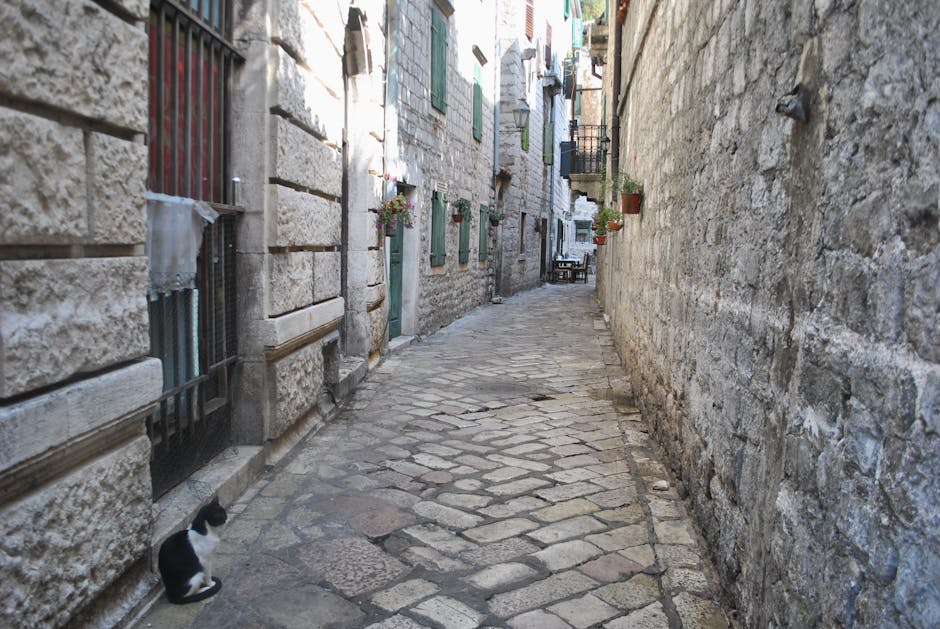
Off the High Street, near St Giles’ Cathedral. Named for Sir James Stewart, the 17th-century Lord Advocate (Scotland’s chief legal officer) who lived here. From its upper end, looking through the stone-walled gap, you get a perfectly framed view of the Scott Monument and the New Town below — a classic “Old Town frame around New Town” composition. Best at golden hour.
9. Anchor Close
Off the High Street, opposite St Giles’. Named for the Anchor Tavern that occupied the site in the 18th century. Robert Burns frequented the tavern; the printer William Smellie produced the first Encyclopaedia Britannica from a building here in 1768. The close is steep and atmospheric.
10. Old Stamp Office Close
Off the High Street. Once housed the office where stamps were applied to legal documents, including marriage and land transfers. Inside, several courts open up to a small interior atrium.
11. Mary King’s Close
Beneath the Royal Exchange building, accessed via the Real Mary King’s Close paid tour. Mary King’s Close is a real 17th-century street, sealed beneath the Royal Exchange when the building was constructed on top of it in 1753. It survives largely intact — original cobbled street, original house frontages, original interior rooms — and is the only major closed-off close that visitors can enter.
The Real Mary King’s Close tour is a paid attraction (around £20 adult). Costumed guides walk visitors through the original cobbled close, into 400-year-old houses, and tell stories of plague, poverty, and the famous “Wee Annie” room, where visitors leave gifts for a small ghost. Last tours run as late as 9pm in summer.
12. Fleshmarket Close
Off the High Street, dropping steeply north towards Waverley Station. Named for the meat market that once operated here. The close gives a dramatic stepped descent and reappears in modern Edinburgh literature as the title of an Ian Rankin Inspector Rebus novel.
13. Cockburn Street
Technically a 19th-century street, but built into the line of the older Trongate Close. Connects the High Street to the New Town below. Lined with independent shops, indie clothing stores, and atmospheric pubs.
14. World’s End Close
Off the High Street near the World’s End pub. The close marks the site of the old Netherbow Port — Edinburgh’s eastern town gate, demolished in 1764. Beyond was, in medieval terms, “the world’s end” outside the city walls. Brass setts in the modern road still mark the line of the gate.
15. Tweeddale Court
Off the High Street near the Canongate. A handsome 17th-century court built on the site of an even older tower house owned by the Marquesses of Tweeddale. Now houses the Scottish Poetry Library and several literary publishers.
16. Bakehouse Close
Off the Canongate. Used in the filming of Outlander as Carfax Close, the home of Jamie Fraser’s print shop in 18th-century Edinburgh. The close is essentially as it was filmed — a perfect 17th-century cobbled passage with original stonework. Increasingly Instagrammed by Outlander fans; visit early morning for crowd-free photographs.
17. White Horse Close
Off the Canongate, near Holyroodhouse. One of Edinburgh’s most picturesque historic closes — a courtyard of red-roofed white-rendered cottages dating from 1623. Named for the White Horse Inn that operated here as the principal stagecoach inn between Edinburgh and London. Now private residences but the close is publicly accessible.
18. Tolbooth Wynd
Off the Canongate. Named for the Canongate Tolbooth (now the People’s Story Museum) at its head. Drops steeply north towards Calton Road.
19. Old Tolbooth Wynd
A separate medieval wynd off the Royal Mile, dropping to Holyrood. Different from Tolbooth Wynd despite the similar name. Atmospheric stepped descent.
20. Dunbar’s Close
Off the Canongate. Famous for Dunbar’s Close Garden — a small 17th-century-style walled garden recreated in the late 20th century. Open during daylight hours, free, and one of the loveliest hidden gardens in central Edinburgh.
21. Reid’s Close
Off the Canongate. A fine cobbled passage opening to small private gardens.
22. Sugar House Close
Off the Canongate. Named for an 18th-century sugar refinery once located here.
23. Old Playhouse Close
Off the Canongate. Named for Edinburgh’s first regular playhouse, opened here in 1747.
24. The Vennel
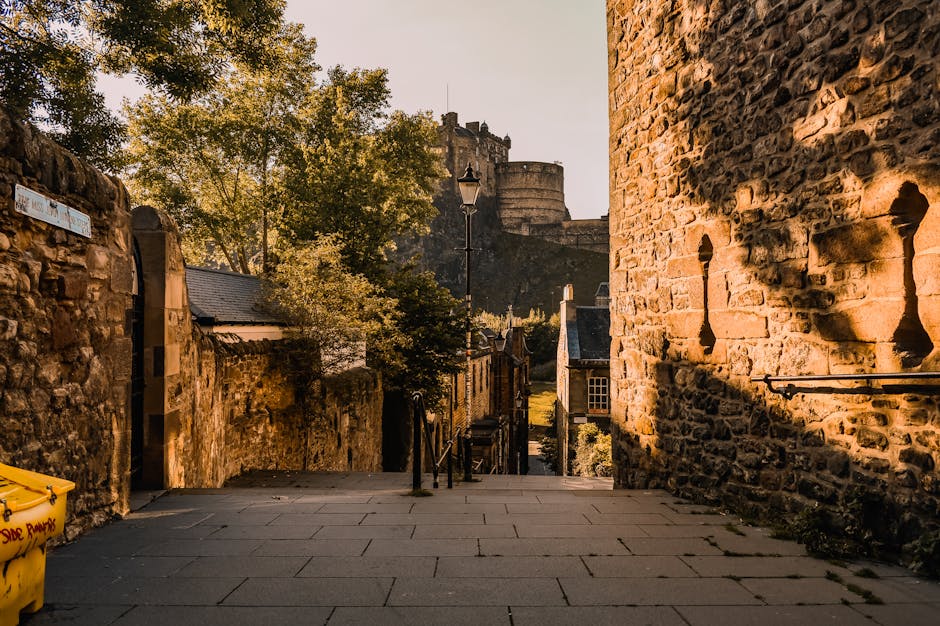
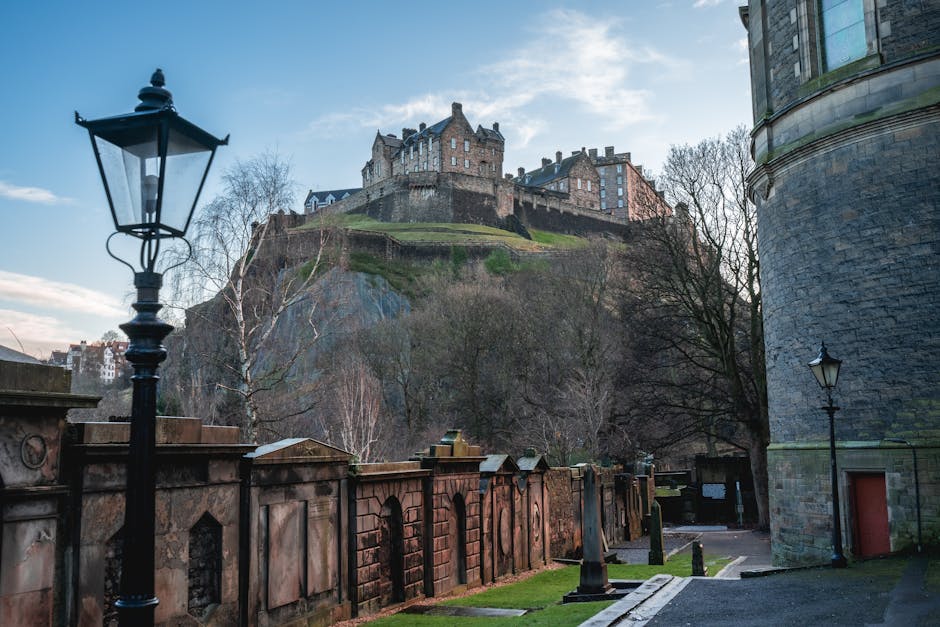
Not technically a Royal Mile close, but the most famous close-like passage in Edinburgh. The Vennel is a tiny stone staircase off Heriot Place, near Lauriston Place. From the bottom of the steps, the castle appears framed perfectly inside an arch in the medieval Flodden Wall (the original 16th-century city wall). Best at blue hour or in haar mist. Almost no tourists find this spot independently.
25. Niddry Street and the South Side Closes
Less-known closes off Niddry Street and the broader South Side include Toddrick’s Wynd, Stevenlaw’s Close, and the entry to the Blair Street Underground Vaults — accessible only via Mercat Tours’ guided tours.
Edinburgh Closes by Time of Day
Morning (best for photography)
Early morning visits — say 6am to 9am — give you the closes essentially to yourself. The light is soft, the cobbles often damp, and the photographic conditions excellent. Bakehouse Close, Lady Stair’s Close, and the Vennel reward early visits.
Afternoon (best avoided)
Royal Mile foot traffic peaks between 11am and 3pm in summer. The closes themselves remain quieter than the high street but lose some atmosphere when visitors are constantly passing through.
Evening & Blue Hour (most atmospheric)
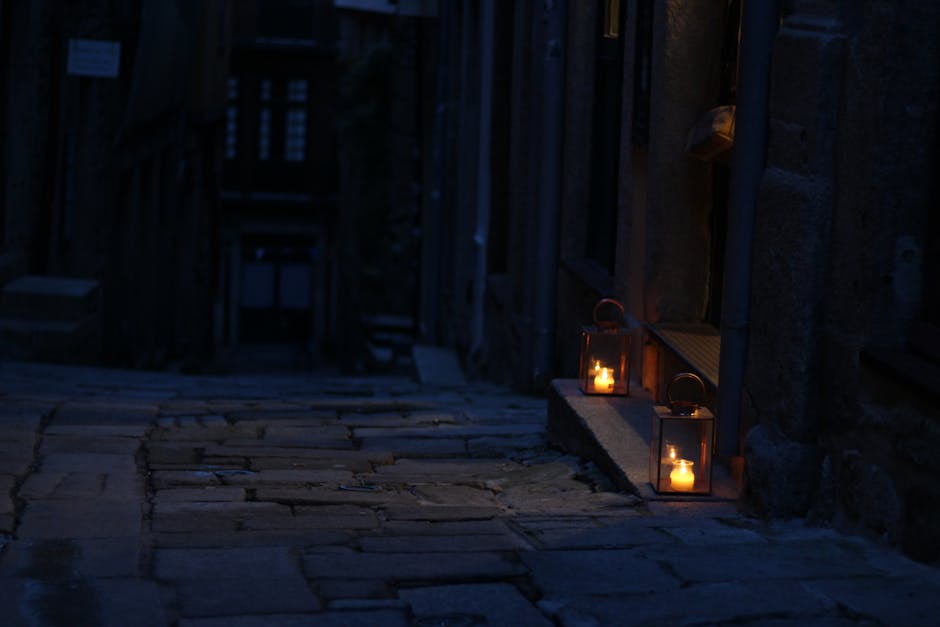
Edinburgh’s gas lamps in many of the closes start to flicker at dusk. Blue hour — the 30 minutes after sunset — is when the medieval geometry of the closes becomes most evocative. Walking the Royal Mile and dipping into closes after a Calton Hill sunset is one of the city’s best free evenings.
Night (atmospheric, do walk)
The closes are technically open all night. Many are sparsely lit. Walking them after 10pm is one of Edinburgh’s most genuinely atmospheric experiences. Standard urban precautions apply but the central Royal Mile closes are well-trodden.
Walking the Closes: Suggested Routes
The 30-Minute Quick Sample
Start at Edinburgh Castle. Walk down the Royal Mile, dipping into Lady Stair’s Close (Writers’ Museum), Brodie’s Close (statue), Advocate’s Close (castle frame view), and Anchor Close. Finish at the Tron Kirk.
The 90-Minute Full Closes Walk
Start at the castle. Add to the above: James Court, Wardrop’s Court, Old Bank Close, Old Stamp Office Close. Cross to Cockburn Street. Continue to World’s End, Tweeddale Court, Bakehouse Close, White Horse Close. Finish at Holyroodhouse.
The Full-Day Closes Deep Dive
The above plus a Real Mary King’s Close paid tour, an evening Mercat Tours underground vaults tour, lunch at a Royal Mile pub, dinner near Holyroodhouse. Total: 6-8 hours. Allows real exploration of every meaningful close on the Royal Mile.
Closes & Ghost Tours
Several Edinburgh ghost-tour operators run guided walks through the Royal Mile’s closes after dark. Mercat Tours’ “Ghosts and Ghouls” includes Blair Street Underground Vaults plus several closes. The City of the Dead Tour focuses on Greyfriars Kirkyard but passes through several closes en route. The Real Mary King’s Close paid attraction is the most authentic underground close experience available.
For more on Edinburgh after dark, see our companion guide on things to do in Edinburgh at night.
The History of Edinburgh’s Closes
Edinburgh’s closes evolved from the city’s unique medieval geography. The Old Town was built along a single ridge — the Royal Mile — running from Edinburgh Castle down to Holyroodhouse. North and south of this ridge, the ground dropped sharply to lower valleys (the modern Princes Street Gardens to the north, the Cowgate to the south).
From the 12th century onwards, residents built their houses in long narrow strips perpendicular to the High Street. Each strip (“riggs” in old Scots) had a frontage on the Royal Mile and ran several hundred metres back, dropping in elevation as it went. Between adjacent riggs were narrow access passages — the closes — and these passages connected the high street to backyards, gardens, and eventually the lower streets below.
By the 17th century, Edinburgh was suffering severe overcrowding. Hemmed in by defensive walls, the city had nowhere to expand. Houses grew vertically (the famous “tall lands” of 8-12 stories — among the world’s first skyscrapers) and inwards (every available courtyard subdivided into smaller passages). The closes were the social arteries through which all of Edinburgh’s life flowed.
Plague struck repeatedly. The 1645 outbreak alone killed perhaps half the city. Some closes — like Mary King’s Close in the 1640s — became infamous for their plague history.
The 18th-century construction of the New Town (1767 onwards) provided the relief Edinburgh’s overcrowded Old Town had needed for centuries. Wealthier residents moved north. Many closes fell into disrepair; some were demolished entirely as Cockburn Street and George IV Bridge were carved through the medieval fabric in the 19th century.
The 20th century brought conservation. Edinburgh became a UNESCO World Heritage Site in 1995 (jointly with the New Town), and the surviving closes are now legally protected. Most have been carefully restored.
Tips for Walking Edinburgh’s Closes
Wear good shoes. The cobbles are uneven and often slippery when wet.
Keep to public closes. Some closes lead to private courtyards. Respect signs marking private property.
Avoid blocking residents. Many of Edinburgh’s closes still serve as access for people who live in adjacent flats.
Take photographs respectfully. Particularly in courtyard residential areas, be discreet.
Watch for steep drops. Several closes (Fleshmarket, Anchor) drop sharply with steps. Handrails are present but the gradient can be steep.
Don’t enter closed gates. A few closes still have gates and are private. Don’t push through.
Beware tourists with selfie sticks. Bakehouse Close and Lady Stair’s Close especially have become busy for Outlander and Writers’ Museum visitors.
Frequently Asked Questions
What is a close in Edinburgh?
A close in Edinburgh is a narrow public passage running off the Royal Mile or other Old Town streets, originally a private gated passage that could be locked at night. The name derives from being “closed” — gated. Around 80 named closes survive in Edinburgh’s Old Town, of an original 250+.
What is the difference between a close and a wynd?
A close was historically a private passage that could be gated and locked at night. A wynd was a public passage always open to all, often more crooked. Today the distinction is largely lost; both terms are used interchangeably for narrow Old Town alleys.
How many closes are on the Royal Mile?
Around 80 named closes, courts, and wynds survive on or near the Royal Mile today, of an original total of around 250. Many were demolished during 19th-century street widening (Cockburn Street, George IV Bridge) and the construction of major buildings (Royal Exchange, City Chambers).
What is the most famous close in Edinburgh?
Mary King’s Close — sealed beneath the Royal Exchange in 1753 — is the most famous, accessible only via the paid Real Mary King’s Close tour. Lady Stair’s Close (with the Writers’ Museum), Bakehouse Close (Outlander filming location), Advocate’s Close (castle view), and the Vennel (off the Royal Mile but framed castle view) are the most photographed publicly accessible closes.
Are Edinburgh’s closes free to visit?
Yes. The publicly accessible closes are all free to walk through at any time. Real Mary King’s Close (a sealed underground close) requires a paid tour. The Writers’ Museum (in Lady Stair’s Close) is free.
Can you walk Edinburgh’s closes at night?
Yes. The Royal Mile closes are technically open all night and many become more atmospheric after dark. Standard urban precautions apply. The central, well-trodden closes are safe; some isolated less-known closes are best avoided alone late at night.
What is the spookiest close in Edinburgh?
Real Mary King’s Close has the strongest paranormal claims, particularly the Wee Annie room. The Cowgate’s South Bridge Vaults (a sealed underground area off Niddry Street) accessible via Mercat Tours have a similar reputation. The Old Calton Burial Ground at the foot of Calton Hill is also frequently included in ghost tours.
Can you photograph Edinburgh’s closes?
Yes. Personal photography is permitted in all public closes. Be respectful around residents and avoid blocking access. Tripods are permitted but be considerate — the closes are public passages used by people every day.
What is Bakehouse Close famous for?
Bakehouse Close was used in the filming of the TV series Outlander as Carfax Close, the home of Jamie Fraser’s print shop in 18th-century Edinburgh. The close is essentially as it appeared on screen — a perfectly preserved 17th-century cobbled passage. Increasingly Instagrammed by Outlander fans.
Are there any Edinburgh closes with gardens?
Yes. Dunbar’s Close on the Canongate has a 17th-century-style walled garden that is open during daylight hours, free, and one of the loveliest hidden gardens in central Edinburgh. Several other closes lead to small interior courtyards with planting.
Final Thoughts
Edinburgh’s closes are the medieval city in miniature — surviving fragments of a once-vast network of narrow passages, hidden courts, and gas-lit lanes that defined the Old Town for 700 years. Walking them is the best free thing you can do in Edinburgh. They reward both quick samples (a 30-minute Royal Mile dip-in) and full mornings of exploration. Bring good shoes, time your visit for dawn or dusk for the best atmosphere, and let the city’s hidden geometry unfold around you.
For more, see our pillar guide to the Edinburgh Royal Mile and Old Town, our companion piece on things to do in Edinburgh at night, our piece on best views in Edinburgh (the Vennel features prominently), and our overarching guide to things to do in Edinburgh. Then go — the closes have been waiting for centuries.