What to See Inside Edinburgh Castle: Complete Visitor Guide (2026)
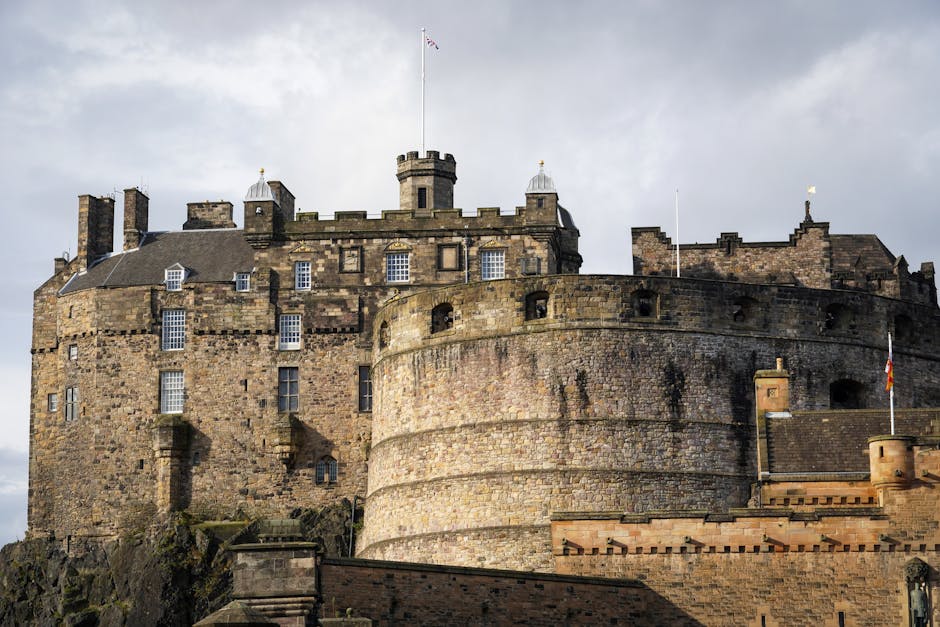
Edinburgh Castle is not one building but a small medieval town crammed onto a single basalt rock — a complex of crown jewels, royal palaces, twelfth-century chapels, war memorials, prison vaults, military museums, and panoramic battery walks all packed into a roughly oval site no larger than a few football pitches. Knowing what to see inside Edinburgh Castle, in what order, and how long to spend at each, can transform an average visit into a great one. This guide walks you through every major attraction within the castle walls, with practical advice on timing, accessibility, and the stories that make each one worth seeing.
For ticket prices, opening hours, and how to skip the queues, see our companion guide on Edinburgh Castle tickets, prices and opening hours. For broader context, see our pillar guide to Edinburgh Castle.
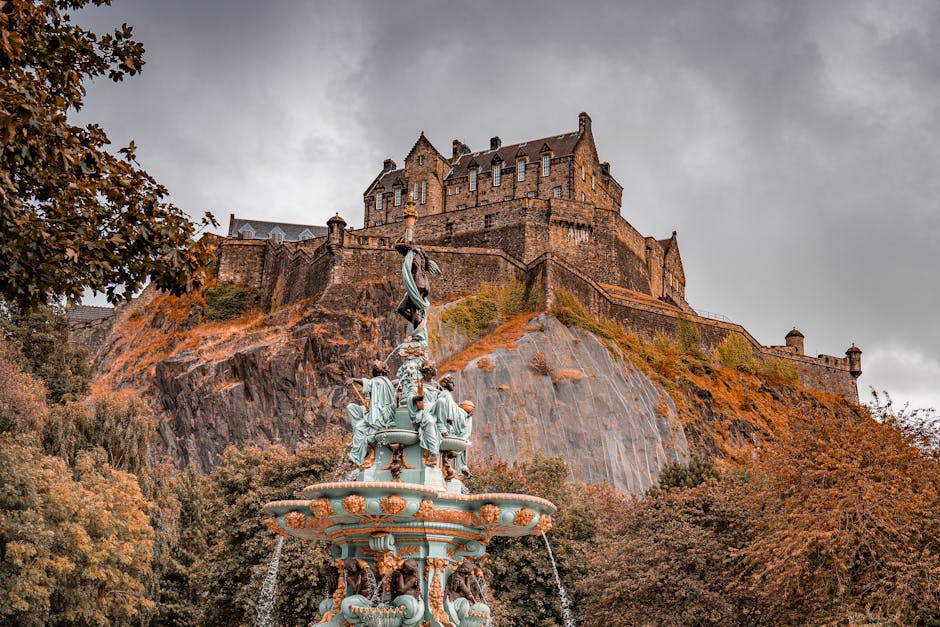
Quick Map: How Edinburgh Castle Is Laid Out
Edinburgh Castle is built on a long east-west ridge, with the main entrance gate at the eastern end (closest to the Royal Mile) and the upper ward at the western end. From the gate, the route winds upwards through three roughly defined areas:
The Lower Ward — gate, ticket scanners, Argyle Battery, Mons Meg cannon, and the Lang Stairs path up to the upper ward.
The Middle Ward — the One O’Clock Gun, the Half Moon Battery, the National War Museum of Scotland, and the Governor’s House.
The Upper Ward (Crown Square) — the Royal Palace (housing the Crown Room), the Great Hall, the Scottish National War Memorial, and St Margaret’s Chapel.
From entrance to upper ward is a steep cobbled walk of about ten minutes; allow at least twenty if you stop at the lower attractions on the way up.
The Honours of Scotland (Crown Jewels)
The single most famous thing inside Edinburgh Castle is the Honours of Scotland — the oldest crown jewels in the British Isles, displayed in the Crown Room of the Royal Palace.
The Honours consist of three pieces:
The Crown — refashioned for King James V in 1540 from gold mined in Scotland, set with 22 gemstones (including amethysts, garnets, freshwater pearls, and rock crystals), four enamelled fleurs-de-lys, and four crosses fleurettée. It was first used in its current form for the coronation of Mary Queen of Scots’ son James VI in 1567.
The Sceptre — a late-medieval rod, possibly French in origin, decorated with thistles, fleurs-de-lys, and small grotesque figures. Likely presented to James IV by Pope Alexander VI around 1494.
The Sword of State — given to James IV in 1507 by Pope Julius II, with an etched blade and an extraordinarily ornate silver-gilt scabbard depicting saints and Pope Julius’s arms.
The Honours have an extraordinary survival story. They were used together for the first time at the coronation of Mary Queen of Scots in 1543, hidden during the English Civil War (smuggled out of Dunnottar Castle and buried under a kirk floor for years), then “lost” for over 100 years inside a sealed chest in the castle until rediscovered by Sir Walter Scott in 1818. They have been on continuous public display since.
Important note for 2026: The Crown Room is currently undergoing major refurbishment as part of the Crown Room Project, with a new display being installed. Check the official Edinburgh Castle website for the current status before visiting. When open, allow 15-20 minutes for the Crown Room queue and viewing.
Where Is the Stone of Destiny?
The Stone of Destiny — the ancient sandstone slab on which Scottish (and later British) monarchs were crowned for centuries — was traditionally displayed alongside the Honours of Scotland in the Crown Room. After being most famously stolen from Edinburgh by Edward I of England in 1296, returned by parliamentary decision in 1996, and most recently used at the coronation of King Charles III in 2023, the Stone has now been moved to its new permanent home.
The Stone of Destiny is no longer at Edinburgh Castle. It moved to a permanent display at Perth Museum in Perth, Scotland, in March 2024. If seeing the Stone is a priority for your visit to Scotland, plan a day trip from Edinburgh to Perth (1.5 hours by train).
Edinburgh Castle’s Royal Palace still tells the Stone’s history through interpretive displays, but the artefact itself is no longer in the building.
The Royal Palace & Birth Chamber of James VI
The Royal Palace, off the southeast corner of Crown Square, was the residence of Scotland’s monarchs when in Edinburgh during the late medieval and early modern periods. The most historically significant room is the tiny chamber where Mary Queen of Scots gave birth to the future James VI of Scotland (later also James I of England) on 19 June 1566. The room is preserved as it was, with original heraldic ceiling decoration showing the arms of Mary and James, and a Latin inscription celebrating the birth.
The Royal Palace also houses the Laich Hall, a beautifully restored long room used for ceremonial meetings, and now displays the formal narrative of the Scottish royal line. Allow 20-30 minutes for the full Royal Palace circuit.
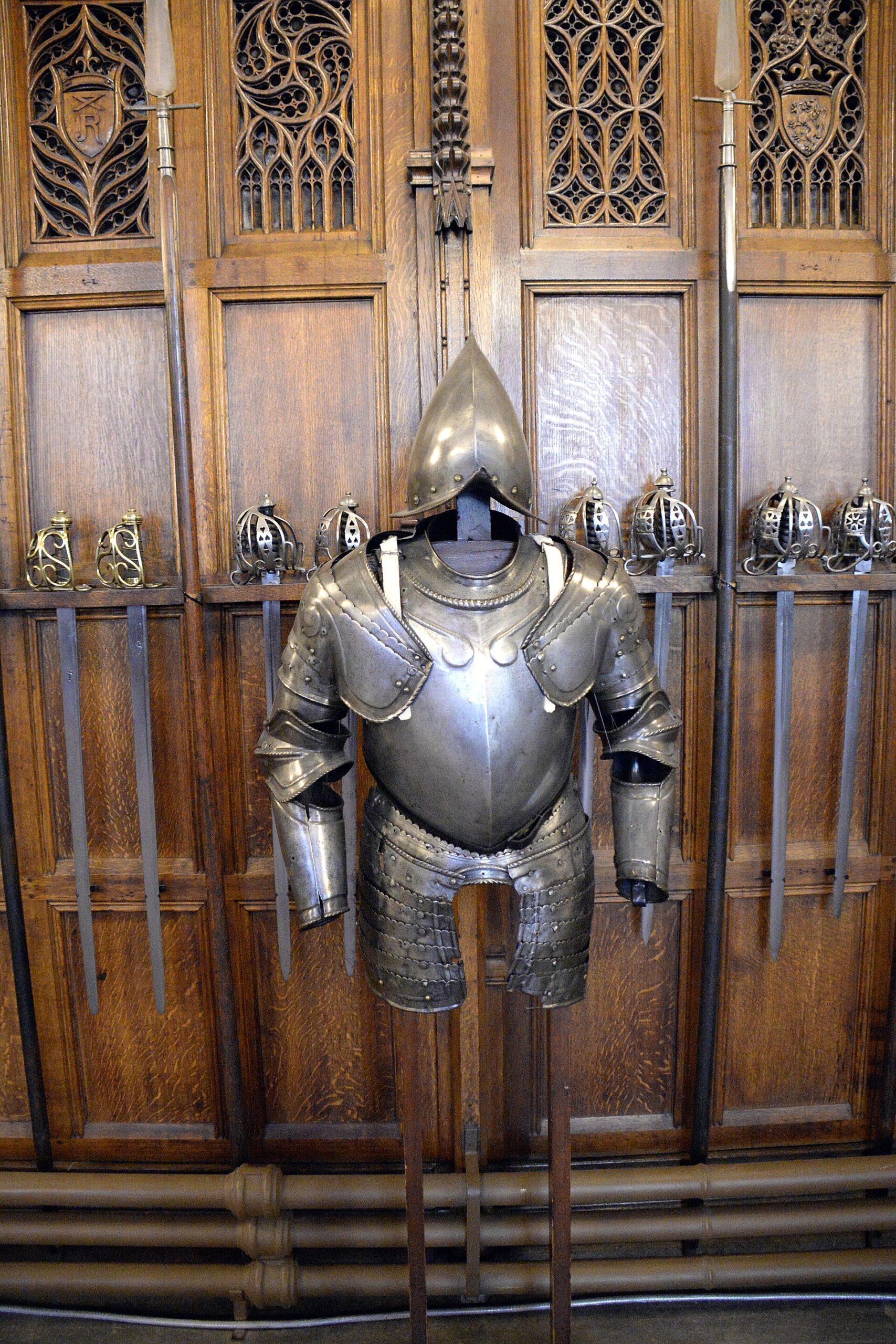
The Great Hall
The Great Hall, completed in 1511 for King James IV, is one of the finest medieval halls in Scotland and home to one of the country’s most important medieval timber roofs — a hammer-beam ceiling carved with grotesque heads, mason’s marks, and royal heraldry. The hall measures roughly 30m by 12m, and the walls are lined with one of the most extensive medieval and early-modern weapons displays in the UK: pikes, halberds, claymores, two-handed swords, and a section of plate armour.
The hall’s interpretive panels do an excellent job of explaining what each weapon was used for and how James IV’s lavish refurbishment was a deliberate political statement of Stewart kingship. Look up — the roof alone is worth a five-minute neck-craning study. The Great Hall is one of Edinburgh’s best winter shelter spots if you arrive in heavy rain. Allow 20-30 minutes.
The Scottish National War Memorial
The Scottish National War Memorial, on the northern side of Crown Square, occupies a substantially-rebuilt version of an 18th-century barrack block. It was opened by King George V in 1927 and commemorates Scottish dead from the First World War, the Second World War, and subsequent conflicts.
The memorial’s main hall is dominated by a casket on a green Italian-marble plinth holding a Roll of Honour listing more than 200,000 names. Around the walls, individually-named bronze panels and stone tablets honour Scottish regiments, divisions, and units. The atmosphere is solemn and contemplative; photography inside is restricted out of respect.
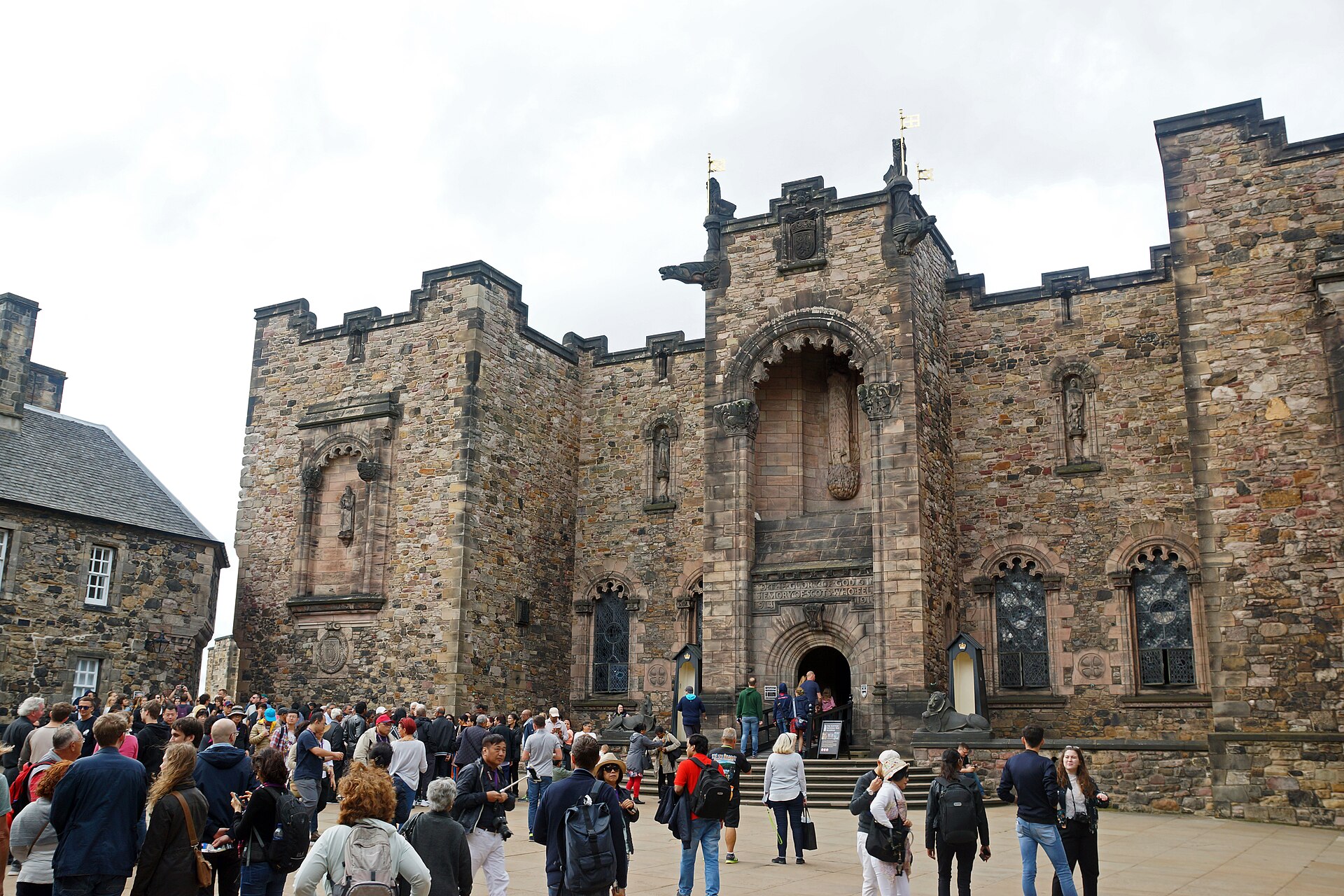
For many visitors, this is the most moving space inside the castle. Allow 15-20 minutes; longer if you want to find a specific regiment or family name in the books.
St Margaret’s Chapel
St Margaret’s Chapel is the oldest surviving building in Edinburgh — a tiny Romanesque chapel built around 1130 by King David I in memory of his mother, Saint Margaret of Wessex. Constructed in the Anglo-Norman style, the chapel is a single rectangular room measuring just 10.5m by 4.8m, with a chancel arch decorated with chevron carving and stained-glass windows added in the 1920s.
The chapel is small, often quiet, and astonishingly atmospheric. Many visitors say it’s their favourite space inside the castle precisely because of the contrast with the soaring Great Hall and palace rooms. The chapel hosts about 30 weddings a year — booking is by ballot through Historic Environment Scotland.
Allow 5-10 minutes; sit quietly in one of the chapel’s six benches and absorb 900 years of continuous sacred use. Note that access involves several steps; not wheelchair-accessible.
Mons Meg
Mons Meg is a 15th-century medieval bombard cannon, sitting in front of St Margaret’s Chapel on the upper ward. Made in Mons, Flanders in 1449 and presented to King James II of Scotland in 1457, Mons Meg is one of the largest cannons by calibre ever built — a six-tonne weapon capable of firing a 175-kilogram stone ball more than two miles. Used in active combat in the Anglo-Scottish wars before being retired to ceremonial duty, the cannon barrel cracked in 1681 firing a salute and has been on display ever since.
Allow 5-10 minutes; the views over the city from Mons Meg’s plaza are some of the best inside the castle.
The One O’Clock Gun
The One O’Clock Gun is fired from the Half Moon Battery at exactly 1:00pm Monday through Saturday (not on Sundays, Christmas Day, or Good Friday). Originally instituted in 1861 as a time signal for shipping in the Firth of Forth, the firing has continued (with various guns) for more than 160 years. The current gun is a modernised 105mm field gun.
The 1pm crowd gathers from about 12:45 onwards. Best viewing is from the upper Half Moon Battery looking down at the gun position — the noise is significant, so prepare children and pets. Plan to be in position by 12:50 for an unobstructed view, or skip the show entirely and use the 1pm window to slip into the Crown Room or Royal Palace, both of which empty out as the crowd gathers.
The National War Museum of Scotland
Set in two restored 18th-century buildings on the middle ward, the National War Museum is a thorough, professionally curated free-with-castle-admission military history museum covering Scotland’s military life from the 17th century to the present day. Five permanent galleries cover Scottish soldiers’ uniforms and weapons; trench and battlefield experience in WWI and WWII; the social history of Scottish service; the colonial and post-colonial empire; and contemporary deployments.
The museum is bigger than most visitors expect — easily two hours’ worth of exhibits if you want to read every panel. Most casual visitors give it 30-45 minutes; military history enthusiasts should plan 90 minutes minimum.
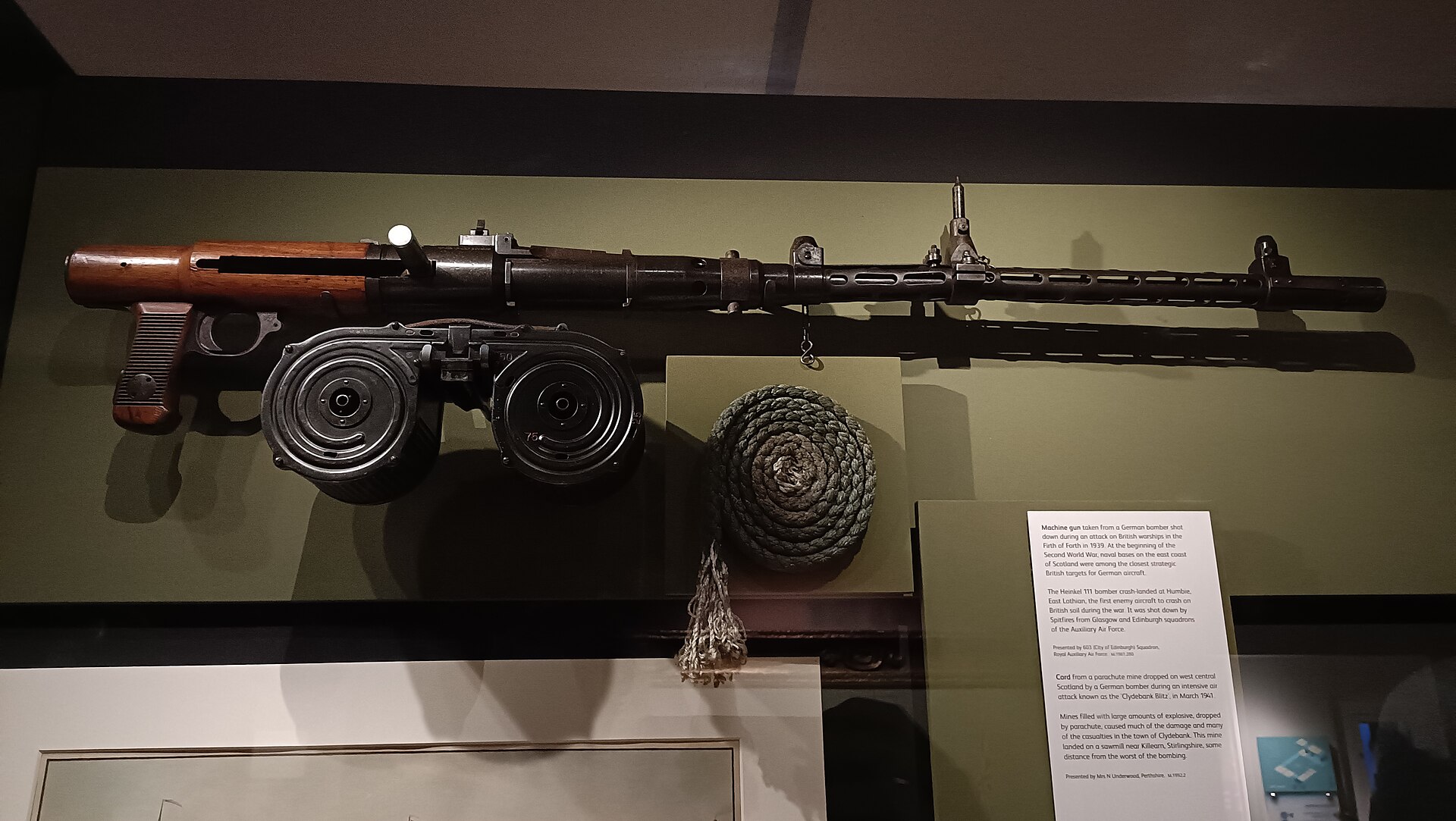
The Prisons of War Vaults
Beneath the Queen Anne Building (off Crown Square) lie a series of stone vaults that held prisoners of war during multiple 18th-century conflicts. From around 1757 onwards, the vaults housed French sailors and soldiers from the Seven Years’ War, then American captives from the War of Independence, then French prisoners again during the Napoleonic Wars, plus Spanish, Dutch, Italian, Polish, Irish, and Danish prisoners over the decades.
The vaults are presented today as they would have appeared at their fullest extent — bunks and hammocks, wooden bowls, and most strikingly, the prisoners’ own carvings on the doors and walls. Prisoners scratched coats of arms, ships, and most famously an early variant of the American Stars and Stripes flag — said to be one of the earliest known depictions of the US flag. In 1811, 49 prisoners escaped through a hole in the wall (still visible today). All but one were recaptured.
Allow 15-25 minutes. The vaults can feel cold and damp even in summer; bring a jumper.
The Half Moon Battery & Argyle Battery
The Half Moon Battery is the curving stone gun emplacement on the eastern side of Crown Square, built between 1574 and 1588 around the ruins of David’s Tower. It gives the most dramatic city panorama inside the castle: directly down to Princes Street, the New Town, and Calton Hill. The One O’Clock Gun is fired from this battery.
The Argyle Battery, lower down on the northern wall, gives a different angle on the same view. Six 18-pounder cannons line the battery, and on a clear day you can see the Forth Bridges to the west.
For more on viewpoints, see our guide on best views in Edinburgh.
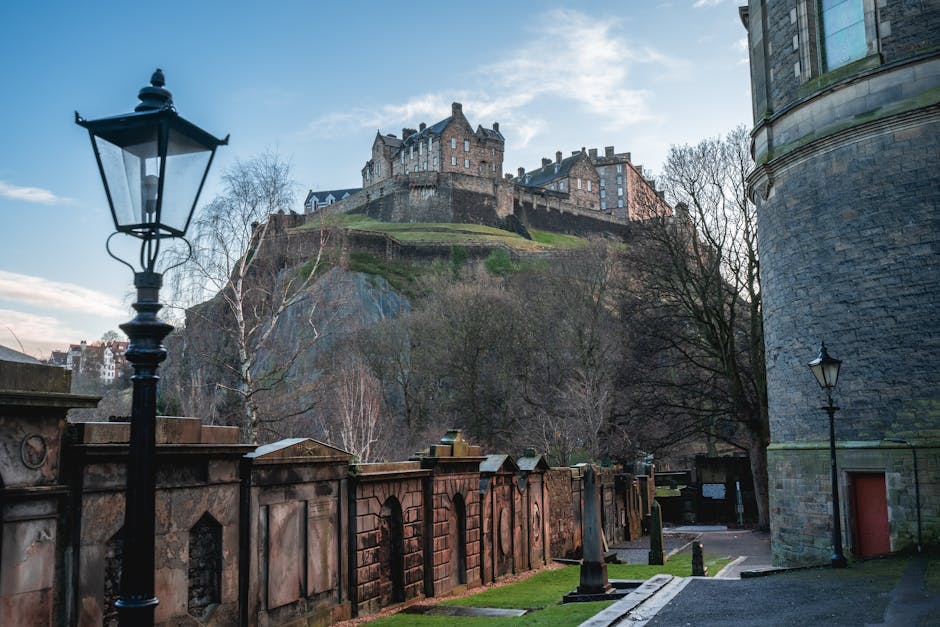
The Governor’s House
The Governor’s House, on the upper ward, was built in 1742 and remains the official residence of the Governor of Edinburgh Castle (a ceremonial post). It’s a small, white Georgian building, not open to the public for general tours but visible from the Esplanade and worth a brief look as a contrast to the medieval architecture surrounding it.
St Margaret’s Well & The Castle’s Wells
Less heavily visited than the major attractions but historically fascinating, the castle has multiple wells dug deep into the volcanic rock. The medieval well at the foot of the Castle Hill, partly visible during certain interpretive tours, was once the primary water source — and the lack of reliable water during sieges was a recurring problem in the castle’s history.
The Castle Vaults Café & Redcoat Café
The castle has two on-site cafés. The Redcoat Café (lower ward) is the larger and more cafeteria-style, with hot meals, sandwiches, and basic kids’ options. The Castle Vaults Café (upper ward, beneath the Great Hall) is smaller, more atmospheric, and arguably better for coffee and a quick scone. Both have good views and decent if not exceptional food at slightly elevated tourist prices.
The Castle Shop
Two shops operate within the castle: the main Edinburgh Castle Shop near the exit and a smaller specialty shop near the Crown Room. The selection is a mix of high-end Scottish craft (Harris tweed, cashmere, jewellery), Historic Environment Scotland-branded merchandise, books on Scottish history, and standard tourist gifts. Prices are firmly tourist-tier; you can find similar items cheaper on the Royal Mile, but the specifically-licensed Edinburgh Castle merchandise is unique.
What’s Outside the Castle: The Esplanade
The Castle Esplanade — the open paved area in front of the gate — is technically outside the castle and free to visit at any time. The Esplanade hosts the Royal Edinburgh Military Tattoo each August (a separate ticketed event) and gives the most dramatic eastward view across the New Town. Worth ten minutes either before or after your castle visit.
Things You Can’t See (Yet) Inside Edinburgh Castle
Several historically-significant areas inside the castle are not currently open to the public:
The Castle Vaults below the Great Hall — used for state archives, not visitable.
The Lower Stables — currently used for storage and operational uses.
The active military barracks and offices — the castle remains a working military headquarters for the British Army’s 51st Infantry Brigade. Several buildings are off-limits accordingly.
Active archaeology areas — periodically, sections close while archaeological investigations or restoration work is in progress. Check signage and the official site for current closures.
Suggested Routes Inside Edinburgh Castle
The 1-Hour Highlights Route
Enter at 9:30am. Walk briskly past the Argyle Battery up to Crown Square. Crown Room first (10 minutes). Royal Palace and James VI birth chamber (10 minutes). Great Hall (10 minutes). St Margaret’s Chapel (5 minutes). Mons Meg (5 minutes). Half Moon Battery for the view (5 minutes). Out via the Lang Stairs and the Argyle Battery viewing point. Total: 60-70 minutes.
The 2-Hour Standard Route
As above plus: National War Museum (35-45 minutes), Prisons of War vaults (15-20 minutes), Scottish National War Memorial (15 minutes), and a coffee at the Castle Vaults Café. Total: about 2 hours 15 minutes.
The Half-Day Thorough Route
As above plus: a longer National War Museum visit (90 minutes), a complete circuit of all the castle batteries, time at Mons Meg, time on the Esplanade, lunch at the Redcoat Café. Total: 4 hours.
The Photographer’s Route
9:30am entry to be at the Half Moon Battery for the best morning light (allow 30 minutes here). Crown Square at golden hour later in the afternoon. Mons Meg in any light. The view over Princes Street from the Argyle Battery. Lang Stairs cobbles in shadow. The chapel exterior at any time. Plan for two visits if you want both morning and afternoon light.
Accessibility Inside Edinburgh Castle
Edinburgh Castle has improved accessibility considerably in recent years. The headline points:
Mobility vehicle: A free courtesy mobility vehicle takes wheelchair users and visitors with limited mobility from the entrance gate up to the upper ward (saves a steep cobbled walk). Pre-booking advised.
Lifts: Lifts give access to the Crown Room, the Great Hall (limited), the Royal Palace upper floors, and the National War Museum.
Step-free access: Most of the upper ward (Crown Square, Mons Meg plaza, Half Moon Battery) is step-free. The cobbled main path can be uneven.
Step-only: St Margaret’s Chapel, the Prisons of War vaults, parts of the National War Museum, and the upper levels of the Royal Palace are accessible only by stairs.
Toilets: Multiple accessible toilets including a Changing Places facility near the lower ward.
Audio guides: Free audio guides include a children’s version and a BSL (British Sign Language) version. Hearing loops are installed in major buildings.
Photography Inside Edinburgh Castle
Personal photography is permitted throughout almost all of the castle. Notable restrictions:
Crown Room: Photography permitted but flash is prohibited. Tripods and selfie sticks are not allowed inside any building.
Scottish National War Memorial: Photography is restricted out of respect for the memorial purpose.
Drones: Prohibited everywhere on castle grounds. No exceptions.
Commercial photography or filming: Requires advance permission from Historic Environment Scotland.
Frequently Asked Questions
What is the most famous thing inside Edinburgh Castle?
The Honours of Scotland — the Scottish Crown Jewels — are the most famous attraction inside Edinburgh Castle. Comprising the Crown, the Sceptre, and the Sword of State, they are the oldest crown jewels in Britain, used together for the first time at the coronation of Mary Queen of Scots in 1543.
Is the Stone of Destiny still at Edinburgh Castle?
No. The Stone of Destiny was moved from Edinburgh Castle to Perth Museum in March 2024, where it is now permanently displayed. Edinburgh Castle still tells the Stone’s story through interpretive displays in the Royal Palace, but the actual stone is no longer in the castle.
What is the oldest building in Edinburgh Castle?
St Margaret’s Chapel, built around 1130 by King David I in memory of his mother, Queen Margaret. It is also the oldest surviving building in Edinburgh as a whole — older than St Giles’ Cathedral or any other surviving structure in the city.
How long should I spend inside Edinburgh Castle?
Most visitors find two to three hours adequate to see the main highlights (Crown Room, Royal Palace, Great Hall, St Margaret’s Chapel, National War Museum, batteries). History enthusiasts and serious photographers should plan four hours or more. The minimum useful visit is about 90 minutes for the Crown Room and one or two other major sites.
Can you see the Crown Jewels at Edinburgh Castle?
Yes, the Crown Jewels (Honours of Scotland) are typically displayed in the Crown Room of the Royal Palace inside Edinburgh Castle. Note that in 2026 the Crown Room has been undergoing refurbishment with a new display being installed; check the official Edinburgh Castle website for the current status of the Crown Room before visiting.
Where is the One O’Clock Gun fired from?
The One O’Clock Gun is fired from the Half Moon Battery, on the eastern side of Crown Square inside the upper ward. The gun fires at 1pm precisely, Monday through Saturday (not Sundays, Christmas Day, or Good Friday). Best viewing is from the upper Half Moon Battery looking down at the gun position.
Is the Scottish National War Memorial inside Edinburgh Castle?
Yes. The Scottish National War Memorial occupies the northern side of Crown Square in the upper ward of Edinburgh Castle. It commemorates Scottish service personnel who died in the First World War, the Second World War, and subsequent conflicts. Photography inside is restricted out of respect.
What weapons are displayed in the Great Hall?
The Great Hall houses one of the largest medieval and early-modern weapons displays in the United Kingdom: pikes, halberds, claymores, two-handed swords, muskets, and some plate armour. The display is arranged around the perimeter of the hall and is accompanied by interpretive panels explaining each weapon’s use and historical context.
Are the Edinburgh Castle vaults haunted?
The Prisons of War vaults beneath the Queen Anne Building have a long association with paranormal claims, although Historic Environment Scotland does not promote them as haunted. Several Edinburgh ghost tour operators discuss the vaults’ history and reputed paranormal activity, but the on-site interpretation focuses on the documented historical record of the prisoners held there.
Can I visit Edinburgh Castle if I’m in a wheelchair?
Yes, with significant access provisions. A free courtesy mobility vehicle takes wheelchair users from the entrance up to the upper ward. Lifts give access to many key buildings including the Crown Room, the Royal Palace upper floors, and the National War Museum. Some older buildings (St Margaret’s Chapel, parts of the Prisons of War, parts of the Royal Palace) have stepped access only.
What’s the most underrated thing inside Edinburgh Castle?
St Margaret’s Chapel is consistently named the most surprisingly powerful experience inside the castle by visitors who entered expecting to skip it. Its 900-year history, austere Romanesque interior, and quietness compared to the grander sites make it an emotional high point. The Prisons of War are similarly underrated.
Final Thoughts
Edinburgh Castle rewards a slow, deliberate visit. The biggest mistake first-time visitors make is racing to the Crown Room, glancing into the Great Hall, and leaving 90 minutes after they entered — missing the Prisons of War, the National War Museum, the Scottish National War Memorial, and the meditative atmosphere of St Margaret’s Chapel. Plan for at least two hours, ideally three, and the castle will reveal far more than you expected.
For everything else you need to plan your visit, see our companion guide on Edinburgh Castle tickets, prices and opening hours, our pillar guide on Edinburgh Castle, the broader things to do in Edinburgh, and the Edinburgh itinerary planner for fitting the castle into a wider trip.
Photo Credits
Armour in Edinburgh Castle’s Great Hall: 4. Interior of the Great Hall at Edinburgh Castle, Scotland by Osama Shukir Muhammed Amin FRCP(Glasg), CC BY-SA 4.0, via Wikimedia Commons.
The Scottish National War Memorial entrance: 2017-08-26 09-09 Schottland 111 Edinburgh, Edinburgh Castle (37587520412) by Allie_Caulfield, CC BY 2.0, via Wikimedia Commons.
A machine gun in the National War Museum: MG-34 at National War Museum, Edinburgh by 501ghost, CC0, via Wikimedia Commons.