Edinburgh Travel Tips: Practical Information for Visitors (2026)
Edinburgh is an easy city to visit and a surprisingly easy city to get wrong. It is compact enough to walk end to end, but it is built on volcanic rock and the walk is rarely flat. It has some of the best-value free museums in Europe and one of the most expensive hotel markets in the UK. It uses pounds sterling, but hands you banknotes that shops in England may look at twice. And in 2026 it added two things no previous visitor had to think about: a mandatory entry authorisation for most non-British travellers, and the UK’s first city-wide visitor levy.
This guide is the practical layer underneath everything else on this site. It covers what you need before you arrive, what things actually cost in 2026, how to get here and get around, how long to stay, what to pack for a climate that changes hourly, and the handful of mistakes that quietly ruin first trips. Prices and rules both move, so check anything time-critical with the official source before you travel.

Edinburgh in Twelve Lines
If you read nothing else, read this.
- Most non-British visitors now need a UK ETA before they travel. It costs £20, it is not a visa, and you should apply before you book anything you cannot change.
- A 5% visitor levy has applied to accommodation since 24 July 2026. It is charged on the first five nights of any stay and it is not always shown in the headline room rate.
- Three full days is the right first visit. Two works. One is a taster. Five gets you day trips.
- Do not hire a car for the city. Edinburgh is walkable, parking is punitive, and the Old Town is a maze of bus gates.
- A single bus or tram journey is £2.40; a day of unlimited travel caps at £5.70. Tap a contactless card and stop thinking about it.
- Scottish banknotes are not legal tender anywhere, including Scotland. This sounds alarming and means almost nothing. Cards work everywhere.
- Do not tip at the bar. Nobody does. Restaurants, roughly 10%, and check whether service is already on the bill.
- The national museums and galleries are free. Edinburgh Castle and Holyroodhouse are not, and both are cheaper and calmer booked in advance.
- August is a different city. The Fringe roughly doubles the population, triples accommodation prices, and is either the best or the worst month depending on what you came for.
- Pack layers and a waterproof, not an umbrella. Edinburgh’s wind eats umbrellas.
- Wear shoes with grip. Wet setts — the granite blocks people call cobbles — are genuinely slippery, and the Old Town is mostly stairs.
- Edinburgh is a safe city with an ordinary pickpocketing problem in exactly one place: the Royal Mile in high season.
Entry Rules: What Changed for 2026
Two things are new enough that most older guidebooks and blog posts get them wrong. Both are easy to deal with; both are expensive to ignore.
The UK Electronic Travel Authorisation (ETA)
Scotland has no separate immigration system. You enter the United Kingdom, and since 2025 that means most visa-free visitors need an Electronic Travel Authorisation before they board.
- Who needs one: anyone who does not need a visa for short stays and does not already hold UK immigration status. Travellers from the US, Canada and Australia have needed one since 8 January 2025; travellers from the EU and EEA, plus Andorra, Monaco, San Marino, Switzerland and Vatican City, since 2 April 2025.
- Who does not: British and Irish citizens, and anyone who already has a UK visa or immigration permission such as settled or pre-settled status.
- Cost: £20 per person since 8 April 2026, up from £16. It is non-refundable — you pay whether or not you are approved.
- Validity: multiple journeys over two years, or until your passport expires, whichever comes first. Each visit can be up to six months.
- How long it takes: most decisions come within three working days. Many arrive within hours. Do not rely on that.
- Children need their own. There is no family application.
Apply through the official UK ETA app or the GOV.UK service. You will need the passport you intend to travel on, and the authorisation is tied to that passport — renew it and you need a new ETA. Ignore the swarm of commercial sites charging £60 to £90 to fill in the same form; they are legal, they are pointless, and several of them rank above the official page.
The Edinburgh Visitor Levy
On 24 July 2026 Edinburgh became the first city in the UK to charge a city-wide visitor levy. The mechanics matter, because how it appears on your bill varies by where you booked.
- The rate is 5% of the accommodation cost, charged before VAT.
- It applies to the first five consecutive nights only. Night six onwards is levy-free.
- It covers every kind of paid overnight accommodation in the City of Edinburgh — hotels, B&Bs, hostels, self-catering flats, serviced apartments, campsites and caravan parks.
- It is not charged on extras — parking, meals, drinks, spa treatments and transport are outside it.
- It applies regardless of why you are here. Business travellers and people visiting family pay it too.
- Stays booked and paid for, in part or in full, before 1 October 2025 are exempt, even for stays after 24 July 2026.
In practice: a £180-a-night hotel for three nights is £540, and the levy adds about £27. On a five-night stay in a mid-range hotel expect £40 to £60. It is not trip-defining, but it is real, and it is the single most common unpleasant surprise at Edinburgh checkouts right now — some booking platforms fold it into the total, others leave it to be collected by the property on arrival. Check your confirmation for the words “visitor levy” before you travel. If it is not there, assume you are paying it at the desk.
The council projects the levy will raise up to £50 million a year, ring-fenced for the things visitors and residents both use. Whether that money reaches the closes and pavements it is meant to is a live argument in the city; you will hear both sides from anyone who works in hospitality.
Money: Notes, Cards and Tipping
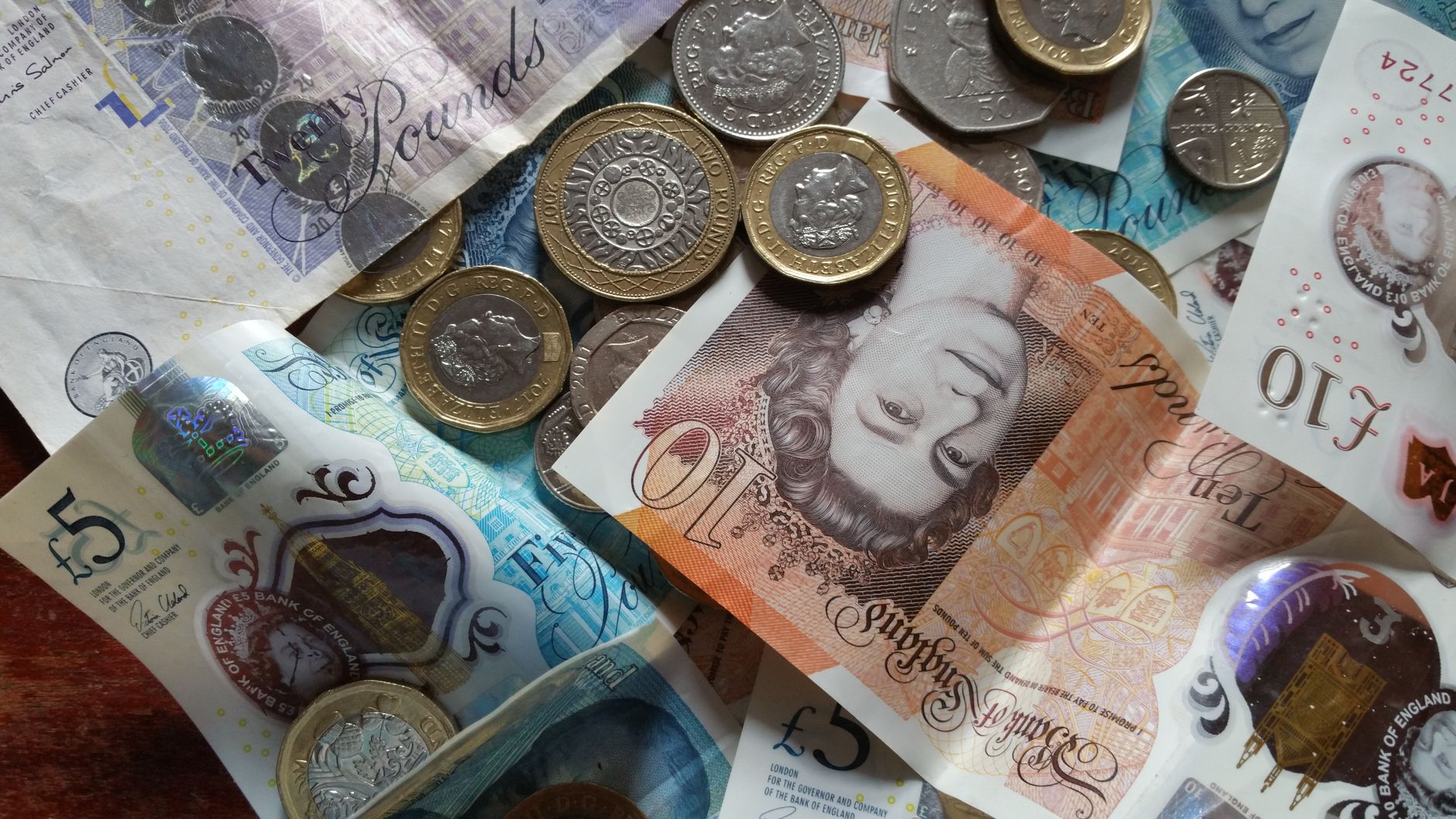
Scotland uses pounds sterling (£), the same currency as the rest of the UK. What confuses people is that three Scottish banks — Bank of Scotland, Royal Bank of Scotland and Clydesdale — issue their own banknotes, so your change may come back in four or five different designs.
Here is the fact that gets repeated badly online: Scottish banknotes are not legal tender — anywhere, including Scotland. Nor, strictly, are Bank of England notes in Scotland. “Legal tender” is a narrow term about settling debts in court, and it has almost nothing to do with shopping. Scottish notes are fully backed and universally accepted in Scotland. What is true is that a shop in England may hesitate over one, entirely at the shopkeeper’s discretion. If you are travelling on to England with cash, spend the Scottish notes here or swap them at a bank. Do not let anyone tell you they are worthless.
- Cards work everywhere. Contactless is the default, including on buses and trams. Some small venues are card-only; almost none are cash-only.
- Carry £20 or so in cash for market stalls, tips for a walking-tour guide, and the occasional old pub.
- Always choose to be charged in pounds when a card machine offers to convert to your home currency. Dynamic currency conversion costs you 3–6% every time.
- Avoid the Royal Mile bureaux de change. Their rates are the worst in the city. Withdraw from a bank ATM instead.
- The Scottish £100 note exists. It is not a forgery, but small shops may refuse it and they are within their rights.
Tipping in Edinburgh
Scotland is a low-tipping country and nobody will chase you down the street. The rules are simple:
| Situation | What to do |
|---|---|
| Ordering at a pub bar | Nothing. Do not tip per drink. To be generous, offer the bartender “and one for yourself”. |
| Restaurant, table service | About 10%. Check the bill first — many places add an optional service charge. |
| Café or takeaway counter | Nothing expected. Round up or drop coins in the jar if you like. |
| Taxis | Round up to the nearest pound or two. No percentage. |
| Free walking tours | £10–£15 per person is the real going rate. The guide is paid by you and nobody else. |
| Hotel housekeeping | Not customary. A few pounds left at the end of a longer stay is a kind gesture. |
| Tour guides and drivers | £5–£10 per person for a good full-day tour. |
One thing worth knowing: since the Employment (Allocation of Tips) Act came into force, tips and service charges must go to staff rather than the business. If a card machine asks you to add a tip, that money now reaches the people who served you.
Getting to Edinburgh
By train from London and elsewhere in the UK
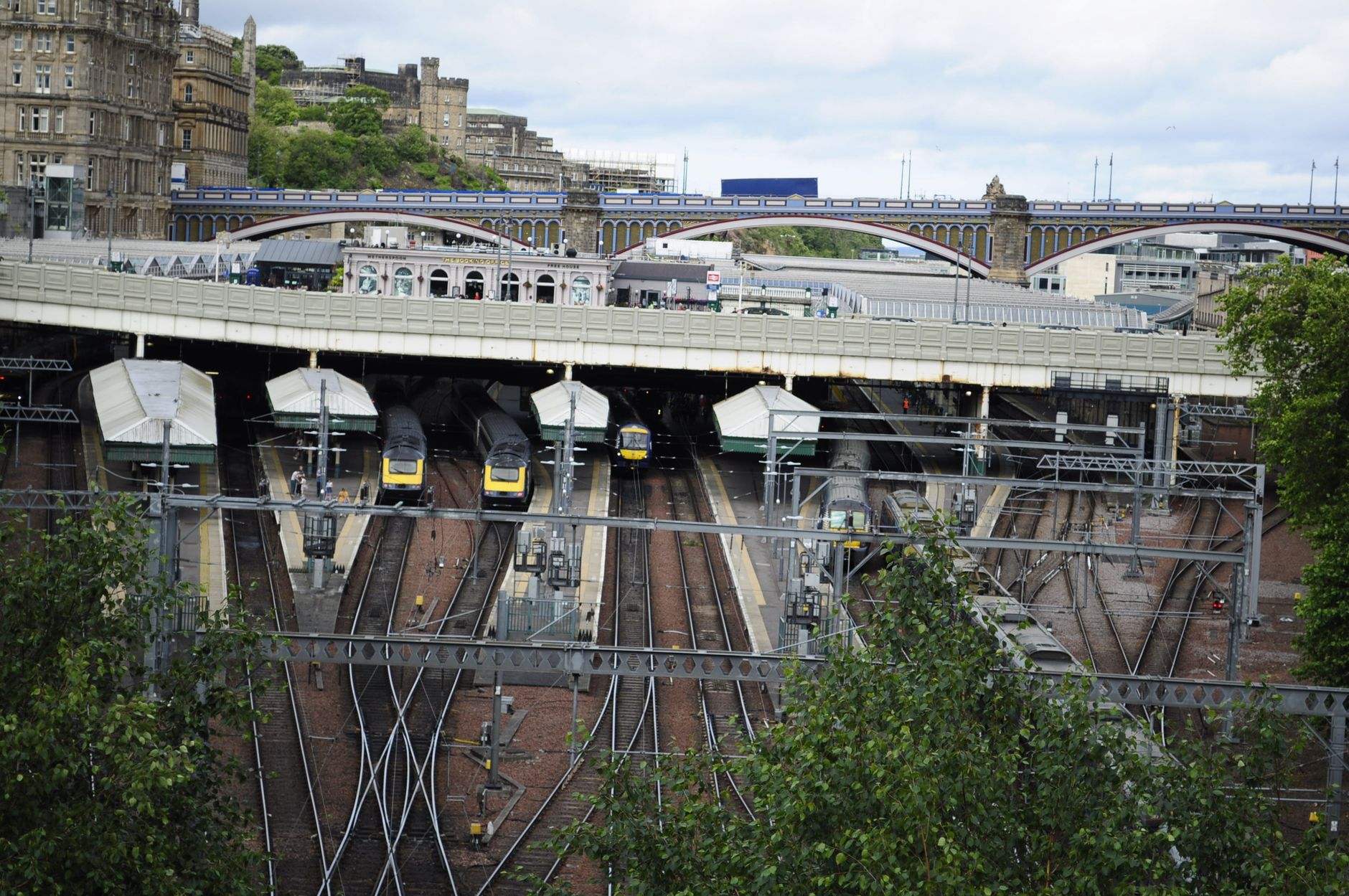
The East Coast Main Line from London King’s Cross to Edinburgh Waverley is one of the great British rail journeys, and for most people it beats flying door to door. LNER’s fastest service does it in 4 hours, with a typical journey around 4h20, running roughly every half hour between 07:00 and 19:00. Lumo, the budget open-access operator on the same line, takes about 4h32 and sells advance singles from £19.90.
- LNER advance singles start around £41.40. A fully flexible Anytime single is £204.80, which is what you pay for turning up on the day without a plan.
- Advance fares are released 8 to 12 weeks ahead. Lumo sometimes opens seats up to 24 weeks out. Book at release and you will pay a third of the walk-up fare.
- Sit on the right heading north for the coastal stretch past Alnmouth, Berwick-upon-Tweed and the North Sea. It is the best forty minutes of the journey.
- The Caledonian Sleeper runs overnight from London Euston. It saves a hotel night and is a genuine experience; it is not a cheap way to travel, and light sleepers should think twice.
Waverley sits in the valley between the Old and New Towns, which means you arrive already in the middle of everything. Haymarket, two minutes further west, is the better station if you are staying in the West End. Our guide to Edinburgh’s train stations covers left luggage, exits and which one to pick.
By air
Edinburgh Airport (EDI) is eight miles west of the centre with three ways in, and the right one depends on your luggage and the hour.
| Option | Adult fare | Time | Best for |
|---|---|---|---|
| Airlink 100 bus | £6.00 single, £8.50 return | 25–45 min to Waverley Bridge | Value; runs 24/7, every 10 min by day |
| Tram | £7.90 single, £9.50 open return | c. 35 min to St Andrew Square | Luggage and step-free ease; does not run all night |
| Bus 17 or 18 | £2.40 single | 35–50 min | The cheapest option if you are not in a hurry |
| Black cab | c. £25–£40 | 20–30 min | Late arrivals, groups, families with cases |
The honest verdict: the tram is smoother with a suitcase and drops you a two-minute walk from the top of Leith Walk; the Airlink is faster to the Old Town and runs through the night. Neither is worth agonising over. Full detail is in our Edinburgh Airport to city centre guide.
By car, and why you probably should not
If Edinburgh is your whole trip, do not bring a car. The centre is a web of bus gates, one-way systems and restricted streets; on-street parking in the New Town runs to several pounds an hour and is aggressively enforced; and hotel parking, where it exists, is often £20–£30 a night on top of the room. Everything a visitor wants is within a 25-minute walk of Waverley.
The sensible pattern is to do Edinburgh on foot, then collect a hire car on the morning you leave the city if you are continuing into the Highlands. Our driving and parking guide covers park-and-ride sites if you must arrive by car.
Getting Around Once You Are Here
Edinburgh is one of the most walkable capitals in Europe. The Old Town, New Town, Grassmarket, West End and Stockbridge are all within half an hour of each other on foot, and walking is how you find the closes, the stairs and the views that make the city what it is.
When you do need transport, Lothian Buses and Edinburgh Trams share a simple fare structure, revised in February 2026:
- Single (bus or city-zone tram): £2.40 adult, £1.20 child.
- Day ticket: £6.00 adult, £3.00 child — but tapping the same contactless card all day caps automatically at £5.70, so you rarely need to buy one.
- Weekly contactless cap: £26.50.
- Night buses: £3.50 single.
Two quirks catch people out. Buses do not give change if you insist on paying cash, so tap a card. And only black cabs can be hailed on the street or taken from a rank — every Uber and Bolt in Edinburgh is a private hire car and must be pre-booked, which matters most at 1am. See our guides to Lothian buses and trams, taxis and ride-hailing and the Edinburgh transport pass.
How Long Do You Need?
The most common planning mistake is treating Edinburgh as a day trip bolted onto a Highlands tour. It is a small city with an unusually high density of things worth doing, and it rewards the extra night.
| Length | What you get | Verdict |
|---|---|---|
| 1 day | Castle, Royal Mile, one museum, a viewpoint | A taster. You will see the postcard and none of the city. |
| 2 days | Add Arthur’s Seat or Calton Hill, the New Town, a proper dinner | Workable for a weekend. Tight but not frantic. |
| 3 days | Add Leith or Stockbridge, a second museum, an evening tour | The sweet spot for a first visit. |
| 4–5 days | Add a day trip and a neighbourhood you would otherwise skip | Best value per night. Levy stops after night five. |
| A week | Edinburgh plus Highlands, St Andrews or the Borders | Only if you are using the city as a base. |
We have detailed plans for one day, a weekend, three days and five days with day trips, plus a full Edinburgh itinerary hub.
What It Costs in 2026
Edinburgh is expensive for accommodation and reasonable for everything else. The free national museums do more heavy lifting for a budget here than in almost any comparable city.
| Item | Typical 2026 price |
|---|---|
| Hostel dorm bed | £25–£45 (far more in August) |
| Mid-range double room | £130–£220 a night, plus 5% levy |
| Pint of beer | £5.00–£7.00 |
| Flat white | £3.40–£4.20 |
| Lunch, casual | £10–£16 |
| Dinner, mid-range, two courses | £28–£45 |
| Edinburgh Castle adult ticket | £23.50 online, £26 at the gate |
| National museums and galleries | Free |
| Ghost or walking tour | £18–£30 |
| Day of public transport | £5.70 capped |
A realistic daily spend, excluding accommodation: £45–£60 if you are careful, £80–£120 for a comfortable trip with a paid attraction and a decent dinner. It can be done for much less — see Edinburgh on £50 a day and our full budget guide.
Weather and What to Pack

Edinburgh’s climate is mild, grey and changeable rather than genuinely harsh. It is drier than Glasgow and drier than most visitors expect; what it has instead is wind, coming off the Firth of Forth and funnelled between tenements.
- Summer (June–August): highs around 18–20°C, daylight until nearly 10pm in June. Warm days happen; heatwaves do not.
- Winter (December–February): highs of 6–8°C, dark by 3.45pm in late December. Snow is occasional, not reliable.
- Spring and autumn: the best light of the year and the most volatile weather. May and September are the two months locals would pick.
- The haar: a cold sea fog that rolls in off the Forth and can drop the temperature ten degrees in an hour, mostly in late spring and summer. Bring a jumper in July. We are serious.
Pack a waterproof jacket with a hood — not an umbrella, which the wind will destroy on the Mound — layers you can add and remove, and shoes with real grip. Wet setts on a hill are the most common cause of a bad first afternoon. Full detail in our Edinburgh packing guide and weather by month.
When to Come — and What August Really Means
Edinburgh has one of the sharpest peak seasons of any European city, and it is not driven by weather. It is driven by August, when the Fringe, the International Festival, the Tattoo and the Book Festival run simultaneously.
- Come in August if the festivals are the point. There is nothing else like it, anywhere.
- Avoid August if you want to see the city itself. Accommodation doubles or triples, the Royal Mile becomes impassable, restaurants need booking weeks out, and every attraction queue is at its worst.
- May, early June and September give you long days, workable weather, ordinary prices and a city that still belongs to the people who live in it.
- Late November to early January brings the Christmas markets and Hogmanay — atmospheric, dark by four, and expensive over New Year.
- January to March is the cheapest, quietest and coldest window. If you do not mind short days, it is excellent value.
See best time to visit Edinburgh, peak versus off-season and, if August is unavoidable, how to book festival accommodation.
What Needs Booking in Advance
Most of Edinburgh can be improvised. A short list cannot.
- Accommodation. The single biggest lever on your trip cost. Book early for August, Hogmanay and any rugby weekend at Murrayfield.
- Edinburgh Castle. Timed entry, cheaper online, and it does sell out. Book it. Our tickets and hours guide has the detail.
- The Royal Edinburgh Military Tattoo. Tickets go on sale the preceding December and the good seats go quickly.
- The Real Mary King’s Close and the underground vaults. Small groups, fixed times, frequently full.
- Any restaurant you have specifically read about. Edinburgh’s best small dining rooms take bookings weeks ahead.
- Long-distance trains. Advance fares only exist until they sell out.
Everything else — the free museums, Arthur’s Seat, Calton Hill, most pubs, the Botanics, Dean Village — you can simply turn up to.
Is Edinburgh Safe?
Yes, straightforwardly. Edinburgh is one of the safer major cities in the UK and violent crime against visitors is rare. The realistic risks are ordinary ones.
- Pickpocketing on the Royal Mile in high season and during the Fringe, when crowds are dense and everyone is looking up. Front pockets, zipped bags, phone away.
- The Cowgate at 2am on a weekend is loud and drunk rather than dangerous, but it is where trouble happens if it happens.
- Slips and falls. Genuinely the most common way visitors get hurt here — wet setts, worn stone stairs, steep closes.
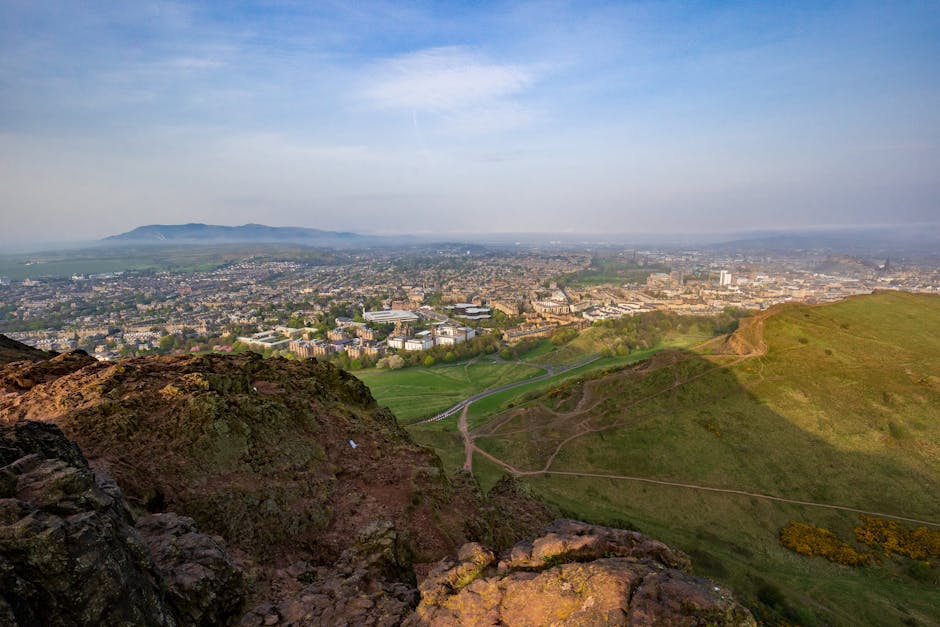
- Arthur’s Seat and Salisbury Crags in bad weather or the wrong shoes. Mountain rescue is called out to a city-centre hill more often than you would think.
- Unlicensed “taxis” outside clubs. Use a black cab from a rank or a pre-booked app car.
Walking alone at night in the central and residential areas is normal and widely done. Emergency number is 999 (112 also works); 111 is NHS 24 for urgent but non-emergency medical advice. Pharmacies — look for a green cross, and “chemist” is the local word — handle most minor problems without an appointment.
Accessibility, Hills and Stairs
Be honest with yourself about this one, because Edinburgh will not be. The Old Town is built on a glacial ridge and its charm is inseparable from its gradients: the Royal Mile descends 60-odd metres from the Castle to Holyrood, and the closes running off it are stairs, not slopes.
- The New Town is flat and grid-planned — much easier going, and where to stay if mobility is a concern.
- Every Lothian bus and tram is low-floor and step-free. The tram is the easiest way across the centre with a wheelchair or a pushchair.
- The National Museum of Scotland, the Scottish National Gallery and the Portrait Gallery are fully accessible. Edinburgh Castle is partially so, with a courtesy vehicle up the steep approach if you arrange it.
- Setts are hard work for wheels and for anyone unsteady. Where there is a smooth pavement alongside, use it.
- The Mound, Victoria Street, Cockburn Street and Calton Hill are all steeper than they look on a map.
Practical Odds and Ends
- Plugs: UK Type G, three rectangular pins, 230V. Bring an adapter; most hotels do not lend them out.
- Tap water is excellent and free. Ask for it anywhere. Refill points are widespread.
- Smoking is banned indoors everywhere, and within 15 metres of hospital buildings. Vaping follows the same indoor rules in most venues.
- Shop hours are roughly 09:00–18:00, later on Thursdays, and shorter on Sundays (typically 11:00–17:00). Supermarkets in Scotland are not bound by England’s Sunday trading restrictions.
- Alcohol cannot be sold in shops before 10am or after 10pm — a Scotland-wide rule that surprises people looking for wine at 10.30pm.
- Public toilets are scarce. Museums, galleries, department stores and the big stations are your friends.
- Wi-Fi is free in most cafés, museums and on Lothian buses. Mobile coverage is good, though it drops in the deeper closes and the vaults.
- Left luggage is available at Waverley and through several city-centre shops if you have a late train.
- Tax-free shopping no longer exists in Great Britain. The VAT refund scheme for visitors was abolished in 2021, so do not queue at the airport for it.
A Few Words You Will Hear
Everyone speaks English. Some of it will still be new.
| Word | Meaning |
|---|---|
| Close (rhymes with “dose”) | A narrow alley off the Royal Mile, often covered and often stairs |
| Wynd | A slightly wider lane, historically open to carts |
| Sett | The squared granite block everyone else calls a cobble |
| Tenement | A traditional stone apartment block — a neutral word here, not a slur |
| Haar | Cold sea fog off the Firth of Forth |
| Ken | Know. “D’ye ken?” |
| Wee | Small. Applied to everything, including large things |
| Messages | Grocery shopping |
| Dreich | Grey, damp and miserable — the weather word you will need |
One point of etiquette worth more than any vocabulary: Scotland is not England, and Edinburgh is not “England’s other capital”. Nobody will take offence at an honest question, but the distinction matters here in a way that is easy to miss from outside.
Mistakes First-Time Visitors Make
- Staying only on the Royal Mile. It is the spine of the Old Town and the most touristed street in Scotland. Sleep one street back and eat two streets back — see our neighbourhood guide.
- Booking a Highlands day tour on day one. Fourteen hours in a minibus before you have seen the city you paid to visit.
- Underestimating the hills. Two flat kilometres on a map can be forty minutes and three flights of stairs.
- Paying for museums that are free. The National Museum of Scotland, the Scottish National Gallery, the Portrait Gallery and Modern One and Two all cost nothing.
- Eating on the Royal Mile by default. Walk five minutes in any direction and both the price and the food improve.
- Turning up to Edinburgh Castle without a ticket and losing an hour, or the whole slot.
- Assuming August is just “busy”. It is a structurally different city with different prices and different rules.
- Not budgeting for the levy. Five per cent on five nights is a nice dinner.
Our first-time Edinburgh tips goes further into the traps, and the trip planning checklist turns all of this into something you can tick off.
Edinburgh Travel Tips FAQs
Do I need a visa or an ETA to visit Edinburgh?
Scotland has no separate immigration rules — you enter the UK. Most visa-free visitors, including those from the US, Canada, Australia and the EU, now need a UK Electronic Travel Authorisation before travelling. It costs £20, covers multiple visits over two years, and usually comes back within three working days. British and Irish citizens do not need one.
How much is the Edinburgh tourist tax?
The visitor levy is 5% of your accommodation cost, charged before VAT on the first five consecutive nights of a stay. It started on 24 July 2026 and applies to all paid overnight accommodation in the city. On a three-night stay at £180 a night it adds about £27.
What currency does Edinburgh use?
Pounds sterling, the same as the rest of the UK. Three Scottish banks issue their own notes, which are fully backed and accepted everywhere in Scotland, though a shop in England may hesitate over one. Cards and contactless work almost everywhere, including on buses and trams.
How many days do you need in Edinburgh?
Three full days is the sweet spot for a first visit: enough for the Castle, the Old and New Towns, a hill, a couple of the free museums and one neighbourhood beyond the centre. Two days works for a weekend. Add a fourth or fifth day if you want a day trip.
Is Edinburgh expensive?
Accommodation is expensive, especially in August. Everything else is mid-range for a European capital, and the free national museums and galleries make it much cheaper than it looks. Excluding your room, £45–£60 a day is realistic if you are careful and £80–£120 buys a comfortable day.
Do I need a car in Edinburgh?
No, and it is an active disadvantage. The centre has bus gates, restricted streets and costly parking, and almost everything visitors want is within a 25-minute walk of Waverley. If you are continuing into the Highlands, pick the car up on the day you leave the city.
Is Edinburgh safe for tourists?
Yes. It is one of the safer large cities in the UK, and violent crime against visitors is rare. The realistic risks are pickpocketing on the Royal Mile in high season, drunken crowds on the Cowgate late at weekends, and slipping on wet setts and stone stairs. Emergency number 999; NHS 24 on 111.
What is the best month to visit Edinburgh?
May, early June and September give you long days, reasonable weather, normal prices and a city that is not overwhelmed. Come in August only if the festivals are the reason you are coming; come in January or February for the lowest prices and shortest days.
Can I claim VAT back on shopping in Edinburgh?
No. The UK abolished tax-free shopping for visitors in Great Britain in 2021, so there are no VAT refunds at Edinburgh Airport. The only remaining route is having a retailer ship your purchase directly to an address outside the UK.
Planning the Rest of Your Trip
With the practicalities settled, the fun part: our guides to things to do in Edinburgh, Edinburgh neighbourhood by neighbourhood, shopping in Edinburgh, where to stay, where to eat, Edinburgh after dark and day trips beyond the city. Travelling with children? Start with Edinburgh with kids. Watching the budget? Edinburgh on a budget is the place to begin.
Prices, fares and rules on this page were checked in September 2026. Transport fares changed on 22 February 2026 and the ETA fee changed on 8 April 2026; both are worth a quick re-check before you travel.
Go Deeper: The Practical Guides
Each of these takes one part of the practical layer above and works it through properly.
- London to Edinburgh by train — times, LNER vs Lumo, split ticketing and 2026 fares
- The Caledonian Sleeper — the four cabin types compared, and the early-arrival problem solved
- Edinburgh to Glasgow — the 42-minute train, the 24-hour coach, and why not to drive
- Edinburgh vs Glasgow — nine dimensions scored, and which city should be your base
- How many days you need in Edinburgh — what each extra day actually buys you
- The UK ETA and the visitor levy — the two 2026 rules that catch visitors out
- Is Edinburgh safe for tourists? — where the real risks are, and where they are not
- Tipping in Scotland — one clear rule per situation
- Scottish banknotes, cards and cash — why the money looks different and how much you need