Tipping in Scotland: How Much to Tip in Edinburgh (2026)
Tipping in Scotland is simpler than almost anywhere an American traveller has been, and the internet has managed to make it confusing anyway. Search the question and you will find tip calculators contradicting each other, percentages ranging from nothing to twenty, and a great deal of advice that appears to have been written by someone who has never stood at a Scottish bar.
The underlying reason it is simple is structural, and worth understanding before any of the percentages make sense: hospitality staff in Scotland are paid a legal minimum wage — £12.71 an hour for anyone aged 21 or over since April 2026 — regardless of whether anyone tips them. There is no tipped sub-minimum wage as there is in the United States. Nobody’s rent depends on your gratuity. Tipping here is a genuine thank-you, not a subsidy, and that changes what the right answer is in every situation below.
At a Glance: One Rule Per Situation
- Pub bar: nothing. Do not tip per drink. It is not expected and it is mildly awkward.
- Restaurant with table service: about 10%. Check the bill first for an added service charge.
- Café or takeaway counter: nothing. Round up or use the jar if you feel like it.
- Taxi: round up. A pound or two, or to the nearest round figure. No percentage.
- “Free” walking tour: £10–£15 per person. The guide is paid by you and nobody else. This is the tip that actually matters.
- Paid tour or day trip: £5–£10 per person for a good full day, if you enjoyed it.
- Hotel housekeeping: not customary. A few pounds at the end of a longer stay is a kind gesture, not an obligation.
- Service charge added? It is discretionary. You may ask for it to be removed, and staff will do so without argument.
- Since 1 October 2024, employers must pass on 100% of tips — card and cash — without deductions. The money reaches staff.
- Nobody is counting. Under-tipping in Scotland does not cause offence. Over-tipping causes mild embarrassment.
Situation by Situation
| Situation | What to give | Notes |
|---|---|---|
| Ordering at a pub bar | Nothing | To be generous, offer the bartender “and one for yourself” — they may take the price of a drink. |
| Table service in a restaurant | About 10% | Check for an added service charge first so you do not pay twice. |
| Fine dining | 10–12.5%, usually added | Most higher-end Edinburgh restaurants add a discretionary charge automatically. |
| Café, coffee shop, bakery | Nothing | Coins in the jar or rounding up is welcome and entirely optional. |
| Takeaway and chip shops | Nothing | Never expected. |
| Food delivery | £1–£3, or a small percentage in the app | Increasingly common. Not obligatory. |
| Black cab or private hire | Round up | £8.40 becomes £9 or £10. No percentage convention. |
| “Free” walking tour | £10–£15 per person | The guide pays the company for the slot. This is their entire income. |
| Paid guided tour or day trip | £5–£10 per person | For a good full-day tour. Nothing for a short paid walking tour is fine. |
| Hotel housekeeping | Nothing, or a few pounds at the end | Leave it in an envelope or somewhere obviously deliberate. |
| Hotel porter | £1–£2 per bag | Only in hotels that actually have porters. |
| Hairdresser or barber | 10% or round up | Common but not universal. |
| Whisky tasting or distillery tour guide | Nothing expected | Buying a bottle at the end is the local equivalent. |
The Pub Bar: Why You Do Not Tip
This is where visitors from tipping cultures get it most wrong, and it is worth explaining rather than just asserting.
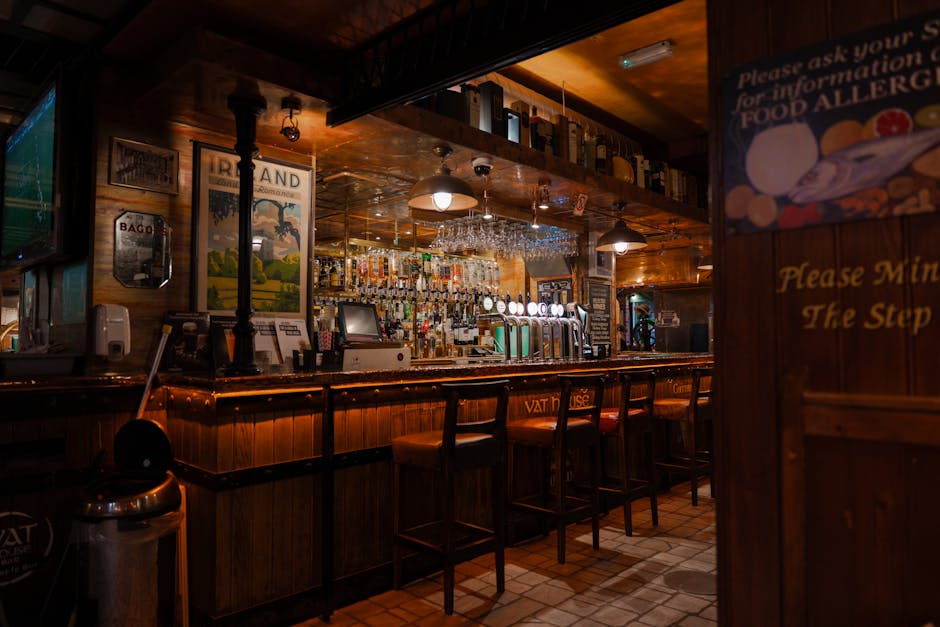
In a British or Scottish pub you go to the bar, order, pay, and carry your drink to your table. There is no table service, no tab kept by a server, no ongoing relationship over the course of the evening. The transaction is complete when you pick up the glass. Tipping a pound per pint in that context is not generous — it reads as slightly confusing, and in a busy pub it holds up the queue.
The traditional way to be generous, if you want to be, is to say “and one for yourself” when you order. The bartender will either add the price of a drink to your round and keep it, or thank you and decline. It is an old convention and it is still understood everywhere in Scotland.
The exception is a bar with genuine table service — some cocktail bars, hotel bars and the smarter end of the restaurant-bar category. If someone takes your order at the table and brings it to you, treat it like a restaurant and leave around 10%.
Service Charges: The Bit Nobody Explains
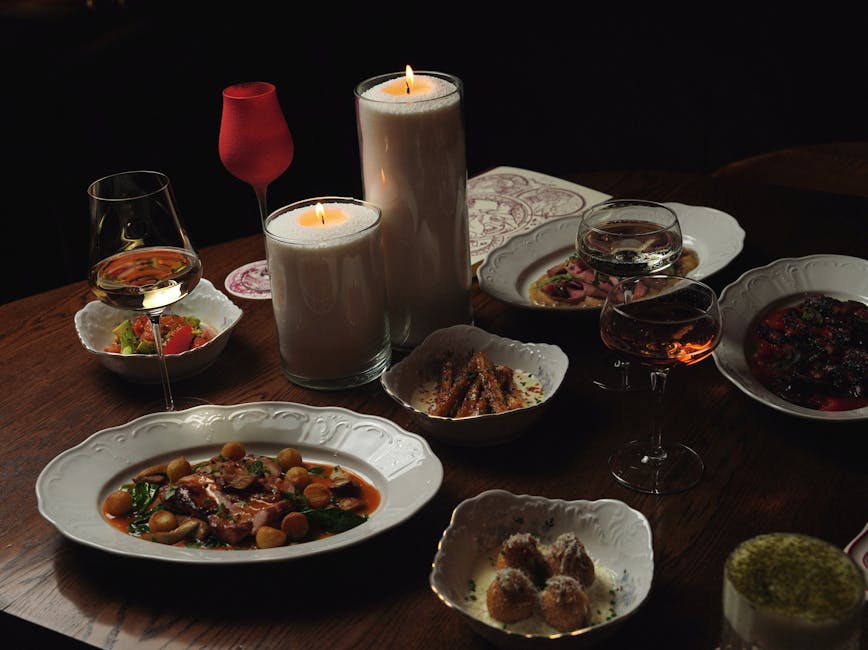
A large number of Edinburgh restaurants — particularly the busier and more expensive ones — add a service charge to the bill automatically, usually 10% and sometimes 12.5%. It will be listed as a separate line, typically described as “discretionary” or “optional”.
Two things follow, and both are genuinely useful to know:
- If a service charge has been added, that is the tip. You do not add another 10% on top. Visitors do this constantly, usually without noticing, and end up paying 20% in a country where 10% is generous.
- Discretionary means discretionary. You are entitled to ask for it to be removed, and in Scotland this is not a confrontation. Say “could you take the service charge off, please” and it will be taken off. Nobody will be rude to you about it.
The honest verdict: ask for it to be removed when the service was genuinely poor, and leave it when it was not. It is not a device to catch tourists out — it exists because it makes distribution across kitchen and floor staff simpler. But it is your money and the word on the bill is “discretionary” for a reason.
One more nuance: a service charge is not the same as a cover charge, and neither is the same as VAT. VAT is already included in every price you see on a Scottish menu — the number on the menu is the number you pay, before any service charge. There is no sales tax added at the till as there is in much of the United States.
Card or Cash: Where the Money Actually Goes
For years the honest advice was “tip in cash, because you cannot be sure a card tip reaches the person who served you”. That advice is now out of date, and the reason is a specific piece of law.
The Employment (Allocation of Tips) Act 2023 and its statutory code of practice came into force on 1 October 2024 and apply in Scotland as well as England and Wales. Employers must pass on all tips, gratuities and service charges to workers without deductions. They cannot skim a percentage for card processing, administration or anything else. Workers can enforce this through the employment tribunal system.
The honest verdict: card is now fine. Add the tip on the machine, or write it on the slip, and it reaches staff. Cash is still marginally more direct and some staff prefer it, but the old anxiety about card tips vanishing into the business is no longer well founded in the UK. Given how close to cashless Edinburgh has become — many bars and cafés no longer take cash at all — this matters.
A note on the card machine itself: an increasing number of Edinburgh card terminals now prompt with suggested tip percentages, sometimes starting at 10% or higher. This is a screen design decision by a payment provider, not a social norm. “No tip” is always an option and choosing it in a café or at a counter is completely unremarkable.
For American Visitors: A Direct Comparison
This is the largest single source of confusion, so here it is side by side.
| United States | Scotland | |
|---|---|---|
| Restaurant, table service | 18–22% expected | About 10%, or nothing if service is added |
| Bartender | $1–$2 per drink | Nothing |
| Staff pay | Tipped minimum wage in many states; tips make up the wage | Full statutory minimum — £12.71/hour for 21+ since April 2026 |
| Tax on the bill | Sales tax added at the till | VAT already included in the menu price |
| Taxi | 15–20% | Round up by a pound or two |
| Coffee counter | Jar or app prompt, commonly used | Nothing expected |
| Housekeeping | $2–$5 per night | Not customary |
| Not tipping | Read as an insult | Read as normal |
The honest verdict: if you are American, halve your instinct and then check the bill. A 20% tip in an Edinburgh restaurant is not read as generous so much as read as “American” — nobody minds, the money is welcome, but you are not correcting an injustice and you are not obliged. If you want to be genuinely generous here, 15% on top of a bill with no service charge is a substantial and warmly received tip.
The One Tip That Really Matters: Walking Tours
Edinburgh has a large “free” walking tour industry, and the word free is doing a lot of work. The model is that guides pay the operating company for each guest they take out, and are paid nothing else. Your tip is not a bonus on top of a wage; it is the wage, and the guide is out of pocket if you walk away without giving anything.
The going rate is £10 to £15 per person for a good two-hour tour. Less if the guide was poor, more if they were excellent. A family of four should be thinking in terms of £30 to £50, not £10 between them.
The honest verdict: if you would not pay £12 for the tour, book a paid one instead — the good paid operators charge in a similar range and pay their guides properly. What does not work is treating a free tour as actually free. Our guide to free walking tours in Edinburgh explains how the model works and which companies to look at, and the best Edinburgh tour companies covers the paid alternatives.
What Tipping Actually Adds to a Trip
Abstract percentages are hard to budget for, so here is a realistic three-day Edinburgh trip for two people, with the tips priced out.
| What you did | Bill | Tip |
|---|---|---|
| Three dinners with table service, two of which added service | c. £180 | £12 (only the one without a service charge) |
| Six pub visits | c. £90 | £0 |
| Three lunches at counters and cafés | c. £60 | £0 |
| One “free” walking tour, two people | £0 upfront | £24 |
| One paid ghost tour | c. £40 | £0–£5 |
| Two taxis | c. £18 | £2 in rounding |
| Three nights in a hotel | — | £0–£5 for housekeeping, optional |
| Total tipping | c. £40–£48 for two people over three days |
Two things stand out from that. The first is how small the total is by American standards — roughly £20 a head for three days. The second is that more than half of it goes to one walking-tour guide. If you take nothing else from this page: the tip that changes someone’s day here is the tour tip, not the restaurant one.
Splitting the Bill, and Other Small Frictions
A few conventions that are not tipping exactly, but which visitors ask about in the same breath.
- Splitting a bill is normal and unremarkable. Most Edinburgh restaurants will split across several cards without complaint. Splitting item by item across eight people at a busy service is less welcome; splitting evenly is instant.
- In a pub, rounds are the convention. A group takes turns buying drinks for everyone rather than each person paying for their own. Opting out is fine but say so early rather than after someone has bought you three.
- You pay at the bar in most pubs, including for food in many of them. The bill does not come to you; you go to it.
- “Are you paying together?” is a genuine question, not a hint. Answer it either way.
- Contactless is universal and many venues no longer take cash at all. Carry a card as the default and a small amount of cash for tour tips and donation boxes.
Tipping Beyond Edinburgh
If your trip includes a day out into the rest of Scotland, a few situations come up that do not arise in the city.
- Coach day trips to the Highlands, Loch Ness or Stirling. The driver is usually also the guide and has worked an eleven or twelve hour day. £5–£10 per person is generous and appreciated; nothing is not an insult. Many operators put an envelope or a word at the end — that is the moment.
- Distillery tours. Guides are salaried staff and no tip is expected. If you enjoyed it, buy something in the shop — that is what actually helps them.
- Bed and breakfasts and small guest houses. Often owner-run, in which case tipping the owner is slightly odd. A good review is worth more to them than £10.
- Self-catering and short-term lets. Cleaning is normally built into the fee and no tip is expected. If you have left a genuine mess, tidy it rather than paying someone to feel better about it.
- Private drivers and bespoke guides. Here the American convention travels better — 10% of a private day tour is a reasonable and welcome gesture.
The honest verdict on all of it: Scotland has a low-pressure tipping culture and it is a pleasant thing to travel in. Nobody is standing behind you calculating. Give something where a person clearly worked for you personally, give nothing where you served yourself, and check the bottom of the bill before you do either.
When Not to Tip
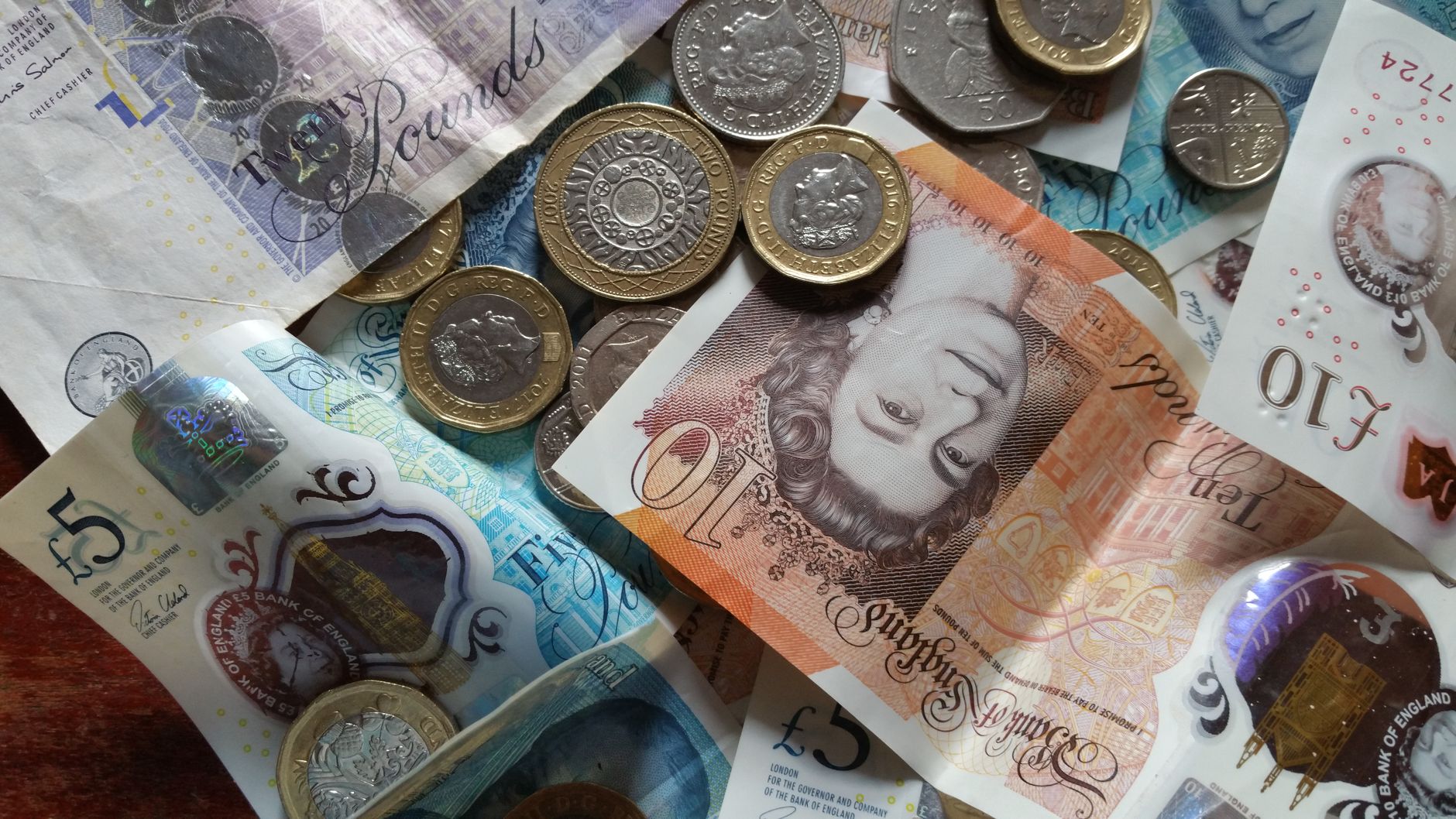
A short list of places where a tip is simply not part of the transaction, and offering one produces mild confusion rather than gratitude:
- Bus and tram drivers. Never. Fares are fixed and drivers do not handle tips.
- Museum and gallery staff. The national museums are free; put money in the donation box instead, which is genuinely useful to them.
- Shop assistants. Not a tipping context in any form.
- Pharmacists, doctors, NHS staff. Absolutely not, and it would be awkward for them.
- Anyone in a self-service or counter-order setting, including most cafés, bakeries and the majority of Edinburgh’s excellent cheap lunch places.
- Ticket inspectors, station staff, hotel receptionists. Not customary.
Practical Notes
- Round numbers are normal. On a £43 bill, leaving £48 is a perfectly good tip. Nobody calculates 10% precisely.
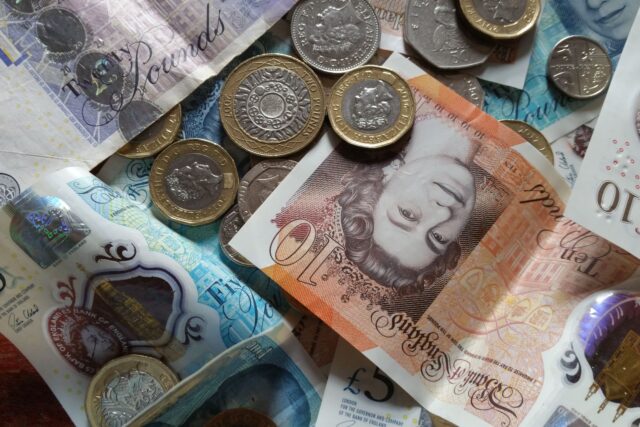
- Scottish banknotes are fine to tip with, obviously, and so are Bank of England notes. Both circulate here.
- Group bookings sometimes carry a compulsory service charge, usually for parties of six or more. Check the menu footnote before you order.
- Tipping does not change how you are treated. There is no culture of tipping to secure a table or better service; it is retrospective, not transactional.
- During the August festivals, performers at free Fringe shows and on the Royal Mile pass a bucket at the end. That is not a tip, it is the ticket price. Treat it as one.
Frequently Asked Questions
Do you tip in Scotland?
Sometimes, and less than you might expect. About 10% for restaurant table service, round up for a taxi, £10–£15 per person for a “free” walking tour, and nothing at all at a pub bar, a café counter or a takeaway.
How much do you tip in Edinburgh restaurants?
Around 10% where no service charge has been added. Check the bill first — many Edinburgh restaurants add a discretionary 10% or 12.5% service charge automatically, and if they have, that is the tip.
Do you tip bartenders in Scotland?
No. At a pub bar you order, pay and carry your own drink, and tipping per drink is not the convention. If you want to be generous, say “and one for yourself” when ordering. Bars with genuine table service are the exception — treat those like a restaurant.
Can I ask for the service charge to be removed?
Yes. A discretionary service charge is optional by definition. Ask politely and it will be taken off without argument. It is not considered rude in Scotland to do so.
Do card tips reach staff in the UK?
Yes. Since 1 October 2024 the Employment (Allocation of Tips) Act requires employers across Scotland, England and Wales to pass on all tips, gratuities and service charges to workers without deductions, enforceable through employment tribunals. Card tipping is now as reliable as cash.
How much should I tip a free walking tour guide in Edinburgh?
£10 to £15 per person for a good two-hour tour. Guides on “free” tours typically pay the operating company per guest and earn nothing else, so the tip is their entire income rather than a bonus.
Do you tip taxi drivers in Edinburgh?
Round up rather than calculate a percentage. An £8.40 fare becomes £9 or £10. There is no 15–20% convention as there is in the United States.
Is it rude not to tip in Scotland?
No. Staff are paid at least the statutory minimum wage — £12.71 an hour for those aged 21 and over since April 2026 — regardless of tips. Not tipping at a counter, a bar or a takeaway is entirely normal. Not tipping after good restaurant table service is a little ungenerous, but nobody will confront you.
Is VAT or sales tax added to the bill in Scotland?
No. VAT is already included in every displayed price, so the number on the menu is the number you pay. The only thing that may be added is a discretionary service charge, and that is optional.
Minimum wage rates and the Employment (Allocation of Tips) Act checked against GOV.UK in September 2026. Minimum wage rates change every 1 April; tipping conventions change far more slowly.
For where to spend the rest of your money, our Edinburgh food guide covers where to eat and what to try, Edinburgh taxis and ride-hailing explains the fares you will be rounding up, and Edinburgh travel tips covers the rest of the practical layer, from banknotes to bus fares.