Scottish National Gallery: What to See & Visitor Tips (2026)
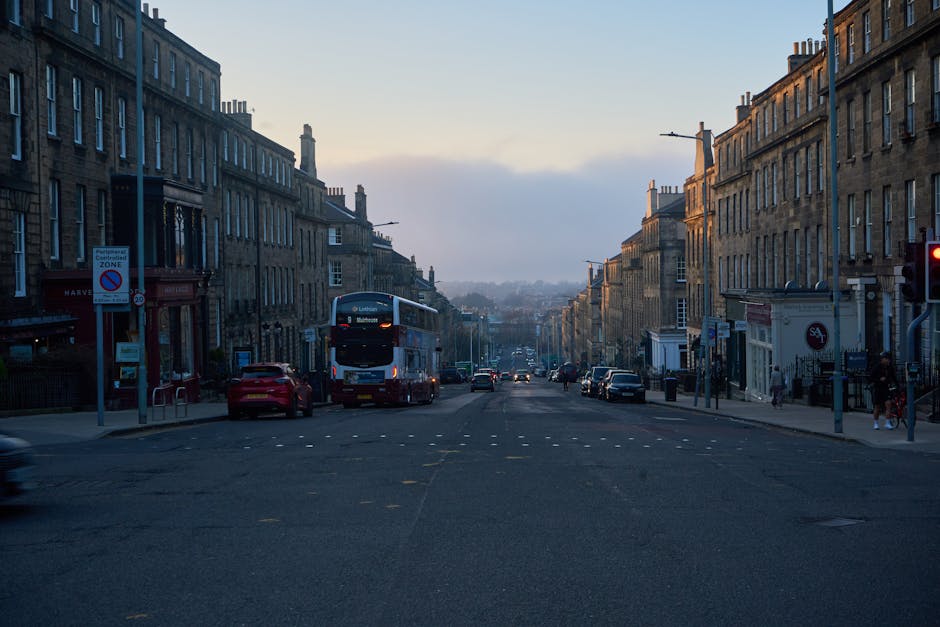
The Scottish National Gallery is Edinburgh’s most important art institution — a free-admission, world-class gallery on the Mound between the Old Town and Princes Street Gardens, holding masterpieces from Titian, Rembrandt, Vermeer, Velázquez, and the Impressionists alongside the most comprehensive collection of Scottish art anywhere. Following a major 2023 redevelopment, the new Scottish Galleries on the lower floor display the very best of Scottish painting from 1800 to 1945, while the historic upper galleries continue to house the international Old Masters collection. The whole experience is free.
This guide covers everything visitors need to know about the Scottish National Gallery: what to see, how to plan your visit, the new Scottish Galleries, the international collection highlights, and how to combine the gallery with the broader Edinburgh art scene. Information is current as of 2026 and based on the National Galleries of Scotland’s published collections data.

What Is the Scottish National Gallery?
The Scottish National Gallery (officially “The National”) is the centrepiece of the National Galleries of Scotland, alongside the Scottish National Gallery of Modern Art (Belford Road) and the Scottish National Portrait Gallery (Queen Street). Founded in 1859, the Scottish National Gallery occupies a William Henry Playfair-designed neoclassical building on the Mound — the artificial hill connecting the Old Town to the New Town via Princes Street Gardens.
The gallery holds approximately 5,000 European paintings, including works by Botticelli, Titian, Velázquez, Rembrandt, Vermeer, Constable, Turner, Monet, Cézanne, and Van Gogh. The collection is most strongly weighted toward 1300-1945 European art, with a particular emphasis on Scottish painting.
The 2023 redevelopment created new Scottish Galleries on the lower floor, presenting the strongest Scottish painting collection anywhere in the world.
For broader Edinburgh art context see our pillar guide on Edinburgh museums and galleries.
Must-See Paintings at the Scottish National Gallery
1. Sandro Botticelli — The Virgin Adoring the Sleeping Christ Child (c. 1490)
An exquisite small Botticelli panel. The contemplative composition is among the gallery’s most-photographed paintings.
2. Titian — Diana and Actaeon and Diana and Callisto (1556-59)
Two of the most important Renaissance paintings in any public collection. Painted for King Philip II of Spain, these large canvases depicting Ovid’s Metamorphoses spent centuries in royal collections before being acquired by the National Galleries of Scotland and the National Gallery in London jointly in 2009 for £45 million each. The Edinburgh display sees them rotated periodically with London.
3. Rembrandt — A Woman in Bed (c. 1645-46)
One of Rembrandt’s most intimate paintings. Believed to depict Geertje Dircx, his housekeeper and intimate companion. The lighting, the gesture, the psychological intimacy — pure Rembrandt.
4. Vermeer — Christ in the House of Martha and Mary (c. 1654-55)
Vermeer’s only surviving religious painting and his largest known work. One of just 36 paintings reliably attributed to Vermeer worldwide.
5. Velázquez — An Old Woman Cooking Eggs (1618)
An extraordinary early Velázquez bodegón (kitchen scene). The technical mastery in depicting eggs being cooked in olive oil is breathtaking.
6. Monet — Haystacks: Snow Effect (1891)

From Monet’s famous series. The gallery also holds important works by Cézanne, Gauguin, Van Gogh, Pissarro, and Degas.
7. Van Gogh — Olive Trees (1889)
Painted during Van Gogh’s time at the Saint-Rémy asylum. The characteristic swirling brushwork and post-impressionist palette.
8. Sir Edwin Landseer — The Monarch of the Glen (1851)
The iconic painting of a Highland stag — possibly the most reproduced Scottish image in the world. Acquired by the gallery in 2017 after a major fundraising campaign.
9. Henry Raeburn — Reverend Robert Walker Skating on Duddingston Loch (c. 1795)
Known affectionately as “The Skating Minister.” Among the most-loved Scottish paintings; the gallery’s de facto emblem.
10. The Glasgow Boys (Lavery, Henry, Hornel et al.)
The new Scottish Galleries showcase the late-19th-century Glasgow Boys school, including major works by Sir John Lavery, George Henry, E.A. Hornel, and James Guthrie.
The New Scottish Galleries (2023)
The 2023 redevelopment created seven new ground-floor Scottish Galleries presenting Scottish art from 1800 to 1945. Pioneering artists featured:
William McTaggart: The Scottish impressionist whose seascapes anticipated continental impressionism.
The Scottish Colourists (Peploe, Fergusson, Cadell, Hunter): Early 20th-century artists working in vivid colour palettes influenced by French post-impressionism.
Anne Redpath: Mid-20th century Scottish modernist.
Phoebe Anna Traquair: Arts and Crafts movement Scottish artist and muralist.
Charles Rennie Mackintosh: The architect-painter best known for the Glasgow School of Art. His watercolours are exquisite.
The Glasgow Boys and The Glasgow School.
The Scottish Galleries are arguably the gallery’s most significant recent acquisition — making the Scottish National Gallery one of the few institutions in the world genuinely competing on Scottish art alone.
Opening Hours and Admission
Hours: Daily 10am to 5pm. Extended hours (10am-7pm) on Thursdays.
Admission: Free. Some temporary exhibitions charge separately.
Address: The Mound, Edinburgh, EH2 2EL.
Closures: Christmas Day and Boxing Day only.
How Long to Spend at the Scottish National Gallery
Highlights visit (60-90 minutes): Botticelli, Titian, Rembrandt, Vermeer, Velázquez, Monet, Van Gogh, the Skating Minister, the Monarch of the Glen.
Standard visit (2-3 hours): Add the new Scottish Galleries thoroughly, plus a deeper read of the Italian Renaissance rooms.
Full visit (4+ hours): Cover all permanent galleries plus temporary exhibitions. Lunch in the café.
The Scottish National Gallery vs the Scottish National Portrait Gallery vs the Modern Art Gallery
The National Galleries of Scotland operates three distinct sites in Edinburgh:
Scottish National Gallery (The Mound): European and Scottish painting 1300-1945.
Scottish National Portrait Gallery (Queen Street): Portraits of Scottish figures from medieval to contemporary. Striking red sandstone Gothic Revival building. Free entry.
Scottish National Gallery of Modern Art (Belford Road): 20th and 21st-century art, including Henry Moore sculpture garden and major European modernist holdings. Free entry. See our companion guide on Gallery of Modern Art Edinburgh.
All three are free. Many visitors do the Mound’s Scottish National Gallery in a morning, then the Portrait Gallery in the afternoon, then the Modern Art Gallery on a second day.
The Scottish National Gallery Café and Shop
The Scottish Café (run by Contini) on the ground floor offers all-day breakfast, lunch, and afternoon tea with views down to Princes Street Gardens. Strong on Scottish ingredients. Reasonably priced for a city-centre location. Booking recommended for lunch.
The shop carries a strong art book selection, replica prints, jewellery, and Scottish-design merchandise.
Tips for Visiting
Use the audio guide. The free highlights audio guide is genuinely excellent — narrated by curators with engaging commentary on each work.
Visit Thursday evening. Extended hours until 7pm offer a quieter post-work experience.
Time the Scottish Galleries for late afternoon. Most visitors hit the international Old Masters first; the new Scottish Galleries are often quieter from 3pm onwards.
Look for free tours. Free curator-led tours run several times a week on rotating themes. Check the website calendar.
Don’t skip the upper landings. The connecting spaces between the main galleries often contain significant works that visitors miss.
Combine with Princes Street Gardens. The gallery sits at the edge of Princes Street Gardens — a perfect post-gallery walk.
Accessibility
Full step-free access to all gallery spaces via lifts. Manual wheelchairs available to borrow at reception. Large-print labels available for visitors with low vision. Audio descriptions available for selected paintings. Quiet hours scheduled monthly.
How to Get There
From Princes Street: 5 minutes via the Mound steps.
From Edinburgh Castle: 10 minutes downhill via the Royal Mile and the Mound.
From Waverley Station: 5 minutes via Princes Street and the Mound.
By tram: St Andrew Square (8 minutes’ walk).
By bus: Multiple Lothian Bus routes stop on Princes Street and on the Mound.
Frequently Asked Questions
Is the Scottish National Gallery free?
Yes — admission to all permanent collections is free. Some temporary blockbuster exhibitions charge separately (typically £10-£18). Donations are encouraged.
What time does the Scottish National Gallery open?
Daily 10am to 5pm. Thursday extended hours until 7pm. Closed Christmas Day and Boxing Day only.
What are the most famous paintings at the Scottish National Gallery?
Titian’s “Diana and Actaeon” and “Diana and Callisto”; Rembrandt’s “A Woman in Bed”; Vermeer’s “Christ in the House of Martha and Mary”; Velázquez’s “An Old Woman Cooking Eggs”; Raeburn’s “Reverend Robert Walker Skating on Duddingston Loch” (“The Skating Minister”); Landseer’s “The Monarch of the Glen”; major Monet, Van Gogh, and Cézanne works.
Where is the Scottish National Gallery in Edinburgh?
On the Mound — the artificial hill connecting the Old Town to Princes Street Gardens. 5 minutes’ walk from Princes Street, 10 minutes from Edinburgh Castle.
How long does it take to visit the Scottish National Gallery?
60-90 minutes for the highlights. 2-3 hours for thorough exploration including the new Scottish Galleries. 4+ hours for a deep dive.
Is the Scottish National Gallery good for kids?
Reasonably so. Smaller than the National Museum of Scotland and more obviously adult-oriented, but family trails are available and the Scottish Galleries’ strong narrative paintings work well with primary-age children.
What is the difference between the Scottish National Gallery and the Scottish National Portrait Gallery?
The Scottish National Gallery (Mound) holds European and Scottish painting 1300-1945. The Scottish National Portrait Gallery (Queen Street) holds portraits of Scottish figures from medieval to contemporary. Both are free and worth visiting; they’re different in focus and visual experience.
Can you take photos at the Scottish National Gallery?
Yes — personal photography is permitted in most rooms, without flash. Tripods are not allowed. Some temporary exhibitions restrict photography.
Is there a café at the Scottish National Gallery?
Yes. The Scottish Café (run by Contini) offers all-day breakfast, lunch, and afternoon tea with views over Princes Street Gardens. Reasonably-priced and well-reviewed.
What is the Skating Minister?
“The Reverend Robert Walker Skating on Duddingston Loch” (c. 1795) is the gallery’s de facto emblem — Henry Raeburn’s elegantly composed painting of a Edinburgh minister skating on Duddingston Loch. One of the most-loved Scottish paintings.
Final Thoughts
The Scottish National Gallery is one of Britain’s great free art institutions — comparable to the Wallace Collection or the Courtauld in London for quality, with the addition of the world’s most comprehensive collection of Scottish painting. Plan at least 90 minutes; allow more for the new Scottish Galleries. Don’t miss the Titians, the Rembrandt, the Vermeer, the Skating Minister, and the Monarch of the Glen.
For more, see our pillar guide on Edinburgh museums and galleries, our National Museum of Scotland guide, our free things to do in Edinburgh piece, and our upcoming Gallery of Modern Art Edinburgh guide.


