New Rules for Visiting Edinburgh in 2026: UK ETA & the Visitor Levy
Two things changed for visitors to Edinburgh that did not apply to anyone who came here a few years ago. The first is a document: most non-British travellers now need an electronic travel authorisation before they board a plane to the UK, and it costs £20 a head. The second is a charge: since 24 July 2026 every paid overnight stay in the city carries a 5% visitor levy, the first city-wide tourist tax in the United Kingdom.
Neither is complicated, but both are easy to be caught out by — the ETA because it must be in place before you travel and cannot be fixed at the airport, the levy because it usually does not appear in the headline room rate you compare on a booking site. This guide covers exactly who needs what, what each costs in 2026, how to apply without being overcharged by a copycat website, who is exempt, and what the two together actually add to a typical trip.
At a Glance: What Is New in 2026
- UK ETA: £20 per person, per application. Not a visa. Required before you travel.
- It applies UK-wide. Scotland has no separate scheme and no border check coming from England.
- British and Irish citizens do not need one, nor does anyone who already holds UK immigration status.
- Valid two years or until your passport expires, whichever comes first. Multiple entries, up to six months per visit.
- Decisions usually arrive within three working days. Apply before you book anything you cannot change.
- Children need their own. There is no family application and no discount.
- Visitor levy: 5% of the accommodation cost, before VAT, on the first five consecutive nights only.
- It started on 24 July 2026 and applies to hotels, hostels, B&Bs, self-catering, campsites and short-term lets alike.
- A £180-a-night room for three nights adds about £27. Not ruinous, but not nothing, and rarely in the price you compared.
- Only use gov.uk and the official UK ETA app. Copycat sites charge £60–£90 to fill in the same free-to-access form.
Part One: The UK Electronic Travel Authorisation
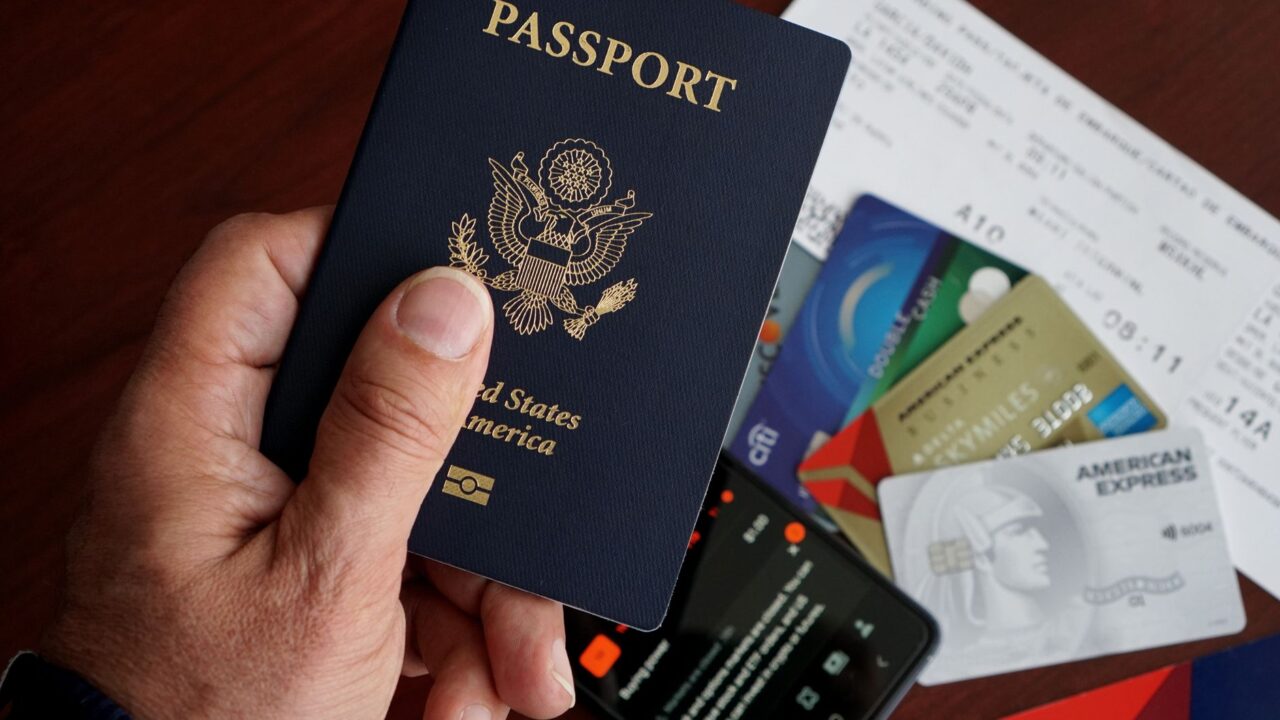
The ETA is the UK’s version of the US ESTA or the EU’s forthcoming ETIAS: a pre-travel permission, checked digitally, linked to your passport. It does not go in your passport, there is nothing to print, and no stamp is issued. Airlines check it before boarding, which is the crucial practical point — you are stopped at the departure gate, not at the UK border.
Is there a separate UK ETA Scotland requirement?
No. This is the single most common misunderstanding and it is worth stating plainly: there is no Scotland-specific authorisation, no Scottish entry fee, and no immigration check when you cross from England into Scotland by road or rail. Scotland is part of the United Kingdom, so the UK ETA is what applies. If you are flying into Edinburgh Airport from outside the Common Travel Area, you clear UK border control here exactly as you would at Heathrow.
Who needs one, and since when
| Traveller | ETA needed? | In force since |
|---|---|---|
| United States, Canada, Australia and other visa-exempt non-European nationals | Yes | 8 January 2025 |
| EU and EEA nationals, plus Andorra, Monaco, San Marino, Switzerland and Vatican City | Yes | 2 April 2025 |
| British citizens | No | — |
| Irish citizens | No | — |
| Anyone with existing UK immigration status, including settled and pre-settled status | No | — |
| Nationals who need a visitor visa for the UK | No — you need the visa instead | — |
The rule of thumb: if you previously arrived in the UK on the strength of your passport alone, with no visa and no paperwork, you now need an ETA. If you needed a visa before, nothing has changed and the ETA is not for you.
What it costs, and what the £20 buys
The fee is £20 per person and it is non-refundable, including if the application is refused. That figure has moved twice: it launched at £10 in October 2023, rose to £16 in April 2025, and has been £20 since 8 April 2026. It is entirely plausible that it rises again, so check the fee at the moment you apply rather than trusting an older guide — including this one.
- Validity: two years from issue, or until your passport expires — whichever comes first.
- Entries: multiple. You can come and go as often as you like within the validity period.
- Length of stay: up to six months per visit, at the border officer’s discretion as before.
- Tied to the passport you applied with. Renew your passport and you need a new ETA, even if the old one has time left.
- Purpose: tourism, visiting family, short business trips, short courses. It is not permission to work or to settle.
The honest verdict: £20 for two years of multiple entries is not an unreasonable charge in itself — it works out at less than a single bus fare per trip for anyone who visits more than a couple of times. What is genuinely irritating is that it applies per person with no family rate, so a couple with two children pays £80 before booking a single night. Budget for it as a party cost, not a personal one.
How to apply — and how to avoid paying triple
There are exactly two official routes: the UK ETA app, and the application page on gov.uk. Both charge the same £20. Everything else is a reseller.
The copycat problem on this is serious. Search for “UK ETA” and you will find a wall of official-looking sites with Union Jack styling and domain names containing words like “gov” or “uk-eta”. They charge £60 to £90 to submit the same free form on your behalf, and some of them are not obviously distinguishable from the real thing on a phone screen. The rule is simple: if the address bar does not end in gov.uk, close the tab.
What you will need to hand: your passport, a digital photograph of yourself taken during the application (the app scans your face), a payment card, and answers to a short set of suitability questions about criminal convictions and previous immigration history. The whole thing takes about ten minutes.
Timing: how early is early enough
Most decisions come back within three working days. Many arrive within minutes. But “most” is doing real work in that sentence — a small proportion of applications are referred for further checks and take considerably longer, and there is no expedited service to buy your way out of it.
Apply as soon as you have decided to come, and certainly before you book non-refundable flights or accommodation. There is no advantage to waiting: the two-year validity runs from issue, and an ETA granted in January is perfectly good for a trip in November.
Children, families and transit
Every traveller needs their own ETA regardless of age. There is no family application, no group submission and no reduced rate for children — a newborn requires the same £20 authorisation as an adult. An adult can complete the application on a child’s behalf.
Transit is the one area where we would not want you to rely on a guide. The rules on passengers connecting airside through a UK airport without passing through border control have been adjusted more than once since the scheme launched. If your journey involves changing planes in the UK rather than entering it, check the current position on gov.uk directly before you travel.
What happens if you turn up without one
You do not get on the plane. Carriers are checked and fined for boarding passengers without valid authorisation, so the airline’s check-in system simply refuses you. There is no desk at the airport that will sell you one, and no discretionary override. This is why the ETA belongs on the same mental list as your passport, not on the list of things you sort out at the last minute — and why it sits near the top of our Edinburgh trip planning checklist.
Part Two: The Edinburgh Visitor Levy

Edinburgh is the first city in the United Kingdom to charge a visitor levy, and it has been doing so since Friday 24 July 2026. Scotland’s Visitor Levy (Scotland) Act 2024 gave councils the power; Edinburgh went first, and other Scottish local authorities are working through their own schemes behind it.
The rule in one paragraph
You pay 5% of the accommodation charge, calculated before VAT, on the first five consecutive nights of any paid overnight stay in the City of Edinburgh Council area. Night six onwards is free of it. The percentage applies to the room or pitch cost only — not to parking, meals, drinks, spa treatments or anything else on the bill. It applies regardless of why you are in the city; there is no leisure-versus-business distinction.
What counts as accommodation
Broadly, everything. The scheme deliberately avoids creating a loophole for one category of stay over another.
- Hotels and aparthotels
- Bed and breakfasts and guest houses
- Hostels — including dorm beds
- Self-catering apartments, holiday lets and short-term lets
- Student accommodation when it is let to visitors
- Caravan parks and campsite pitches
- Vessels and vehicles that stay in one place — a moored boat or a static campervan pitch counts
What it actually costs you
| Stay | Nightly rate | Nights charged | Levy added |
|---|---|---|---|
| Hostel dorm bed, four nights | £35 | 4 | c. £7 |
| Mid-range double, three nights | £180 | 3 | c. £27 |
| Mid-range double, seven nights | £180 | 5 (cap applies) | c. £45 |
| Festival-period apartment, five nights | £320 | 5 | c. £80 |
| Budget chain hotel, two nights | £95 | 2 | c. £9.50 |
The five-night cap matters more than it first appears. It means the levy is a fixed maximum rather than an open-ended tax on length of stay, and it quietly rewards longer trips — the marginal cost of nights six through ten is zero. If you were wavering between five nights and a week, this is a small thumb on the scale in favour of the week.
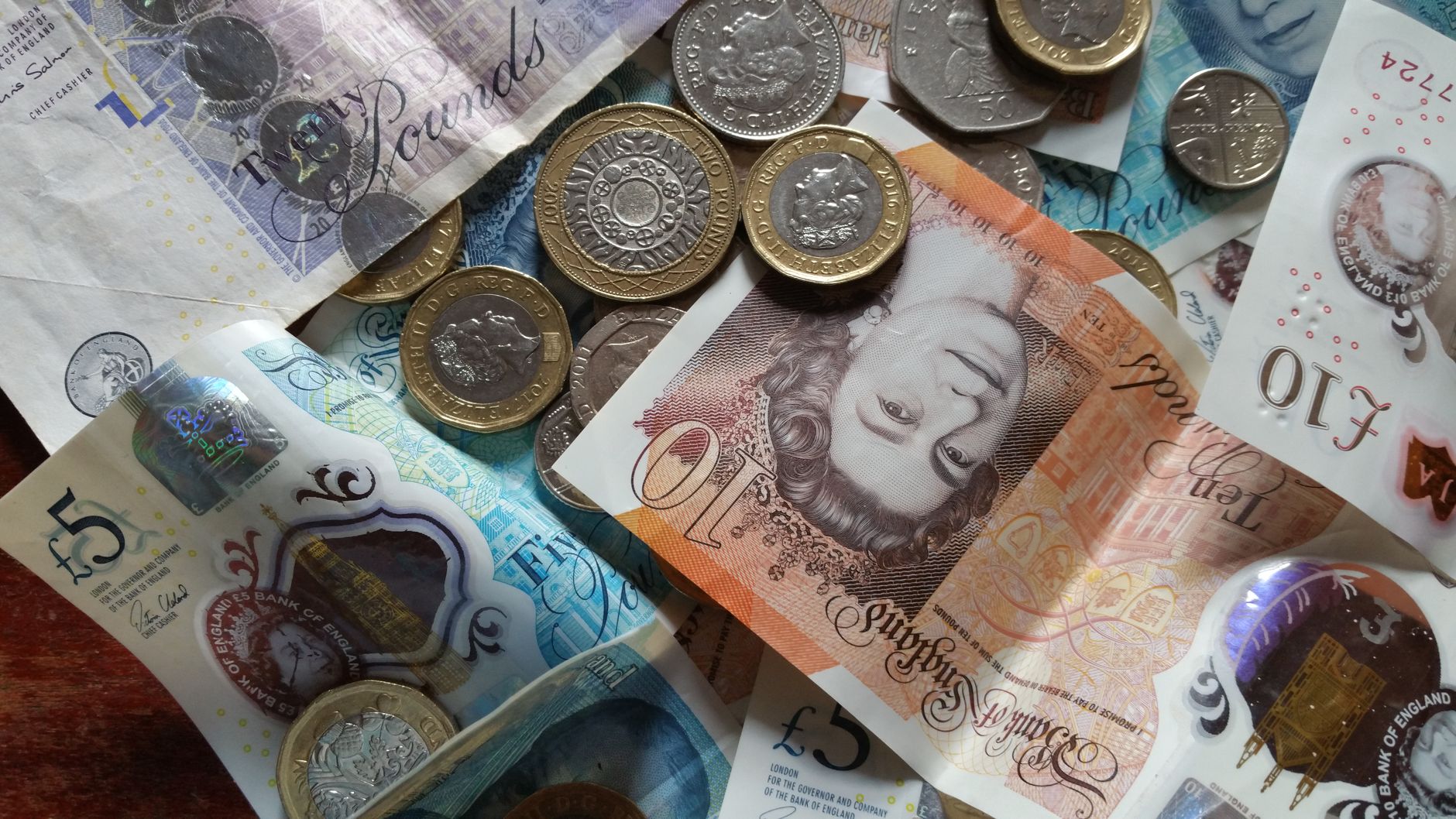
Where you will actually encounter it
Your accommodation provider is legally liable for the levy and collects it from you, then files quarterly returns to a national online portal. In practice this means one of two things: either the levy is folded into the total you pay at booking, or it appears as a separate line when you settle up.
The honest verdict: the annoyance is not the 5% — it is that comparison sites overwhelmingly show pre-levy nightly rates, so the number you compared across six hotels is not the number you will pay at any of them. Add roughly 5% to every quote before you decide, and the levy stops being a surprise. It is worth building into your figures alongside the other real costs in our Edinburgh on a budget guide.
The pre-October 2025 exemption
Stays on or after 24 July 2026 that were booked and paid for, in part or in full, before 1 October 2025 are not subject to the levy. This was designed to protect people who had already committed money under the old rules. If you booked a long way ahead and paid a deposit before that date, check your confirmation — you may be exempt without knowing it, and it is worth raising with the property rather than assuming they have applied it.
Who is exempt — and the catch
The scheme carries exemptions written into the Visitor Levy (Scotland) Act and the council’s own rules.
- People with no only or usual place of residence — this covers homeless people, refugees and asylum seekers, and people staying elsewhere because their housing is unsafe or unfit.
- Recipients of specified disability benefits: Disability Living Allowance, Disability Assistance, Attendance Allowance, Pension Age Disability Benefit and Personal Independence Payment.
- Charities and their trustees, at the council’s discretion, where the overnight stay is wholly or mainly for charitable purposes.
Here is the part that is not advertised: exempt guests still have to pay the levy to their accommodation provider and then claim it back from the council afterwards, with evidence — a benefit award letter, the booking confirmation and proof of payment. The exemption is a reimbursement, not a waiver at the till. If you qualify, keep your paperwork and budget for the money leaving your account before it comes back. The council’s visitor levy team can be reached on 0131 200 2331 or at [email protected].
Note also that no blanket exemption for children is stated in the scheme. A family room is charged on the room rate, not per head, so this matters less in practice than it sounds.
What the money is for
The council projects the levy could raise up to £50 million a year. The stated priorities are visitor and resident infrastructure, the city’s cultural and heritage offer, and responses to environmental pressure — with a mechanism for residents to direct some of the spend in their own neighbourhoods. Whether it lands that way is a fair question and one Edinburgh will be arguing about for years. As a visitor, the practical point is narrower: it is a real 5% and it is not optional.
What Has Not Changed
Three things people often assume have changed, and have not:
- There are still no VAT refunds for visitors. The VAT Retail Export Scheme was abolished in 2021 and there is no refund desk at Edinburgh Airport. The only remaining route is having a retailer ship your purchase directly to a non-UK address. Northern Ireland has separate rules.
- There is no internal UK border. Travelling from London to Edinburgh by train, coach or car involves no checks of any kind. The arrival at Waverley is a walk up a ramp.
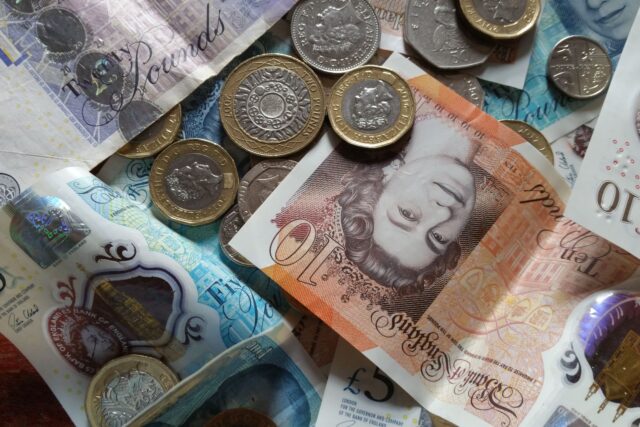
- The currency is unchanged. Scotland uses pounds sterling. Scottish banknotes look different from English ones and are universally accepted here.
What the Two Rules Add to a Real Trip
| Party | ETA cost | Levy on 3 nights at £180 | Total new cost |
|---|---|---|---|
| Solo traveller from the US | £20 | c. £27 | c. £47 |
| Couple from Germany | £40 | c. £27 (shared room) | c. £67 |
| Family of four from Canada | £80 | c. £27–£54 depending on rooms | c. £107–£134 |
| Visitor from Dublin | £0 — Irish citizens exempt | c. £27 | c. £27 |
| Visitor from Manchester | £0 | c. £27 | c. £27 |
The honest verdict: for most visitors this is a one-off of somewhere between £27 and £110 on a trip that will cost several times that. It is not a reason to go elsewhere. It is a reason to plan a couple of weeks earlier than you otherwise would, and to stop trusting the nightly rate on a comparison page.
Your Pre-Booking Checklist
- Check whether your nationality needs an ETA. If in doubt, assume yes unless you are British or Irish.
- Check your passport’s expiry date — the ETA dies with the passport.
- Apply on the UK ETA app or gov.uk. Count the applications: one per traveller, including babies.
- Wait for the decision before booking non-refundable travel.
- When comparing accommodation, add 5% to every quoted nightly rate for the first five nights.
- If you booked and part-paid before 1 October 2025, check whether your stay is levy-exempt.
- If you receive a qualifying disability benefit, bring your award letter and keep every receipt so you can claim the levy back.
Frequently Asked Questions
Do I need a UK ETA to visit Edinburgh?
If you are not a British or Irish citizen and do not already hold UK immigration status, almost certainly yes. Scotland has no separate scheme — the UK-wide ETA is what applies, whether you fly into Edinburgh or arrive from England.
How much does the UK ETA cost in 2026?
£20 per person, non-refundable even if refused. The fee has risen twice since launch — £10 in 2023, £16 in 2025 and £20 since 8 April 2026 — so confirm the current figure on gov.uk when you apply.
How long does an ETA take to come through?
Usually within three working days, and often within minutes. A minority of applications are referred for further checks and take longer, and there is no way to pay for a faster decision. Apply before booking anything non-refundable.
Do children need their own ETA?
Yes. Every traveller needs one regardless of age, at the full £20. There is no family application and no child rate, though an adult can complete a child’s application.
How much is the Edinburgh visitor levy?
5% of the accommodation charge, calculated before VAT, on the first five consecutive nights of a stay. A £180-a-night room for three nights adds roughly £27.
Does the visitor levy apply to Airbnb and hostels?
Yes. It covers hotels, aparthotels, B&Bs, guest houses, hostels including dorm beds, self-catering and short-term lets, student lets to visitors, campsites and caravan pitches, and stationary vessels and vehicles.
Who is exempt from the Edinburgh visitor levy?
People with no only or usual residence, recipients of specified disability benefits including PIP and Attendance Allowance, and charities staying for charitable purposes. Critically, exempt guests must pay the levy first and then claim reimbursement from the council with evidence.
Can I still claim a VAT refund on shopping in Edinburgh?
No. The VAT Retail Export Scheme was abolished in 2021 and there is no refund desk at Edinburgh Airport. The only remaining option is asking a retailer to ship your purchase directly to an address outside the UK.
Is there a border check between England and Scotland?
No. There is no immigration control of any kind on the internal UK border. If you have already entered the UK, travelling to Edinburgh by train, coach or car involves no further checks.
ETA fees and eligibility checked against Home Office guidance and visitor levy rules checked against the City of Edinburgh Council scheme documents in September 2026. Both are live policies and both have already changed once — verify the fee and the current rules before you apply.
With the paperwork settled, the rest is the enjoyable part. Our Edinburgh travel tips guide covers costs, transport and the practical layer of a first visit, where to stay in Edinburgh works through the neighbourhoods, and visiting Edinburgh on £50 a day shows what the city costs once the levy is in your figures.
More Edinburgh Travel Practicalities
- Scottish banknotes, cards and cash
- How many days you need in Edinburgh
- Whether Edinburgh is safe for tourists