Best Day Trips from Edinburgh: Complete Guide to Scotland Excursions (2026)

Edinburgh sits at the crossroads of Scotland’s most spectacular landscapes, historic towns, and coastal gems — making it the perfect base for unforgettable day trips. Whether you want to hike through the dramatic Scottish Highlands, explore medieval castles, stroll along golden beaches, or trace the footsteps of literary legends, you can do it all and be back in Edinburgh for dinner.
The best day trips from Edinburgh range from 20-minute train rides to charming seaside towns to full-day Highland adventures through some of Europe’s most breathtaking scenery. Many of these destinations are easily accessible by public transport, meaning you don’t need to hire a car to experience the best of Scotland beyond its capital.
If you’re still planning your trip, our guide to things to do in Edinburgh covers everything within the city itself. But once you’ve explored the Royal Mile and climbed Edinburgh Castle, these day trips will show you an entirely different side of Scotland.
Scottish Highlands Day Trips
The Scottish Highlands represent the ultimate day trip from Edinburgh — vast, wild, and utterly unforgettable. While you could spend weeks exploring every glen and loch, several well-planned day trips give you a genuine taste of Highland grandeur.
Loch Ness and the Great Glen
The most iconic Highland day trip takes you north through the Cairngorms National Park to Loch Ness, Scotland’s most famous body of water. At 23 miles long and reaching depths of 230 metres, this mysterious loch has captivated visitors for centuries with tales of the Loch Ness Monster. Most organised tours depart Edinburgh around 8am and return by 8-9pm, covering approximately 250 miles round trip.
Along the way, you’ll typically stop at Pitlochry or Aviemore in the Cairngorms, pass through Inverness — the capital of the Highlands — and cruise on Loch Ness itself. Many tours include a visit to Urquhart Castle, a dramatic ruin perched on the loch’s shoreline that dates back to the 13th century. Expect to pay £45-65 for a full-day coach tour, or £80-120 for a small group experience with no more than 16 passengers.
Glen Coe — Scotland’s Most Dramatic Valley
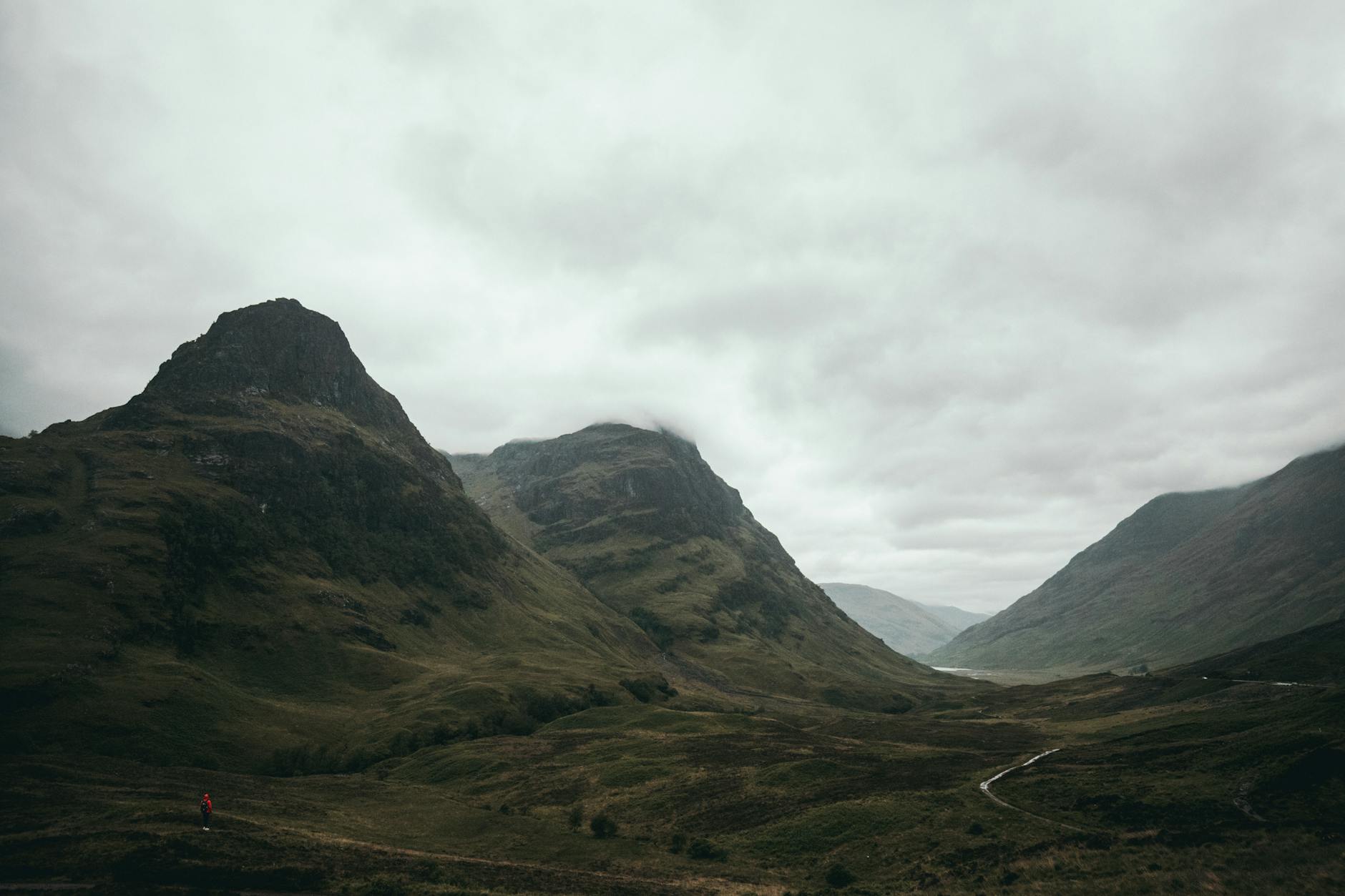
Glen Coe is arguably the most visually stunning valley in all of Britain. This ancient U-shaped glacial valley, roughly two hours northwest of Edinburgh, is framed by towering peaks including Buachaille Etive Mòr (the Great Herdsman of Etive) and the Three Sisters ridge. The valley has a haunting history too — it was the site of the infamous 1692 Massacre of Glencoe, when 38 members of the MacDonald clan were killed by government soldiers.
Day trips to Glen Coe typically combine the valley with other highlights such as Rannoch Moor, the Glenfinnan Viaduct (famous from the Harry Potter films), and Fort William. If you’re driving, allow at least 2 hours each way from Edinburgh. Organised tours usually run 10-12 hours and cost £40-65 per person. The scenery changes dramatically with the seasons — misty and atmospheric in autumn, snow-capped in winter, and lush green in summer.
Loch Lomond and The Trossachs National Park

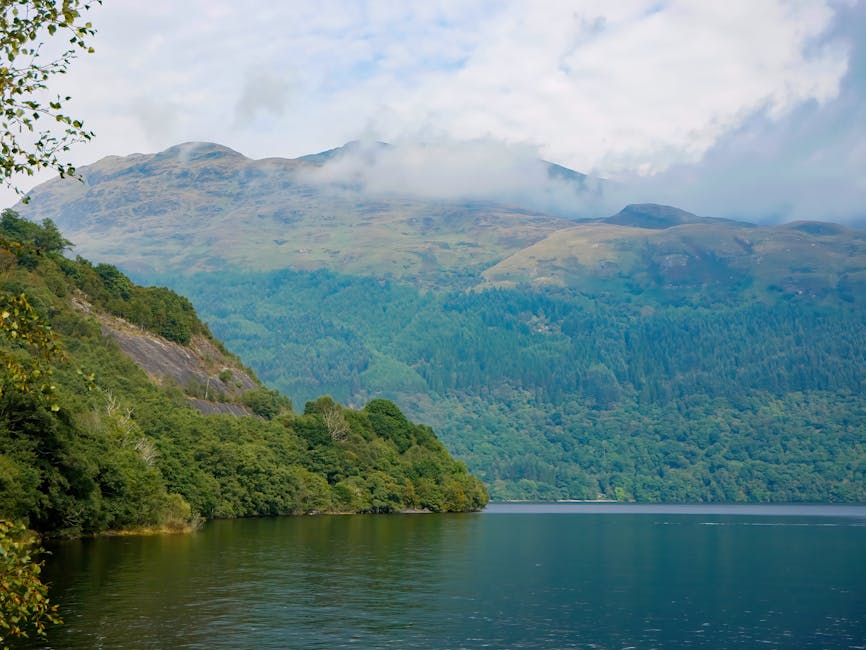
Loch Lomond is the closest National Park to Edinburgh and makes for a more relaxed Highland experience. As Britain’s largest inland stretch of water by surface area, the loch stretches 24 miles from Balloch in the south to Ardlui in the north, surrounded by 21 Munros (mountains over 3,000 feet). The Trossachs, often called “the Highlands in miniature,” offer the same dramatic scenery on a more accessible scale.
The drive takes roughly 90 minutes from Edinburgh, or you can join an organised tour that typically includes stops at The Kelpies sculpture in Falkirk and Stirling Castle. Activities at Loch Lomond include boat cruises (from £12), kayaking, paddleboarding, and hiking the West Highland Way — Scotland’s most famous long-distance trail, which passes along the loch’s eastern shore. The village of Luss on the western shore is particularly photogenic, with its stone cottages and flower-filled gardens.
Coastal and Seaside Day Trips
North Berwick — Edinburgh’s Favourite Beach Town

North Berwick is the easiest and most rewarding coastal day trip from Edinburgh. This picturesque seaside town sits just 25 miles east of the capital, reachable in 33 minutes by direct train from Edinburgh Waverley (£7-10 return). The town has a distinctly upmarket feel, with independent boutiques, artisan bakeries, and seafood restaurants lining its charming high street.
The main draws are the stunning beaches — West Bay and Milsey Bay both offer wide stretches of golden sand with views out to the volcanic island of Bass Rock, home to the world’s largest colony of northern gannets (over 150,000 birds). The Scottish Seabird Centre on the harbour offers live camera feeds of the wildlife and runs boat trips to Bass Rock and nearby Craigleith island (from £15 adults, seasonal April-October).
For history enthusiasts, Tantallon Castle stands three miles east of town — a dramatic 14th-century fortress perched on a cliff edge with a 50-foot curtain wall. Nearby Dirleton Castle, in the pretty village of Dirleton, has beautiful gardens and dates back to the 13th century. Both are managed by Historic Environment Scotland (entry £7-9 each).
South Queensferry and the Forth Bridges
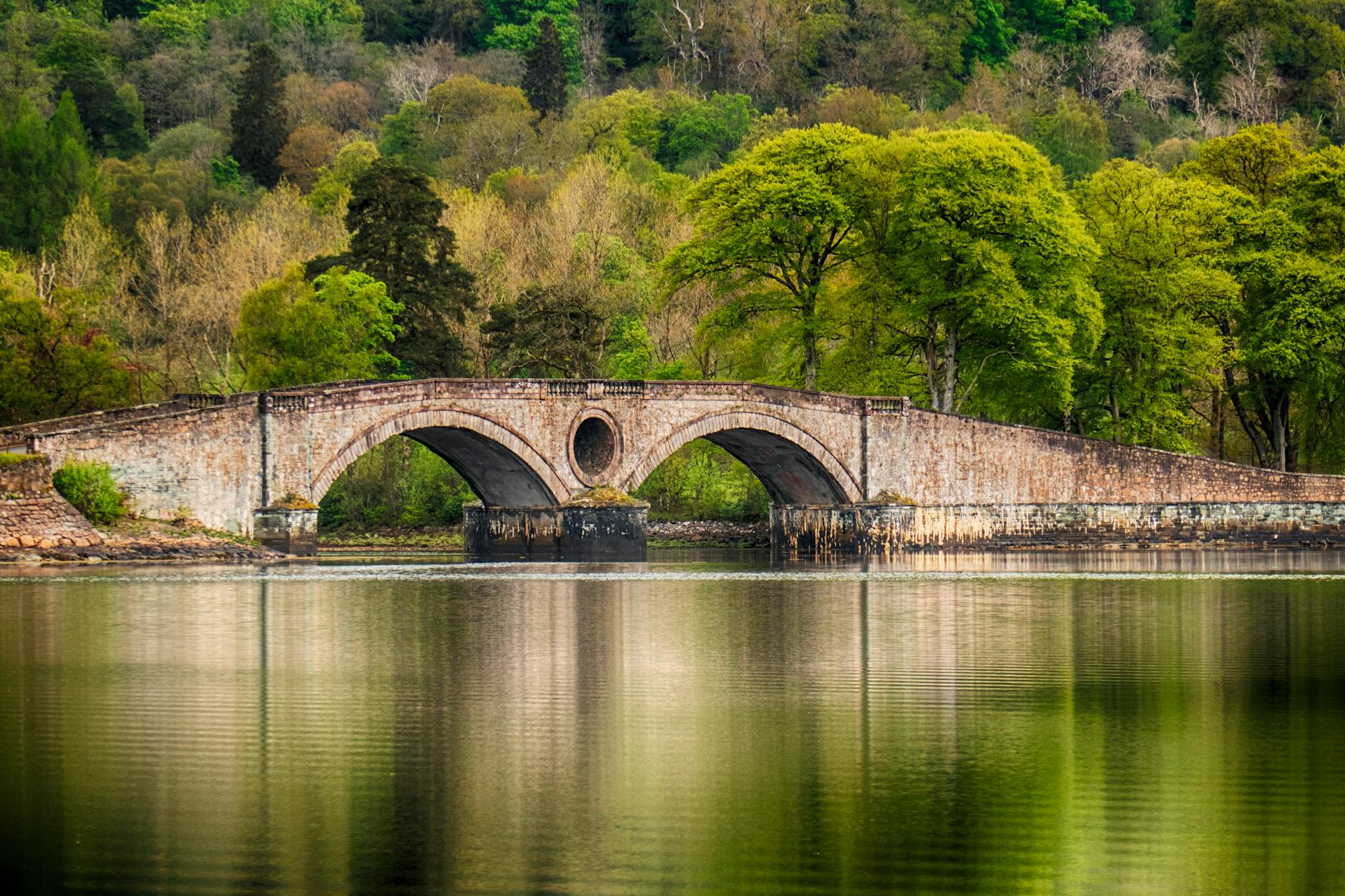
South Queensferry is one of the quickest day trips from Edinburgh — just 20 minutes by train or 30 minutes by bus (Lothian Buses 43). This historic royal burgh sits on the southern shore of the Firth of Forth, directly beneath three magnificent bridges spanning the estuary. The star attraction is the Forth Bridge, a Victorian-era cantilever railway bridge that has been a UNESCO World Heritage Site since 2015.
Built between 1883 and 1890, the Forth Bridge was one of the greatest engineering achievements of its age, using 55,000 tonnes of steel and measuring 2.5 kilometres in length. It still carries over 200 trains per day. Alongside it stand the Forth Road Bridge (1964) and the Queensferry Crossing (2017), creating one of the most impressive collections of bridge engineering anywhere in the world.
The town itself has a lovely high street with waterfront pubs and restaurants, and you can take a boat trip under the bridges or visit Inchcolm Island, home to one of Scotland’s best-preserved medieval abbeys. Dalmeny House, the stately home of the Earls of Rosebery, opens to visitors on select dates in summer.
The East Lothian Coast
Beyond North Berwick, the East Lothian coast stretches from Musselburgh to Dunbar, offering a string of beautiful beaches, golf courses, and charming towns. Gullane and its neighbouring Aberlady Nature Reserve are popular with birdwatchers and walkers, while Dunbar — birthplace of conservationist John Muir — has dramatic cliff-top paths and a ruined castle. The John Muir Way long-distance trail connects many of these coastal towns, and individual sections make excellent day walks.
Historic Towns and Cities
St Andrews — Home of Golf
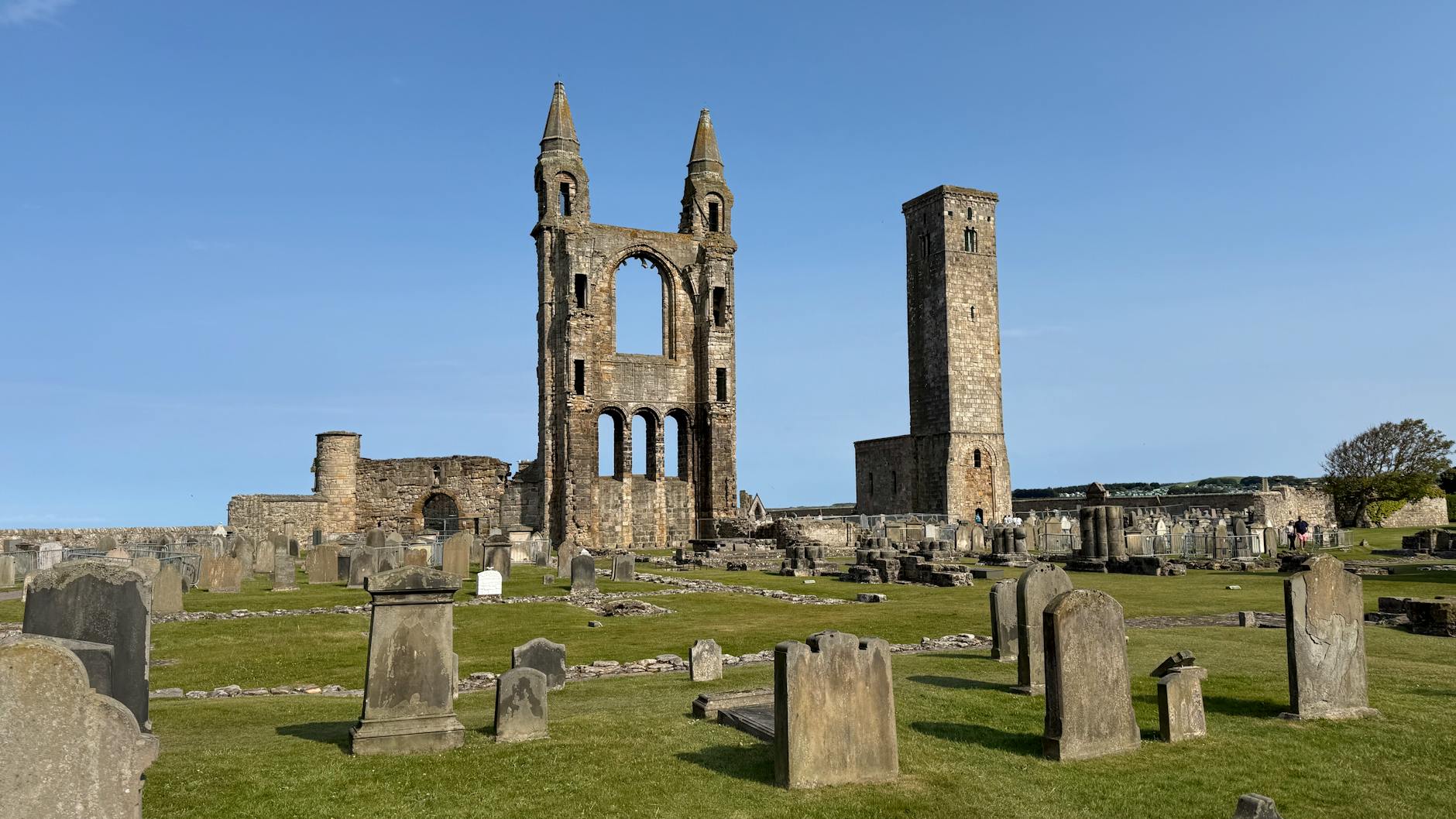
St Andrews needs little introduction. Known worldwide as the “Home of Golf,” this elegant coastal town in the Kingdom of Fife has drawn pilgrims, scholars, and golfers for centuries. The Old Course, where golf has been played since the early 1400s, is an almost spiritual experience for fans of the game — even if you can’t get a tee time, you can walk the famous Swilcan Bridge and along the fairways for free when the course is closed (Sundays and some evenings).
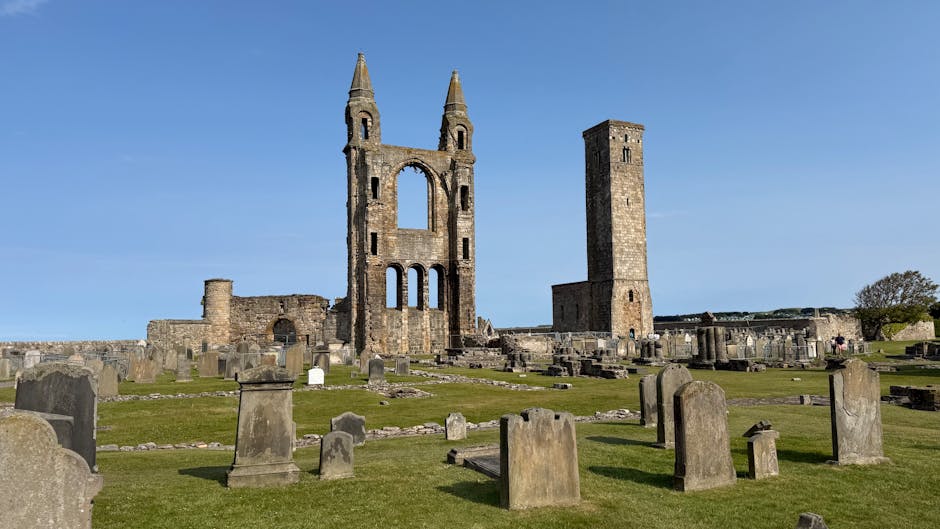
But St Andrews offers far more than golf. The University of St Andrews, founded in 1413, is Scotland’s oldest and one of Britain’s most prestigious — Prince William and Catherine Middleton famously met here as students. The medieval cathedral ruins, once the largest church in Scotland, stand dramatically on the clifftop above the North Sea. St Andrews Castle, with its remarkable bottle dungeon and counter-mine tunnels, tells the story of Scotland’s turbulent religious history.
Getting there takes about 90 minutes by car or by bus (Stagecoach X59 and X60 from Edinburgh Bus Station, £12-15 return). There’s no direct train, but you can take the train to Leuchars (1 hour from Edinburgh) and then bus or taxi the final 5 miles. The scenic Fife Coastal Path passes through St Andrews if you fancy walking part of the route.
Stirling — Scotland’s Historical Heart
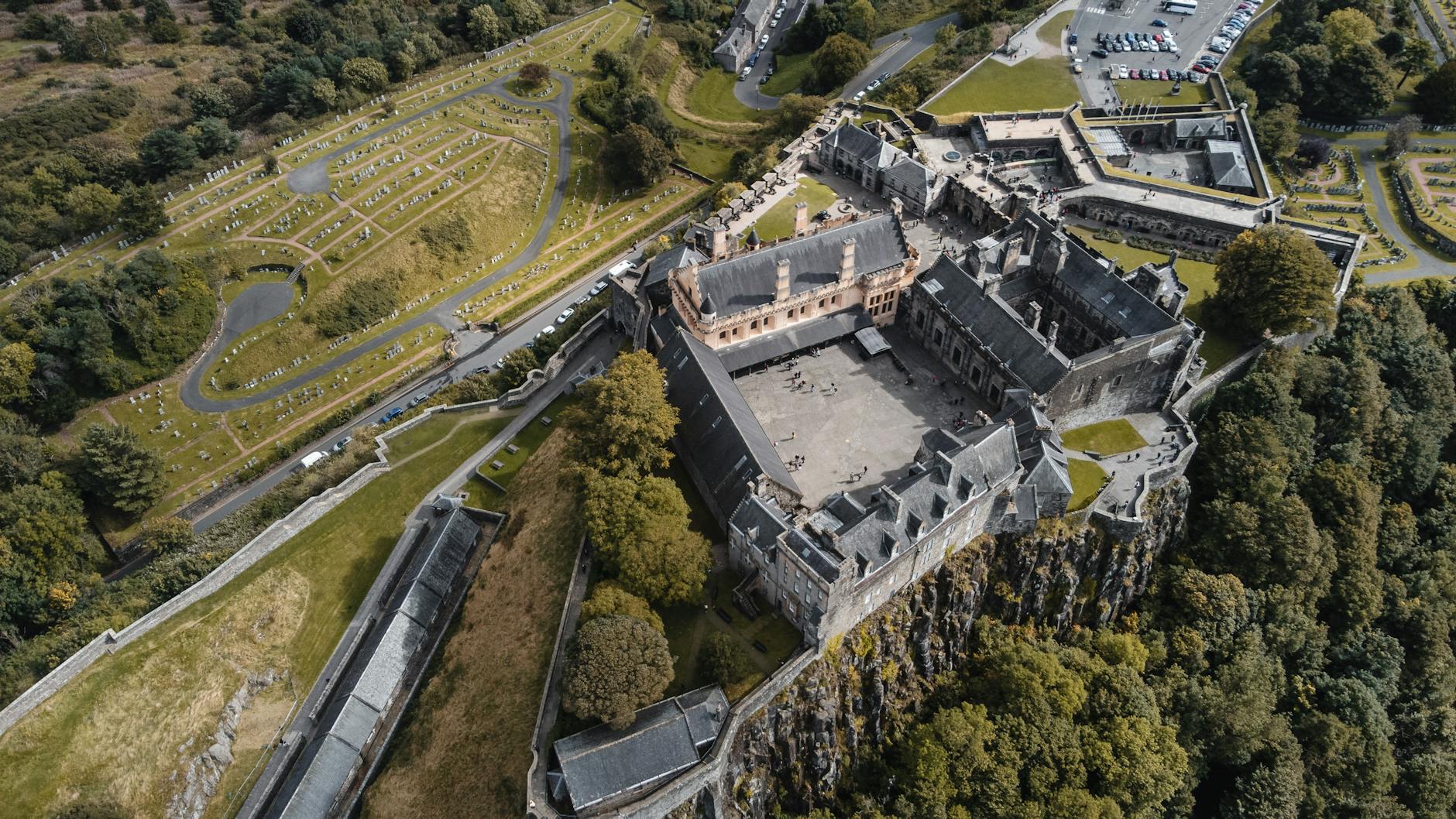
Stirling is one of the best day trips from Edinburgh by train — just 50 minutes from Waverley station, with trains running every 30 minutes (£12-16 return). This compact city punches well above its weight historically, having been the preferred residence of Scottish monarchs for centuries and the site of some of Scotland’s most important battles.
Stirling Castle dominates the city from its volcanic crag, and many visitors prefer it to Edinburgh Castle thanks to its beautifully restored Renaissance interiors. The Great Hall and the Royal Palace have been painstakingly returned to their 16th-century glory, complete with the famous Stirling Heads — carved oak medallions depicting kings, queens, and mythological figures. Entry costs £17 adults, and you should allow 2-3 hours for a thorough visit.
Below the castle, the Old Town retains its medieval street layout. The Church of the Holy Rude, where the infant James VI was crowned in 1567, is one of Scotland’s most important churches. A 15-minute walk from the castle takes you to the National Wallace Monument, a 220-foot Victorian tower on Abbey Craig hill that commemorates William Wallace’s victory at the Battle of Stirling Bridge in 1297. The climb to the top rewards you with panoramic views across central Scotland.
Glasgow — Scotland’s Largest City
Glasgow, Scotland’s largest city and cultural capital, is one of the easiest day trips from Edinburgh. Trains run every 15 minutes between the two cities, taking just 50 minutes (Edinburgh Waverley to Glasgow Queen Street, £15-25 return). The cities may be close geographically, but they have very different personalities — where Edinburgh is elegant and historic, Glasgow is gritty, creative, and unapologetically modern.
Glasgow’s main attractions include the Kelvingrove Art Gallery and Museum (free entry, housing works by Dalí, Rembrandt, and Charles Rennie Mackintosh), the Riverside Museum of Transport (free, designed by Zaha Hadid), and the stunning Glasgow Cathedral — the only medieval Scottish mainland cathedral to survive the Reformation intact. Architecture fans will want to explore the city’s Art Nouveau heritage through buildings designed by Charles Rennie Mackintosh, including the Lighthouse and the Mackintosh House at the Hunterian Museum.
For shopping, Glasgow far outstrips Edinburgh, with the “Style Mile” on Buchanan Street and the quirky independent shops of the West End. The Barras market on weekends is a quintessentially Glaswegian experience. Budget tip: Citylink buses connect Edinburgh and Glasgow from just £5 each way if booked in advance, with a journey time of about 90 minutes.
Heritage and Cultural Day Trips
Rosslyn Chapel
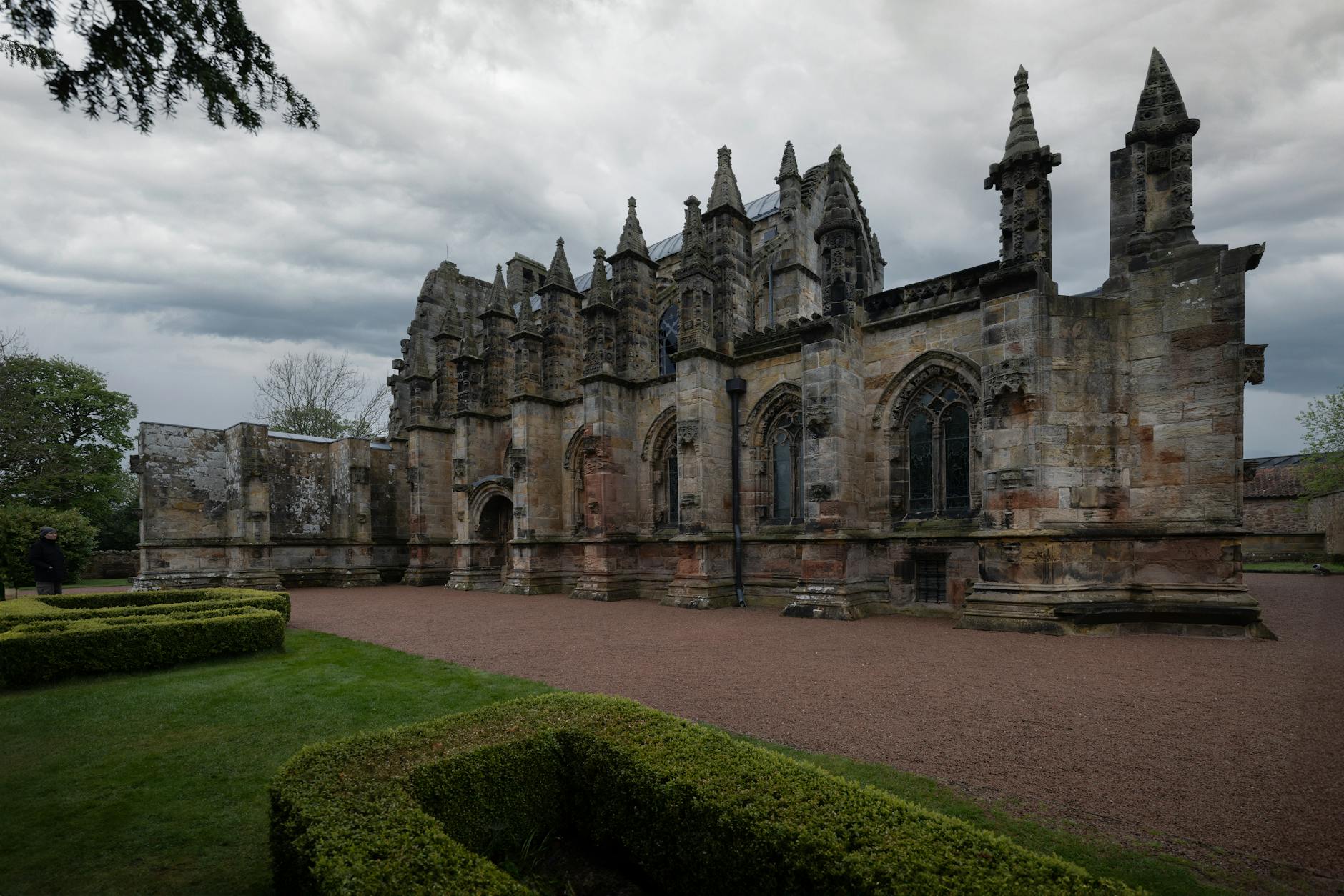
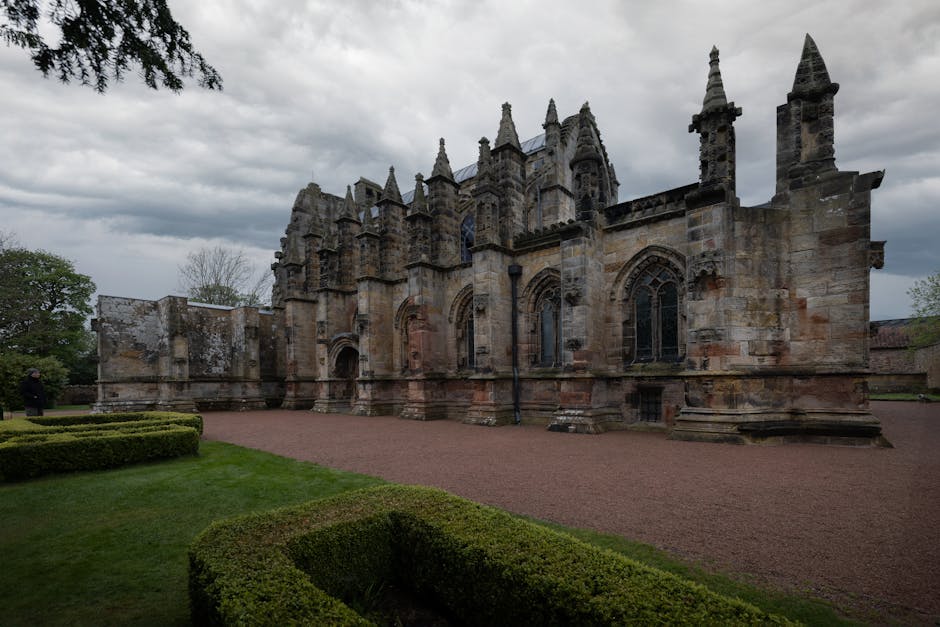
Rosslyn Chapel may be one of the shortest day trips from Edinburgh — just 7 miles south of the city centre — but it contains more mystery and craftsmanship per square foot than almost anywhere in Scotland. This 15th-century chapel, formally known as the Collegiate Chapel of St Matthew, was founded in 1446 by William Sinclair, 1st Earl of Caithness, and took 40 years to build.
The chapel’s extraordinary carved stonework includes over 110 Green Men (pagan figures with foliage growing from their mouths), the famous “Apprentice Pillar” with its legends of murder and masonic secrets, and carvings that some believe depict New World plants — maize and aloe vera — despite predating Columbus’s voyage to the Americas. Dan Brown’s “The Da Vinci Code” brought the chapel worldwide fame, though its mysteries predate the novel by centuries.
Getting there is easy: Lothian Bus 37 runs from Edinburgh city centre to Roslin village in about 40 minutes. Entry costs £9.50 adults and includes an informative guided tour. Combine your visit with a walk through nearby Roslin Glen, a beautiful wooded gorge with medieval castle ruins.
The Kelpies and Falkirk Wheel
Two of Scotland’s most impressive modern engineering feats sit side by side near Falkirk, about 40 minutes from Edinburgh. The Kelpies are the world’s largest equine sculptures — two colossal horse heads standing 30 metres (100 feet) tall, made from 600 tonnes of structural steel. Created by sculptor Andy Scott, they’re named after the shape-shifting water spirits of Scottish folklore. You can walk around them for free or take an interior tour (£7.50 adults) to see the engineering framework from inside.
A few miles away, the Falkirk Wheel is the world’s only rotating boat lift, connecting the Forth and Clyde Canal with the Union Canal 35 metres above. You can take a boat trip (£16.50 adults) that travels through the wheel itself — an extraordinary experience of modern engineering. Both attractions are within Helix Park and can easily be combined in a half-day trip. By car, take the M9 motorway (40 minutes). By train, Falkirk High station is 30 minutes from Edinburgh Waverley, with a connecting bus or 30-minute walk to the attractions.
The Scottish Borders — Abbeys and Rolling Hills
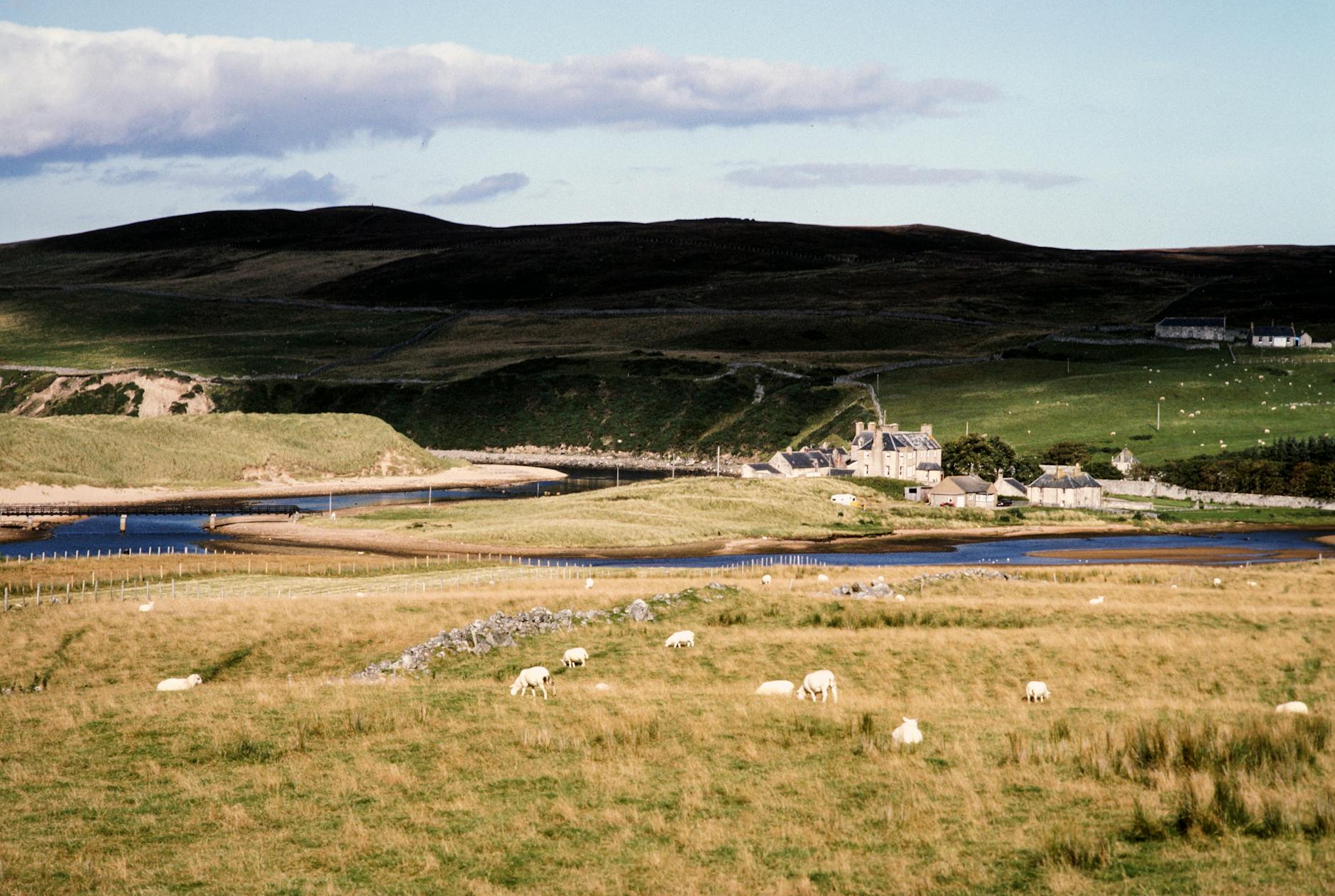
The Scottish Borders are often overlooked by tourists rushing to the Highlands, but this rolling landscape of green hills, river valleys, and historic market towns deserves your attention. The Borders Railway, reopened in 2015, runs from Edinburgh Waverley to Tweedbank in 55 minutes, passing through the Midlothian countryside and into the heart of the Borders.
The star attractions are the four great Border Abbeys — Melrose, Jedburgh, Kelso, and Dryburgh — founded by King David I in the 12th century and now atmospheric ruins. Melrose Abbey, easily reached from Tweedbank station, is the finest of the four and is said to hold the embalmed heart of Robert the Bruce. Nearby Abbotsford House was the home of Sir Walter Scott, the father of the historical novel, and is now a fascinating museum.
The Borders are also prime walking and cycling country. The Southern Upland Way passes through, and the Tweed Cycle Way follows the river through beautiful countryside. In autumn, the region comes alive with the traditional Common Ridings — equestrian festivals unique to the Borders.
Getting Around: Transport Options for Day Trips
By Train
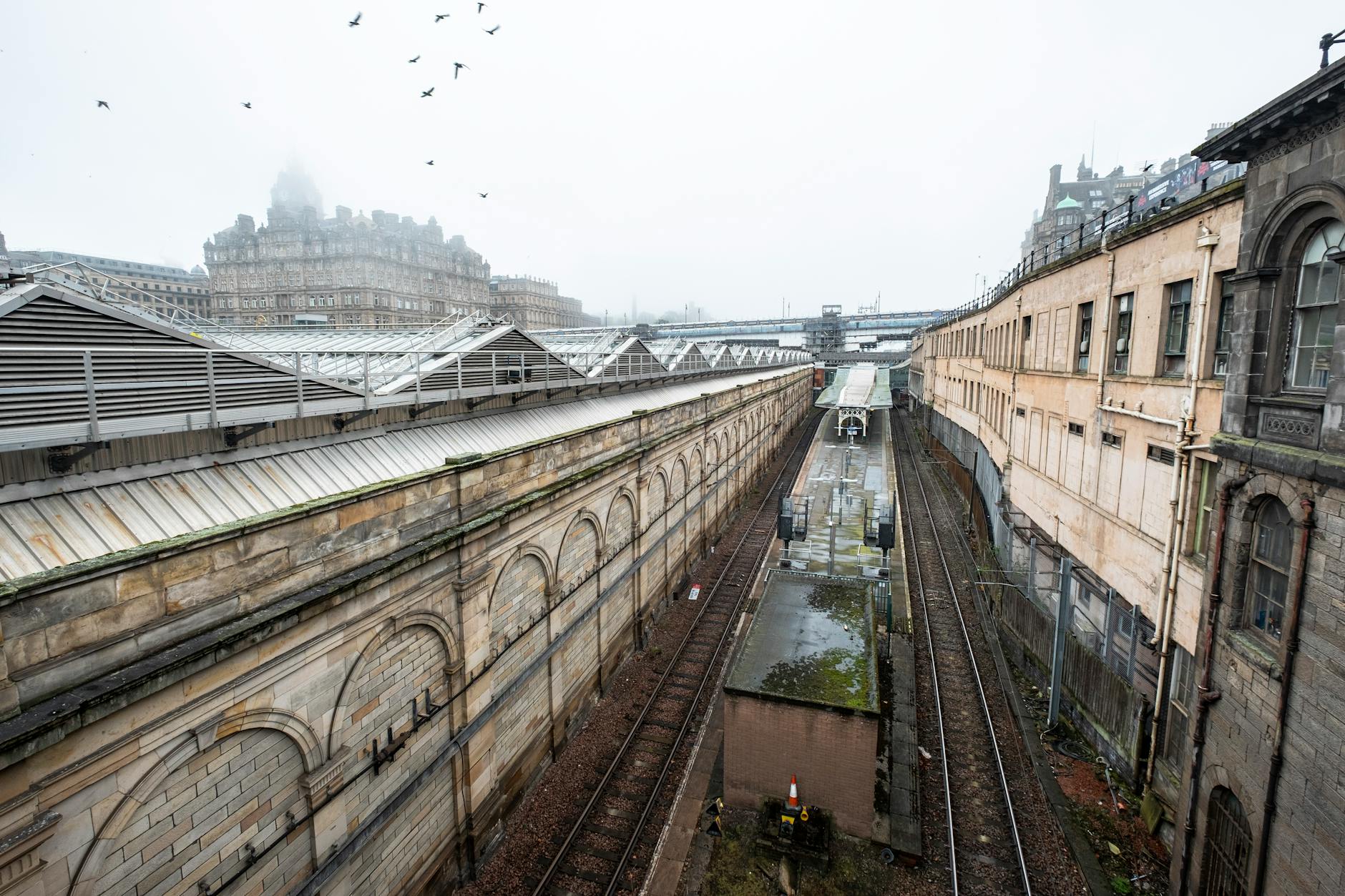
Edinburgh Waverley, one of the UK’s busiest stations, connects directly to Glasgow (50 min), Stirling (50 min), North Berwick (33 min), Dunbar (30 min), South Queensferry (20 min via Dalmeny), Dundee (1 hr 10 min), and Falkirk (30 min). ScotRail operates most services, and booking in advance on the ScotRail website or Trainline app can save up to 50% compared to walk-up fares. A Spirit of Scotland rail pass (£149 for 4 days travel in 8) can be excellent value if you plan multiple trips.
By Bus
Edinburgh Bus Station on Elder Street (near the east end of Princes Street) is the hub for longer-distance buses. Citylink runs express services to Glasgow, Stirling, Perth, and the Highlands. Stagecoach operates routes to Fife and St Andrews. Lothian Country buses serve local destinations including Rosslyn Chapel, South Queensferry, and East Lothian towns. Megabus often has promotional fares starting at £1 for popular routes.
By Organised Tour
For Highland destinations like Loch Ness, Glen Coe, and the Isle of Skye (possible as a very long day trip), organised tours are the most practical option unless you’re driving. Reputable operators include Rabbie’s Trail Burners (small group, max 16), Highland Explorer Tours, HAGGiS Adventures, and Timberbush Tours. Most depart from the Royal Mile or Waterloo Place and include a driver-guide who provides commentary throughout. Prices typically range from £40-70 per person for a full day, and booking in advance is strongly recommended in summer (June-August).
By Car
Having a car gives you the most flexibility, especially for reaching destinations like Glen Coe, the Borders, or the Fife coast at your own pace. Car hire in Edinburgh typically starts from £30-50 per day. Enterprise, Arnold Clark, and Hertz all have offices in or near the city centre. Be aware that Edinburgh itself has an expanding Low Emission Zone, and parking in the city centre is expensive — it’s often easier to pick up your hire car on the day you plan to leave the city.
Day Trip Comparison: At a Glance
Choosing the right day trip depends on your interests, available time, and how far you want to travel. Here’s a quick comparison of the most popular options to help you decide.
| Destination | Travel Time | Best For | Transport | Cost (approx.) |
|---|---|---|---|---|
| North Berwick | 33 min | Beaches, wildlife, castles | Train | £7-10 return |
| South Queensferry | 20 min | Engineering, history, views | Train/Bus | £4-6 return |
| Rosslyn Chapel | 40 min | History, architecture, mystery | Bus | £4 bus + £9.50 entry |
| Stirling | 50 min | Castles, Scottish history | Train | £12-16 return |
| Glasgow | 50 min | Museums, shopping, culture | Train/Bus | £5-25 return |
| St Andrews | 90 min | Golf, university, coast | Bus/Train+Bus | £12-15 return |
| Falkirk (Kelpies) | 30-40 min | Sculptures, engineering | Train/Car | £8-12 return |
| Scottish Borders | 55 min | Abbeys, walking, countryside | Train | £10-14 return |
| Loch Lomond | 90 min | Scenery, walks, boat trips | Tour/Car | £40-65 tour |
| Glen Coe | 2 hrs | Dramatic scenery, hiking | Tour/Car | £40-65 tour |
| Loch Ness | 3+ hrs | Iconic scenery, monster hunt | Tour/Car | £45-65 tour |
Planning Tips for Edinburgh Day Trips
Book transport in advance. ScotRail and Citylink both offer significantly cheaper fares when booked at least a day ahead. Same-day walk-up fares can be double the advance price, especially on popular routes like Edinburgh to Glasgow.
Consider the weather and season. Scotland’s weather is notoriously unpredictable, but that doesn’t mean it’s always raining. Summer (June-August) offers the longest days with daylight until 10pm, making it ideal for longer day trips. Spring and autumn can be spectacular for scenery and have fewer crowds. Winter trips to the Highlands can be breathtaking but check road conditions and be prepared for shorter daylight hours.
Pack layers and waterproofs. Even in summer, temperatures can vary dramatically between Edinburgh and the Highlands. A waterproof jacket and layered clothing are essential for any outdoor day trip. Good walking shoes are a must — many of Scotland’s best attractions involve uneven terrain.
Start early for Highland trips. Full-day tours to Loch Ness, Glen Coe, or the Isle of Skye typically depart between 7:30am and 8:30am. These are long days (10-13 hours), so get a good night’s sleep and bring snacks. Our guide to where to stay in Edinburgh can help you find accommodation near the departure points.
Download offline maps. Mobile signal can be patchy in rural Scotland, especially in the Highlands and Borders. Download Google Maps or OS Maps offline before your trip. If you’re driving, don’t rely solely on sat nav for Highland single-track roads — carry a physical map as backup.
Combine nearby attractions. Many destinations can be paired: North Berwick with Tantallon Castle, Rosslyn Chapel with Roslin Glen, South Queensferry with Hopetoun House, the Kelpies with Stirling Castle. Planning combinations maximises your day without adding much extra travel time.
Try a walking tour when you return. After a full day exploring Scotland, consider winding down with an Edinburgh walking tour on another evening — ghost tours and literary walks offer a completely different perspective on the city after dark.
For food recommendations to refuel after your day trip, check our Edinburgh food guide. And if you’re interested in Edinburgh’s world-class museums and galleries, our complete museum guide has everything you need.
Individual Day Trip Guides
Each destination below has its own guide covering transport, timings, costs and whether a tour beats going independently.
- the Loch Ness day trip — The long one — honest advice on whether 12 hours on a bus is worth it.
- Scottish Highlands tours from Edinburgh — Which route covers what, and the operators running them.
- Stirling Castle from Edinburgh — An hour by train, and arguably the better castle interior.
- whisky distillery tours from Edinburgh — Distilleries within reach, from city-centre to a proper day out.
- Glencoe from Edinburgh — Scotland’s most photographed glen, and how to see it in a day.
- Loch Lomond from Edinburgh — The closest Highland scenery, doable by public transport.
- St Andrews from Edinburgh — Golf, ruins and a beach, ninety minutes away.
- Rosslyn Chapel — Half an hour by bus — the carved chapel that outlived its Da Vinci Code fame.
Related Edinburgh guides: Edinburgh transport guide, Edinburgh itineraries, best time to visit, tour companies.
Frequently Asked Questions About Edinburgh Day Trips
What is the best day trip from Edinburgh?
The best day trip depends on your interests. For dramatic scenery, Glen Coe and Loch Ness top the list. For an easy and rewarding trip by public transport, Stirling Castle and North Berwick are hard to beat. St Andrews is ideal for golf enthusiasts, while Glasgow offers world-class museums and shopping. For a short half-day trip, Rosslyn Chapel and South Queensferry are both within 40 minutes of the city centre.
Can you do day trips from Edinburgh without a car?
Absolutely. Edinburgh has excellent public transport connections, and many of the best day trips are accessible by train or bus. North Berwick, Stirling, Glasgow, South Queensferry, and the Scottish Borders are all direct train rides from Edinburgh Waverley. For Highland destinations like Loch Ness and Glen Coe, organised small-group tours are the best car-free option and include door-to-door transport from the city centre.
How much do Edinburgh day trips cost?
Costs vary widely. Local train trips to North Berwick or South Queensferry cost £4-10 return. Medium-distance trains to Stirling or Glasgow run £12-25 return. Organised Highland tours typically cost £40-70 per person for a full day, sometimes including entry fees. Budget travellers can use advance bus fares (from £1-5 on Megabus or Citylink) to keep costs very low for destinations like Glasgow.
Is Loch Ness worth a day trip from Edinburgh?
Yes, though it’s a long day — expect 10-13 hours on an organised tour. The journey through the Cairngorms is spectacular in itself, and you’ll typically stop at several places along the way. If you have limited time, consider Loch Lomond as a closer alternative that still offers stunning Highland scenery with less travel time. However, if seeing Loch Ness is on your bucket list, the day trip is very popular and well-organised.
What is the best time of year for day trips from Edinburgh?
Late spring (May-June) and early autumn (September) offer the best combination of decent weather, long daylight hours, and manageable crowds. Summer (July-August) has the longest days and warmest weather but also the most tourists, especially during the Edinburgh Festival. Winter day trips can be magical — Loch Lomond dusted in snow or the Highlands under moody skies — but check conditions and daylight hours (sunset can be as early as 3:30pm in December).
Can you visit the Isle of Skye as a day trip from Edinburgh?
Technically yes, but it’s an extremely long day — 5+ hours each way by car, or 14-16 hours on an organised tour. Most day tours to Skye depart at 6:30-7am and return around 9:30pm. While you’ll see some of Skye’s famous landscapes, you’ll spend more time travelling than exploring. If possible, we’d recommend a 2-3 day trip to Skye instead. However, if a day trip is your only option, several tour companies do offer this route and travellers generally find it worthwhile despite the early start.
Where do day trip tours depart from in Edinburgh?
Most organised day tours depart from central Edinburgh, typically from the Royal Mile (near St Giles’ Cathedral), Waterloo Place (at the east end of Princes Street), or Edinburgh Bus Station on Elder Street. The exact meeting point varies by tour operator, so check your booking confirmation. For train journeys, Edinburgh Waverley is the main station in the city centre, while Edinburgh Haymarket is useful for some western routes. Both stations are within walking distance of most city centre accommodation.