The Caledonian Sleeper to Edinburgh: Is the Overnight Train Worth It? (2026)
Search for a Caledonian Sleeper review and you will get a dozen blog posts describing one person’s night in one cabin, usually upgraded, usually a decade ago, and almost always ending with the phrase “a magical experience”. That is not a review. It is an anecdote with photographs of a small sink.
What is missing is the structure: there are four completely different ways to travel on this train, they cost wildly different amounts, and the answer to “is it worth it” depends entirely on which one you book and what you are comparing it against. There is also one specific problem nobody warns you about — the train delivers you to Edinburgh at an hour when no hotel will let you in — and one specific solution that the operator provides and most guides fail to mention. This is the version we would want if we were booking it ourselves.
At a Glance: The Caledonian Sleeper
- It leaves from London Euston, not King’s Cross. The daytime Edinburgh trains use King’s Cross; this one does not.
- Four ways to travel: Seated Coach, Classic Room, Club En-suite and the Caledonian Double.
- Boarding at Euston is 22:15 for Caledonian Double and Club guests, 22:30 for everyone else.
- You can stay in your room until 08:00 after arriving in Edinburgh. This is the single most useful fact about the service.
- Only Club and Caledonian Double have en-suite showers and include breakfast. Classic has a washbasin in the room.
- Rooms are priced per room, not per person — which makes the en-suite options much better value for two than for one.
- A return is simply two singles. There is no round-trip discount.
- The Lowlander service splits en route, with one portion going to Edinburgh and one to Glasgow.
- It saves you a hotel night — which is the whole financial argument, and a real one.
- Bring earplugs. Everyone who says the sleeper was wonderful brought earplugs. Everyone who says it was awful did not.
What the Caledonian Sleeper Actually Is
It is Britain’s overnight train to Scotland, running from London Euston to Glasgow, Edinburgh, Aberdeen, Inverness and Fort William. Two services run each night: the Lowlander, which serves Edinburgh and Glasgow, and the Highlander, which serves Aberdeen, Inverness and Fort William with stops including Leuchars for St Andrews, Aviemore, Dalwhinnie, Corrour and Bridge of Orchy.
The Edinburgh traveller wants the Lowlander. It runs as one train out of Euston and splits en route, with one half continuing to Edinburgh Waverley and the other to Glasgow Central — which means the carriage you board matters, and the staff will point you to the right one.
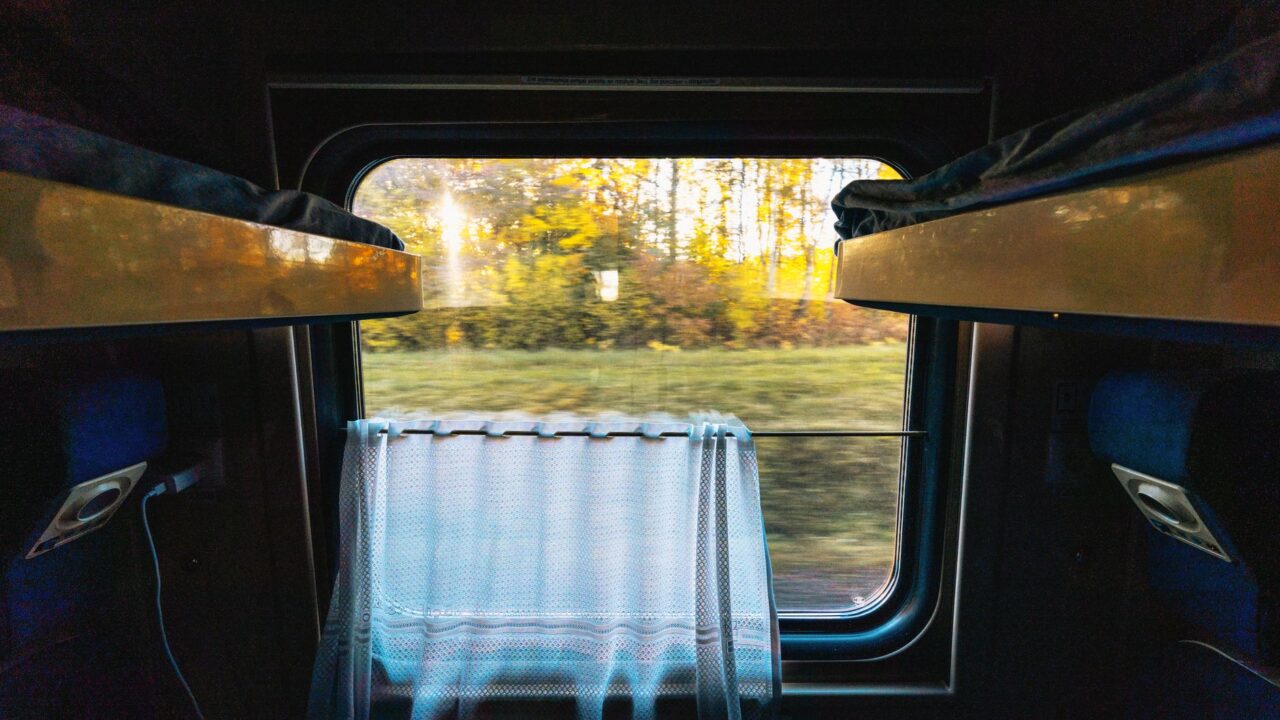
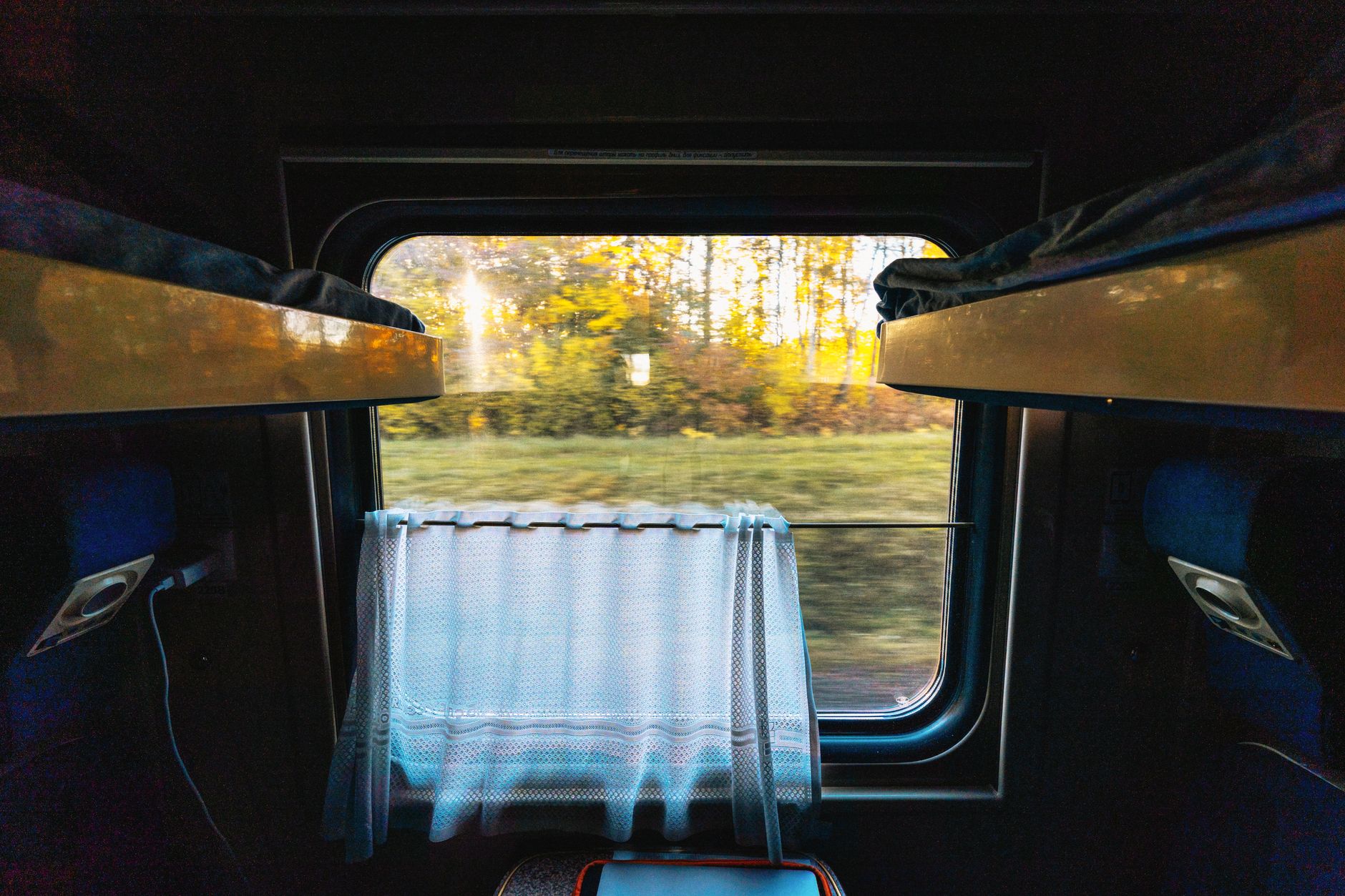
The rolling stock is the fleet introduced from 2019, so this is not a museum piece. Rooms have keycard entry, proper mattresses, USB and mains power, and the en-suite options have a real shower rather than a shared one at the end of the corridor.
The Four Ways to Travel
| Type | Sleeps | What you get | Shower | Breakfast |
|---|---|---|---|---|
| Seated Coach | 1 (a seat) | Adjustable headrest and footrest, power and USB, reading light, tray table, lockable storage, sleep kit | No | No |
| Classic Room | 1–2 (twin bunks) | Twin bunks with Glencraft mattresses, washbasin in the room, sleep kit, room service. Interconnecting rooms available for up to four. | No — washbasin only | No |
| Club En-suite | 2 (twin bunks) | Twin bunks, en-suite shower and toilet, room service, priority access to the Club Car | Yes | Included |
| Caledonian Double | 2 (double bed) | An actual double bed, en-suite shower and toilet, priority Club Car access | Yes | Included |
Seated Coach: the budget option, honestly assessed
A reclining seat in a shared carriage, with a sleep kit and somewhere to lock your bag. It is the cheapest way on the train by a wide margin and it is a genuinely useful option for a young or hardy traveller who wants to save a hotel night.
The honest verdict: you will not sleep well. You may not sleep much at all. Anyone telling you a reclining seat on a train that stops, splits and shunts through the night is a substitute for a bed is being generous. Book it if the alternative is a coach or a very early flight and you have a soft first day planned in Edinburgh. Do not book it before a day that matters.
Classic Room: the sensible choice
A private cabin with two bunks, a washbasin, a door that locks and a mattress made by a Scottish manufacturer that the operator is pleased enough about to name. There is no shower — that is the entire difference between Classic and Club, along with the breakfast.
The honest verdict: Classic is where the value sits. You get the thing that actually matters — a horizontal bed behind a locked door — without paying for a shower you will use for four minutes. If you are travelling as a pair and can share a cabin, this is almost always the right booking. If you are travelling alone and prepared to share a Classic cabin with a stranger of the same sex, it is cheaper again, though many people would rather not.
Club En-suite: the practical upgrade
The same twin bunks, plus a small en-suite with a shower and toilet, plus breakfast, plus priority access to the Club Car. Being able to shower before you step off into a working day is worth more than it sounds, particularly if you have a meeting or a wedding to get to.
The honest verdict: worth the difference if you are arriving into a day with obligations, or if you simply hate the idea of arriving unwashed. Not worth it if you are heading to a hotel that will let you in.
Caledonian Double: the one people book for the occasion
A genuine double bed rather than two bunks, with the en-suite and the breakfast. It is the most expensive room on the train and it is the only one where two people can actually sleep next to each other.
The honest verdict: this is not a value proposition and it does not pretend to be. It is a special-occasion booking — an anniversary, a milestone birthday, the start of a honeymoon in the Highlands. On those terms it is lovely. On any cost-per-hour-of-sleep measure it is indefensible, and that is fine, because nobody books it for that reason.
What It Costs — and Why We Will Not Quote You a Fare
Caledonian Sleeper does not publish a fixed fare table. Prices move by date, demand and how far ahead you book, in the same yield-managed way as the rest of the British railway, and the spread across the year is wide.
What we can tell you with confidence is the structure, which is what actually determines what you pay:
- Rooms are priced per room, not per person. This is the single biggest lever. A Club or Caledonian Double shared by two people costs each of them half the headline figure; the same room booked solo costs one person all of it.
- A return is two singles. Price each direction separately and do not assume booking both together helps.
- Book early. As with the rest of the network, the cheapest allocation goes first and there is no last-minute discount.
- Mid-week is cheaper than Friday. The pattern is the same as every other train to Scotland.
- Compare against the right thing. The sleeper’s real competition is not the day train — it is the day train plus a hotel night. Once you make that comparison, a Classic cabin stops looking expensive.
We have seen the usual ranges quoted around the internet — seated fares in the region of £50, Classic in the low-to-mid hundreds, Club above that and the Caledonian Double higher again. Those figures come from secondary sources rather than the operator, so treat them as a sense of scale and check the real price for your date. We would rather tell you that than print a number we cannot stand behind.
The Timings, and the Problem Everyone Hits
Boarding at Euston opens at 22:15 for Caledonian Double and Club guests and 22:30 for everyone else, with the train leaving once boarding closes. Southbound from Edinburgh, boarding opens at 22:30. You can be in your room, in your pyjamas, with a drink, well before the train moves — which is a considerable part of the appeal and something no flight offers.
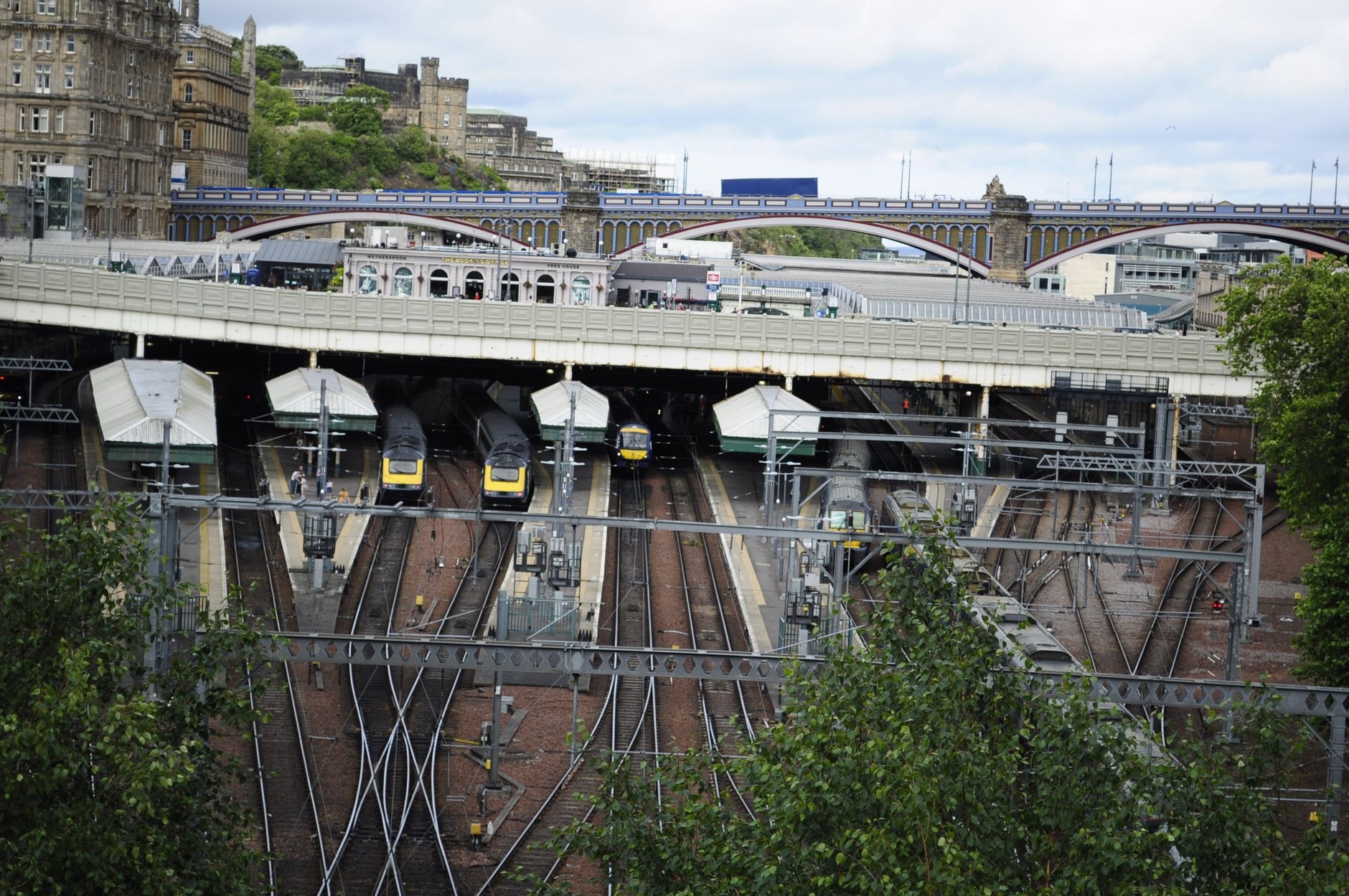
Then comes the problem. The train reaches Edinburgh Waverley early in the morning, and standard hotel check-in across the city is 15:00. On paper you have been handed seven hours in a city with a suitcase and nowhere to put it, at an hour when almost nothing is open.
The fix nobody tells you about
You do not have to get off when the train arrives. Rooms at Edinburgh are yours until 08:00. That is an official part of the service and it changes the shape of the morning entirely: you can wake up gently, use the shower if you have one, have breakfast if it is included, and step onto the platform at a civilised hour rather than being decanted onto a cold concourse.
Beyond that, three things make the rest of the morning work:
- Drop your bag first. Almost every Edinburgh hotel and hostel will store luggage before check-in, and Waverley itself has left-luggage facilities. Do this before anything else — the Old Town is a bad place to drag a case up.
- Use the empty city. Between eight and ten in the morning the Royal Mile is close to deserted, the light on the Old Town is the best it will be all day, and you can walk up to the Castle esplanade or Calton Hill with nobody in the photographs. This is the one genuine privilege the sleeper gives you and most arrivals waste it looking for a coffee.
- Book something that opens early. The Castle opens at 09:30 and is at its quietest in the first hour. A sleeper arrival is the easiest way there has ever been to see it without crowds.
If your budget allows it and the trip matters, paying for the previous night at your Edinburgh hotel so you can check in on arrival is the cleanest solution of all. It sounds wasteful and it buys you a shower, a bed and the whole of the first day.
The Club Car, and Actually Sleeping
The Club Car is the lounge carriage — food, drink, whisky, and the part of the experience that people photograph. Club and Caledonian Double guests get priority access; other passengers may be able to use it subject to space. If the romance of the sleeper is why you are booking, this is where the romance is.
On sleeping, the honest picture: this is a train, not a hotel. It stops. It splits. It sits in sidings. There is movement, there are announcements, there is the particular clunk of carriages being shunted apart in the small hours. Some people find the motion soporific and sleep better than they do at home. Others lie awake from Carlisle onwards.
- Bring earplugs and an eye mask. The single highest-return item in your bag.
- Take the bottom bunk if you can. Less movement, easier access, and you are not climbing down in the dark.
- Do not treat the Club Car as a late night out. Two drinks improves the sleep; four ruins the morning.
- Set an alarm for 07:15 or so. You have until 08:00, but you do not want to be woken by someone knocking.
Is It Worth It? A Verdict by Traveller
| You are | Book | Verdict |
|---|---|---|
| A couple on a short trip who want a full first day | Classic or Club | Yes. You gain a whole day and lose a hotel night. The strongest case there is. |
| A solo traveller on a budget | Seated, or a shared Classic | Yes, with eyes open. You will be tired. Plan a soft first day. |
| A business traveller with a morning meeting | Club | Yes. The shower and the 08:00 room access are the point. |
| A family with young children | Interconnecting Classic rooms | Mixed. Novelty value is enormous; actual sleep is not guaranteed. |
| Someone marking an occasion | Caledonian Double | Yes, and do not think about the cost per hour. |
| Anyone who sleeps badly in unfamiliar places | The day train | No. Four hours on LNER and a hotel bed will serve you better. |
| Anyone travelling with a very early commitment | The day train the evening before | No. Sleepers are occasionally delayed and there is no second one. |
Sleeper vs Day Train vs Flying
| Caledonian Sleeper | LNER or Lumo day train | Flying | |
|---|---|---|---|
| Time cost | A night you were going to spend asleep anyway | 4h00–4h32 of your waking day | c. 5.5–6h door to door |
| Accommodation | Saves a hotel night | Does not | Does not |
| Arrival | Early morning, city centre, room until 08:00 | City centre, whenever you chose | Airport, plus a transfer |
| Luggage | Free and unlimited | Free and unlimited | Charged and restricted |
| Sleep quality | Variable. Bring earplugs. | Not applicable | Not applicable |
| Best for | Gaining a day; the experience itself | Reliability and comfort | Rarely the right answer on this route |
The honest verdict overall: the Caledonian Sleeper is worth it when the night it replaces is a night you would otherwise have paid for, and worth it again when the experience is part of the point. It is not worth it as a cheaper way to get to Scotland — booked late, a Club room costs more than a flight and a hotel. Judge it as a travelling hotel that happens to move, and it makes sense. Judge it as transport, and it rarely wins. For the daytime alternative, see our guide to the London to Edinburgh train.
Booking Tips
- Book direct with the operator for the full range of room types. Third-party sites do not always show every option.
- Check which portion you are in. The Lowlander splits, and the Edinburgh and Glasgow halves go different ways.
- Travel light if you are in Seated Coach. There is lockable storage but no room to spread out.
- Do not book a tight connection at either end. Overnight services can lose time and there is no next one.
- If you need step-free access, book an Accessible Double, an Accessible Twin or the wheelchair space with companion seat, and arrange assistance in advance.
- Plan the first morning before you travel. Knowing where you are dropping your bag turns a disorienting arrival into a head start. Our Waverley and Haymarket station guide covers left luggage and the exits.
Frequently Asked Questions
Is the Caledonian Sleeper worth it?
Yes, if it replaces a hotel night you would otherwise have paid for, or if the experience is part of the point. No, if you are treating it purely as transport — booked late, a Club room can cost more than a flight and a hotel combined, and you may sleep badly.
Which station does the Caledonian Sleeper leave from in London?
London Euston. This catches people out because the daytime LNER and Lumo services to Edinburgh leave from King’s Cross, about fifteen minutes’ walk away.
What time can I board the Caledonian Sleeper?
At Euston, boarding opens at 22:15 for Caledonian Double and Club guests and 22:30 for all other guests. Southbound from Edinburgh Waverley, boarding opens at 22:30.
What do I do when the sleeper arrives before hotel check-in?
Stay on the train. Rooms at Edinburgh are yours until 08:00, so you can wake slowly, shower if you have an en-suite, and have breakfast if it is included. After that, drop your bag at your hotel or in left luggage at Waverley and use the empty early city — it is the quietest the Royal Mile will be all day.
What is the difference between Classic and Club rooms?
Both have twin bunks. Club adds an en-suite shower and toilet, includes breakfast and gives priority access to the Club Car. Classic has a washbasin in the room instead of a shower and does not include breakfast.
Can you shower on the Caledonian Sleeper?
Only in a Club En-suite or Caledonian Double room, which have their own shower and toilet. Classic rooms have a washbasin. Seated Coach passengers have no shower.
How much does the Caledonian Sleeper cost?
The operator does not publish a fixed fare table — prices vary by date, demand and how early you book, and rooms are priced per room rather than per person. A return is two singles. Compare it against a day train plus a hotel night rather than against the day train alone.
Can you sleep well on the Caledonian Sleeper?
Some people sleep better than at home; others barely sleep. The train stops, splits and shunts overnight. Earplugs and an eye mask make the largest single difference, and the bottom bunk is steadier than the top.
Does the Caledonian Sleeper go to Edinburgh and Glasgow on the same train?
Yes. The Lowlander leaves Euston as one train and splits en route, with one portion running to Edinburgh Waverley and the other to Glasgow Central. Staff will direct you to the correct carriage when you board.
Accommodation types, boarding times and the 08:00 room access checked against Caledonian Sleeper’s own published information in September 2026. Fares are demand-priced and are not published as a fixed table — always check the price for your own date.
If the sleeper is not for you, our guide to the London to Edinburgh day train covers LNER, Lumo and how to book cheaply. For the arrival end, see Edinburgh’s train stations and Edinburgh travel tips, and if the point of the sleeper is saving on beds, Edinburgh on a budget covers where the rest of the savings are.