Morningside and Bruntsfield: Edinburgh’s Southside Villages (2026)
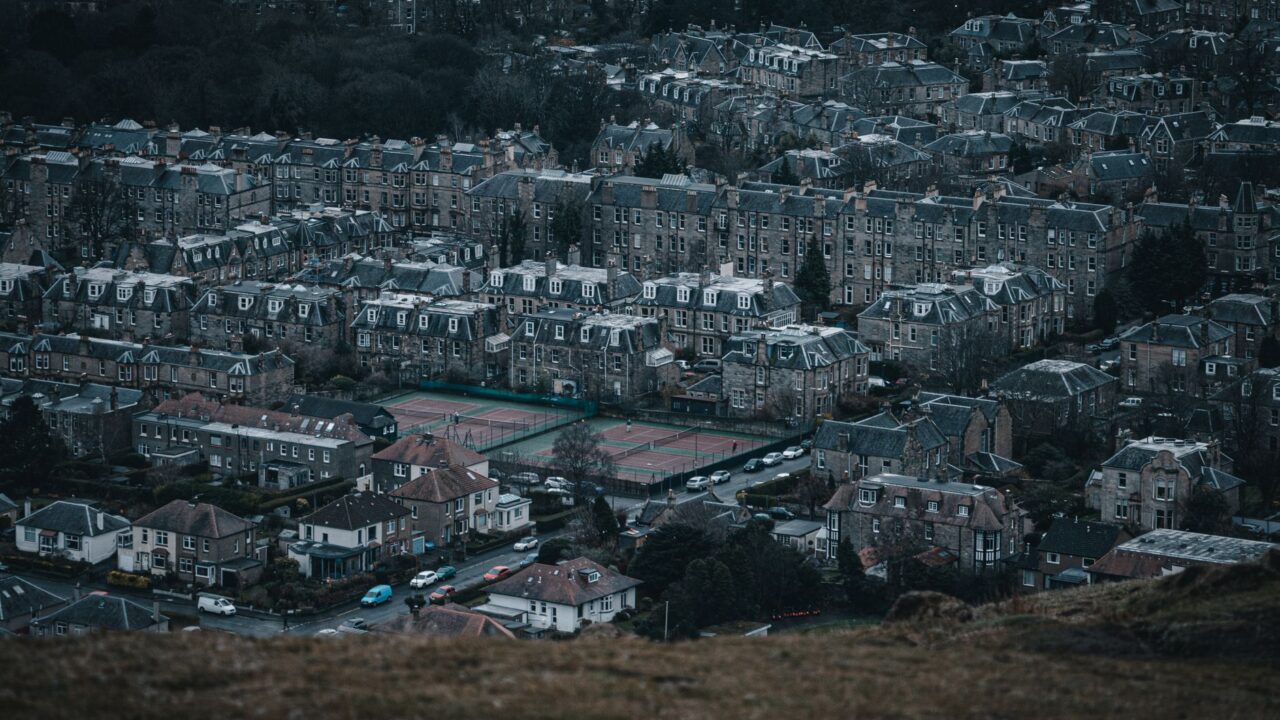
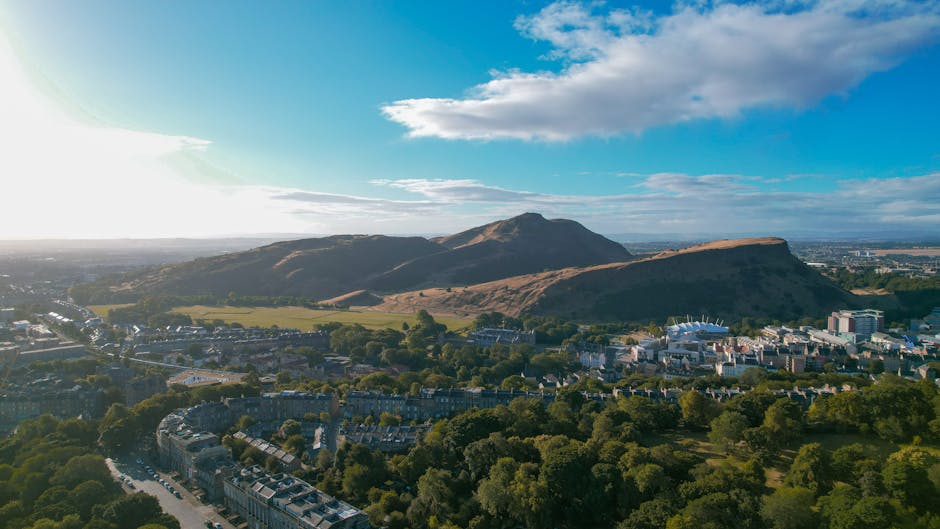
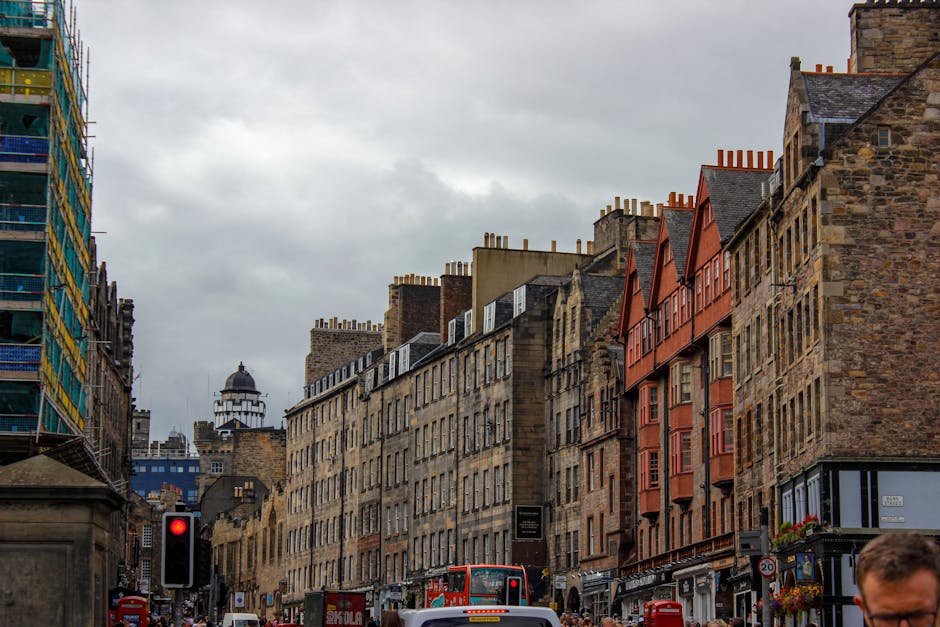
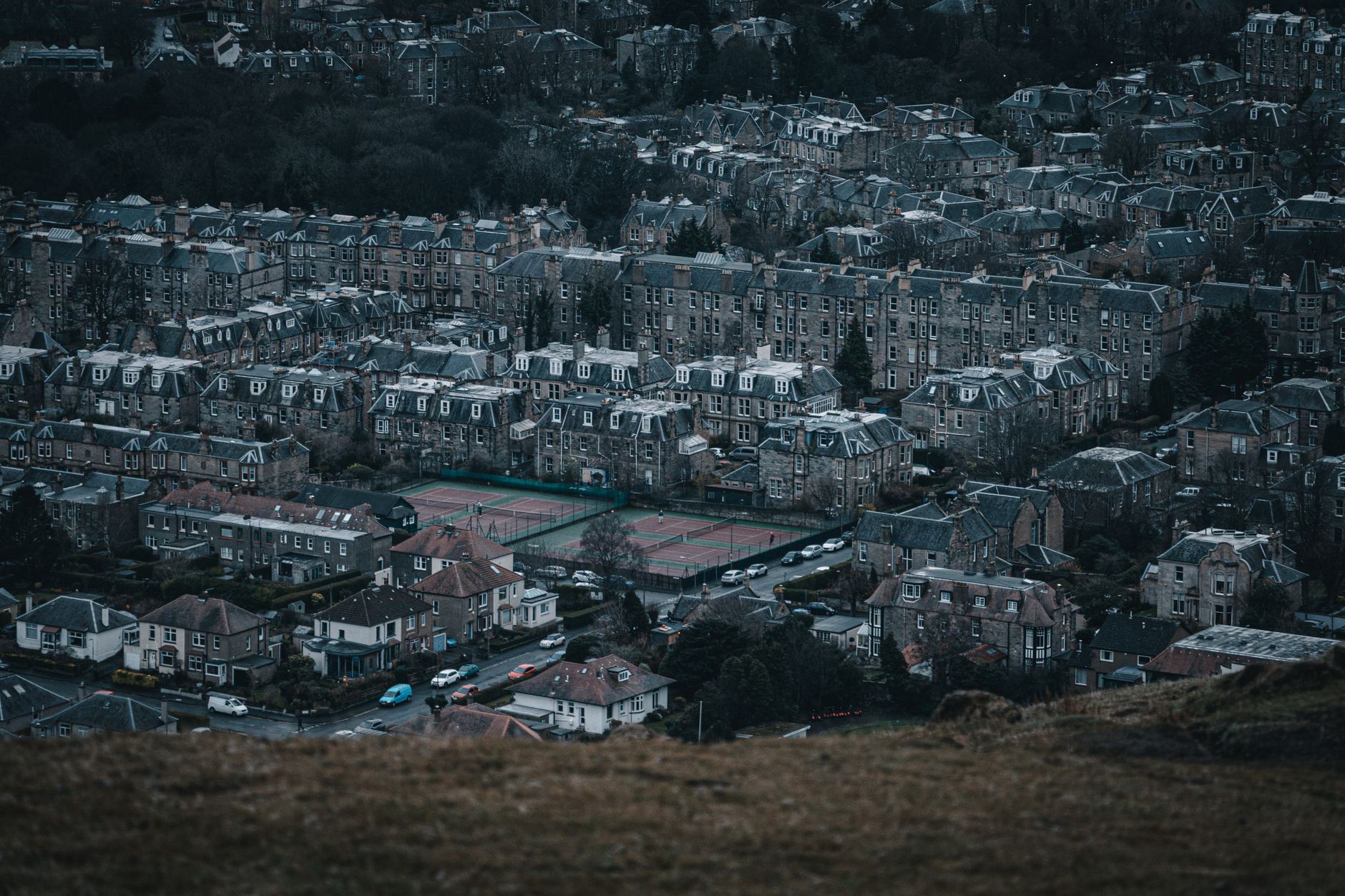
Morningside and Bruntsfield are where Edinburgh stops being a visitor attraction and starts being a city people live in. They run in a single line south from the Meadows: Bruntsfield Place becomes Morningside Road at Holy Corner, and the whole corridor is about two miles of stone tenements, independent shops, two of Scotland’s best old cinemas, a golf links that has been in use since the 1600s, and almost no tourists at all.
That is the appeal and also the catch. There is no ticketed attraction in Morningside Edinburgh. Nothing here will appear on a list of the city’s top ten sights, and if you have two days in the city you should not come. What the corridor offers is the thing short-trip visitors most often say they wanted and did not get: an ordinary, prosperous, genuinely Scottish neighbourhood where the coffee is good, the second-hand bookshops are real, and nobody is selling you a tartan scarf. This guide covers what is worth the bus ride, what is not, and how to build an afternoon out of it.
At a Glance
- Where: due south of the Meadows. Bruntsfield Place runs into Morningside Road at Holy Corner, so named because four churches stand at the one junction.
- Getting there: Lothian services 11, 15, 16, 23, 36 and 45 serve Bruntsfield; the 16 continues through Holy Corner to Morningside Station. £2.40 single. Walking from Princes Street takes 25–35 minutes.
- The Dominion Cinema, 18 Newbattle Terrace — opened 31 January 1938, still run by the Cameron family, one of only two family-operated cinemas in Scotland. This is the single best reason to come.
- The Cameo, 38 Home Street — open since 1914, three screens, Category B listed in 2006 after a public campaign saved its main auditorium from becoming a bar.
- Bruntsfield Links — 35 acres, one of the earliest known places golf was played in Scotland, with a 36-hole short-hole course laid out in 1890.
- The Meadows sit at the northern end: the city’s main flat green space and the route into the Old Town on foot or by bike.
- Blackford Hill and the Hermitage of Braid give you the southern skyline view for free, about 25 minutes’ walk beyond Morningside Station.
- Independent shopping is the day-to-day kind — delis, bakeries, bookshops, charity shops — not boutiques. Expect two hours of browsing, not a shopping trip.
- Do not come here on a two-day trip. This is a fourth-day or a returning-visitor neighbourhood.
The Geography, and Why It Matters
The corridor is one road with three names. It leaves the city at Tollcross, becomes Bruntsfield Place alongside the Links, changes to Morningside Road at Holy Corner, and continues south past Morningside Station towards the hills. Everything in this guide is on it or within five minutes of it, which makes the neighbourhood unusually easy to do on foot: get off the bus at one end and walk to the other.
| Landmark | Where on the corridor | Walking time from the Meadows |
|---|---|---|
| The Meadows | Northern end | — |
| Bruntsfield Links | Immediately south-west of the Meadows | 2 minutes |
| Bruntsfield Place shops | Alongside and beyond the Links | 10 minutes |
| Holy Corner | Where Bruntsfield becomes Morningside | 20 minutes |
| Dominion Cinema | Newbattle Terrace, just off Morningside Road | 25 minutes |
| Morningside Station and the clock | Middle of Morningside Road | 30 minutes |
| Blackford Hill | South-east, off the corridor | 50–55 minutes |
The honest verdict: the corridor is long and it is straight. Walking all of it and back is a two-mile round trip past shops that get gradually more residential, and by the southern end you may wonder why you kept going. Take the bus out to Morningside Station and walk back north — the interest increases as you go, and you finish at the Meadows with the Old Town in front of you.
The Two Cinemas
This is the genuine draw, and it is unusual enough to plan around. Edinburgh’s southside holds two surviving independent picture houses, both listed, both still showing films every day.
The Dominion, 18 Newbattle Terrace
William Cameron bought the land on 13 May 1937 and the cinema opened on 31 January 1938, designed by Thomas Bowhill Gibson in Art Deco Streamline Moderne — an off-centre tower carrying the clock and signboard, and an entrance with glass panels of sun-ray devices, Indian plumes and peacocks. It was Category B listed on 30 March 1993.
It opened as a single 1,300-seat auditorium. That was split in two in 1972, a third screen went in above the foyer in 1980, and a fourth followed in 1998 — four screens and 410 seats in total today. Crucially, it is still run by the Cameron family, which makes it one of only two family-operated cinemas left in Scotland.
The Cameo, 38 Home Street
The Cameo opened on 8 January 1914 as the King’s Cinema and has been showing films for over a century, with a break: it closed in September 1982 and reopened in August 1986 after a £150,000 refurbishment as a 420-seat single screen, gaining two more screens in the early 1990s.
Its main auditorium — 253 seats and a lot of legroom — survives because people fought for it. In 2005 the then-owners proposed turning it into a bar-restaurant; the “Save the Cameo” campaign defeated the plan, and in September 2006 Historic Scotland gave the building Category B listed status, protecting the interior. Picturehouse operates it, and Cineworld acquired Picturehouse in 2012.
The honest verdict: if you like cinemas, going to a film at the Dominion is one of the more distinctive evenings available in Edinburgh and costs less than most tours. But be clear about what it is — a working local cinema showing current releases, not a heritage attraction. There are no daytime tours, no interpretive displays, and nothing to see if there is no screening. Check the programme first, and treat it as an evening plan rather than a sight.
Bruntsfield Links and the Meadows
Bruntsfield Links is 35 acres of open, undulating grass immediately south-west of the Meadows, and it is the last surviving fragment of the Burgh Muir, the great wood and common that once covered this side of the city. Unlike the Meadows — which were a loch until they were drained — the Links has always been dry ground, which is precisely why golf happened here.
The City of Edinburgh Council recognises it as one of the earliest known places the game was played in Scotland. The documentary trail runs back to the 1680s and 1690s: an Act of Council of 25 December 1695 allowed quarry lessees to take stone provided they kept clear of “the place where the neighbours play at Goulf”. A 36-hole short-hole course was laid out in 1890 and Bruntsfield Short Hole Golf Club is the last club still playing over it. The Golf Tavern opposite claims 1456, a date with no documentary support beyond an unsourced line in a golf-society history.
The Meadows, immediately north, is the flat mile of parkland that separates the southside from the Old Town: cherry trees along Middle Meadow Walk in spring, playing fields, and the main cycling and walking route into the university district. It is the reason this whole corridor works as a place to stay — you can walk from Bruntsfield to the Royal Mile across a park in twenty-five minutes.

The honest verdict on the golf: the short-hole course is a genuine curiosity and the history is real, but it is a club course rather than a visitor attraction — do not turn up with clubs expecting to be waved on. Check the club’s own arrangements first. As a place simply to walk across, the Links are free, open and pleasant, and the view back to the castle from the top of them is better than most people expect. Our guide to cycling and bike hire in Edinburgh covers the Meadows routes, which are the flattest riding in a city that has very little flat riding.
Blackford Hill, the Hermitage and the Observatory
South-east of Morningside the ground rises into Blackford Hill, a public hill with a genuine summit view across the whole city to the Firth of Forth, and the Hermitage of Braid, a wooded valley along the Braid Burn running below it. Both are free, open and reachable on foot from Morningside Station in about 25 minutes.
On top of the hill sits the Royal Observatory Edinburgh, Blackford Hill, EH9 3HJ, with its two green copper domes. Be careful here: it is a working research institution, not a museum. Its visitor centre runs a programme of public astronomy talks and evening “Nights at the Royal Observatory” events rather than general daytime opening, and no admission prices are published for casual entry.
The honest verdict: walk up Blackford Hill for the view, which is the best free southern panorama in Edinburgh and far quieter than Calton Hill or Arthur’s Seat. Do not walk up expecting to go inside the Observatory — check its events listing in advance, book if something is on, and otherwise treat the domes as scenery. Our guide to the best views in Edinburgh compares this one with the paid alternatives, and outdoor activities in Edinburgh covers the wider hill walking.
Shops, Coffee and the Independent Crawl
The retail here is the everyday kind done well: bakeries, delis, cheesemongers, greengrocers, butchers, second-hand bookshops and a heavy concentration of charity shops. Bruntsfield Place is the denser and more interesting end; Morningside Road is longer, quieter and more functional as you go south.

Treat it as a crawl rather than a shopping trip. Two hours from the Links to Holy Corner, stopping wherever the window looks good, is the correct way to do this neighbourhood, and it will cost you the price of coffee and a bag of pastries. If you want actual retail — designers, department stores, tartan and cashmere — go back into the centre; our complete guide to shopping in Edinburgh maps the streets that are worth a dedicated afternoon, and Edinburgh’s bookshops and literary cafés covers the city’s second-hand trade.
The honest verdict: the charity shops are the sleeper attraction. This is a prosperous, long-settled part of the city, and what gets donated here is correspondingly good — it is where Edinburgh residents go looking for cashmere and hardbacks rather than where visitors do. That is worth an hour if you enjoy it and nothing at all if you do not.
Miss Jean Brodie Country
The corridor has one literary claim that is genuinely its own. Muriel Spark was born in Bruntsfield on 1 February 1918, and she attended James Gillespie’s School for Girls from 1923 to 1935 — the school that became the Marcia Blaine School in The Prime of Miss Jean Brodie. Gillespie’s still stands at the edge of Bruntsfield Links, which means the novel’s landscape is the one you are walking through: the Links, the Meadows, the tenement streets, the whole small, watchful, respectable world the book is about.
The other thing this district gave the language is the Morningside accent — the genteel, over-corrected Edinburgh voice that Scots have been affectionately mocking for a century, and which Spark’s Miss Brodie is usually played with. It is a joke about class rather than geography, and locals will make it before you do.
The honest verdict: there is no Brodie museum, no plaque trail and no tour. The school is a working school, so admire it from the pavement and do not go in. What the connection is good for is a reason to read the novel before you come — it is short, it is set exactly here, and it will make an ordinary walk along a suburban road considerably more interesting. Our literary guide to Edinburgh covers the city’s wider writing history, from Scott and Stevenson to Rankin and Rowling.
Eating and Drinking
The corridor is one of the better places in Edinburgh to eat without booking. It runs on neighbourhood restaurants, long-standing cafés and pubs that serve their own street rather than the tourist trade, and prices sit below the Old Town for the same quality.
Two things worth knowing. First, the licensing is the same as everywhere in Edinburgh — ordinary pubs shut at 1am and there is no weekend extension — but in practice this is a district that empties earlier than the centre, and a Tuesday at 10pm is quiet. Second, the pint price is the same £5.00–£7.00 as the rest of the city; the saving here is on food, not drink.
The honest verdict: come for lunch or an early dinner before a film, not for a night out. If you want an evening with atmosphere, take the bus back into town — our guides to the best pubs in Edinburgh and cheap restaurants in Edinburgh cover where to go instead.
An Afternoon That Works
- 13:00 — bus from the centre out to Morningside Station. Fifteen to twenty minutes, £2.40.
- 13:20 — walk east and up to Blackford Hill for the southern view, dropping back down through the Hermitage of Braid. About ninety minutes for the round trip, all free.
- 15:00 — back on Morningside Road, walking north. Shops, coffee, and the Dominion a short detour off Newbattle Terrace.
- 16:00 — Holy Corner, then Bruntsfield Place: the denser run of independents and the best of the browsing.
- 17:00 — across Bruntsfield Links and onto the Meadows. Early dinner here, or keep walking.
- 18:30 — twenty-five minutes across the Meadows puts you at the university and the Old Town, or turn round for a film at the Dominion or the Cameo.
Should You Stay in Morningside or Bruntsfield?
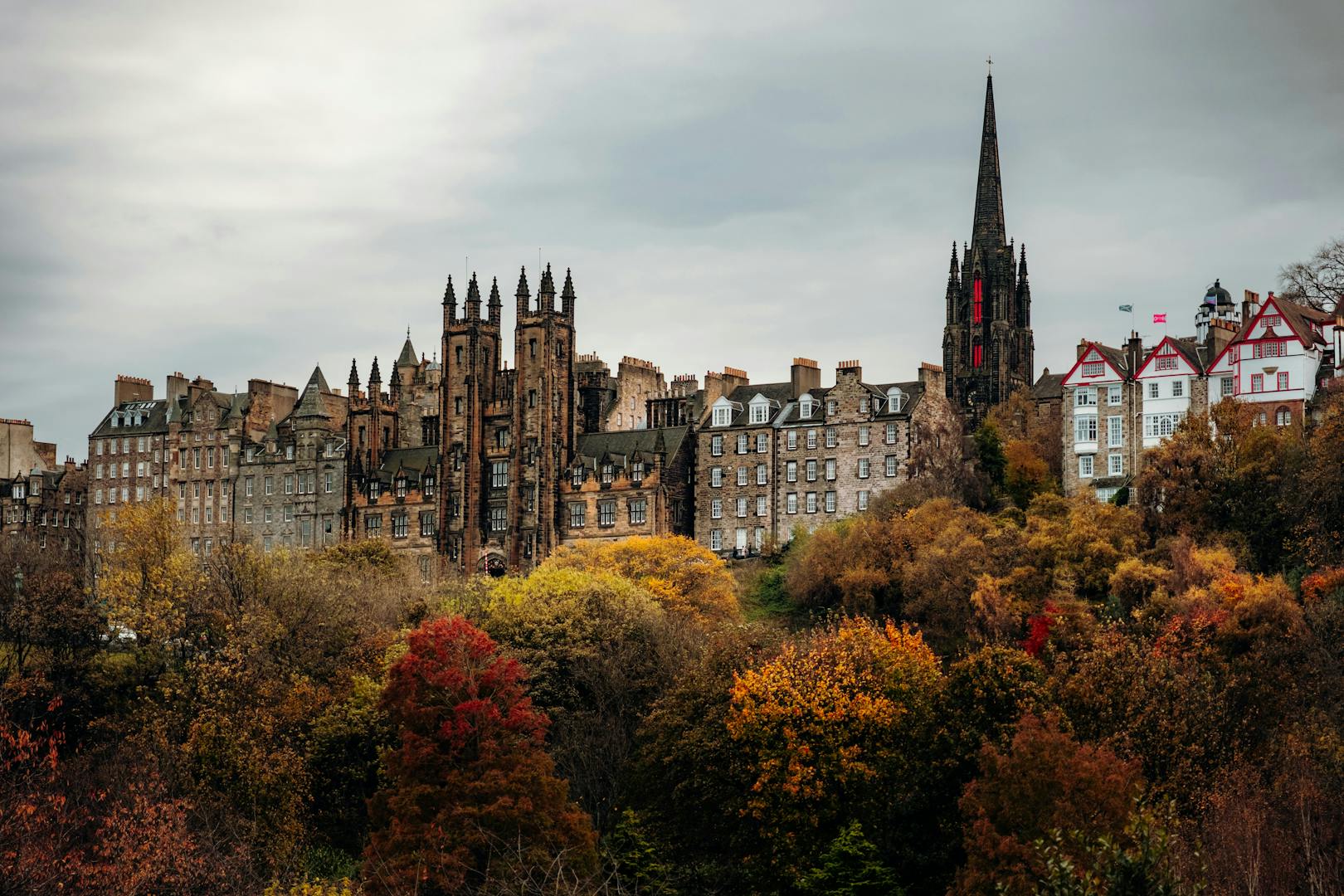
It is a serious option, particularly in August. The corridor sits far enough from the festival crush to be liveable and close enough to walk in: from Bruntsfield you cross the Links and the Meadows and you are at the university in twenty-five minutes, on foot, across grass. Room rates are materially lower than the Old Town and there is a good supply of guest houses and flats.
The honest verdict: stay in Bruntsfield rather than Morningside. Bruntsfield is a twenty-five minute walk from the Old Town and has the denser run of shops and restaurants; Morningside is another mile south, which turns every trip into a bus journey. The further south you book, the more you are paying in time what you saved in rent. Our guide to the best area to stay in Edinburgh compares the districts properly, and Edinburgh festival accommodation explains why this corridor fills up first in August.
Cinema histories, listed-building dates and bus services checked September 2026. Programmes and timetables change — confirm screenings and routes with the venue or Lothian before travelling.
Frequently Asked Questions
Is Morningside worth visiting?
Only if you have four days or more, or you have been to Edinburgh before. There is no ticketed attraction in Morningside Edinburgh — the appeal is an ordinary, prosperous residential neighbourhood with good independent shops, two historic cinemas and easy access to Blackford Hill. On a short first trip, spend the time in the Old Town instead.
How do I get to Morningside from Edinburgh city centre?
Lothian services 11, 15, 16, 23, 36 and 45 serve Bruntsfield, and the 16 continues through Holy Corner to Morningside Station. A single is £2.40 and the contactless daily cap is £5.70. Walking from Princes Street takes 25–35 minutes depending on which end of the corridor you want.
Why is it called Holy Corner?
It is the junction where Bruntsfield Place becomes Morningside Road, and it takes the nickname from the four churches that stand at the one crossroads. It is the natural midpoint of a walk along the corridor.
What is special about the Dominion Cinema?
It opened on 31 January 1938, was designed by Thomas Bowhill Gibson in Art Deco Streamline Moderne, was Category B listed in 1993, and is still run by the Cameron family who built it — one of only two family-operated cinemas in Scotland. It now has four screens and 410 seats, down from a single 1,300-seat auditorium.
Can you play golf on Bruntsfield Links?
There is a 36-hole short-hole course laid out in 1890, and Bruntsfield Short Hole Golf Club is the last club still playing over it. Arrangements for visitors are the club’s, not the council’s, so check with them before turning up with clubs. Walking across the Links themselves is free and unrestricted.
Can you visit the Royal Observatory on Blackford Hill?
Not on a drop-in basis. The Royal Observatory Edinburgh at Blackford Hill, EH9 3HJ is a working research institution whose visitor centre runs public astronomy talks and evening events rather than general daytime opening, and no casual admission price is published. Check its events listing and book if something is on; otherwise walk the hill for the view.
How long does it take to walk from Bruntsfield to the Old Town?
About twenty-five minutes, straight across Bruntsfield Links and the Meadows to the university district and on to the Royal Mile. It is flat, green and well used, which is the main argument for staying in this part of the city.
Is Morningside a good area to stay in Edinburgh?
Bruntsfield is the better half of the choice: cheaper than the Old Town, walkable to it across the Meadows, and full of shops and restaurants. Morningside proper is another mile south, which makes most trips a bus journey. Both fill up quickly for the August festivals.
Morningside and Bruntsfield are two of the districts in our complete area-by-area guide to Edinburgh’s neighbourhoods. For the opposite end of the city, see Leith and The Shore, and for the other village-scaled suburb worth a walk, Stockbridge. If the hills are what interests you, the Arthur’s Seat hike is the bigger climb on the other side of town.