Literary & Cultural Edinburgh: A Complete Guide to the UNESCO City of Literature

Literary Edinburgh is not a niche interest — it is the very fabric of the city. Scotland’s capital became the world’s first UNESCO City of Literature in 2004, a title that recognises not just its extraordinary literary past but its thriving contemporary scene of writers, publishers, bookshops, festivals, and storytelling traditions. From the dark closes of the Old Town that inspired Robert Louis Stevenson’s tales of duality to the café tables where J.K. Rowling drafted Harry Potter, Edinburgh’s streets are saturated with literary and cultural significance.
But Edinburgh’s cultural identity extends far beyond the written word. This is a city of world-class galleries, historic theatres, cutting-edge contemporary art, traditional and modern music, and a festival calendar that transforms the city into the cultural capital of the world every August. This guide explores the full breadth of Edinburgh’s literary heritage and cultural scene — the essential landmarks, hidden gems, and experiences that make literary Edinburgh one of the most culturally rich destinations on earth.
Edinburgh’s Literary Heritage: A City Written in Words
Few cities in the world can claim a literary pedigree as deep and diverse as Edinburgh’s. The city has produced, inspired, or adopted an astonishing roster of writers across five centuries, and their legacy is woven into the physical fabric of the streets, buildings, and monuments you walk past every day.
The Great Scottish Writers
Robert Burns (1759–1796) — Scotland’s national poet arrived in Edinburgh in 1786 as a young farmer-poet from Ayrshire, and the city’s literary establishment immediately embraced him. His Edinburgh period was transformative: he published the expanded Edinburgh Edition of his poems, mingled with the Enlightenment intellectuals, and cemented his reputation as a poet of universal humanity. Burns’ influence on Scottish culture is immeasurable, and Burns Night (January 25th) is celebrated with suppers and recitals throughout Edinburgh.
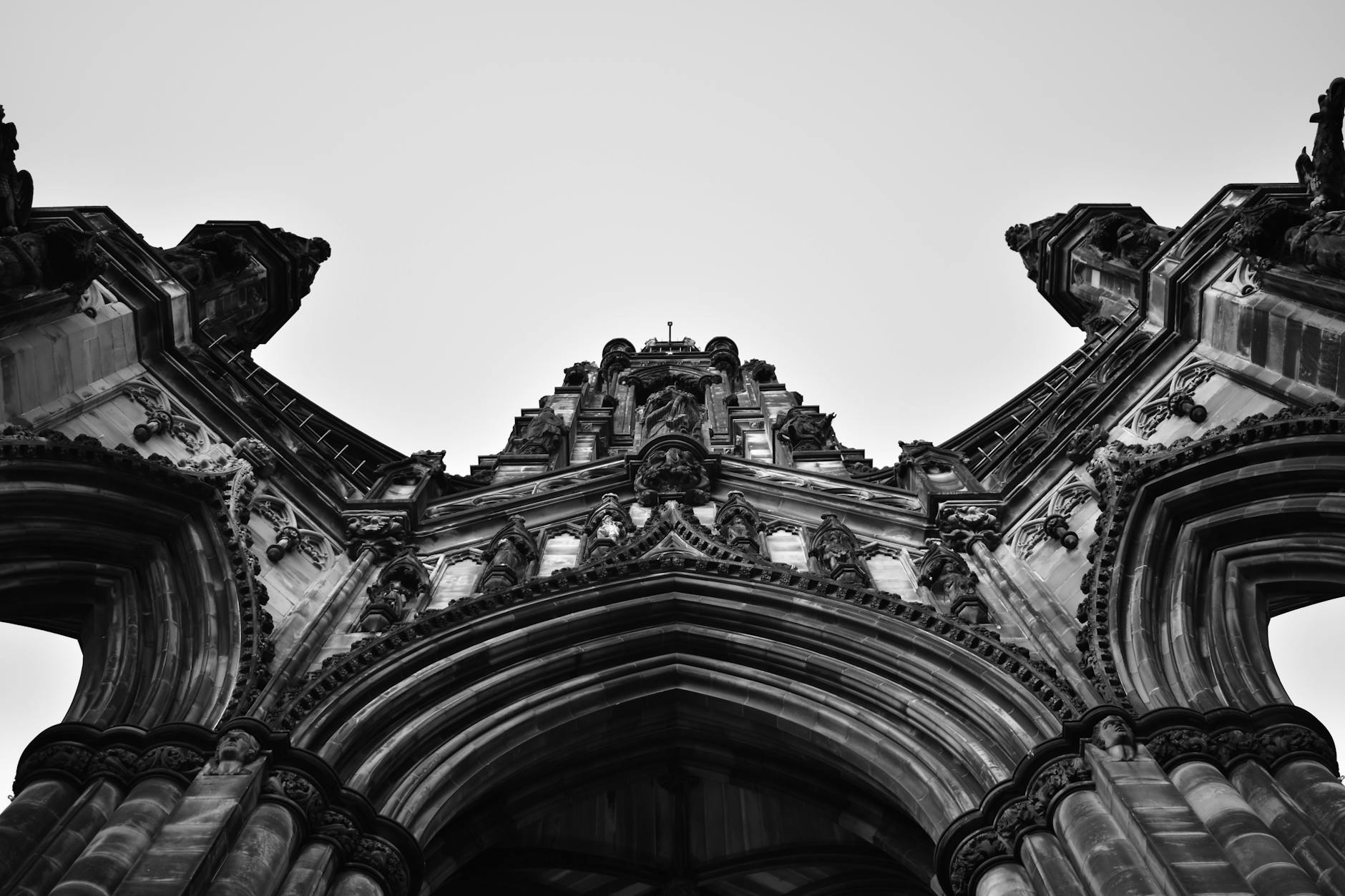
Sir Walter Scott (1771–1832) — Born in Edinburgh’s Old Town, Scott virtually invented the historical novel and shaped the world’s perception of Scotland. His Waverley novels (beginning with Waverley in 1814) created the romantic image of the Scottish Highlands that endures to this day. The Scott Monument in Princes Street Gardens — a 61-metre Gothic spire and one of the largest monuments to a writer anywhere in the world — stands as testament to his towering influence. Scott lived at 39 North Castle Street in the New Town, now marked with a plaque.
Robert Louis Stevenson (1850–1894) — Born at 8 Howard Place in the New Town, Stevenson grew up wandering Edinburgh’s atmospheric streets, and the city’s duality — the respectable New Town and the shadowy Old Town — directly inspired his masterpiece, The Strange Case of Dr Jekyll and Mr Hyde. His adventure novels Treasure Island, Kidnapped, and The Master of Ballantrae draw on Scottish landscapes and history. Despite spending his later years in the South Seas, Stevenson remained Edinburgh’s son: he wrote that the city was “what Paris ought to be.”
Arthur Conan Doyle (1859–1930) — Born at 11 Picardy Place (near the top of Leith Walk), Conan Doyle studied medicine at the University of Edinburgh under Dr Joseph Bell, whose extraordinary powers of observation and deduction directly inspired the character of Sherlock Holmes. A statue of Holmes stands near Conan Doyle’s birthplace, and walking tours trace the connections between Edinburgh’s medical school and Baker Street’s most famous detective.
Muriel Spark (1918–2006) — Edinburgh-born Spark set her most famous novel, The Prime of Miss Jean Brodie, in the city’s Morningside and Old Town neighbourhoods. The novel captures Edinburgh’s unique blend of propriety and passion, and its portrayal of an unconventional schoolteacher remains one of the finest literary portraits of the city’s character.
Ian Rankin (1960–present) — The creator of Inspector Rebus has mapped Edinburgh’s contemporary landscape through crime fiction more thoroughly than any other modern writer. Rankin’s novels explore the city’s social divisions, from the affluent New Town to the housing schemes of Niddrie and Craigmillar, and his Oxford Bar on Young Street has become a literary pilgrimage site. Reading a Rebus novel before visiting Edinburgh adds layers of meaning to every neighbourhood.
J.K. Rowling (1965–present) — Though born in England, Rowling wrote much of the Harry Potter series while living in Edinburgh. The city’s influence on the books is visible everywhere: Greyfriars Kirkyard contains the graves of Thomas Riddell and William McGonagall, George Heriot’s School is said to have inspired Hogwarts, and Victoria Street’s curving, colourful shopfronts echo Diagon Alley. Rowling has spoken publicly about writing in Edinburgh’s cafés during challenging personal times, and the city’s connection to the world’s best-selling book series draws literary pilgrims from across the globe.
Essential Literary Landmarks in Edinburgh
Edinburgh’s literary history is embedded in its physical landscape. Exploring literary Edinburgh on foot reveals layers of story at every turn. These are the essential landmarks for anyone exploring literary Edinburgh.
The Writers’ Museum
Tucked away in Lady Stair’s Close, just off the Royal Mile, the Writers’ Museum occupies a beautiful 17th-century townhouse and celebrates the lives of Burns, Scott, and Stevenson. The collection includes Burns’ writing desk, the printing press used for Scott’s Waverley novels, personal letters, first editions, and mementos from Stevenson’s travels in the South Seas. Admission is free, and the intimate setting makes this one of Edinburgh’s most rewarding small museums. The close outside features Makars’ Court, where flagstones are inscribed with quotations from Scotland’s greatest writers — a quiet, contemplative space that many visitors walk right past.
The Scott Monument
Rising 61 metres above Princes Street Gardens, the Scott Monument is the largest monument to a writer anywhere in the world. Designed by George Meikle Kemp and completed in 1846, this extraordinary Gothic spire features 64 characters from Scott’s novels carved into its stonework. For a small admission fee, you can climb the 287 narrow, spiral steps to viewing platforms that offer breathtaking panoramas of the Old Town, New Town, Calton Hill, and the Firth of Forth. The climb is tight and steep — not suitable for those with claustrophobia — but the views are spectacular.
The Scottish Poetry Library
Located in a striking modern building on Crichton’s Close (off the Canongate section of the Royal Mile), the Scottish Poetry Library houses an extraordinary collection of poetry in Scots, Gaelic, and English. The building itself is an architectural gem — a creative fusion of old and new that won a Saltire Award. The library hosts regular readings, workshops, and events, and visitors are welcome to browse the shelves, settle into a reading chair, and discover Scottish poetry from the medieval period to the present day. Admission is free.
Greyfriars Kirkyard
Greyfriars Kirkyard is one of Edinburgh’s most atmospheric locations and a magnet for literary visitors. The graveyard contains the graves of poet Allan Ramsay, philosopher David Hume, and numerous names that appear in the Harry Potter series — most notably Thomas Riddell (Tom Riddle) and William McGonagall. The kirkyard is also famous for the story of Greyfriars Bobby, the Skye terrier who reportedly guarded his master’s grave for 14 years. Join a guided walking tour for the full historical and literary context.
Edinburgh’s Independent Bookshops
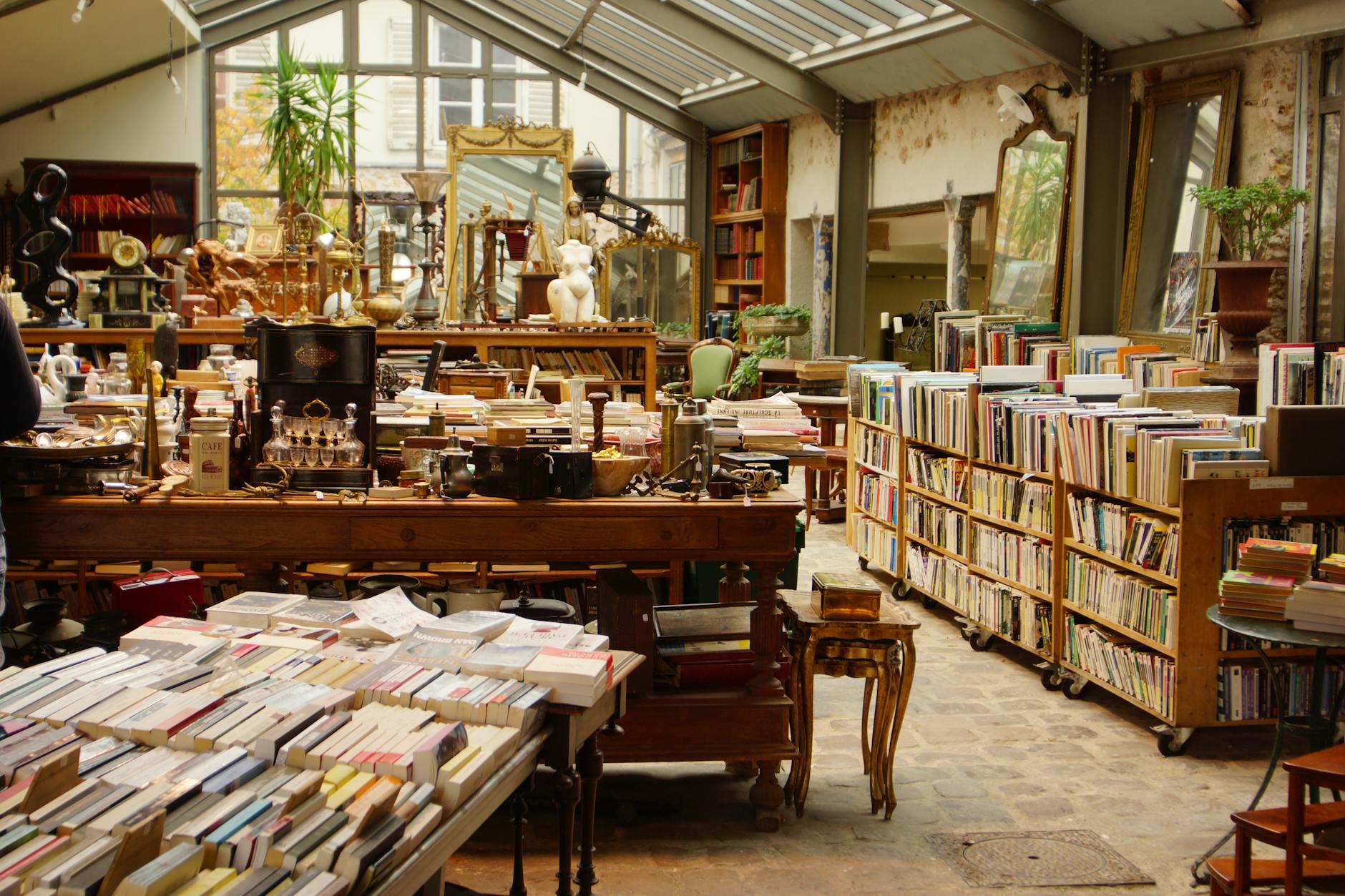
Edinburgh boasts over 50 independent bookshops — the highest concentration per capita of any city in the UK. Each has its own character and speciality. Topping & Company on Blenheim Place is a stunning multi-storey bookshop with a café and regular author events. The Edinburgh Bookshop in Bruntsfield is beloved by locals for its curated selection and knowledgeable staff. Golden Hare Books in Stockbridge is a beautifully designed small shop with an impeccable literary fiction selection. For second-hand treasures, Armchair Books on West Port is an Aladdin’s cave of towering stacks, and the Old Town Bookshop on Victoria Street specialises in rare and antiquarian volumes. A bookshop crawl through Edinburgh is a perfect rainy-day activity.
Literary Walking Tours and Experiences
The literary Edinburgh experience comes alive through its walking tours, which combine storytelling, history, and the atmospheric streets to create unforgettable experiences.
Edinburgh Book Lovers’ Tour: This curated walking tour weaves through the Old Town and New Town, visiting the haunts of Burns, Scott, Stevenson, and Conan Doyle. Guides share stories, readings, and historical context that bring the literary connections to life. Tours typically last 2 hours and run daily from the Royal Mile.
The Potter Trail: A free, family-friendly walking tour that explores Edinburgh’s connections to the Harry Potter series. Led by costumed guides, the tour visits locations that inspired the books — from Greyfriars Kirkyard to George Heriot’s School — and includes live magical demonstrations. The tour runs daily and is enormously popular; arrive early to secure a spot.
Edinburgh Poetry Tours: For something more contemplative, these specialist tours explore the city through the lens of poetry, visiting locations associated with Scotland’s poets and featuring readings at significant sites. The tours offer a uniquely atmospheric way to experience Edinburgh’s literary landscape.
Ghost and Dark Literature Tours: Edinburgh’s ghost tours draw heavily on the city’s literary traditions, particularly the horror and supernatural stories of James Hogg, Stevenson, and modern writers like Ian Rankin. Evening tours through the South Bridge Vaults and Greyfriars Kirkyard combine genuine history with literary atmosphere. See our Edinburgh walking tours guide for full listings.
Edinburgh’s Visual Art Scene
Edinburgh’s cultural identity extends far beyond literature. The city houses some of the finest art collections in Europe, with the added bonus that most are completely free to visit.
The National Galleries of Scotland
Edinburgh is home to four national galleries, all free to visit (charges may apply for special exhibitions):
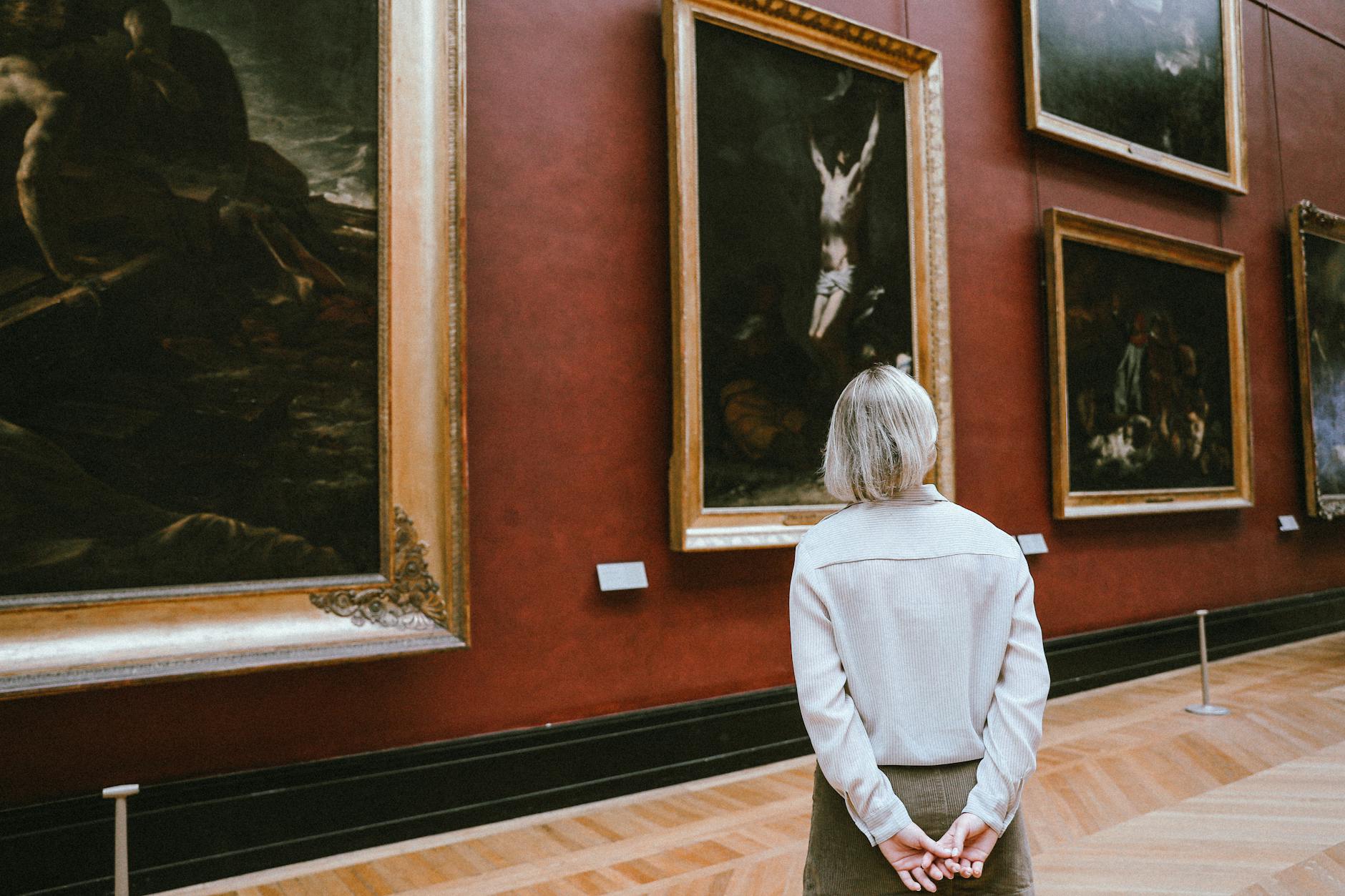
Scottish National Gallery: Situated on The Mound between the Old and New Towns, this neoclassical building houses Scotland’s premier collection of fine art from the early Renaissance to the late 19th century. Highlights include works by Raphael, Titian, Vermeer, Velázquez, Monet, Cézanne, and an exceptional collection of Scottish paintings including Raeburn’s Reverend Robert Walker Skating on Duddingston Loch — one of Scotland’s most recognisable images.
Scottish National Portrait Gallery: On Queen Street in the New Town, this was the world’s first purpose-built portrait gallery when it opened in 1889 — explore their collections at nationalgalleries.org. The building itself — a red sandstone Gothic revival masterpiece — is as impressive as the collection, which spans Scottish portraiture from the 16th century to the present. The Great Hall’s frieze depicts a procession of notable Scots throughout history.
Scottish National Gallery of Modern Art: Split across two buildings (Modern One and Modern Two) in parkland west of the city centre, this gallery holds Scotland’s national collection of modern and contemporary art. The grounds feature major sculptures by Barbara Hepworth, Henry Moore, and Charles Jencks’ Landform — a stunning landscape artwork of serpentine pools and grassy mounds. Inside, the collection includes works by Picasso, Matisse, Hockney, and significant Scottish modernists like the Colourists.
For a comprehensive guide to all of Edinburgh’s galleries and their collections, see our Edinburgh museums and galleries guide.
Contemporary and Independent Galleries
Beyond the nationals, Edinburgh has a vibrant independent gallery scene. Summerhall, a former veterinary school in the Southside, is one of Edinburgh’s most exciting cultural spaces — part gallery, part performance venue, part brewery, hosting avant-garde exhibitions, theatre, music, and film throughout the year. The Fruitmarket Gallery on Market Street has been championing contemporary art since 1974 and recently expanded into a stunning new space. The City Art Centre on Market Street focuses on Scottish art with an excellent programme of changing exhibitions. Dovecot Studios on Infirmary Street is a world-renowned tapestry studio housed in former Victorian swimming baths — the architecture alone is worth a visit, and the gallery hosts exhibitions of tapestry, textiles, and contemporary art.
Edinburgh’s Theatre and Performing Arts
Edinburgh’s performing arts scene is world-class year-round, not just during August’s festival season. The city’s theatres range from grand Victorian playhouses to intimate experimental spaces, and between them they offer an extraordinary breadth of drama, dance, comedy, opera, and musical performance.
Major Theatres
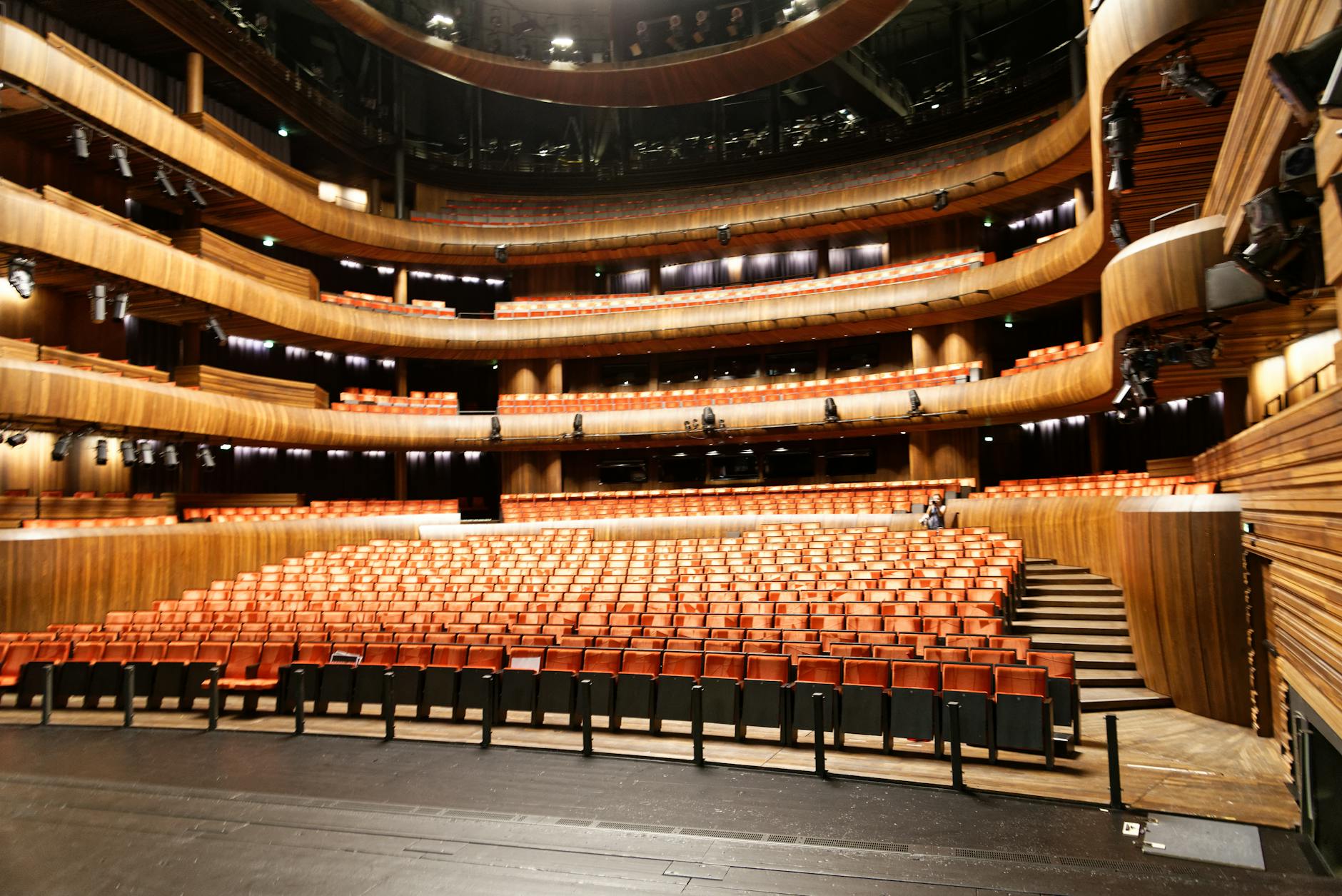
Edinburgh Festival Theatre: The city’s largest theatre (1,915 seats) on Nicolson Street hosts touring ballet, opera, large-scale drama, and musical productions. The 1994 renovation created a stunning glass-fronted foyer while preserving the ornate 1928 auditorium. It is the principal venue for Edinburgh International Festival performances during August.
Royal Lyceum Theatre: Edinburgh’s leading producing theatre, the Lyceum on Grindlay Street stages its own productions of classic and contemporary drama in a beautiful Victorian auditorium. The Lyceum’s programme balances Scottish premieres, reimagined classics, and new writing, with consistently high production values. Their annual Christmas show is an Edinburgh tradition.
Traverse Theatre: Located on Cambridge Street beside the Usher Hall, the Traverse is internationally recognised as one of the most important theatres for new writing in the English-speaking world. Two intimate studio spaces present a year-round programme of bold, contemporary drama, and the Traverse is a key Fringe venue in August. If you see one show during a non-festival Edinburgh visit, make it a Traverse production.
Edinburgh Playhouse: The largest seated theatre in the UK (3,059 seats), the Playhouse on Greenside Place specialises in touring West End musicals, concerts, and large-scale comedy shows. Recent productions have included Hamilton, Wicked, and The Book of Mormon.
Smaller Venues and Experimental Spaces
Edinburgh’s smaller venues are where you’ll find the most innovative and exciting work. Summerhall hosts experimental theatre, performance art, and interdisciplinary work throughout the year. The Scottish Storytelling Centre on the Royal Mile presents traditional storytelling, music, and spoken word in an intimate setting that connects to Scotland’s ancient oral traditions. Dance Base on the Grassmarket is Scotland’s national centre for dance, with classes, workshops, and performances open to visitors.
Edinburgh’s Music Scene
Edinburgh’s music scene spans classical orchestral performance, traditional Scottish folk, jazz, rock, and an increasingly vibrant indie and electronic scene. The city’s venues range from grand concert halls to intimate basement bars.

Classical Music
The Usher Hall on Lothian Road is Edinburgh’s premier concert venue, home to the Royal Scottish National Orchestra and a regular host to international touring orchestras and soloists. The venue’s distinctive circular design and excellent acoustics make it one of the finest concert halls in Britain. The Queen’s Hall on Clerk Street, housed in a former 19th-century church, is home to the Scottish Chamber Orchestra and hosts a diverse programme of classical, jazz, and folk concerts in a warm, intimate setting. St Giles’ Cathedral and Greyfriars Kirk both host regular choral and organ concerts in magnificent historic settings.
Traditional Scottish Music
For visitors seeking authentic Scottish cultural experiences, Edinburgh’s traditional music scene is thriving. Sandy Bell’s on Forrest Road is Edinburgh’s legendary folk pub, where impromptu sessions of fiddle, pipes, guitar, and song happen most evenings — simply walk in, order a pint, and listen. The Royal Oak on Infirmary Street hosts regular folk sessions and is a favourite of musicians and music lovers alike. The Scottish Storytelling Centre on the Royal Mile programmes traditional music concerts alongside its storytelling events. For a more formal experience, the Scottish National Museum hosts regular evening events celebrating Scottish musical traditions.
Contemporary Music and Nightlife
Edinburgh’s contemporary music scene centres on venues like The Liquid Room on Victoria Street, Sneaky Pete’s on the Cowgate (one of the best small music venues in Scotland), Bannerman’s on the Cowgate for rock and indie, and The Voodoo Rooms on West Register Street for jazz, cabaret, and eclectic programming. The Edinburgh Jazz & Blues Festival in July brings world-class artists to venues across the city, and the Edinburgh International Festival features extraordinary classical and contemporary music performances throughout August.
Edinburgh’s Intellectual Heritage
Edinburgh’s cultural richness is rooted in its extraordinary intellectual history. The city was the epicentre of the Scottish Enlightenment — a period in the 18th century when Edinburgh produced an astonishing concentration of thinkers, philosophers, scientists, and writers who fundamentally shaped the modern world.

David Hume, Adam Smith, Adam Ferguson, James Hutton, and Joseph Black were just some of the luminaries who lived and worked in Edinburgh during this remarkable period. Hume’s A Treatise of Human Nature and Smith’s The Wealth of Nations — two of the most influential books in Western thought — were both produced in Edinburgh. The city’s intellectual tradition attracted Voltaire’s famous observation that Europe’s ideas came “from Edinburgh.”
The University of Edinburgh, founded in 1583, remains one of the world’s great universities and continues to shape the city’s intellectual atmosphere. Its Old College, designed by Robert Adam and completed by William Playfair, is one of Edinburgh’s most beautiful buildings. The university’s Talbot Rice Gallery hosts excellent exhibitions of contemporary art in the neoclassical Old College setting.
Whisky, Food, and Cultural Traditions
Edinburgh’s cultural identity is inseparable from Scotland’s traditions of whisky, food, and hospitality. These are not mere tourist attractions but living cultural practices that connect visitors to centuries of Scottish heritage.

Whisky heritage: The Scotch Whisky Experience at the top of the Royal Mile offers an excellent introduction, including a barrel ride through the whisky-making process and access to the world’s largest collection of Scotch whisky. For deeper exploration, the Scottish Malt Whisky Society on Queen Street offers tastings in an exclusive Georgian townhouse, and specialist bars like The Bow Bar, Usquabae, and Cadenhead’s Whisky Shop provide expert-guided tastings of rare and unusual drams. Edinburgh is also home to a growing gin scene, with Edinburgh Gin Distillery offering tours and tastings on Rutland Place.
Culinary culture: Edinburgh’s food scene has deep cultural roots. Traditional dishes like haggis, neeps and tatties, cullen skink (smoked haddock soup), and cranachan (a whisky-laced dessert) connect diners to centuries of Scottish culinary tradition. The city’s Michelin-starred restaurants — The Kitchin, Martin Wishart, and Number One — elevate Scottish ingredients with contemporary technique, while pubs like The Sheep Heid Inn in Duddingston (reputedly Scotland’s oldest pub, dating to 1360) serve traditional fare in settings steeped in history.
Ceilidhs: A traditional Scottish ceilidh (pronounced “kay-lee”) is a social gathering with live music, dancing, and storytelling. Several Edinburgh venues host regular ceilidh nights where visitors can learn the steps and join in — no experience necessary. The Ghillie Dhu on Rutland Place and various Assembly Rooms events offer accessible ceilidh experiences that provide one of the most joyful and authentic cultural encounters available in Edinburgh.
Edinburgh’s Festival Culture
No guide to literary and cultural Edinburgh would be complete without acknowledging the extraordinary impact of the city’s festivals. Edinburgh hosts more than a dozen major festivals throughout the year, but several are particularly significant for cultural visitors.

The Edinburgh International Festival (August) brings world-class opera, theatre, dance, and classical music to the city’s major venues. Founded in 1947 to reunite European culture after the war, the International Festival remains one of the most prestigious performing arts festivals in the world. The Edinburgh Festival Fringe — the world’s largest arts festival — runs alongside it, with over 3,500 shows across 300+ venues. The Fringe is where experimental theatre, breakthrough comedy, new writing, and boundary-pushing performance thrive.
The Edinburgh International Book Festival (August) is the world’s largest public celebration of the written word, featuring over 900 events with authors, poets, illustrators, and thinkers from around the world. The Scottish International Storytelling Festival (October) celebrates Scotland’s oral traditions with performances throughout the Old Town. For full festival details and planning advice, see our Edinburgh festivals and events guide.
Planning Your Literary and Cultural Edinburgh Visit
The richness of literary Edinburgh and its wider cultural scene means you could spend weeks exploring and still discover something new. Here are practical tips for making the most of your visit.

For literary visitors: Start with the Writers’ Museum and a literary walking tour to get oriented. Allow time for browsing bookshops — they’re as much a part of literary Edinburgh as the museums. Visit the Scott Monument, Greyfriars Kirkyard, and the Scottish Poetry Library, and read at least one Edinburgh-set novel before you arrive (Stevenson’s Jekyll and Hyde, Rankin’s Knots and Crosses, or Spark’s The Prime of Miss Jean Brodie are all excellent choices).
For art lovers: The National Galleries alone could fill a full day. Add the Portrait Gallery, Modern Art galleries, and one or two independent spaces like Summerhall or the Fruitmarket. The Edinburgh museums and galleries guide helps you prioritise based on your interests.
For performing arts enthusiasts: Check theatre schedules before your visit and book tickets for the Traverse, Lyceum, or Festival Theatre. For spontaneous entertainment, walk into Sandy Bell’s for a folk session or check what’s on at the Queen’s Hall. August visitors should book key festival shows well in advance.
For cultural immersion: Attend a ceilidh, visit a whisky tasting, explore the university quarter, and spend an evening in the Grassmarket pubs that have been serving drinks since the 17th century. Edinburgh’s culture is not behind glass — it’s alive in its streets, pubs, bookshops, and concert halls, waiting to be experienced.
For day-by-day planning that incorporates these cultural highlights, see our Edinburgh itinerary guide, and for accommodation near the cultural quarter, check our where to stay in Edinburgh guide.
Literary and Cultural Edinburgh: Detailed Guides
The city was the world’s first UNESCO City of Literature. These guides follow the individual threads.
- Harry Potter locations in Edinburgh — What Rowling actually used, and what tour guides invented.
- Outlander locations in Edinburgh — Filming sites and the real 18th-century city behind the series.
- Edinburgh’s literary history and authors — Burns, Scott, Stevenson, Spark and the city that produced them.
- Edinburgh’s UNESCO World Heritage status — Why both the Old and New Towns are listed, and what that protects.
- J.K. Rowling’s Edinburgh — The cafés, the school and the grave, separated from the myth.
- Edinburgh bookshops and literary cafés — Where to buy books and where to read them.
- Edinburgh film and TV locations — Trainspotting, Avengers, Fast & Furious and the streets they used.
- New Town architecture — The Georgian grid that made Edinburgh the Athens of the North.
Related Edinburgh guides: the Writers’ Museum, the Book Festival, Old Town guide, walking tours.
Frequently Asked Questions
Why is Edinburgh a UNESCO City of Literature?
Edinburgh became the world’s first UNESCO City of Literature in 2004, recognising its extraordinary literary heritage spanning five centuries — from the poets of the Scottish Enlightenment to contemporary writers like Ian Rankin and J.K. Rowling. The designation also reflects Edinburgh’s thriving contemporary literary culture: over 50 independent bookshops, the world’s largest book festival, a vibrant publishing industry, and the highest concentration of public libraries in Scotland.
What are the best literary attractions in Edinburgh?
The essential literary attractions include the Writers’ Museum (free, celebrates Burns, Scott, and Stevenson), the Scott Monument (climb 287 steps for panoramic views), Greyfriars Kirkyard (Harry Potter connections), the Scottish Poetry Library (free), and Edinburgh’s independent bookshops. A literary walking tour provides invaluable context and brings the connections between the city and its writers to life.
Are Edinburgh’s galleries and museums free?
Most of Edinburgh’s major galleries and museums are free to visit, including the Scottish National Gallery, Scottish National Portrait Gallery, Scottish National Gallery of Modern Art, the National Museum of Scotland, and the Writers’ Museum. Some special exhibitions carry admission charges, and historic attractions like Edinburgh Castle and Holyrood Palace are ticketed. See our museums and galleries guide for full details.
Where can I hear live traditional Scottish music in Edinburgh?
Sandy Bell’s on Forrest Road is Edinburgh’s most famous folk music pub, with live sessions most evenings. The Royal Oak on Infirmary Street also hosts regular traditional music nights. For a more formal experience, the Scottish Storytelling Centre on the Royal Mile programmes traditional music concerts. Ceilidh nights at venues like the Ghillie Dhu offer live music with traditional Scottish dancing — a wonderfully immersive cultural experience.
What Harry Potter locations can I visit in Edinburgh?
Key Harry Potter-connected locations include Greyfriars Kirkyard (graves of Thomas Riddell and William McGonagall), George Heriot’s School (said to have inspired Hogwarts), Victoria Street (Diagon Alley inspiration), and various cafés associated with J.K. Rowling’s writing process. The free Potter Trail walking tour covers all major locations with engaging guides. The Balmoral Hotel’s room 552, where Rowling completed the Deathly Hallows, is now a luxury suite.
What is the Edinburgh International Book Festival?
The Edinburgh International Book Festival is the world’s largest public celebration of the written word, held annually in August alongside the other Edinburgh festivals. It features over 900 events with authors, poets, illustrators, and thinkers from around the globe. Events range from intimate author readings to large panel discussions, children’s workshops, and book signings. Tickets go on sale in June and popular events sell out quickly.
Which Edinburgh-set books should I read before visiting?
Essential Edinburgh reading includes Robert Louis Stevenson’s The Strange Case of Dr Jekyll and Mr Hyde (inspired by Edinburgh’s dual nature), Muriel Spark’s The Prime of Miss Jean Brodie (captures the city’s character perfectly), Ian Rankin’s Knots and Crosses (the first Rebus novel, a gripping tour of Edinburgh’s darker side), and Alexander McCall Smith’s 44 Scotland Street series (a gentle, affectionate portrait of New Town life). For younger readers, J.K. Rowling’s Harry Potter series gains new depth when you visit the locations that inspired it.


