Surgeons’ Hall Museums: Edinburgh’s Most Unsettling Museum (2026)
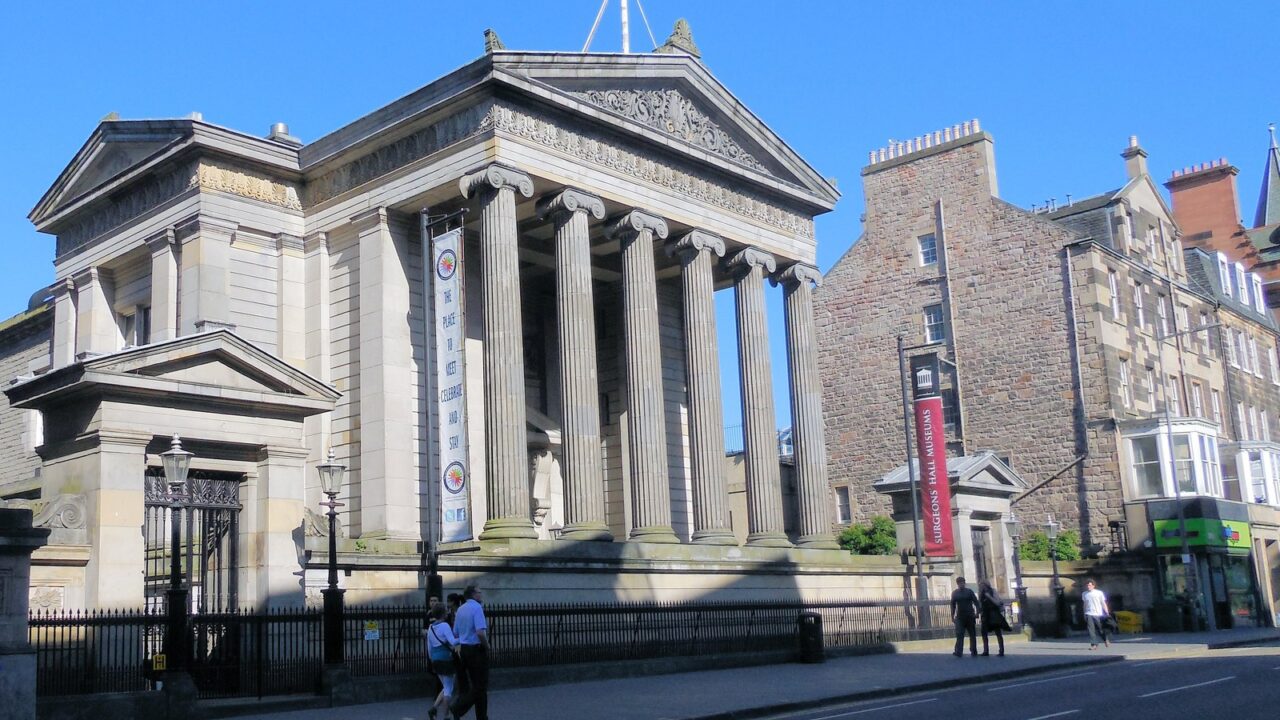
Surgeons’ Hall Museums holds one of the largest and most historic collections of surgical pathology in the world, and it is displayed the way it was assembled — as teaching material, in jars, on shelves, in a purpose-built gallery. The specimens are real human tissue. The museum says so in its own words: “the Museum contains displays of human remains, which some people may find distressing.”
That single sentence is what every aggregator page about this museum leaves out, and it is the only piece of information that actually decides whether you should go. So this guide starts there — what is real, who will find it too much, and what age it works from — before getting to the practical business of prices, timings, and the two stories everybody comes for: Burke and Hare, and the surgeon who became Sherlock Holmes. Prices and hours are from the museum’s own ticketing pages, checked September 2026.
At a Glance
- Where: Nicolson Street, Edinburgh EH8 9DW, on the Southside, about ten minutes’ walk from the Royal Mile.
- Open 10:00–17:00, seven days a week, last admission 16:30.
- Adult £10. Students, NHS staff, over-60s and visitors with disabilities £6.50. Children 5–15 £5.50. Under 5s free.
- Family tickets: 2 adults + 2 children £25; 2+1 £21; 1+2 £17. Annual ticket £26 adult, £15 concession.
- The specimens are real. This is the museum’s own content warning, not ours.
- Four displays: the History of Surgery Gallery, the Wohl Pathology Gallery, the Dental Collection, and Body Voyager, which is interactive.
- A Recognised Collection of National Significance.
- The Burke material: a pocketbook reputedly bound in the skin of the murderer William Burke, with his execution date of 28 January 1829 inscribed on the back cover, and his death mask.
- Burke’s skeleton is not here. It is at the University of Edinburgh’s Anatomical Museum, a different institution. Almost every listicle conflates them.
- Allow 1.5 to 2 hours. Christmas closure: closes 17:00 on Wednesday 23 December 2026, reopens 10:00 on Tuesday 5 January 2027.
Will You Find It Too Much? An Honest Assessment
Nobody else will tell you this plainly, so here it is.
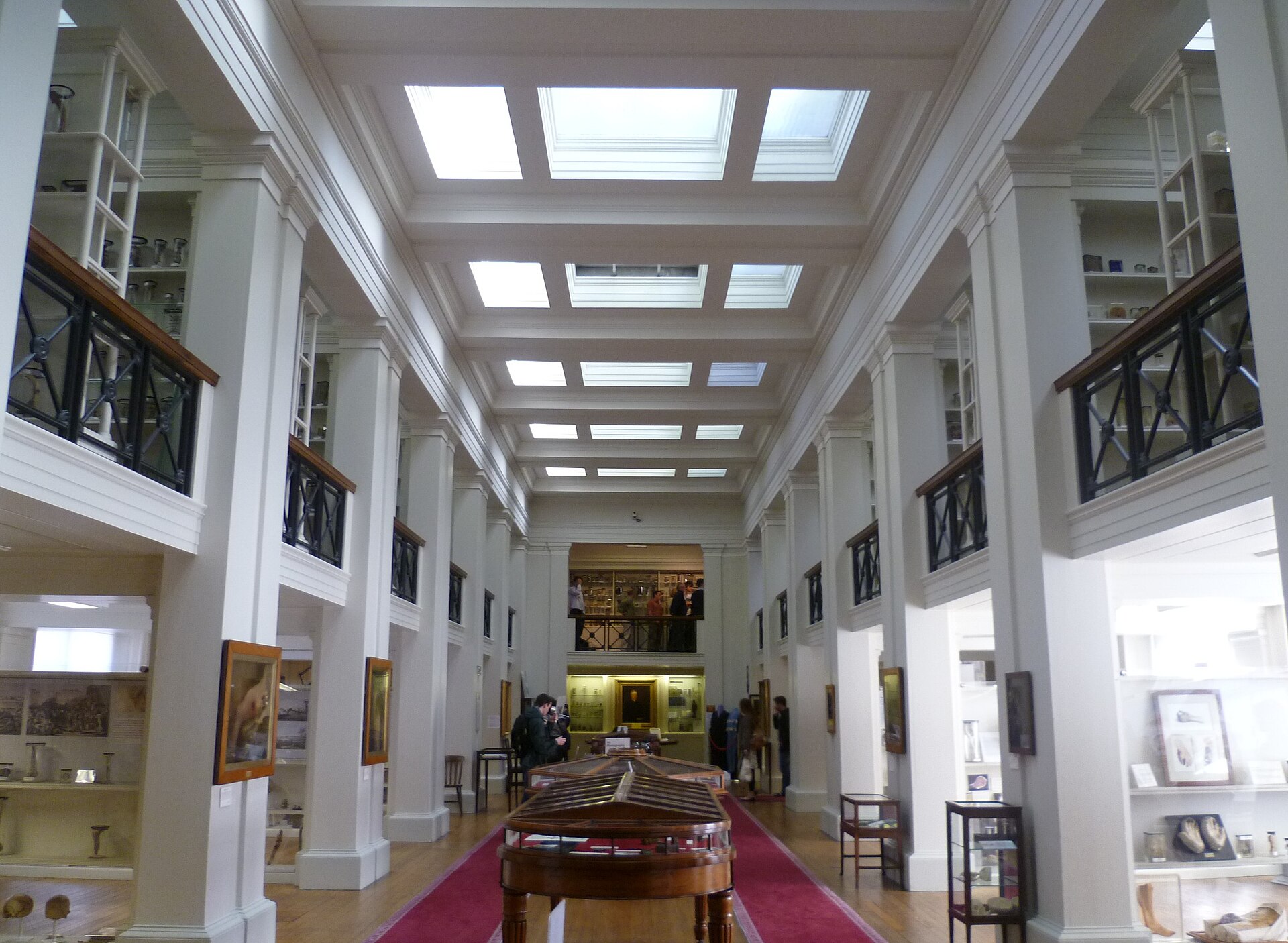
The Wohl Pathology Gallery is a large room lined floor to ceiling with glass jars containing preserved human organs and tissue, arranged by body system and by disease. These were collected over two centuries to teach surgeons what pathology looks like, and they are exactly as clinical as that sounds. There are tumours, diseased lungs, aneurysms, malformations, amputated limbs, and material relating to childbirth and to infants.
The presentation is respectful, well-lit and unsensational. It is also unflinching, and that is deliberate: this is a teaching collection belonging to the Royal College of Surgeons of Edinburgh, opened to the public rather than designed for it.
Who should think twice
- Anyone currently ill, or recently bereaved. The specimens are labelled with the conditions that killed the people they came from. If you or someone close to you has one of those conditions, this is a difficult room.
- Anyone who faints at blood or medical settings. There is no blood, but the associations are strong and the museum is not somewhere you can quickly get outside from.
- Pregnant visitors and new parents — the obstetric and infant material catches people unprepared more than anything else in the building.
- Anyone expecting a Halloween attraction. This is not a ghost tour. It is a medical collection, and the discomfort it produces is the serious kind rather than the entertaining kind.
Age guidance
The museum admits children — there is a child ticket from age 5 and family tickets — and the decision is left to the adult, which is correct but unhelpful. Our practical guidance:
- Under 8: we would not. Not because it will traumatise most children — small children are often unbothered — but because they will not get anything from it and you will spend the visit managing them.
- 8 to 12: depends entirely on the child. A child interested in how bodies work will love it. A squeamish or anxious child will not, and the Wohl gallery is not a room you can skip past quickly.
- Teenagers: this is the ideal audience, particularly anyone considering medicine. Body Voyager, the interactive display, pitches well to this age.
- Talk about it first. Tell a child before you go in that the specimens came from real people who agreed, or whose families agreed, that their bodies should teach doctors. Children handle that framing well. Being surprised by it is what goes badly.
If you decide against it, our guide to Edinburgh museums for kids has the alternatives, and the National Museum of Scotland is free and ten minutes away.
Tickets and Times
| Ticket | Price |
|---|---|
| Adult | £10.00 |
| Concession — students, NHS staff, over-60s, visitors with disabilities | £6.50 |
| Child 5–15 | £5.50 |
| Under 5 | Free |
| Family, 2 adults + 2 children | £25.00 |
| Family, 2 adults + 1 child | £21.00 |
| Family, 1 adult + 2 children | £17.00 |
| Annual ticket | £26 adult / £15 concession |
The honest verdict on the price: £10 is good value for what this is. It is a nationally recognised collection, it takes ninety minutes to two hours properly, and there is nothing remotely like it in Edinburgh at any price. The concession at £6.50 is generous and unusually widely drawn — students, NHS staff, over-60s and disabled visitors all qualify. The annual ticket at £26 pays for itself on a third visit, which sounds absurd until you meet someone who comes back.
Christmas: the museum closes at 17:00 on Wednesday 23 December 2026 and reopens at 10:00 on Tuesday 5 January 2027 — a longer shutdown than most Edinburgh attractions, and worth knowing if you are here between Christmas and New Year.
The Four Displays, and How to Walk Them
The History of Surgery Gallery
Start here, always. It runs from the barber-surgeons of the fifteenth century through to modern practice, and it is the gallery that gives you the frame for everything else. Edinburgh’s role in this history is enormous and under-told: the city was one of the great centres of European medical teaching for two centuries, and the reasons why — a concentrated Old Town, a famous university, and a supply of bodies — are also the reasons for the Burke and Hare murders.
The gallery also carries the social history: Conan Doyle’s time studying at the College, the anaesthesia and antisepsis revolutions that made modern surgery possible, and the shift from surgery as fast butchery to surgery as a science. Thirty to forty minutes.
The Wohl Pathology Gallery
The core of the museum and the reason for the content warning. Two centuries of pathological specimens, arranged systematically. Thirty to sixty minutes depending on how you are finding it, and there is no shame in giving it ten.
The thing that changes the experience is reading the labels rather than looking at the jars. Every specimen has a person behind it and a reason it was kept, and the labels are where the museum stops being a curiosity cabinet and becomes a history of what people used to die of and what we learned to fix.
The Dental Collection
Consistently the surprise of the visit. The history of dentistry is genuinely horrifying in a way the surgical material is not, largely because everyone in the room has personal experience of a dentist and none of a surgeon. Instruments, extraction devices, early prosthetics, and the long era before anaesthesia. Twenty minutes and you will not forget it.
Body Voyager
The interactive display, and the one that works best for younger visitors and for anyone who has had enough of jars. It is also the sensible place to end, because it sends you out on anatomy-as-wonder rather than anatomy-as-disease.
Suggested route: History of Surgery, then the Dental Collection, then the Wohl Pathology Gallery, then Body Voyager. Most people do pathology first because it is the famous one and then find the rest an anticlimax. Doing it third gives you the context to read the specimens properly, and gives you somewhere to go afterwards.
Burke and Hare: What Is Actually Here
In 1828, William Burke and William Hare murdered sixteen people in Edinburgh and sold the bodies to the anatomist Robert Knox for dissection. Hare turned king’s evidence and walked. Burke was convicted, and executed on 28 January 1829 before an enormous crowd.
His sentence included public dissection — the punishment fitting the crime with unusual precision — and he was dissected by Professor Alexander Monro tertius, the third of three generations of Monros to hold the Edinburgh anatomy chair.
The Royal College of Surgeons of Edinburgh holds two objects from this. The first is a pocketbook reputedly made from Burke’s skin, with a pencil inside and the date of his execution, 28 January 1829, inscribed on the back cover. The second is his death mask. Both are on display.
The thing nearly every guide gets wrong: Burke’s skeleton is not at Surgeons’ Hall. It is held by the University of Edinburgh’s Anatomical Museum, which is a separate institution in a separate building with separate — and much more limited — opening arrangements. If the skeleton is specifically what you have come to see, you are in the wrong building, and you should check the University’s own opening times before going anywhere.
The honest verdict on the Burke material: it is a small number of objects in a case, and it is not the reason to spend £10. People arrive expecting a Burke and Hare exhibition and find two items among two centuries of surgical history. The murders are better told as a walk through the Old Town they happened in — see our guide to graveyard tours and dark history walks, which covers the body-snatching trade and the mortsafes in Greyfriars.
Joseph Bell, and the Surgeon Who Became Sherlock Holmes
The better story, and the one people leave talking about.
Joseph Bell was a surgeon and Fellow of the Royal College of Surgeons of Edinburgh, and a teacher with a famous party trick: he would deduce a patient’s occupation, recent travels and habits from their appearance, before they had said a word about their symptoms. It was a demonstration of diagnostic observation, and it was theatrical enough that students remembered it for the rest of their lives.
One of those students was Arthur Conan Doyle, who studied medicine at Edinburgh and became Bell’s outpatient clerk in 1878 at the Edinburgh Royal Infirmary — a job that meant taking histories from patients and watching Bell work, day after day. Doyle credited Bell directly as the model for Sherlock Holmes, and the method Holmes uses is Bell’s method transplanted from diagnosis to detection.
The galleries cover this, and it is worth the time. It also reframes the whole museum: the observational discipline that produced these specimen jars — look carefully, record precisely, deduce from what is in front of you — is the same discipline that produced the most famous detective in literature. Our literary Edinburgh guide follows the thread further.
Making a Half Day of It
Surgeons’ Hall is on Nicolson Street in the Southside, which is a part of Edinburgh most visitors never reach and which is ten minutes’ walk from the Royal Mile. It rewards being combined with what is around it.
- The Festival Theatre is directly opposite, at 13/29 Nicolson Street — Edinburgh’s longest continuous theatre site, in use since 1830, with a capacity of 1,915 after the 1994 works and a Frank Matcham building of 1892 behind the glass frontage.
- The National Museum of Scotland is five minutes away on Chambers Street and is free. See our National Museum guide.
- Summerhall, ten minutes south, is the former Royal (Dick) Veterinary College turned multi-arts complex — which keeps the medical-buildings theme going, and has the last surviving anatomy lecture theatre of its type at any UK veterinary college.
- Greyfriars Kirkyard, ten minutes west, is where the body-snatching trade that produced Burke and Hare actually operated, and where the mortsafes still are.
- The Southside generally — see our Newington and the Southside area guide for where to eat, which is considerably better value than the Royal Mile.
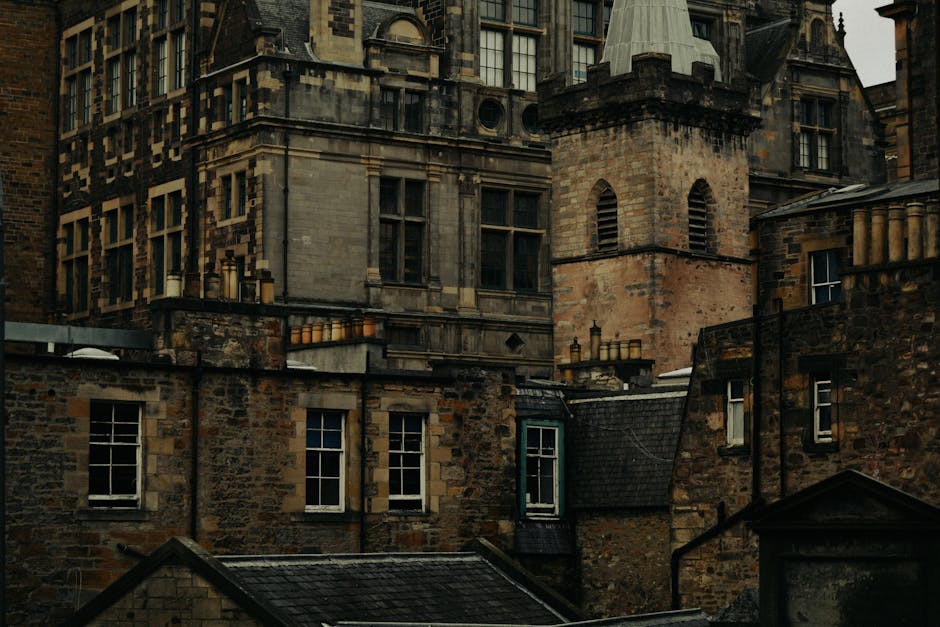
Why Edinburgh Became a Medical City
The collection exists because Edinburgh spent two centuries as one of the great centres of medical teaching in Europe, and the reasons for that are geographical as much as intellectual.
The Old Town is a ridge. Until the New Town was laid out from 1767, essentially the entire city was packed onto that ridge, in tenements of ten and twelve storeys, at a density that produced both a concentration of scholars and a concentration of disease. The Royal College of Surgeons of Edinburgh received its founding charter in 1505 as the Incorporation of Surgeons and Barbers, which makes it one of the oldest surgical bodies anywhere. The university’s medical school followed, and by the eighteenth century Edinburgh was drawing students from across Britain, Europe and the American colonies.
All of which created a problem that the museum’s most famous objects are downstream of: teaching anatomy requires bodies, and the legal supply was limited to executed criminals. Demand outran supply, and an illegal trade filled the gap. Body-snatching was widespread enough that families in Edinburgh paid for iron mortsafes to be bolted over new graves and watch-towers to be built in kirkyards. Some of both survive in Greyfriars, ten minutes from the museum door.
Burke and Hare were the point at which that trade tipped into murder — they did not rob graves, they killed sixteen people and sold the bodies fresh — and the public revulsion that followed produced the Anatomy Act of 1832, which legalised a supply of unclaimed bodies and effectively ended both the grave-robbing and the murders.
The honest verdict on the history: this is the context that makes the museum worth £10 rather than a curiosity. The jars are not a freak show; they are the physical residue of a city that taught the world how to do surgery, and the Burke material is not a ghoulish sideline but the direct consequence of that teaching. Walking to Greyfriars Kirkyard afterwards, and standing next to a mortsafe, is what turns the visit into something you remember.
Practical Notes
- Photography: restricted in parts of the museum out of respect for the human remains. Check the signage rather than assuming.
- Quietest time: weekday mornings from 10:00. Weekend afternoons and August are busy, and the pathology gallery is a worse experience crowded.
- Wet weather: this is one of the better indoor options in the city, and it takes exactly as long as a bad afternoon. See indoor activities in Edinburgh.
- The shop is good, and is the correct place to buy a present for the person in your life who would like something anatomical.
- Research access: the museum runs a searchable online database of records and images relating to the human remains in the collections.
- Getting there: Nicolson Street is a major bus corridor and it is a ten-minute walk from the Royal Mile via South Bridge.
Prices, opening hours and the Christmas closure checked against museum.rcsed.ac.uk in September 2026. Gallery names and the collections’ Recognised status are from the museum’s own pages. Confirm before travelling, particularly over the festive period.
Frequently Asked Questions
Are the specimens at Surgeons’ Hall real?
Yes. The museum displays real human remains and says so explicitly in its own visitor information: “the Museum contains displays of human remains, which some people may find distressing.” The collections were assembled over two centuries to teach surgeons, and they are displayed clinically rather than sensationally.
How much does the Surgeons Hall Museum Edinburgh cost?
Adults £10; students, NHS staff, over-60s and visitors with disabilities £6.50; children 5–15 £5.50; under 5s free. Family tickets are £25 for two adults and two children, £21 for 2+1 and £17 for 1+2. An annual ticket is £26 adult or £15 concession.
Is Surgeons’ Hall suitable for children?
It depends on the child, and the museum leaves the decision to you. Our guidance: not under 8, variable from 8 to 12 depending on temperament, and ideal for teenagers — particularly anyone considering medicine. Talk to a child beforehand about the specimens coming from real people; children handle that framing well and being surprised by it goes badly.
How long do you need at Surgeons’ Hall Museums?
An hour and a half to two hours across the four displays. Take the History of Surgery Gallery first for context, then the Dental Collection, then the Wohl Pathology Gallery, then Body Voyager. Doing pathology first, as most people do, makes everything after it feel like an anticlimax.
Is William Burke’s skeleton at Surgeons’ Hall?
No — this is the most common confusion about the museum. Burke’s skeleton is held by the University of Edinburgh’s Anatomical Museum, a separate institution with separate and more limited opening arrangements. Surgeons’ Hall holds his death mask and a pocketbook reputedly bound in his skin, inscribed with his execution date of 28 January 1829.
What is the Sherlock Holmes connection?
Joseph Bell, a surgeon and College Fellow, taught Arthur Conan Doyle at Edinburgh and was famous for deducing patients’ occupations and histories from observation alone. Doyle became Bell’s outpatient clerk in 1878 at the Edinburgh Royal Infirmary and credited him directly as the model for Sherlock Holmes. The galleries cover the connection.
What are Surgeons’ Hall Museums opening hours?
10:00 to 17:00, seven days a week, with last admission at 16:30. The Christmas break is longer than most Edinburgh attractions: it closes at 17:00 on Wednesday 23 December 2026 and reopens at 10:00 on Tuesday 5 January 2027.
Is Surgeons’ Hall worth visiting?
Yes, if you can handle the content. At £10 for a nationally recognised collection with nothing comparable anywhere in Edinburgh, it is good value and it takes a full afternoon’s worth of attention. It is not a Halloween attraction and it is not a Burke and Hare exhibition — it is a serious medical museum that happens to hold two famous objects.
Where to Go Next
See our complete guide to Edinburgh’s museums and galleries for what else is worth paying for and what is free, and Edinburgh’s hidden and unusual museums for the collections most visitors never find. For the Burke and Hare story properly told in the streets it happened in, see graveyard tours and dark history walks and the Edinburgh vaults. For the neighbourhood, Newington and the Southside, and for a free afternoon nearby, the National Museum of Scotland.
More Edinburgh Attractions Worth the Ticket
- The Royal Yacht Britannia: tickets, decks and the verdict
- St Giles’ Cathedral and the Thistle Chapel
- Climbing the Scott Monument
Photo Credits
Surgeons’ Hall on Nicolson Street: Surgeons Hall – geograph.org.uk – 3508018 by Paul Gillett, CC BY-SA 2.0, via Wikimedia Commons.
Specimen displays inside Surgeons’ Hall: Surgeons’ Hall Museum by Kim Traynor, CC BY-SA 3.0, via Wikimedia Commons.