Ceilidhs & Traditional Scottish Music Nights in Edinburgh (2026)
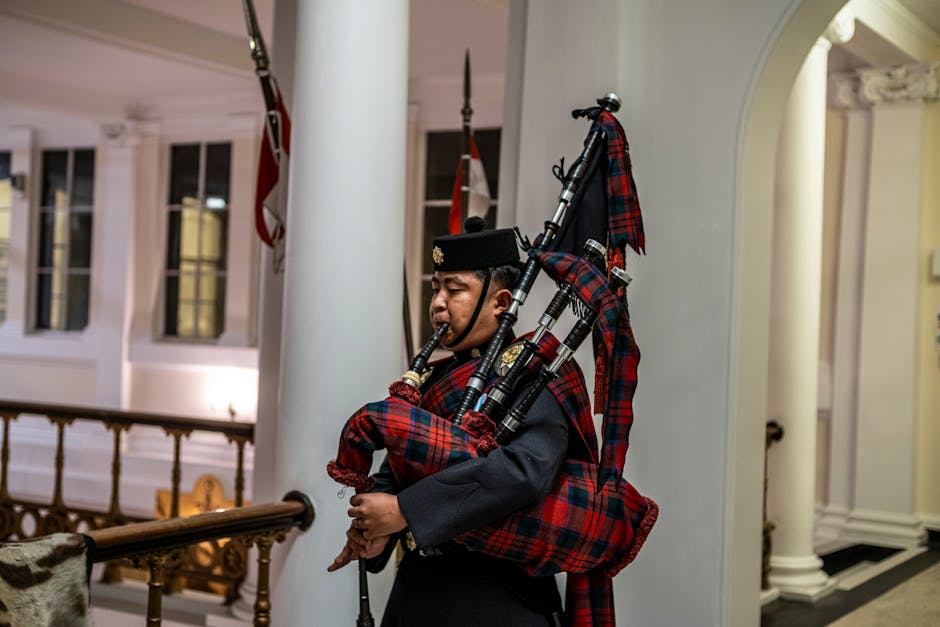
There are two entirely different things in Edinburgh that both get called traditional Scottish music, and confusing them is the reason so many visitors end up disappointed. One is a ceilidh: a ticketed social dance, with a band, a caller shouting instructions, and a room full of people getting it wrong together. The other is a session: half a dozen musicians in the corner of a pub, playing tunes to each other for their own pleasure, with no stage, no ticket and no expectation that anyone is watching.
You want both, on different nights, and they run on completely different schedules — which is why a search for ceilidh Edinburgh returns a confused mixture of dance tickets and pub listings. This page gives the actual weekly calendar for both — which venue, which night, what time, and what it costs where the price is published. The two facts most worth having: the Edinburgh Ceilidh Club runs every Tuesday in the Main Hall at Summerhall, 20:00 to 22:30, and explicitly welcomes people who have never danced before; and Sandy Bell’s on Forrest Road has a session every single night from 9pm, free, with an afternoon session at weekends.
At a Glance
- A ceilidh is a dance. A session is musicians playing to each other. Get this right and everything else follows.
- Tuesday: Edinburgh Ceilidh Club at Summerhall, Main Hall, 20:00–22:30. The reliable weekly ceilidh.
- One Friday a month: the larger ceilidh at Assembly Roxy, 19:30–23:00, with a proper dance floor and a bar.
- Ghillie Dhu, West End — a converted church with a galleried auditorium, live music every night and the Burly Ceilidh Club on set dates each month.
- You do not need to know the dances. A caller talks the room through every one before the band plays it. First-timers are explicitly welcome.
- You do not need a partner. Dances form up as sets and couples on the floor; arriving alone is completely normal.
- Sandy Bell’s, 25 Forrest Road: a session every night from 21:00, a slow session Mondays at 18:00, and afternoon sessions Saturday and Sunday from about 14:00. Free.
- Sunday: the Wee Folk Club at the Royal Oak, downstairs, 20:00, £9.
- Tuesday: Leith Folk Club in the function room of the Victoria Park House Hotel, 221 Ferry Road.
- Ceilidhs at Summerhall and Assembly Roxy are 14+ and cap group bookings at 70 people.
The Weekly Calendar
This is the stable shape of a traditional music week in Edinburgh. Individual gigs and monthly ceilidh dates move, so confirm on the venue’s own page, but the pattern below holds week to week.
| Night | Ceilidh (dancing) | Session or concert (listening) |
|---|---|---|
| Monday | — | Sandy Bell’s slow session, 18:00 — deliberately gentle, for learners; then the regular session from 21:00 |
| Tuesday | Edinburgh Ceilidh Club, Summerhall Main Hall, 20:00–22:30 | Leith Folk Club, Victoria Park House Hotel, 221 Ferry Road — opening act plus a paid main act |
| Wednesday | — | Sandy Bell’s session from 21:00; Royal Oak upstairs |
| Thursday | — | Sandy Bell’s session from 21:00; Captain’s Bar |
| Friday | Assembly Roxy ceilidh, one Friday a month, 19:30–23:00; Ghillie Dhu on set dates | Sandy Bell’s from 21:00; Whistlebinkies late |
| Saturday | Ghillie Dhu and one-off ceilidhs; late-night ceilidh nights | Sandy Bell’s afternoon session from about 14:00 and again from 21:00 |
| Sunday | — | Wee Folk Club, Royal Oak cellar, 20:00, £9; Sandy Bell’s afternoon session from about 14:00; Antiquary, Stockbridge |
Ceilidhs: Where to Actually Dance
Edinburgh Ceilidh Club, Summerhall — Tuesdays
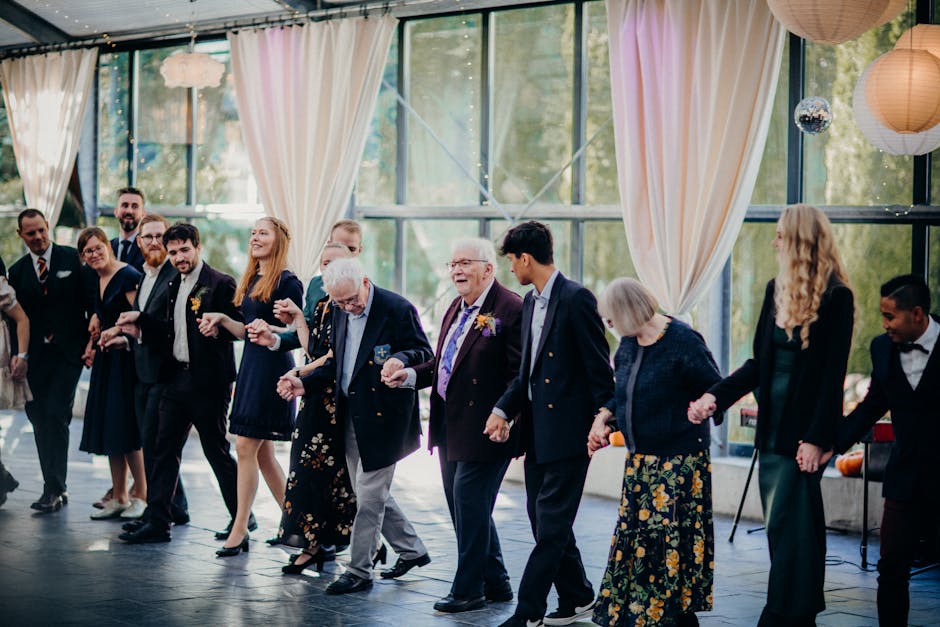
The dependable one. Every Tuesday in the Main Hall at Summerhall — the former Royal (Dick) Veterinary School just south of the Meadows — from 20:00 to 22:30. A live band, a caller, a bar, and a short break halfway through so you can get your breath back and talk to the people you have just spun round a room with.
The club states plainly that you are welcome whether you are a first-time dancer or an experienced one, that events are open to anyone 14 and over, and that group bookings are capped at 70 tickets — which is worth knowing if you are trying to bring a large party.
The honest verdict: this is the ceilidh to book. It is a real one — a mixed room of locals, students and visitors, not a coach party — and the Tuesday slot means it is rarely oversubscribed. The Main Hall is a large, plain, high-ceilinged space rather than anything picturesque, which is exactly right for dancing and disappointing if you were hoping for tartan and candlelight.
Assembly Roxy — one Friday a month
The same organisers run a larger monthly ceilidh at the Assembly Roxy in the Old Town, 19:30 to 23:00. More space, a longer night, a better bar and a proper dance floor. This is the one to aim for if your dates allow, because a bigger floor makes the eight-person dances work properly — a Dashing White Sergeant in a cramped room is chaos of the less enjoyable kind.
Because it runs monthly rather than weekly, check the date before building an evening round it.
Ghillie Dhu, West End
The most photogenic ceilidh venue in the city by a considerable distance: a converted church near the west end of Princes Street with a galleried auditorium, vaulted ceiling and chandeliers. There is live music every night, and it hosts the Burly Ceilidh Club on set dates each month along with late-night ceilidh events.
The honest verdict: the room is spectacular and the crowd skews heavily towards visitors, hen parties and office nights out. That is not a criticism — a ceilidh full of people who have never done one is often the most fun kind — but if you specifically wanted to dance alongside people who do this regularly, Summerhall and the Roxy are where they go. Ghillie Dhu is the right answer if the photograph matters as much as the dance.
One-off and seasonal ceilidhs
Ceilidhs appear all over Edinburgh’s calendar: at the Grand Cafe in the Old Town, at Summerhall outside the weekly club night, at university unions during term, and at almost every wedding in Scotland. The two peaks are Burns Night on 25 January and Hogmanay, when the city runs large public ceilidhs and every venue with a floor puts a band on it. Our Hogmanay guide covers the New Year events in detail.
Do I Need to Know the Dances?
No. This is the single most common reason people talk themselves out of going, and it is entirely unnecessary. Here is what actually happens.
- The caller explains every dance before it starts. They describe the moves, usually walk the room through them slowly once, and then call the moves out over the music while you are dancing.
- You do not need a partner. People pair up on the floor as sets form. Asking a stranger to dance at a ceilidh is completely unremarkable and almost never refused.
- Most dances repeat a short sequence eight or sixteen times, so even if you are lost for the first round you will have it by the third.
- Everyone gets it wrong. Collisions are part of the form. Nobody is being judged and the experienced dancers in the set will physically steer you into the right place, which is normal and helpful rather than rude.
- The standard dances you will meet are the Gay Gordons, the Dashing White Sergeant, Strip the Willow, the Canadian Barn Dance, the Military Two-Step and the Eightsome Reel. You will encounter roughly the same six in any room in Scotland.
- Wear something you can sweat in. Ceilidh dancing is genuinely aerobic — an hour of Strip the Willow is a workout — and the rooms get hot. Flat shoes with some grip. No heels.
The honest verdict: the only real preparation worth doing is drinking less than you think you should beforehand. Ceilidh dancing while drunk is how people end up on the floor, and the dances involve being spun rapidly by someone bigger than you.
Sessions: The Other Thing Entirely
A session is not a performance. Musicians — fiddle, accordion, whistle, flute, guitar, sometimes pipes — sit in a circle in a corner of a pub, facing each other rather than the room, and play sets of tunes that everybody present already knows. There is no set list, no microphone, no admission charge and no compere. The room is welcome to listen. The room is not the point.

Sandy Bell’s, 25 Forrest Road
The most important traditional music pub in Edinburgh and one of the most significant in Scotland. There is a session every night from 21:00. On Mondays there is also a slow session at 18:00 — deliberately played at a reduced tempo so that learners can join in — followed on alternate weeks by the Scottish Mouth Organ group. On Saturdays and Sundays there is an afternoon session from around 14:00 as well.
Musicians are welcome to join most sessions. If you have brought an instrument to Scotland, this is where to bring it — sit at the edge of the circle, listen for a set or two, and join in on tunes you know.
The honest verdict: the Monday slow session is the best-kept secret in Edinburgh traditional music, and the one to go to if you play at all. The nightly 9pm session is the one to go to if you do not — but arrive by half eight, because the pub is small and by ten there is standing room only. Sandy Bell’s also appears on our best pubs in Edinburgh list on its own merits.
The Royal Oak and the Wee Folk Club, Infirmary Street
A tiny two-level pub with music upstairs and downstairs. The fixture worth planning around is the Wee Folk Club, every Sunday at 20:00 in the cellar bar, tickets £9 — available from the Royal Oak bar during the week beforehand or on the door. It is a proper folk club: a booked act, a listening room, and an audience that has come specifically for the music.
The cellar holds very few people. If the Sunday act is someone with a following, get your ticket in advance from the bar rather than hoping.
Leith Folk Club, Victoria Park House Hotel
Every Tuesday, in the function room of the Victoria Park House Hotel at 221 Ferry Road in Leith. The format is a volunteer opening act followed by a paid main act, and the booking policy is broad — traditional Scottish, singer-songwriters, touring Americana and country. It is a volunteer-run club rather than a venue, which shows in the atmosphere and in the quality of the listening.
The honest verdict: this is the least touristed traditional music night in Edinburgh and the one most likely to put you in a room of forty people who all know each other. It is a fair way out — Ferry Road, not the Shore — so treat it as its own evening rather than as a stop on a crawl. Buy tickets in advance for touring acts.
The others
- The Captain’s Bar, South College Street — small, unshowy, regular sessions, almost entirely local.
- The Antiquary, Stockbridge — a basement session in a residential neighbourhood twenty minutes from the centre.
- Whistlebinkies, South Bridge — amplified, louder and later than the others; closer to a bar band than a session, and open into the small hours.
- The Jazz Bar, Chambers Street — not traditional, but the only room in Edinburgh with live music literally every day, and useful when nothing else is on.
Session Etiquette: The Rules Nobody Writes Down
Sessions run on unwritten convention, and breaking it is the fastest way to make a room cold. None of this is difficult.
- Do not talk over the music, particularly if you are standing near the players. Conversation at the far end of the bar is fine; a loud conversation three feet from a fiddler is not.
- Do not applaud in the middle of a set. Tunes are played in sets of two or three joined together. Applause comes at the end of the set, and you will hear when everyone else does it.
- Do not request tunes. The musicians are not taking requests; they are playing what they feel like playing.
- Ask before filming. Holding a phone up in a stranger’s face for ten minutes is as rude here as anywhere.
- Do not tip. There is no hat and no collection. If you want to show appreciation, buy the players a round — that is the accepted currency. Our tipping guide covers where money does and does not change hands in Scotland.
- If you play, listen first. Sit in, wait, and join on tunes you actually know rather than busking along. Nobody minds a quiet learner; everyone minds a loud one.
Real Session or Tourist Ceilidh? How to Tell
| Signal | Real session | Staged for visitors |
|---|---|---|
| Cover charge | None | Advertised on a chalkboard outside |
| Where the musicians face | Each other, in a circle | The room, from a stage or corner platform |
| Amplification | None | PA, microphones, monitors |
| Set list | Improvised, tunes called between players | Fixed, with the same songs nightly |
| Repertoire | Instrumental tune sets, occasional song | Heavy on singalongs and well-known ballads |
| Patter | None; they barely acknowledge the room | Between-song banter aimed at the audience |
| Timing | Starts when enough players arrive | Advertised start time, punctual |
The honest verdict: a staged traditional music night is not a con, and a good one can be genuinely enjoyable — particularly if you want songs you recognise and a performer who talks to the room. What you should not do is pay a cover charge for something advertised as an authentic session when Sandy Bell’s is doing the real thing, for free, ten minutes away.
Practicalities
Booking. Book weekly ceilidhs a few days ahead and monthly ones as soon as the date is announced; they sell out around Hogmanay, Burns Night and during August. Session pubs cannot be booked — you turn up, and arriving early is the only lever you have.
Prices. The Wee Folk Club is £9. Check ceilidh ticket prices with the Edinburgh Ceilidh Club when you book. Pub sessions are free; a pint runs £5.00 to £7.00 across the city in 2026.
Age limits. The Summerhall and Assembly Roxy ceilidhs are open to 14 and over. Pub sessions follow the pub’s own licence conditions for under-18s, which vary premises by premises with no city-wide rule.
Getting home. Ceilidhs finish between 22:30 and 23:00, which is comfortably before the transport problem starts. Sessions run to closing — 1am for an ordinary pub, with no weekend extension. NightBus singles are £3.50; only black cabs can be hailed on the street, as every Uber and Bolt in Edinburgh is private hire and must be pre-booked. See the Lothian buses and trams guide.
What to wear. Nothing special. Kilts appear at weddings and at Hogmanay, not at a Tuesday ceilidh, and turning up in one to a regular club night will mark you out rather than blend you in. If you do want one, our guide to shopping in Edinburgh covers where kilts are actually made in the city.
Frequently Asked Questions
Where can I go to a ceilidh in Edinburgh?
The Edinburgh Ceilidh Club runs every Tuesday in the Main Hall at Summerhall, 20:00 to 22:30, and a larger ceilidh one Friday a month at the Assembly Roxy, 19:30 to 23:00. Ghillie Dhu in the West End — a converted church with a galleried auditorium — hosts ceilidhs on set dates each month and has live music every night.
Do I need to know how to ceilidh dance?
No. A caller explains and usually walks the room through every dance before the band plays it, then calls the moves out over the music. Most dances repeat a short sequence eight or more times, so you will have it by the third round. First-time dancers are explicitly welcome at the Edinburgh Ceilidh Club’s nights.
Do you need a partner for a ceilidh?
No. People pair up on the floor as sets form for each dance, and asking a stranger is completely normal and almost never refused. Arriving on your own at a ceilidh is unremarkable.
What is the difference between a ceilidh and a session?
A ceilidh is a ticketed social dance with a band and a caller, and you are there to dance. A session is a group of musicians playing tunes to each other in the corner of a pub, unamplified, with no ticket and no stage, and you are there to listen. They are entirely different evenings.
Where can I hear free traditional music in Edinburgh?
Sandy Bell’s at 25 Forrest Road has a session every night from 21:00, plus a slow session on Mondays at 18:00 and afternoon sessions on Saturday and Sunday from about 14:00 — all free. The Captain’s Bar, the Antiquary in Stockbridge and Whistlebinkies also run free music.
How much does a ceilidh cost in Edinburgh?
The Edinburgh Ceilidh Club is the place to look for a ceilidh price, and the figure to trust is the one shown at booking. For comparison, the Wee Folk Club concert at the Royal Oak on Sunday nights is £9, and pub sessions are free.
Can children go to a ceilidh in Edinburgh?
The Summerhall and Assembly Roxy ceilidhs are open to ages 14 and over. Pub sessions follow the individual pub’s licence conditions for under-18s, which differ premises by premises. Public ceilidhs at Hogmanay and other city events are generally more family-friendly.
What should I wear to a ceilidh?
Something you can move and sweat in, with flat shoes that have some grip. Ceilidh dancing is genuinely aerobic and the rooms get hot. Kilts appear at weddings and at Hogmanay rather than at a regular Tuesday club night.
Can I bring an instrument to a session in Edinburgh?
Yes — musicians are welcome to join most sessions at Sandy Bell’s. The convention is to sit at the edge of the circle, listen for a set or two, and join in on tunes you actually know rather than playing along with everything. The Monday slow session at 18:00 exists specifically for learners.
Session times, club nights and the £9 Wee Folk Club price were checked in September 2026 against the venues’ own listings. Monthly ceilidh dates and ticket prices move, so confirm before travelling across the city for any single night.
For the wider music picture, see our guide to live music venues in Edinburgh, which covers the gig circuit from 100-capacity rooms upwards. The Edinburgh nightlife guide covers the rest of the evening, traditional Scottish food covers what to eat first, and free entertainment in Edinburgh lists more of what costs nothing.