Scottish Food Edinburgh: Traditional Dishes to Try (2026)

Scottish food Edinburgh visitors actually want to try goes well beyond the haggis-and-tartan tourist clichés. Traditional Scottish cuisine — built around outstanding local produce (Aberdeenshire beef, North Sea seafood, Highland venison, Borders lamb, Speyside oatmeal) and centuries of careful frugality with offal, slow-cooking, and smoking — is one of Britain’s most distinctive regional food cultures. Edinburgh is the best place to taste it: the city has more restaurants serving genuine traditional Scottish food per square mile than anywhere in the country, ranging from £15 pub plates to £150 tasting menus.
This guide covers the traditional Scottish dishes you should try in Edinburgh, where to find the best examples, the cultural context behind each dish, and practical tips for first-time tasters. Information is current as of 2026 with notes on vegetarian/vegan alternatives and which dishes work best for which dietary preferences.
The Essential Traditional Scottish Dishes
1. Haggis, Neeps and Tatties
Scotland’s national dish — and the most-tried traditional Scottish food among Edinburgh visitors. Haggis is a savoury pudding made of sheep’s offal (heart, liver, lungs), oatmeal, suet, onions, and spices, traditionally cooked inside a sheep’s stomach. Served with neeps (mashed turnip — actually swede in Scotland) and tatties (mashed potato), often with a whisky sauce. Less intimidating in practice than in description; the texture is similar to a coarse pâté and the flavour is rich, savoury, and peppery.
Where to try in Edinburgh: Whiski Bar & Restaurant (award-winning haggis three ways), the Witchery, Tolbooth Tavern (Haggis, Neeps and Tatties Tower), Howies Victoria Street, Makars Mash Bar.
Vegetarian haggis is widely available — typically made with beans, lentils, oats, and similar spice profile. Excellent versions at Whiski and Makars.
2. Cullen Skink
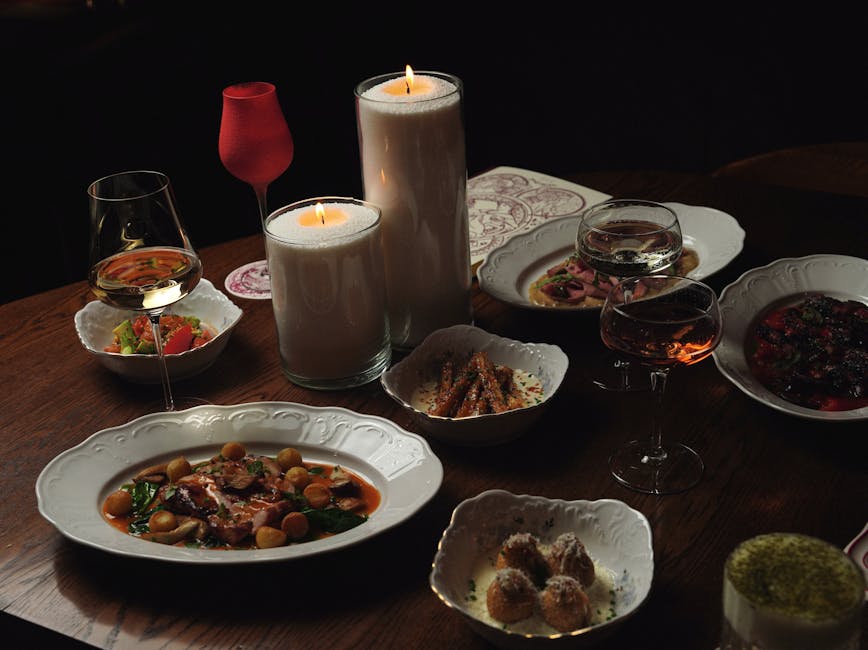
A creamy smoked haddock soup with potatoes, onions, leek, and milk or cream. Originated in the fishing village of Cullen on the Moray Firth in north-east Scotland; now found on virtually every traditional Scottish menu. Hearty enough to be a main course in winter; light enough as a starter year-round.
Where to try: Edinburgh Larder, Whiski, Cannonball, Tolbooth Tavern, the Witchery.
3. Scotch Broth
A hearty barley and lamb soup with carrots, leek, neeps, kale, and split peas. The staple winter starter at traditional Scottish restaurants. Filling enough that a generous bowl makes a meal.
Where to try: Most traditional Scottish menus include it. The Witchery, Tolbooth Tavern, Whiski.
4. Stovies
A Scottish working-class staple from the 19th century — slow-cooked beef (or sausage), potatoes, and onions in a rich gravy. Originally a way to use leftover Sunday roast. Comfort food at its purest.
Where to try: Howies Old Town, Makars Mash Bar, the Tolbooth Tavern.
5. Cock-a-leekie Soup
A medieval Scottish soup of chicken, leek, and prunes, thickened with barley or rice. The prunes sound odd; they aren’t. The dish dates to at least the 16th century and has been on Edinburgh menus continuously since.
Where to try: The Witchery, Cannonball, the Pompadour at the Waldorf Astoria.
6. Scotch Beef
Aberdeenshire’s grass-fed beef — particularly Aberdeen Angus and Highland breeds — is among the world’s most sought-after. Edinburgh restaurants take their Scotch beef seriously. Sirloin, fillet, ribeye, and slow-cooked cuts (cheek, shin) are widely available.
Where to try: Number One at the Balmoral (two Michelin stars), Cannonball, the Witchery, Hawksmoor Edinburgh, Champany Inn (15 minutes outside Edinburgh).
7. Salmon and Smoked Salmon
Scottish salmon is among the world’s most commercially significant fisheries. Wild Scottish salmon is sustainably scarce; farmed Scottish salmon is excellent quality. Smoked salmon — typically peat-smoked rather than wood-smoked — is an Edinburgh breakfast staple.
Where to try: The Witchery (smoked salmon starters), Cannonball, the Pompadour, breakfast at most Edinburgh hotels.
8. Cranachan
The classic Scottish dessert: whipped cream, raspberries, oats, honey, and whisky. Light, fresh, and quintessentially Scottish. Almost universal on traditional Scottish dessert menus.
Where to try: The Witchery, Whiski, Cannonball. Vegan versions made with coconut cream are increasingly available.
9. Scottish Smoked Fish (Arbroath Smokies)
Arbroath smokies — wood-smoked haddock from the East Coast town of Arbroath — are protected by the EU’s PDO (Protected Designation of Origin) status. Smoky, deep-flavoured, and traditional Scottish breakfast.
Where to try: Edinburgh Larder breakfast, Hotel du Vin breakfast, the Pompadour.
10. Highland Venison
Wild Scottish red deer venison — leaner than beef, with a deep gamey flavour. Available year-round in better Edinburgh restaurants. Often served with juniper, redcurrant, or whisky-based sauces.
Where to try: The Witchery (signature venison main), Number One, Cannonball, Howies Old Town.
11. Scottish Lamb
Borders lamb is renowned for its quality. Slow-roasted, grilled chops, or in stew. A particularly good autumn dish.
Where to try: The Witchery, the Pompadour, Cannonball.
12. Black Pudding
A blood sausage made with oats. A breakfast staple at most Edinburgh hotels and pub Scottish breakfasts. Rich, peppery, and surprisingly delicious for those who didn’t expect to enjoy it.
Where to try: Most Edinburgh pubs serving Scottish breakfast. The Edinburgh Larder.
13. Tablet
A traditional Scottish confection — a crumbly, hard, fudge-like sweet made of butter, sugar, and condensed milk. Sweet shops and farmers’ markets across Edinburgh sell it.
Where to try: The Saturday Grassmarket Market, Iain Mellis Cheesemonger (Victoria Street), various sweet shops.
14. Shortbread

Scotland’s most exported sweet — buttery crumbly biscuits in fingers, rounds, or “petticoat tail” wedges. Walkers Shortbread (Aberlour) is the iconic mass-market brand; specialist Edinburgh bakeries offer artisan versions.
Where to try: Most Edinburgh tea-rooms serve traditional shortbread with afternoon tea. Clarinda’s Tea Room is a particular reference.
15. Whisky
Not strictly food, but the essential accompaniment. Scotland produces single malt and blended whiskies from five regions (Speyside, Highlands, Lowlands, Islay, Campbeltown). Edinburgh has the densest concentration of whisky bars in the country.
Where to try: Whiski Bar, the Bow Bar (390+ varieties), the Albanach, the Devil’s Advocate, the Scotch Whisky Experience. For more, see our companion guide on whisky bars in Edinburgh (publishing soon).
Where to Eat Traditional Scottish Food in Edinburgh
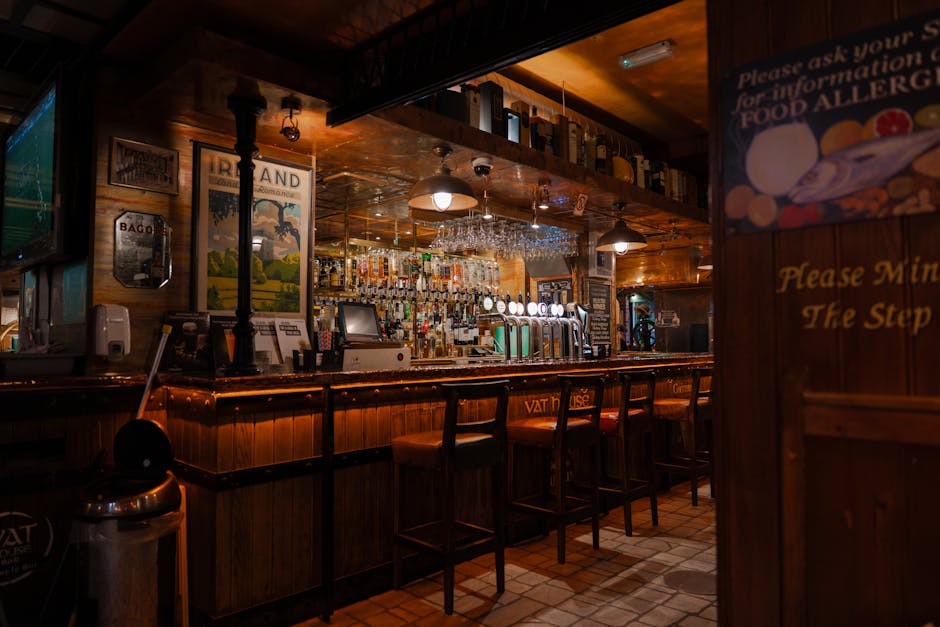
For the Full Traditional Experience
The Witchery by the Castle: Theatrical Scottish dining in candlelit oak-panelled rooms. Haggis, Scotch beef, venison.
Cannonball Restaurant & Bar: Modern Scottish in a 17th-century building below the castle.
Tolbooth Tavern: Traditional Scottish pub fare on the Canongate. Established 1820.
For Modern Takes
Number One at the Balmoral: Two Michelin stars. Mark Donald’s modern Scottish tasting menus.
Aizle: Single-tasting-menu modern Scottish.
Fhior: Nordic-Scottish on Broughton Street.
Timberyard: Modern Scottish with foraged elements.
For Pub Comfort
Whiski Bar & Restaurant: Award-winning haggis, traditional menu, live folk music.
Howies Victoria Street: Reliable traditional Scottish at fair prices.
Makars Mash Bar: Comfort food, popular with both locals and tourists.
Deacon Brodie’s Tavern: Award-winning Scottish pies.
For Budget
Edinburgh Larder: Outstanding Scottish breakfast and lunch.
Oink: Hog-roast rolls.
Various Royal Mile Scottish breakfast spots.
For broader Edinburgh dining context see our pillar on the Edinburgh food guide; for Royal Mile specifically see Royal Mile restaurants.
Sample Scottish Food Day in Edinburgh
Breakfast (8am): Full Scottish breakfast at the Edinburgh Larder — eggs, bacon, sausage, black pudding, haggis, tomato, mushroom, baked beans, toast, tattie scone. Or scrambled eggs with smoked salmon at a hotel.
Lunch (1pm): Cullen skink and Scottish smoked salmon sandwich at a Royal Mile café.
Afternoon Tea (3:30pm): Clarinda’s Tea Room or the Hub Café — scones with clotted cream, shortbread, traditional cake.
Dinner (7:30pm): Three courses at the Witchery — Scotch broth or cock-a-leekie to start, haggis with neeps and tatties or Scotch beef as main, cranachan for dessert. Wash down with a Scottish whisky.
Vegetarian & Vegan Scottish Food
Traditional Scottish food has expanded its plant-based offering significantly. Vegetarian haggis is now nearly universal. Vegan cranachan made with coconut cream. Vegan stovies with mushrooms or beans. Vegetable Scotch broth. Lentil and barley soups.
Best vegan Scottish: David Bann (the longest-established vegetarian restaurant in Scotland), Henderson’s, Holy Cow Cafe, Black Rabbit. Whiski and Makars also have strong vegetarian Scottish menus.
For more, see our upcoming vegan restaurants Edinburgh guide.
Where to Buy Scottish Food to Take Home
Iain Mellis Cheesemonger (Victoria Street): Scottish cheeses to take home.
The Saturday Grassmarket Market: Local Scottish producers — sauces, jams, smoked fish, baked goods.
Royal Mile shops: Tablet, shortbread, whisky.
Edinburgh Whisky Society Café shop: Independent-bottled Scotch.
Valvona & Crolla (Elm Row): Italian-Scottish delicatessen with extensive Scottish products.
Frequently Asked Questions
What is the most famous Scottish food?
Haggis, neeps and tatties is Scotland’s national dish — sheep’s offal pudding with mashed turnip and potato. Other iconic Scottish foods include cullen skink (smoked haddock soup), Scotch broth, Scotch beef, salmon, and shortbread.
Where can I try haggis in Edinburgh?
Whiski Bar & Restaurant has award-winning haggis three ways. Tolbooth Tavern, Howies Victoria Street, Makars Mash Bar, the Witchery, and most Royal Mile traditional restaurants serve haggis. Vegetarian versions are widely available.
Is Scottish food good?
Yes. Scottish cuisine has experienced a major renaissance over the past 25 years. Edinburgh now has multiple Michelin-starred restaurants serving modern Scottish food. Outstanding raw ingredients (beef, lamb, fish, game) combined with serious modern cooking technique produces some of Britain’s best regional dining.
What is haggis made of?
Traditional haggis is made of minced sheep’s heart, liver, and lungs (collectively called “sheep’s offal” or “pluck”), oatmeal, suet, onions, salt, pepper, mace, nutmeg, and other spices, traditionally cooked inside a sheep’s stomach. Modern versions often use casing rather than actual stomach. Vegetarian haggis substitutes beans, lentils, mushrooms, or grains for the offal.
Where can I try traditional Scottish food in Edinburgh?
The Witchery, Cannonball, Whiski Bar, Tolbooth Tavern, Howies, and Makars Mash Bar all serve traditional Scottish menus. For modern Scottish, Number One at the Balmoral (two Michelin stars), Aizle, Fhior, and Timberyard are excellent.
Is Scottish food expensive in Edinburgh?
Variable. Pub-style Scottish meals £15-£25 per person. Mid-range traditional restaurants £25-£50. Fine dining £60-£200+. Most visitors find Scottish food at all price points represents fair value for the quality and uniqueness.
What time of year is best for Scottish food?
Scottish food is excellent year-round, but autumn-winter (October-February) is the strongest season for traditional dishes — haggis, stovies, Scotch broth, and venison are all winter classics. Spring brings new lamb; summer brings salmon and seafood.
Are there vegetarian options for Scottish food?
Yes — significantly expanded over the past 20 years. Vegetarian haggis is nearly universal. Vegan cranachan, lentil Scotch broth, mushroom stovies, and vegetable cock-a-leekie are widely available. David Bann is the longest-established vegetarian Scottish restaurant.
What is cullen skink?
Cullen skink is a traditional Scottish soup made with smoked haddock, potatoes, onion (or leek), and milk or cream. Originated in the fishing village of Cullen on the Moray Firth coast. Hearty enough to be a main course; lighter as a starter.
What is the difference between Scottish food and English food?
Scottish food shares many ingredients with English cooking but with distinctive emphases — more oats and barley (vs. wheat), more game and offal, more seafood (smoked fish especially), more whisky in cooking, and Scottish-specific dishes like haggis, cullen skink, cranachan, and shortbread.
Final Thoughts
Scottish food Edinburgh visitors taste sets the tone for the whole trip. Don’t fear the haggis — try a small portion first, ideally at Whiski or the Witchery. Layer in cullen skink, Scotch broth, and a proper Scottish breakfast. End with cranachan and a single-malt whisky. Edinburgh’s food scene now competes with anywhere in Britain for quality and variety, and the traditional Scottish underpinning gives the city its distinctive culinary identity.
For more, see our pillar guide on the Edinburgh food guide, our Royal Mile restaurants piece, our Grassmarket area guide (one of the city’s best pub-food neighbourhoods), and our upcoming whisky bars Edinburgh companion.