Edinburgh War Museum & Military History Guide (2026)
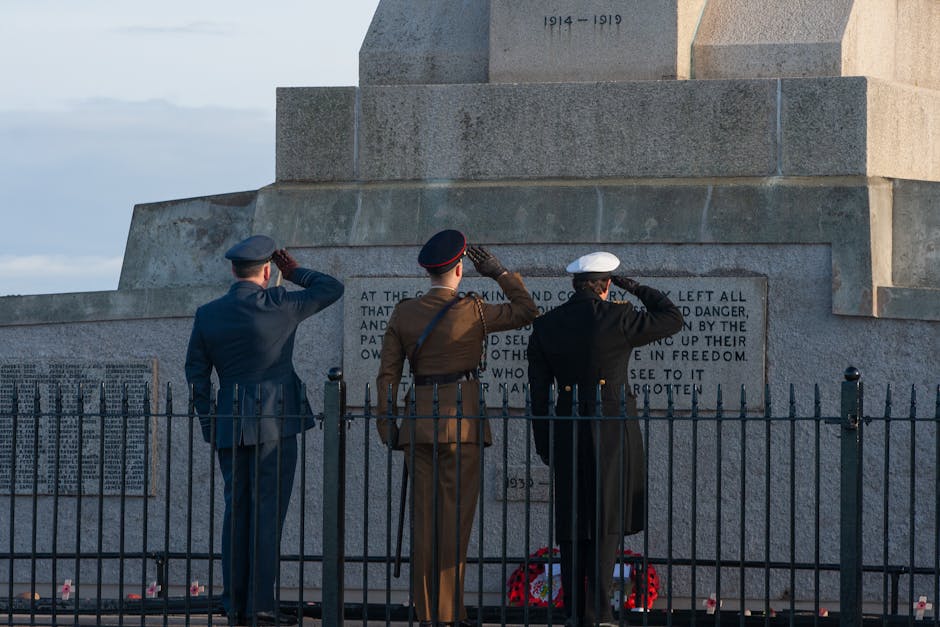
Edinburgh war museum visitors will find Scotland’s most comprehensive military heritage cluster inside Edinburgh Castle itself: the National War Museum (Scotland’s national museum of military history, run by National Museums Scotland), the Scottish National War Memorial (commemorating Scottish service personnel from the World Wars onwards), and additional military exhibits scattered through the castle complex. Together they cover 400+ years of Scottish military history, regimental tradition, two World Wars, and contemporary deployments — and admission to all is included with standard Edinburgh Castle entry.
This guide covers Edinburgh’s war museums and military history sites — what’s at each, how they fit together, accessibility, and how to combine them with the broader Edinburgh Castle visit. Information is current as of 2026.

The National War Museum (Inside Edinburgh Castle)
Scotland’s national museum of military history. Located in the former military hospital building inside Edinburgh Castle, with panoramic views back across the city. Operated by National Museums Scotland. The museum chronicles over 400 years of Scottish military experience from the 17th century to present day.
What to See at the National War Museum
Five Permanent Galleries:
Highland Soldiers: The history of the Scottish Highland regiments — kilts, sporrans, feather bonnets, broadswords, dirks, and regimental tartans. The visual display is striking; tartans were and remain key to regimental identity.
Scotland and the Wars: Scottish participation in WWI and WWII through personal artefacts, letters, photographs, and trench-relics. Particularly moving content on the Lothians and Border Horse, the Royal Scots, the Black Watch, and other Scottish regiments.
Colonial Service: Scotland’s role in the British Empire’s military activities — India, Africa, Burma. Difficult subject matter handled thoughtfully.
The Regimental Identity: How Scottish regiments maintained distinct identity within the British Army, how tartan patterns identified specific units, the role of pipe bands, and the social significance of regimental belonging.
Contemporary Conflicts: Modern Scottish service from Korea through Iraq, Afghanistan, and current deployments. Personal narratives from recent service personnel.
Highlights
Seven Victoria Crosses: The Empire’s highest decoration, on display in the medals gallery.
Personal letters and diaries: Some genuinely affecting — especially from young soldiers killed in WWI.
Captured battle flags and banners: Including French and German colours.
Highland regiment uniforms: The full ceremonial dress of named regiments.
Recent service objects: Including artefacts donated by veterans of recent conflicts.
National War Museum Practical Information
Admission: Included with standard Edinburgh Castle ticket (no separate fee).
Hours: Open during Edinburgh Castle hours (9:30am-6pm summer, 9:30am-5pm winter).
Allow: 45-90 minutes minimum. Military history enthusiasts: 2 hours.
Address: Inside Edinburgh Castle complex, the former Hospital Square.
The Scottish National War Memorial (Inside Edinburgh Castle)

One of the most powerful spaces in any UK museum or memorial. The Scottish National War Memorial commemorates Scottish service personnel and civilians who died in WWI, WWII, and subsequent conflicts.
History
Founded in 1919 as a memorial to Scotland’s WWI dead, the memorial was designed by architect Robert Lorimer and opened by King George V in 1927. It is housed in a substantially rebuilt 18th-century barracks block on Crown Square inside Edinburgh Castle. The memorial was extended after 1945 to include WWII and later conflicts.
What’s Inside
A main shrine — a casket on a green Italian-marble plinth holds a Roll of Honour bound in calfskin listing over 200,000 names of Scottish service members who died in WWI, WWII, and later conflicts.
Around the walls: individually-named bronze panels and stone tablets honouring Scottish regiments, divisions, and units. Visitors can find specific regiments through the alphabetical organisation.
The atmosphere is genuinely contemplative — most visitors fall silent on entering. Photography inside is restricted out of respect.
Memorial Practical Information
Admission: Included with standard Edinburgh Castle ticket.
Allow: 15-30 minutes. Add longer if you want to search the Roll of Honour for specific names.
Conduct: Quiet voices expected. Photography restricted out of respect.
Other Military Sites Inside Edinburgh Castle
The Honours of Scotland
The Scottish Crown Jewels — the Crown, Sceptre, and Sword of State — are themselves objects with significant military history. The Sword of State was a gift from Pope Julius II to James IV in 1507; the Crown was refashioned in 1540 for James V; the regalia were used together at Mary Queen of Scots’ coronation in 1543. For full details see our what to see inside Edinburgh Castle guide.
The Half Moon Battery and One O’Clock Gun
The curving stone gun emplacement built after the Lang Siege of 1573. The One O’Clock Gun has been fired daily from this battery since 1861 (except Sundays, Christmas Day, and Good Friday). A 105mm field gun is the current weapon.
The Prisons of War Vaults
Beneath the Queen Anne Building. Held French sailors during the Seven Years’ War, American and French sailors during the American War of Independence, and French prisoners during the Napoleonic Wars. Prisoners’ graffiti on doors and walls includes early American Stars and Stripes flag depictions.
Mons Meg
The 15th-century medieval bombard cannon, made in Mons (Flanders) in 1449 and presented to James II in 1457. One of the largest medieval cannons ever made.
Edinburgh War Museums Outside the Castle
The Royal Scots Regimental Museum
Holyrood Palace area. Smaller museum dedicated to the Royal Scots (the First of Foot — Britain’s oldest infantry regiment, founded 1633). Limited public opening; check current schedule.
The Royal Highland Fusiliers Regimental Museum
Smaller specialist regimental museum. Limited access; advance booking recommended.
The Roxburghe Pen and Sword
A small but interesting collection of letters and documents from Scottish military service. Limited access.
How Long to Spend at Edinburgh’s War Museums
Quick visit: National War Museum highlights (60 minutes) plus the Scottish National War Memorial (15 minutes). Approximately 75 minutes total within an Edinburgh Castle visit.
Standard visit: National War Museum (90 minutes), Scottish National War Memorial (30 minutes), plus a deeper visit to the Prisons of War vaults (15-25 minutes). Approximately 2.5 hours total.
Thorough visit: All of the above plus the Honours of Scotland, Half Moon Battery, Mons Meg, and Great Hall (which displays Scotland’s largest collection of medieval and early-modern weapons). Up to 4 hours.
Edinburgh War Museums for History Enthusiasts

Edinburgh is particularly strong for visitors with deeper military-history interests:
Specific regimental research: If you have a family connection to a specific Scottish regiment, the Scottish National War Memorial’s Roll of Honour and the National War Museum’s regimental displays can be researched. Staff can help locate specific names with notice.
WWI Centenary objects: The 2014-2018 WWI centenary brought significant new acquisitions to the National War Museum. Many remain on display.
Highland weapons: The Great Hall’s weapons display is the best surviving medieval/early-modern Scottish weapons collection.
Modern artillery: The Argyle and Half Moon Batteries display working and ceremonial guns.
Beyond the Castle: Edinburgh Military Heritage Sites
The Tomb of the Unknown Soldier
Not in Edinburgh — at Westminster Abbey, London. But the Scottish equivalent acknowledgement is at the Scottish National War Memorial inside Edinburgh Castle.
Royal Scottish Academy Memorial Hall
Within the Royal Scottish Academy (Princes Street Gardens), a small memorial hall commemorates Scottish artists killed in service.
Battlefield Sites Within Day-Trip Range
Bannockburn (1314, near Stirling): About 35 miles north. Combined with Stirling Castle for a Scottish-history day trip from Edinburgh.
Culloden (1746, near Inverness): A day trip from Edinburgh (3-4 hours each way by car). Site of the final Jacobite defeat. Important historic visitor centre run by the National Trust for Scotland.
Sample Edinburgh War Museums Day
9:30am: Edinburgh Castle entry. Walk to the upper ward.
9:45am: Scottish National War Memorial (20 minutes). Begin with the memorial — most contemplative when entered first.
10:15am: National War Museum (90-120 minutes). All five permanent galleries.
12:30pm: Coffee at the Castle Vaults or Redcoat Café.
1pm: Half Moon Battery + One O’Clock Gun (the gun fires at exactly 1pm — be in position by 12:50pm).
1:30pm: Mons Meg + Prisons of War Vaults (45 minutes).
2:30pm: Great Hall and the medieval weapons collection (30 minutes).
3pm: Royal Palace and the Honours of Scotland (45 minutes).
4pm: Coffee. Optional extension: walk to Holyroodhouse via the Royal Mile.
Tips for Visiting
Photography restrictions. The National War Museum permits photography in most areas. The Scottish National War Memorial restricts photography out of respect.
Look for personal stories. The National War Museum’s strongest interpretive choice is to combine grand strategic narratives with personal letters, diaries, and objects. Take time to read these.
Plan around the One O’Clock Gun. The Half Moon Battery becomes a crowd at 12:50pm. The Scottish National War Memorial is quietest around 1pm when others are gathered at the gun.
Consider quiet hours. National Museums Scotland schedules monthly quiet hours at the National War Museum for visitors with autism or sensory sensitivities.
Visit on a weekday. Weekend visits to Edinburgh Castle are significantly busier, particularly during August Festival.
Read the dedication plaques in the memorial. Individual regimental dedications carry significant moments of Scottish military history. Worth slowing down for.
Accessibility
Both the National War Museum and the Scottish National War Memorial are accessible via Edinburgh Castle’s mobility vehicle and step-free routes. Some smaller exhibits within the museum have stepped access. The memorial main shrine is fully accessible. Hearing loops throughout. Disabled visitors receive standard Edinburgh Castle admission; one essential carer enters free.
Frequently Asked Questions
Where is the National War Museum Edinburgh?
Inside Edinburgh Castle, in the former military hospital building. Included with standard Edinburgh Castle admission.
Is the National War Museum free?
It is included with standard Edinburgh Castle ticket (no separate fee). Edinburgh Castle admission costs approximately £21.50 adult online.
What is the difference between the National War Museum and the Scottish National War Memorial?
The National War Museum is a working museum with permanent galleries on Scottish military history from the 1600s onwards. The Scottish National War Memorial is specifically a memorial shrine commemorating Scottish service personnel who died in the World Wars and subsequent conflicts. Both are inside Edinburgh Castle; both are included with castle admission.
How long does it take to visit Edinburgh’s war museums?
Allow 75-90 minutes for the National War Museum and the Scottish National War Memorial together. Add the broader Edinburgh Castle military exhibits (Mons Meg, Prisons of War, Great Hall) for a total 2.5-4 hour visit.
Can I research specific Scottish regiment names at the war memorial?
Yes. The Scottish National War Memorial’s Roll of Honour lists over 200,000 names of Scottish service personnel. Staff can help with research enquiries; advance contact is recommended.
Are photos allowed at the Scottish National War Memorial?
Restricted out of respect for the memorial purpose. Photography is permitted at the National War Museum and elsewhere in Edinburgh Castle without flash. Confirm at entry.
What military museums are there in Edinburgh?
The National War Museum and Scottish National War Memorial (both inside Edinburgh Castle) are the major institutions. Smaller specialist regimental museums (Royal Scots, Royal Highland Fusiliers) exist with limited public access.
Is Edinburgh’s war museum kid-friendly?
Reasonably. The National War Museum’s regimental uniforms, weapons, and personal artefacts engage many primary-age children. The Scottish National War Memorial is solemn and best appreciated by older children (10+). The One O’Clock Gun is universally popular.
What is the Scottish National War Memorial?
A memorial shrine inside Edinburgh Castle, opened in 1927, commemorating Scottish service personnel who died in WWI, WWII, and subsequent conflicts. The main hall holds a Roll of Honour with over 200,000 names. Designed by architect Robert Lorimer.
What is at the National War Museum Edinburgh?
Five permanent galleries covering 400+ years of Scottish military history: Highland soldiers and regimental identity, Scotland in the World Wars, colonial service history, military traditions, and contemporary conflicts. Plus medals (seven Victoria Crosses), weapons, uniforms, personal letters, and battle flags.
Is the National War Museum the same as Edinburgh Castle?
The National War Museum is a separate institution housed inside Edinburgh Castle. Run by National Museums Scotland, it is one of several attractions accessible with standard Edinburgh Castle admission. Edinburgh Castle itself is run by Historic Environment Scotland.
Final Thoughts
Edinburgh war museum visitors find Scotland’s most significant military heritage cluster inside Edinburgh Castle — the National War Museum’s 400+ years of Scottish military history, the Scottish National War Memorial’s contemplative shrine, and the broader military artefacts scattered through the castle complex. Allow at least 90 minutes for the dedicated war exhibits, ideally 2-3 hours. The Scottish National War Memorial in particular rewards slow, contemplative visiting.
For more, see our pillar guide on Edinburgh Castle, our companion guides on what to see inside Edinburgh Castle, history of Edinburgh Castle, and our Edinburgh museums and galleries pillar.


