Edinburgh International Festival: Guide & Highlights (2026)
The Edinburgh International Festival (EIF) is the world’s most prestigious curated arts festival — Scotland’s flagship cultural event, presenting classical music, opera, theatre, dance and contemporary performance from the world’s leading artists. Founded in 1947 as a beacon of post-war cultural reconciliation, the festival runs each August alongside the Edinburgh Fringe, attracting audiences from around the world to a programme of 147 performances across 24 days. For 2026, the festival’s theme is “All Rise” and runs from 7–30 August, with the spotlight on American artists.
This complete 2026 guide covers everything you need to plan an Edinburgh International Festival visit: dates, ticket strategy, must-see performances, programme highlights, venues, accommodation tips, how EIF differs from the Fringe, the residencies of the Berliner Philharmoniker and Los Angeles Philharmonic, and tips for first-time international festival visitors. Whether you’re a classical music fan, an opera lover or curious about the festival’s bigger-picture cultural ambition, this is the guide to bookmark.
Edinburgh International Festival 2026 at a glance
| Detail | Information |
|---|---|
| Dates | 7 – 30 August 2026 (24 days) |
| Total performances | 147 |
| Main venues | Usher Hall, Festival Theatre, Queen’s Hall, Royal Lyceum |
| Box office | eif.co.uk or +44 131 473 2000 |
| Typical ticket prices | £20–80 (some from £8 for under-30s) |
| 2026 theme | “All Rise” |
| Spotlight | American artists |
| Resident orchestras | Jazz at Lincoln Center, Berliner Philharmoniker, LA Philharmonic |
| Founded | 1947 |
What is the Edinburgh International Festival?
The Edinburgh International Festival (EIF) is a curated programme of high-end classical music, opera, theatre, dance and contemporary performance from the world’s most distinguished artists. Unlike the open-access Edinburgh Fringe, the EIF carefully selects and invites companies and artists — typically award-winning international names, leading orchestras, and major opera and theatre companies.
Founded in 1947, just two years after the end of World War II, the Festival’s original mission was to “provide a platform for the flowering of the human spirit” through cross-cultural artistic exchange. That mission continues today, with a programme that consistently introduces world premieres, hosts the world’s leading orchestras, and presents work by international companies rarely seen in the UK.
2026 Edinburgh International Festival theme: “All Rise”
The 2026 EIF theme is “All Rise” — a programme exploring resilience, courage and democracy with a particular spotlight on American artists. Programme director Nicola Benedetti (Scotland’s celebrated violinist) has curated work that responds to current global moments while celebrating American jazz, classical and contemporary traditions.
2026 programme highlights
Orchestral residencies
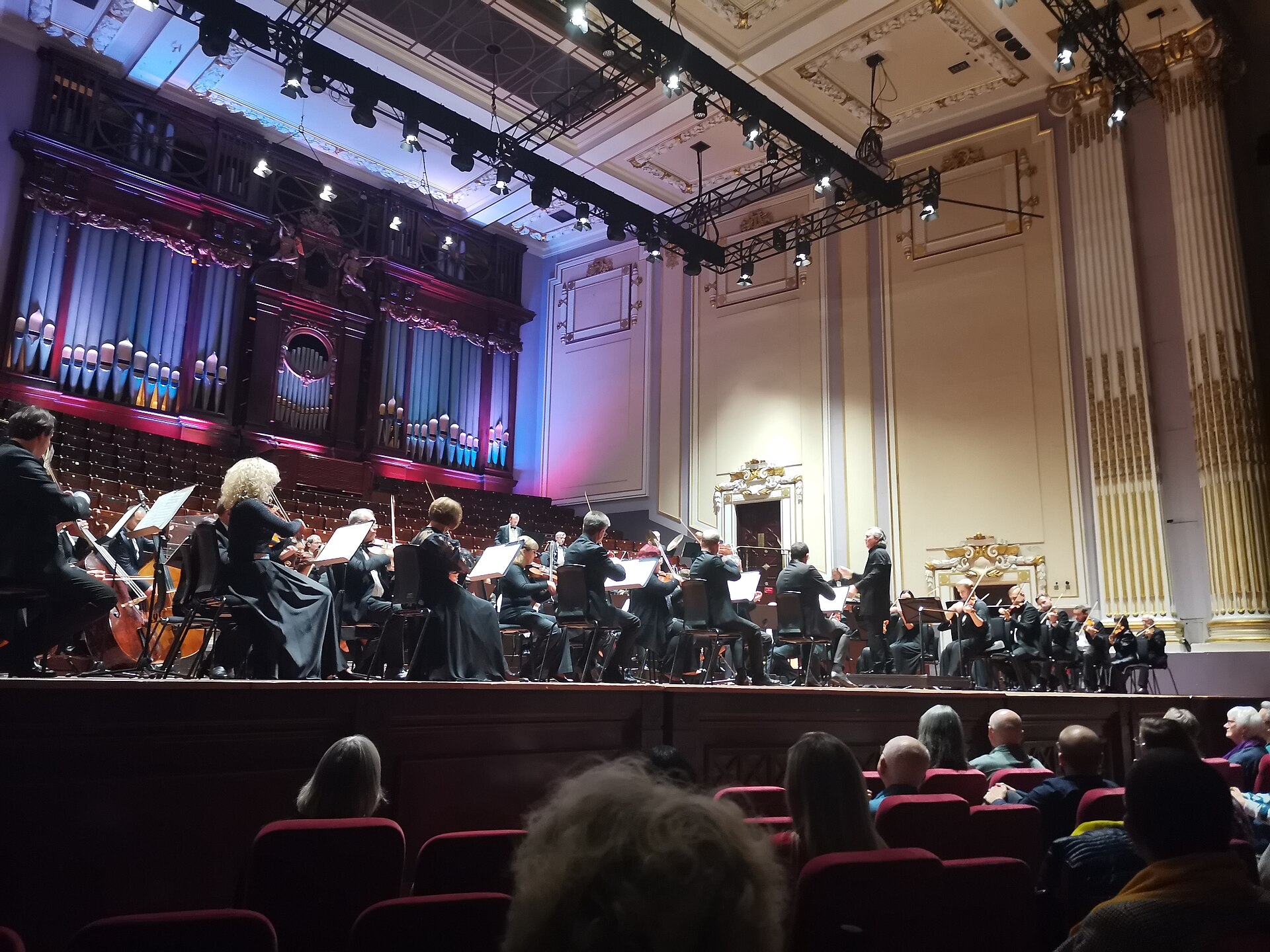
Three world-class orchestras headline EIF 2026:
- Jazz at Lincoln Center Orchestra — Wynton Marsalis leads America’s premier big-band ensemble through several Edinburgh concerts
- Berliner Philharmoniker — Germany’s flagship symphony returns for a multi-concert residency
- Los Angeles Philharmonic — under Gustavo Dudamel, presenting major American symphonic programmes
Opera highlights
The 2026 opera programme features two staged productions at the Festival Theatre and concert opera at the Usher Hall:
- Verdi’s A Masked Ball — Zurich Opera production set in the American Gilded Age
- Missy Mazzoli and Royce Vavrek’s The Galloping Cure — world premiere confronting the global opioid crisis
- Mozart’s Don Giovanni — Scottish Chamber Orchestra and Chorus, conductor Maxim Emelyanychev
- Strauss’s Elektra — BBC Scottish Symphony Orchestra, conductor Karina Canellakis, soprano Nina Stemme
Classical music
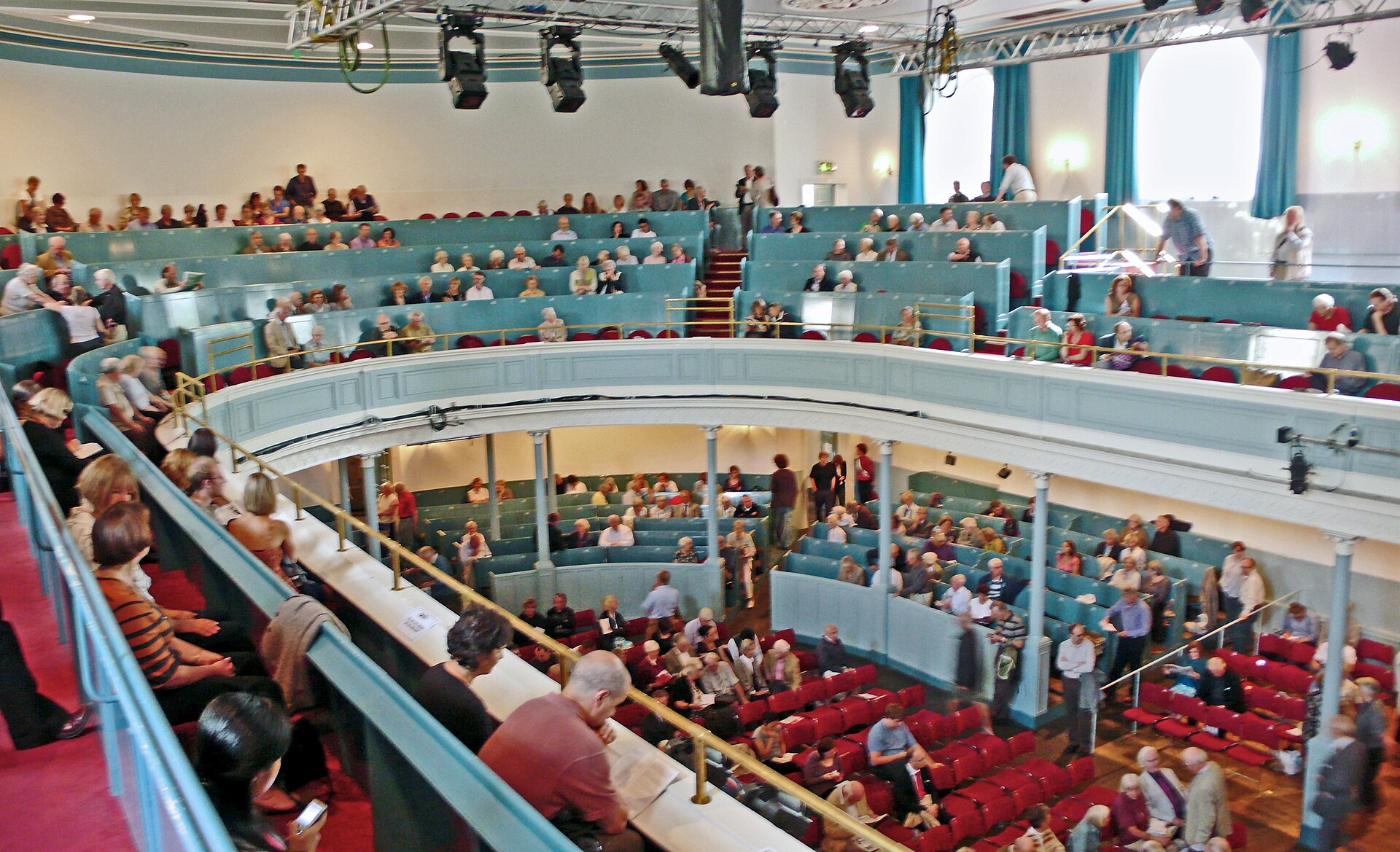
23 evening concerts at the Usher Hall and 21 morning recitals at the Queen’s Hall. 2026 highlights include:
- Vilde Frang — Norwegian violinist (Queen’s Hall morning recital)
- Sean Shibe — Scottish guitarist (Queen’s Hall)
- Sheku Kanneh-Mason with the Kelio Quartet
- Tribute concerts to Alfred Brendel — the late Austrian pianist
- Various international soloists performing with the resident orchestras
Theatre and dance
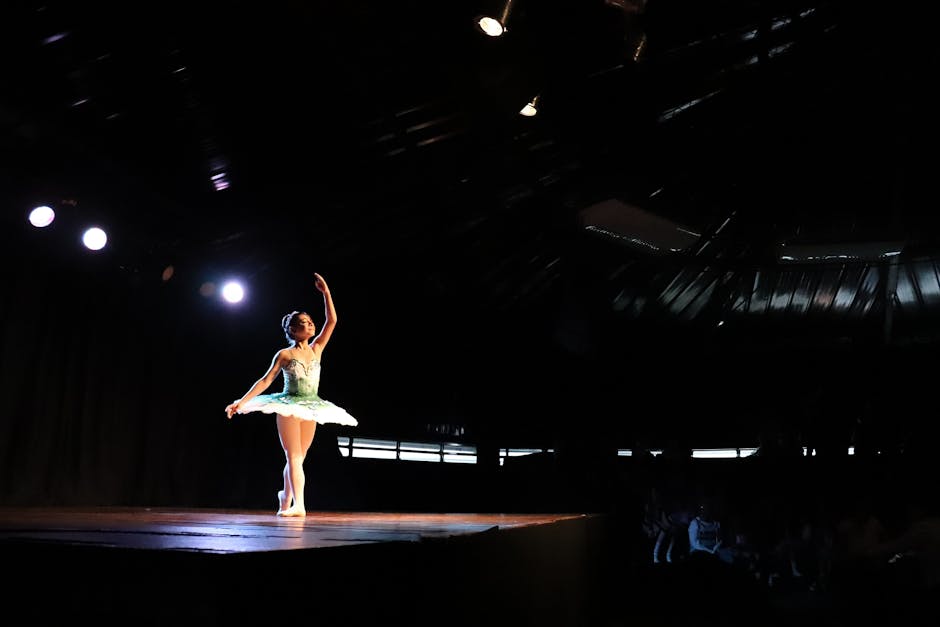
The 2026 theatre and dance programme features major international productions, contemporary dance from leading companies, and Scottish premieres. Check the EIF brochure for specific shows; theatre and dance is a smaller part of the festival than music.
Edinburgh International Festival venues
Usher Hall
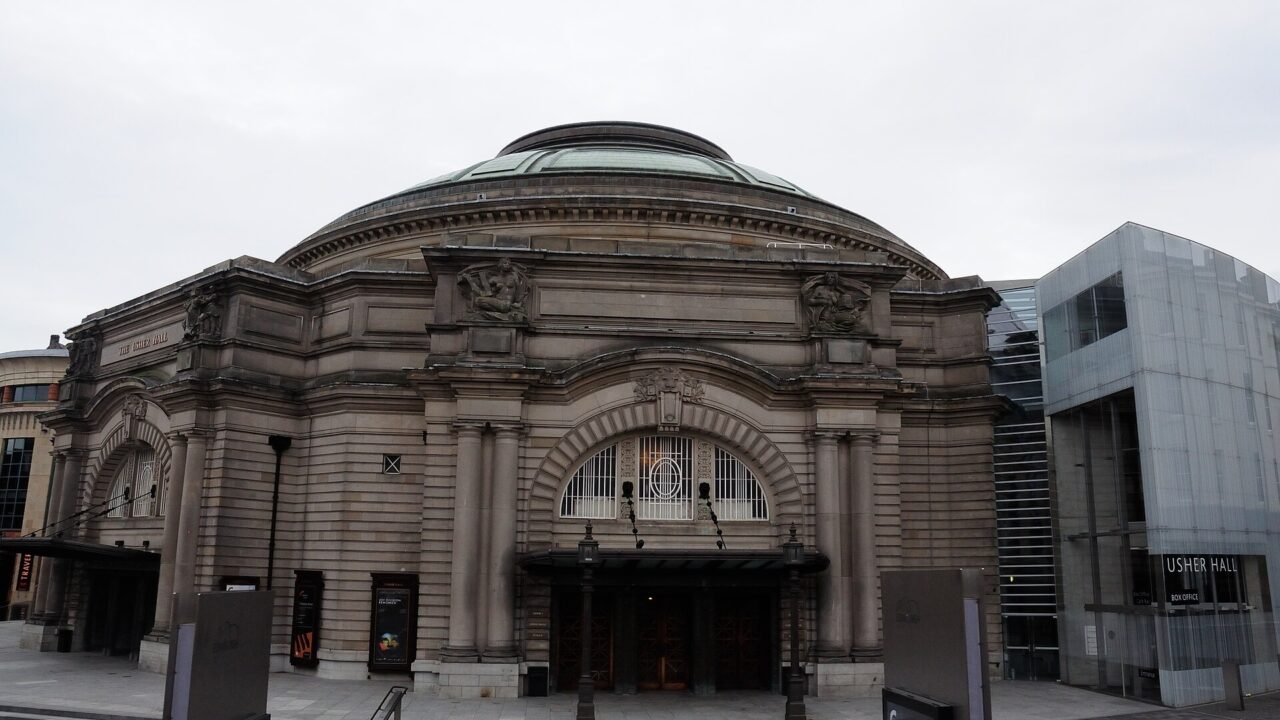
The 2,200-seat Usher Hall on Lothian Road is EIF’s main classical music venue — built 1914, beautifully restored, with one of the best acoustics in Britain. Hosts most major orchestral concerts and concert opera.
Festival Theatre
The 1,915-seat Festival Theatre on Nicolson Street hosts staged opera, ballet and large-scale theatre. Built 1929; comfortable, modern interior.
The Queen’s Hall
The intimate 850-seat Queen’s Hall on Clerk Street hosts morning chamber music recitals and smaller orchestral concerts. Historic former church with warm acoustic.
Royal Lyceum Theatre
The 658-seat Royal Lyceum on Grindlay Street hosts theatre productions. Edinburgh’s principal producing theatre.
The Hub
EIF’s festival headquarters on Castlehill (Royal Mile) houses the box office, festival club and information centre. Worth visiting even if you’re not seeing a Hub show.
Outdoor venues
Some EIF events take place at outdoor venues including St Andrew Square and the City Art Centre.
Edinburgh International Festival tickets
Typical price ranges
- Cheapest seats: £20–25 for major orchestral concerts
- Mid-range: £40–55
- Top opera seats: £60–80
- Under-30 tickets: From £8 (substantial discount programme)
- Hub events / smaller shows: £15–25
How to book
- eif.co.uk — online box office, opens late March/April
- +44 131 473 2000 — phone booking
- The Hub — physical box office on Castlehill, opens during festival
Booking strategy
- Top shows sell out by April — book major orchestra performances early
- Returns are released day-of-show — sometimes good seats become available
- Sign up for the EIF mailing list for early ticket announcements
- Members get priority booking — annual EIF Friends membership from £80
- Half-price returns at the Hub — sometimes available on the day
Under-30s and student discounts
EIF runs an excellent under-30s discount programme — many concerts have tickets from £8. Some shows have student rush rates 30 minutes before the curtain. The festival has a clear democratic ticketing policy.
How EIF differs from the Edinburgh Fringe
| Feature | EIF | Fringe |
|---|---|---|
| Programming | Curated by EIF artistic director | Open access — anyone can register |
| Number of shows | ~147 | 3,500+ |
| Typical content | Classical music, opera, theatre, dance | Comedy, theatre, cabaret, everything |
| Typical ticket | £20–80 | £8–18 (free shows too) |
| Vibe | Curated, formal, prestigious | Chaotic, experimental, eclectic |
| Audience | Classical music + theatre fans | Wide cross-section |
| Dress code | Smart-casual for evening | Casual |
| Venues | Major concert halls and theatres | Anywhere from yurts to McEwan Hall |
Most Edinburgh August visitors attend both — see one or two EIF concerts plus a stack of Fringe shows.
Edinburgh International Festival accommodation
August is Edinburgh’s peak season — book 4–6 months ahead for the best rates. EIF visitors typically prefer central hotels or short-term lets within walking distance of Usher Hall, Festival Theatre and the Queen’s Hall:
- The Caledonian Hotel — closest 5-star to Usher Hall
- The Sheraton — near Usher Hall
- The Apex hotels — central, mid-range
- Premier Inn Edinburgh Central — budget chain
- Edinburgh Old Town and New Town B&Bs — character options
For festival visitors planning multiple events, staying in Tollcross or West End provides easy walking access to Usher Hall and the Festival Theatre. See our festival accommodation guide.
Edinburgh International Festival history
The festival was founded in 1947 by Rudolf Bing (then administrator at Glyndebourne) and Henry Harvey Wood. The first festival took place 24 August – 13 September 1947, with the Vienna Philharmonic, Schumann, Bartók, and major British and European artists. The unselected “fringe” festival arose in protest at not being included — the world’s largest performing arts festival was born from EIF’s curated approach.
Throughout its history, the festival has hosted Maria Callas, Lisa Della Casa, Vladimir Horowitz, Yehudi Menuhin, Beverly Sills, Anne-Sophie Mutter, Daniel Barenboim, Sir Simon Rattle and most of the world’s leading classical artists. Major theatre companies — the Old Vic, the Royal Shakespeare Company, the Berliner Ensemble, Théâtre de Complicité — have performed at EIF.
Best Edinburgh International Festival experiences for first-timers
The opening fireworks (free)
The Festival traditionally closes with the Virgin Money Fireworks Concert — an outdoor symphony performance at Princes Street Gardens accompanied by fireworks from Edinburgh Castle. Many of Edinburgh watches free from public viewing areas around the city (Calton Hill, the Mound). Tickets to the Gardens performance itself cost £25–50.
A Queen’s Hall morning recital
The 11am Queen’s Hall recitals offer intimate exposure to world-class soloists in a 90-minute format. Affordable, beautifully programmed, and a perfect introduction to EIF for first-time classical concert-goers.
An orchestral concert at Usher Hall
Hearing the Berliner Philharmoniker or Los Angeles Philharmonic in the gorgeous Usher Hall acoustic is one of life’s musical experiences. Cheapest seats (gallery) sound surprisingly excellent.
A staged opera
If you’ve never been to opera, EIF’s curated productions offer some of the world’s best. A Masked Ball (Zurich Opera) or one of the chamber operas at the Hub are good first opera experiences.
Theatre at the Lyceum
The Royal Lyceum is one of Edinburgh’s most beautiful Victorian theatres. EIF theatre productions are typically Scottish-led world premieres or major international tours.
Day-by-day EIF planning tips
- Build your trip around 1–2 major shows per day — opera and orchestra take 2.5–3 hours plus interval
- Use the Queen’s Hall morning recital as a productive start to your day (11am)
- Pair EIF + Fringe — see an evening EIF concert, then a late-night Fringe show
- Plan dinner around show times — major theatres are clustered near Tollcross, Festival Theatre area, Royal Lyceum and Usher Hall
- Pre-book restaurant tables — Festival dining sells out for evening sittings
- Allow walking time — Usher Hall to Festival Theatre is 12 minutes’ walk
- Dress smart-casual — most EIF audiences dress up moderately, especially for evening shows
Edinburgh International Festival pre-show dining
Restaurants close to EIF venues for pre-concert dinner:
- Near Usher Hall: The Dome, Howies, The Filling Station
- Near Festival Theatre: The Outsider, Mum’s Great Comfort Food, Edinburgh Larder
- Near Royal Lyceum: Howies, Mosque Kitchen (10-minute walk)
- Near Queen’s Hall: Newington restaurants, easy to nearby Marchmont
The Hub: Edinburgh International Festival HQ
The Hub on Castlehill (Royal Mile) is EIF’s festival club and headquarters. Visitors can:
- Browse the festival programme and brochures
- Buy tickets at the physical box office
- Attend the Hub’s own intimate concert programme (smaller venue)
- Eat at the Hub Café
- Listen to free Hub Sessions — informal afternoon performances
The Hub building (former Tolbooth) is itself worth visiting — the highest gothic spire on Edinburgh’s skyline.
Frequently asked questions about the Edinburgh International Festival
When is the Edinburgh International Festival 2026?
7 – 30 August 2026, 24 days. Most shows are evening performances; Queen’s Hall has 11am morning recitals.
How is the Edinburgh International Festival different from the Fringe?
EIF is curated (147 shows invited by artistic director). The Fringe is open-access (3,500+ shows; anyone can register). EIF focuses on classical music, opera, theatre and dance; the Fringe spans comedy and everything.
How much do Edinburgh International Festival tickets cost?
Most range £20–80. Under-30 tickets from £8. Hub events and smaller shows £15–25.
Where do I buy Edinburgh International Festival tickets?
Via eif.co.uk, +44 131 473 2000, or at the Hub physical box office. The 2026 programme opens for general booking in late March/April.
Where is the Edinburgh International Festival held?
Main venues: Usher Hall (Lothian Road), Festival Theatre (Nicolson Street), Queen’s Hall (Clerk Street), Royal Lyceum (Grindlay Street), and the Hub (Castlehill, Royal Mile).
Which orchestras are at EIF 2026?
Jazz at Lincoln Center Orchestra, Berliner Philharmoniker, and Los Angeles Philharmonic hold residencies. Various visiting orchestras and chamber ensembles also perform.
What’s the EIF 2026 theme?
“All Rise” — the festival explores resilience, courage and democracy, with American artists in the spotlight.
Are children allowed at EIF?
Yes — though most shows are adult-focused. Family-friendly events occur during the festival, particularly at the Hub and outdoor venues.
Are EIF tickets refundable?
EIF tickets are generally non-refundable but can be exchanged or resold via the official platform. Travel insurance is recommended for international visitors.
Can I see EIF and the Fringe in the same trip?
Yes — most Edinburgh August visitors do both. EIF evening concerts (typically 7:30pm) combine well with late-night Fringe shows (after 10pm).
Should I dress up for EIF?
Smart-casual is standard. Many audiences dress up for evening opera and orchestra; daytime concerts are more casual. No strict dress code.
Is the Edinburgh International Festival worth visiting?
For classical music, opera and theatre lovers, yes — EIF presents the world’s leading artists in some of Britain’s best venues. For non-classical audiences, picking one show as a taster is a good way to experience the festival.
Plan your Edinburgh International Festival visit
The Edinburgh International Festival is Scotland’s flagship cultural event — a curated 24 days of the world’s most distinguished classical music, opera, theatre and dance. Book early (major shows sell out by April), aim for 1–2 shows per day, pair with the Edinburgh Fringe for a complete August arts experience, and don’t miss the spectacular closing fireworks concert.
For more festival planning, see our Edinburgh festivals pillar guide, our Edinburgh Fringe Festival guide, our Royal Edinburgh Military Tattoo guide, and our festival accommodation guide.
Photo Credits
Usher Hall in Edinburgh: Edinburgh 08 (9904737363) by TomGough, CC BY-SA 2.0, via Wikimedia Commons.
An orchestra at Usher Hall: City of Edinburgh – Usher Hall – 20231029213316 by Crowsus, CC BY-SA 4.0, via Wikimedia Commons.
The Queen’s Hall auditorium: Inside the Queen’s Hall – geograph.org.uk – 4739898 by Anthony O’Neil, CC BY-SA 2.0, via Wikimedia Commons.