Edinburgh’s food scene has undergone a remarkable transformation over the past decade. What was once a city known primarily for haggis and deep-fried Mars bars now boasts seven Michelin-starred restaurants, a thriving street food culture, and some of the freshest seafood in Europe — landed daily at nearby ports and served within hours.
Whether you’re hunting for a traditional Scottish breakfast, a world-class tasting menu, or a budget-friendly lunch between sightseeing stops, Edinburgh delivers. The city’s compact layout means you’re never more than a 20-minute walk from an entirely different culinary neighbourhood, each with its own character and specialities.
This comprehensive Edinburgh food guide covers every neighbourhood, cuisine, price point, and dietary requirement you’ll encounter. We’ve included specific restaurant recommendations, realistic 2026 prices, booking advice, and the insider knowledge you need to eat like a local rather than a tourist. If you’re planning things to do in Edinburgh, consider this your definitive eating companion.
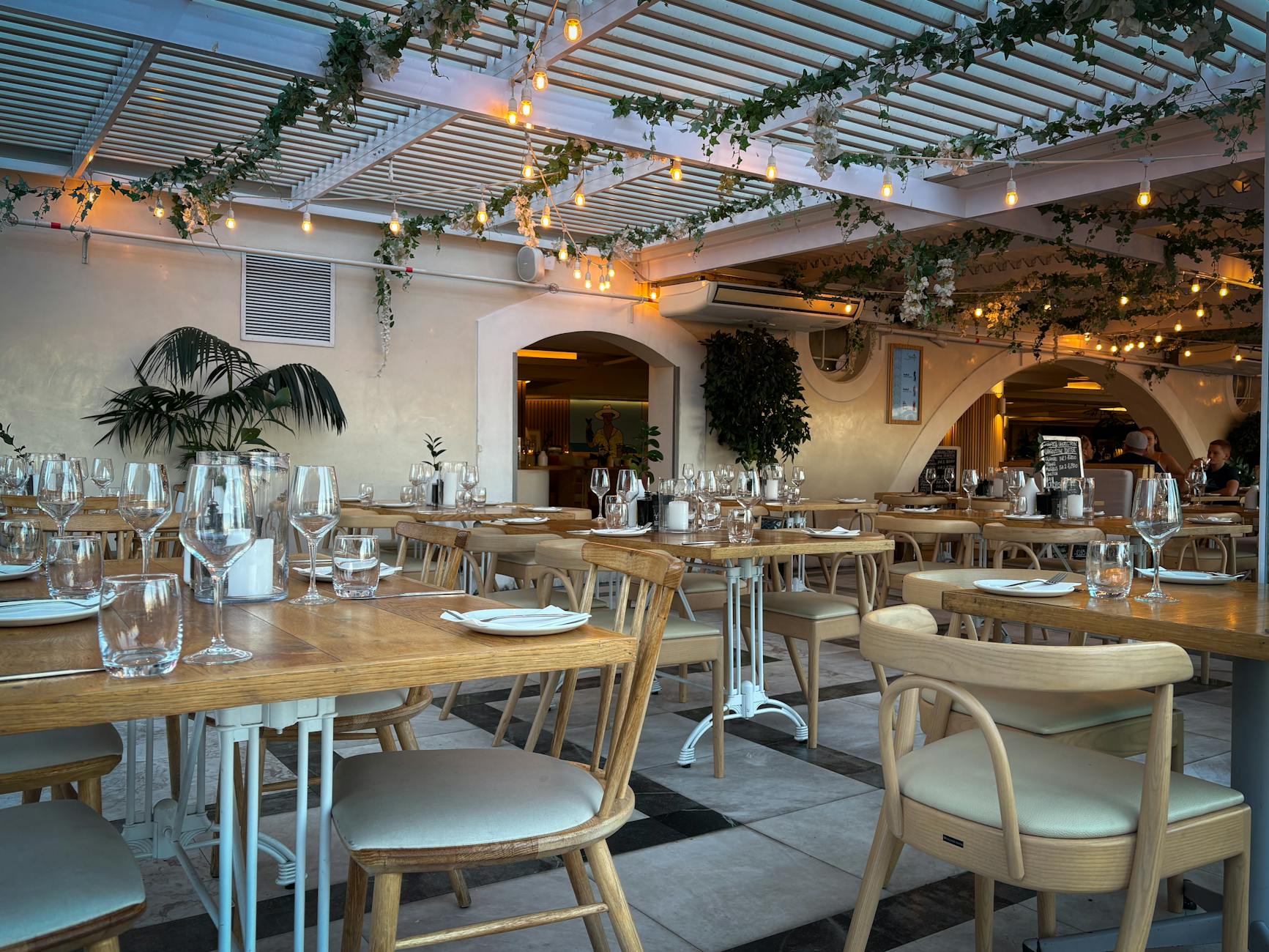
Traditional Scottish Food You Must Try in Edinburgh
Scotland’s culinary heritage is far richer than most visitors expect. Edinburgh is the best city in the country to experience authentic Scottish cuisine, with restaurants ranging from centuries-old institutions to modern interpretations that have won international acclaim. Here are the dishes you absolutely cannot miss.
Haggis, Neeps, and Tatties
Scotland’s national dish is a savoury pudding made from sheep’s offal (heart, liver, and lungs) mixed with oatmeal, onions, suet, and spices, traditionally encased in a sheep’s stomach. Before you wrinkle your nose — the flavour is remarkably similar to a well-seasoned, nutty sausage with a crumbly texture. It’s served with “neeps” (mashed turnip or swede) and “tatties” (mashed potatoes), typically drizzled with a whisky cream sauce.
Where to eat it: Makar’s Mash Bar on the Mound serves haggis in over a dozen variations — from the classic neeps and tatties to haggis nachos and haggis toasties. For an upscale take, The Scran & Scallie in Stockbridge (run by Michelin-starred chef Tom Kitchin) offers a refined haggis starter that converts even the most sceptical diners. Budget option: most chip shops serve a deep-fried haggis supper for around £6-8.
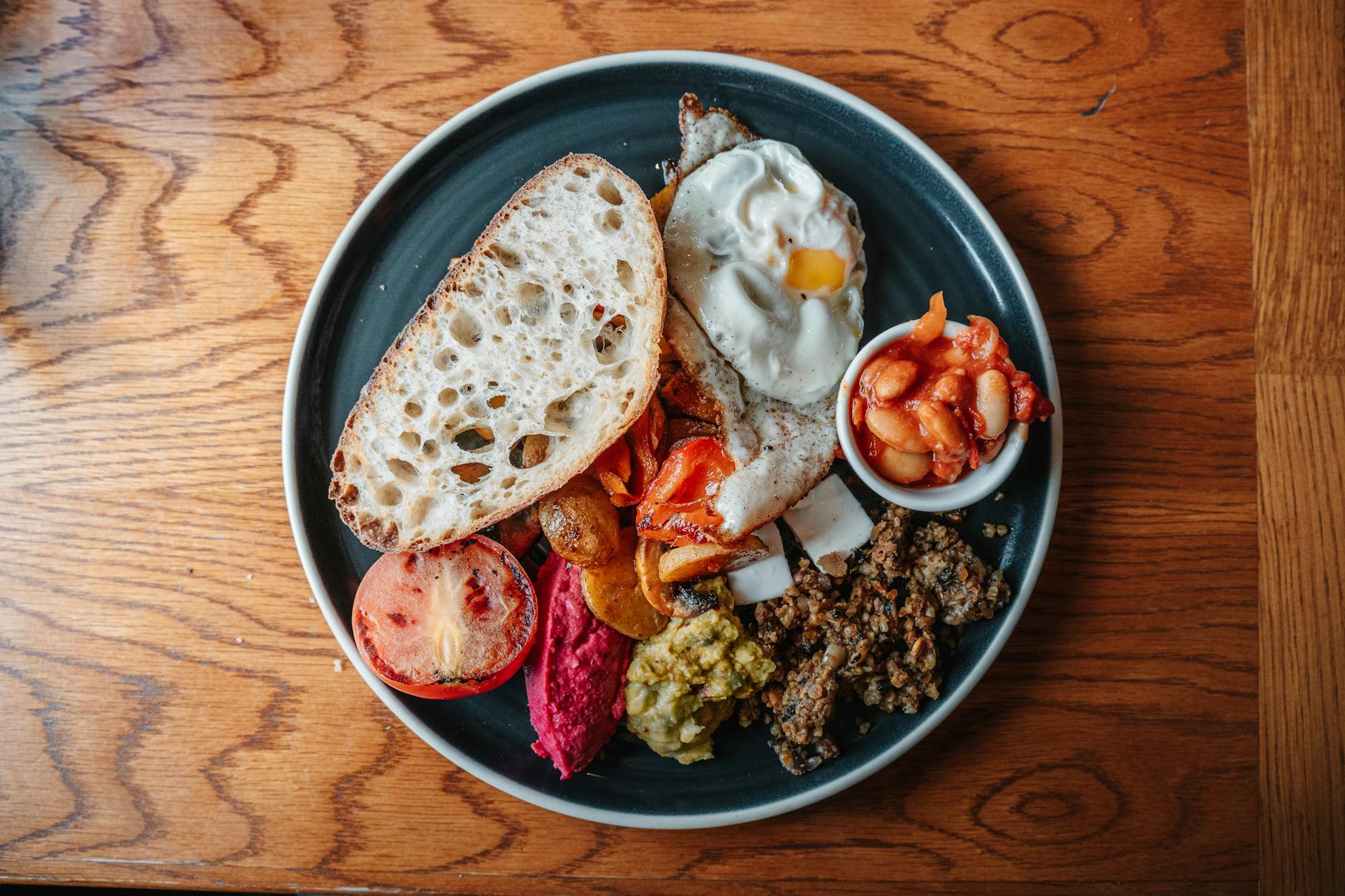
Cullen Skink
This thick, creamy soup made from smoked haddock, potatoes, and onions originates from the fishing village of Cullen in Moray but has become a staple on Edinburgh menus. The smoky depth of properly smoked haddock combined with velvety potato creates one of the most comforting dishes you’ll find anywhere in Britain. A bowl typically costs £7-12 as a starter in Edinburgh restaurants.
Where to eat it: Howies on Victoria Street serves a consistently excellent version. The Whiski Rooms on the Royal Mile offers theirs with a dram of whisky on the side — the perfect pairing. For the best value, The Dogs on Hanover Street includes Cullen skink on their affordable menu.
Scottish Seafood
Edinburgh’s proximity to the North Sea and the cold, clean waters of Scotland’s west coast means the seafood here rivals anywhere in Europe. Scottish langoustines (also called Dublin Bay prawns or scampi) are considered among the finest shellfish in the world, with a sweet delicacy that larger lobsters can’t match. You’ll also find hand-dived Scottish scallops, Loch Fyne oysters, North Sea lobster, and some of the best smoked salmon globally.
Where to eat it: The Kitchin in Leith (one Michelin star) is famous for its “from nature to plate” philosophy, with seafood that was swimming hours before it reaches your table. For a more casual experience, Fishers in Leith and the Shore Bar & Restaurant serve excellent seafood platters (around £25-40 for two). The Mussel Inn on Rose Street offers all-you-can-eat mussels for approximately £16 — outstanding value.
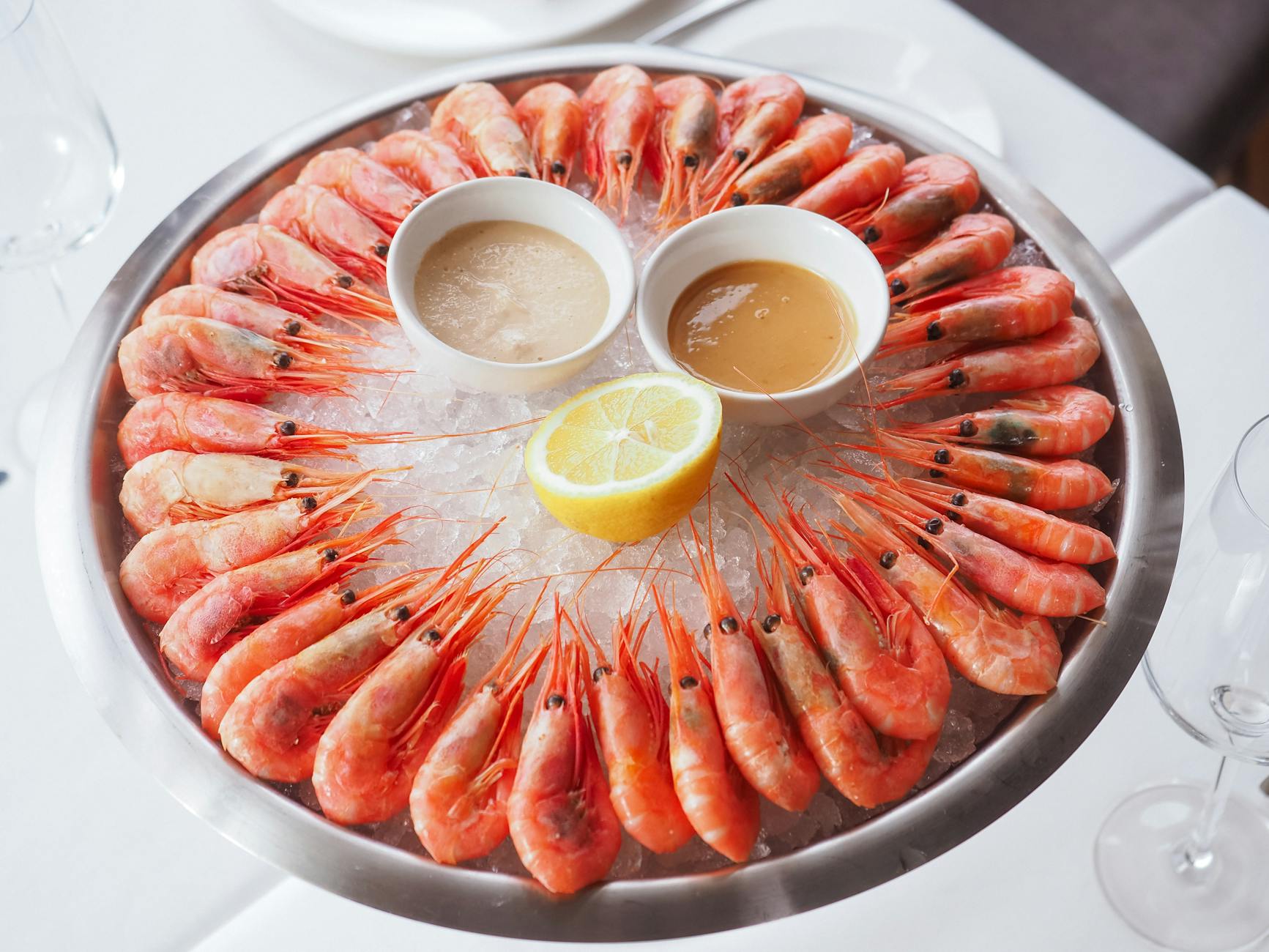
Scotch Pie and Bridies
The Scotch pie is a double-crusted meat pie made with hot water crust pastry and filled with seasoned mutton or beef. Unlike English pies, the Scotch pie has a distinctive raised edge that acts as a natural holder — you can eat it standing at a football match or walking down the Royal Mile. Bridies are a similar pastry from Forfar, typically filled with beef and onion without the gravy of a pie.
Where to eat it: Greggs is everywhere (and surprisingly decent), but for the real deal, visit Clarks Bakery on Dundas Street or Piemaker on South Bridge, where fresh pies come straight from the oven. Expect to pay £3-5 for a quality Scotch pie.
Cranachan
Scotland’s signature dessert layers whipped cream with toasted oatmeal, fresh Scottish raspberries, honey, and a generous splash of whisky. The contrast between the crunchy oats, sharp berries, and boozy cream makes this one of the most satisfying desserts you’ll encounter. It’s at its absolute best in July and August when Scottish raspberries are in season.
Where to eat it: The Witchery by the Castle and Dubh Prais on the Royal Mile both serve excellent cranachan. Many restaurants add it as a seasonal special during summer months.
Other Scottish Dishes to Try
Beyond the headline dishes, keep an eye out for: Stovies (a hearty potato and meat dish, Scotland’s answer to hash), Black pudding (blood sausage that’s essential in a full Scottish breakfast), Tablet (a crystalline fudge-like sweet made from sugar, condensed milk, and butter — dangerously addictive), and Porridge (made with Scottish oats and traditionally served with salt, though honey and cream are now common). For adventurous eaters, deep-fried Mars bar — yes, it’s real, and several chip shops on the Royal Mile will oblige for around £3.
Edinburgh’s Best Food Neighbourhoods
One of Edinburgh’s great advantages is that each neighbourhood has developed a distinct food personality. Understanding which area matches your mood and budget can transform a good meal into an unforgettable experience. If you’re deciding where to stay in Edinburgh, the food scene in each neighbourhood is worth factoring in.
Leith — Edinburgh’s Culinary Capital
Edinburgh’s former docklands have become the undisputed centre of the city’s fine dining scene. The transformation from working port to foodie destination is one of Edinburgh’s great success stories. Leith is home to three of Edinburgh’s Michelin-starred restaurants — The Kitchin (one star since 2007), Martin Wishart (one star since 2001), and Lyla — plus dozens of excellent mid-range and casual spots.
The area around The Shore (the stretch of waterfront where the Water of Leith meets the docks) is particularly rewarding. Within a five-minute walk, you can find everything from a £150 tasting menu to a £10 fish supper. The Fishers group of restaurants, The King’s Wark pub, and Teuchters Landing (with its floating barge terrace) all offer excellent food with waterfront atmosphere.
Price range: £8-15 for casual, £25-50 for mid-range, £80-150+ for fine dining tasting menus.
Best for: Serious food lovers, seafood enthusiasts, special occasion dining.
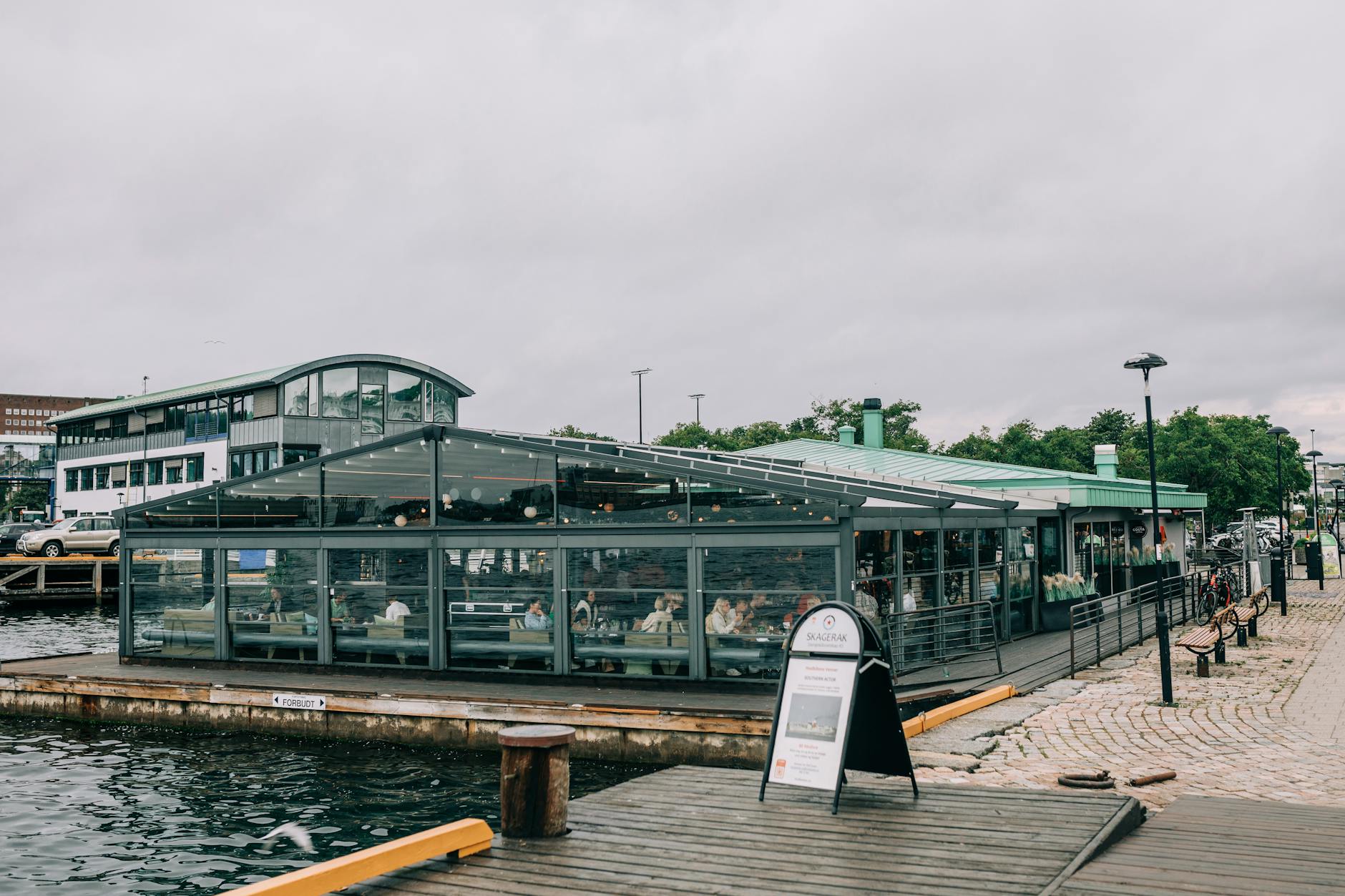
Old Town & Royal Mile
The Royal Mile and Old Town are Edinburgh’s most touristy areas, and many of the restaurants here are priced accordingly. However, there are genuine gems hidden among the tourist traps. The trick is knowing where to look — and avoiding anything with a “tourist menu” sign outside.
Recommended: The Witchery by the Castle (theatrical fine dining in a 16th-century building), Wedgwood the Restaurant on the Canongate (locally sourced tasting menus at reasonable prices), and Ondine on George IV Bridge (outstanding seafood). For a quick, affordable bite, Oink on Victoria Street serves pulled slow-roasted hog rolls for £5-7 — one of Edinburgh’s best cheap eats. The Piemaker on South Bridge offers fresh Scotch pies, and Mums Great Comfort Food on Forrest Road serves enormous plates of traditional Scottish comfort food.
Price range: £5-12 for quick bites, £20-45 for sit-down restaurants, £60-100 for fine dining.
Best for: Convenience while sightseeing, traditional Scottish food, quick affordable lunches.
New Town — Elegant Dining and Cocktail Culture
Edinburgh’s Georgian New Town offers a more polished dining scene. George Street and its surrounding streets are home to upscale restaurants, wine bars, and cocktail lounges. The area around Thistle Street and Rose Street Lane has developed into a cluster of excellent independent restaurants.
Recommended: The Bon Vivant on Thistle Street (creative small plates and natural wine), Urban Angel on Hanover Street (outstanding brunch), Dishoom (the Edinburgh outpost of the beloved Bombay café chain), and The Dome on George Street (grand banking-hall interiors with afternoon tea). For budget-friendly options, The Mussel Inn on Rose Street is unbeatable for seafood value.
Price range: £12-20 for casual, £30-55 for mid-range, £70-120 for fine dining.
Best for: Date nights, cocktails and dinner, elegant atmosphere.
Stockbridge — Indie and Artisan
This village-within-a-city neighbourhood, nestled along the Water of Leith, has developed one of Edinburgh’s most charming food scenes. Stockbridge attracts independent operators — you won’t find chain restaurants here. The Sunday Stockbridge Market (10am-5pm) is a highlight, with stalls selling artisan bread, Scottish cheeses, organic produce, and street food.
Recommended: The Scran & Scallie (Tom Kitchin’s gastropub with refined Scottish comfort food), The Pantry (brunch institution — expect queues at weekends), Heron (neighbourhood bistro with outstanding value set lunch), and Söderberg (Swedish-Scottish bakery and café). For cheese lovers, I.J. Mellis on Baker’s Place is one of the finest cheesemongers in Britain.
Price range: £8-15 for casual, £20-40 for bistro dining.
Best for: Brunch culture, independent cafés, artisan food shopping, relaxed atmosphere.
Bruntsfield & Morningside
South of the Meadows, these residential neighbourhoods offer genuine local dining away from any tourist trail. The stretch of restaurants along Bruntsfield Place has become increasingly interesting, with a mix of established favourites and newer openings.
Recommended: Montpeliers on Bruntsfield Place (great brunch and evening bistro menu), Söderberg Pavilion (the Bruntsfield outpost with outdoor seating overlooking Bruntsfield Links), and Bonsai Bar Bistro for excellent Japanese food. Morningside Road offers reliable neighbourhood restaurants including Ciao Roma (Italian) and several good Indian restaurants.
Price range: £10-15 for casual, £20-35 for restaurants.
Best for: Authentic local experience, value for money, relaxed dining without tourists.
Southside & Newington
The student-influenced Southside, centred around Nicolson Street and Clerk Street, is Edinburgh’s most ethnically diverse food neighbourhood. This is where you’ll find the best Indian, Chinese, Middle Eastern, and African food in the city, often at prices significantly below the centre.
Recommended: Kalpna on St Patrick Square (vegetarian Indian food that’s been serving since 1981 — try the thali), Ting Thai Caravan (authentic Thai with long queues and no reservations), Mosque Kitchen on Nicolson Square (enormous plates of Pakistani food for under £8), and Apiary on Newington Road (modern European bistro). The emerging cluster of Chinese restaurants on Nicolson Street has been dubbed Edinburgh’s “new Chinatown.”
Price range: £5-10 for budget, £12-25 for mid-range.
Best for: International cuisine, budget-friendly eating, authentic ethnic food.
Edinburgh’s Street Food and Markets
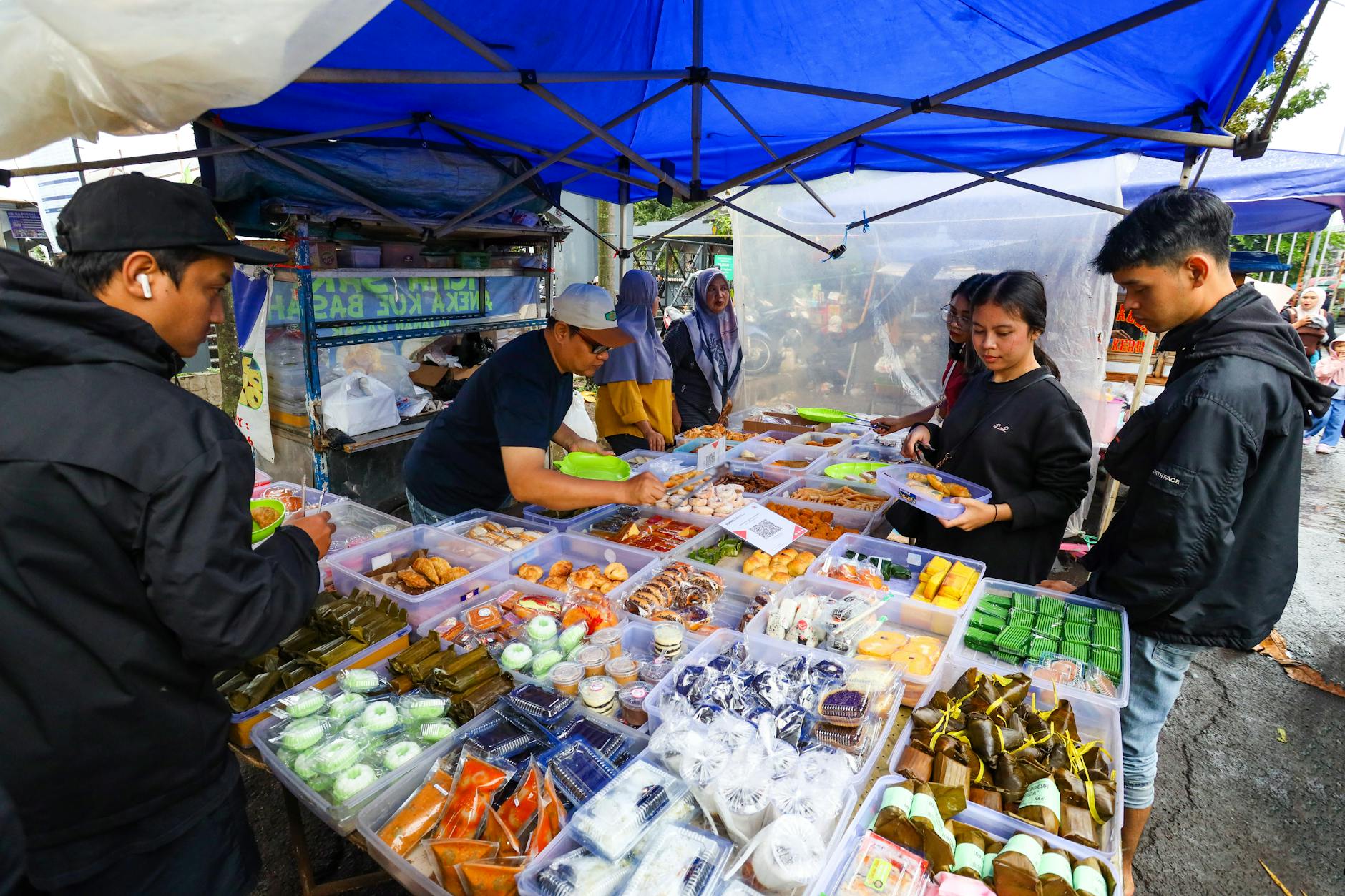
Edinburgh’s street food scene has exploded since 2019, with permanent venues and rotating markets now offering some of the most exciting and affordable food in the city. This is where you’ll find the most creative cooking at the lowest prices.
Edinburgh Street Food (Leith Street)
Located beneath the Calton Hill end of Leith Street, Edinburgh Street Food (ESF) is the city’s permanent indoor street food venue. With 10-12 rotating kitchen residencies at any time, a central bar, and communal seating for over 200, it’s become one of Edinburgh’s most popular casual dining destinations. Expect to find everything from wood-fired pizza and Korean fried chicken to vegan burgers and Argentinian empanadas.
Prices: Most dishes £8-14.
Hours: Wednesday to Sunday, noon to late (check their website for current hours as they change seasonally).
Top tip: Go after 5pm on Fridays for the liveliest atmosphere, or at noon on weekdays for a quieter experience.
The Pitt Market
Edinburgh’s original street food market operates from a covered site in Leith, running most Saturdays year-round. The Pitt brings together a rotating selection of Edinburgh’s best independent food traders, from wood-smoked BBQ to handmade dumplings. There’s live music, craft beer, and a festival atmosphere that captures the best of Edinburgh’s creative food scene.
Prices: Most dishes £7-12.
Hours: Saturdays, typically 11am-7pm (check social media for confirmed dates).
Edinburgh Farmers’ Market
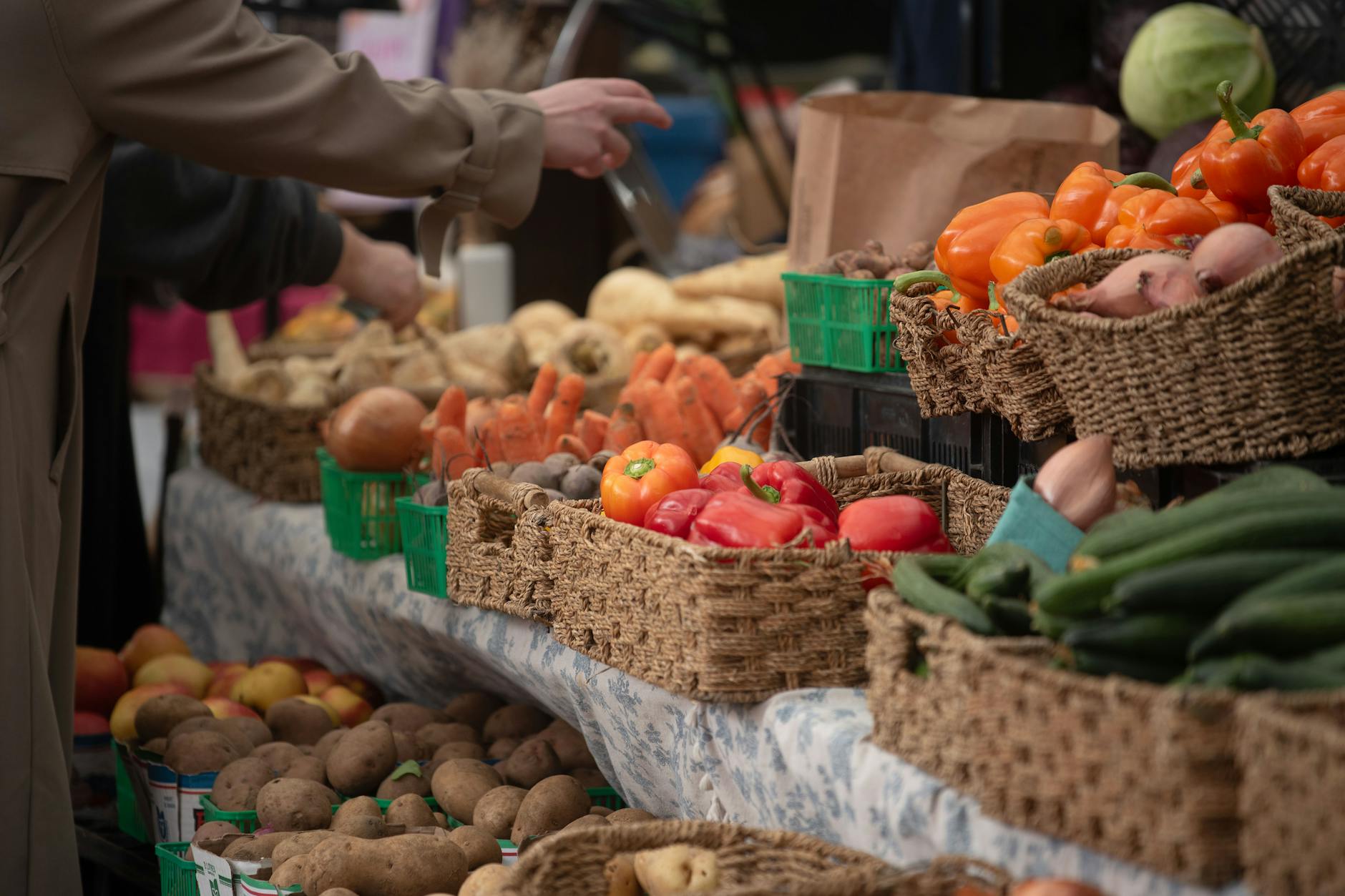
Every Saturday from 9am to 2pm, Castle Terrace (at the western foot of the Castle) hosts one of Scotland’s finest farmers’ markets. Around 50 stalls sell everything from Highland venison and Borders lamb to artisan bread, Scottish honey, and locally foraged mushrooms. This is where many of Edinburgh’s top chefs shop, and it’s a wonderful place to assemble a picnic or stock up on Scottish food gifts.
Bonnie & Wild
Inside the St James Quarter shopping centre, Bonnie & Wild is a Scottish food hall showcasing the best of Scotland’s larder. Part gourmet market, part food court, it brings together over a dozen Scottish food and drink producers under one roof. You can shop for Scottish cheeses, craft gin, and artisan charcuterie, or sit down for a meal at one of the food counters. The seafood bar is particularly good, with fresh shellfish and fish landed in Scotland.
Prices: £10-18 for food court meals, varies for market purchases.
Hours: Daily, 10am-7pm (food counters until later).
Edinburgh’s Michelin-Starred Restaurants
Edinburgh punches well above its weight for a city of its size, with seven restaurants currently holding Michelin stars. Booking well in advance is essential — some require reservations 2-3 months ahead, particularly for Friday and Saturday evenings.
Martin Wishart (one star, Leith) — Edinburgh’s longest-standing Michelin star, held continuously since 2001. Chef Martin Wishart’s classical French cooking uses the finest Scottish ingredients. The tasting menu (around £110) is exceptional, but the set lunch (around £40) is one of Edinburgh’s best fine dining values. Located on The Shore in Leith.
The Kitchin (one star, Leith) — Tom Kitchin’s “from nature to plate” philosophy means menus change with the seasons and the catch. The restaurant celebrates Scottish ingredients with French technique. Tasting menu from approximately £100, set lunch from £38. Also on The Shore in Leith.
Condita (one star, New Town) — A tiny 20-seat restaurant on Thistle Street NW Lane, where chef Conor Toomey creates an ever-changing tasting menu using foraged and hyper-local Scottish ingredients. With only one sitting per evening, it’s an intimate, almost private dining experience. Tasting menu approximately £95.
Other Michelin-starred restaurants include Avery (creative modern cooking in a converted townhouse), Lyla (North African and Middle Eastern influenced fine dining), The Free Company (the newest addition to Edinburgh’s Michelin constellation), and several restaurants holding Bib Gourmand awards for great value. Combined, they make Edinburgh one of the most exciting fine dining cities in the UK outside London.
Best Edinburgh Brunch Spots
Edinburgh takes brunch seriously. The city’s café culture is thriving, and weekend brunch has become something of a social institution. Expect queues at the most popular spots, particularly between 10am and noon on Saturdays and Sundays — arriving early or slightly after the rush pays dividends.
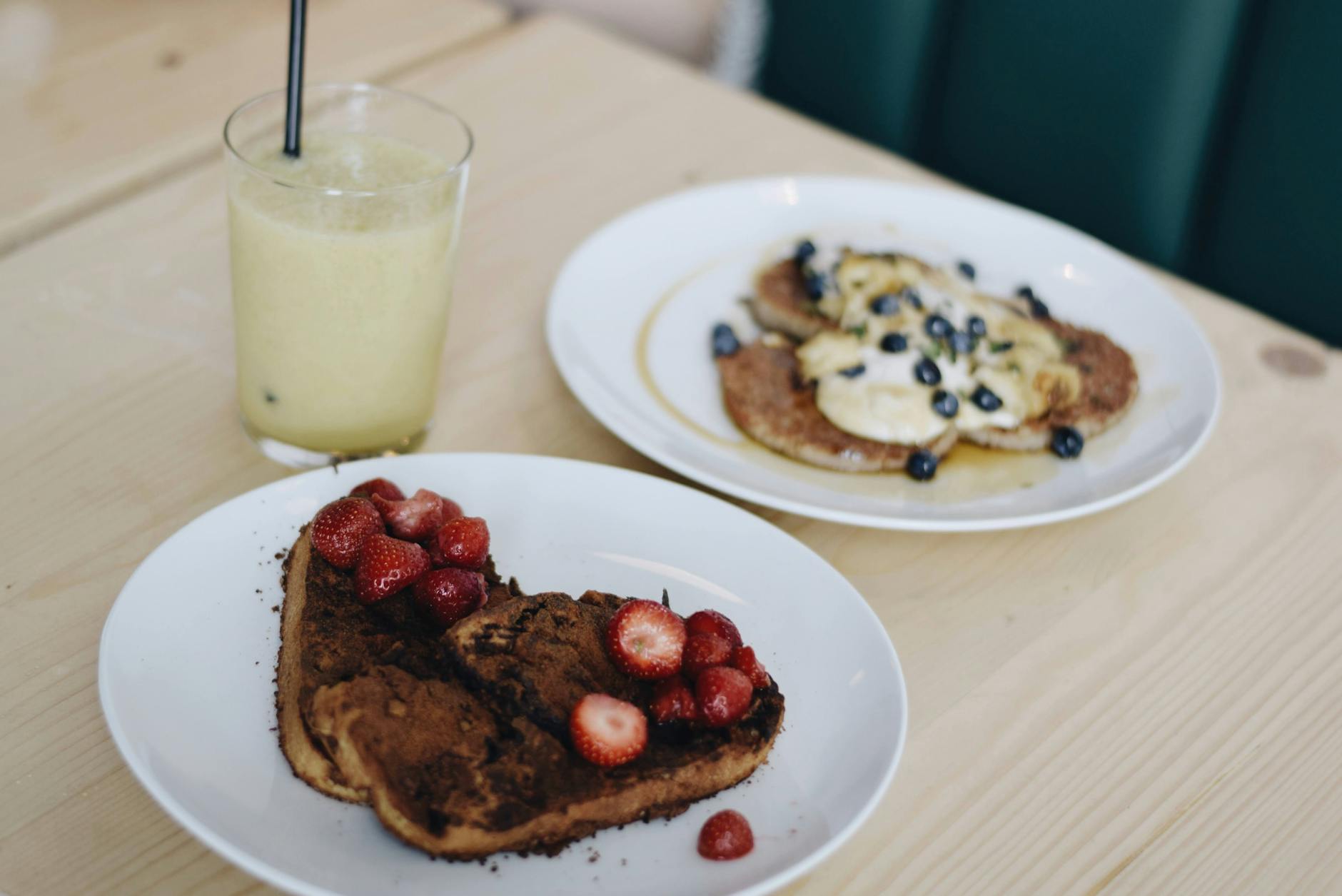
The Pantry (Stockbridge) — Widely considered Edinburgh’s best brunch spot, this tiny café on Howe Street serves outstanding eggs Benedict, shakshuka, and seasonal specials using locally sourced ingredients. No reservations, so expect a 15-30 minute wait at weekends. Dishes £8-14.
Urban Angel (New Town) — A health-conscious café on Hanover Street with an emphasis on ethical sourcing and scratch cooking. Their full Scottish breakfast (with free-range eggs, quality sausages, and proper black pudding) is one of the best in the city. Good vegetarian and vegan options too. Dishes £9-15.
Loudons (Fountainbridge) — A converted warehouse space with high ceilings, communal tables, and a bakery counter stacked with fresh pastries. Their pancake stacks and baked eggs are legendary. More spacious than many Edinburgh brunch spots, so waits are usually shorter. Dishes £8-13.
Other top brunch picks: Söderberg (Swedish-inspired, excellent cinnamon buns and open sandwiches), Hula Juice Bar (Grassmarket, great smoothie bowls and wraps), Twelve Triangles (outstanding bakery with three locations), and Leo’s Beanery (Tollcross, for serious coffee lovers).
The Full Scottish Breakfast
A proper full Scottish breakfast is a meal unto itself and differs from its English cousin in a few important ways. The Scottish version typically includes: back bacon, link sausage (rather than Cumberland), black pudding (blood sausage — essential), haggis (the key Scottish addition), tattie scones (potato scones, flat and fried), eggs (usually fried, scrambled, or poached to your preference), baked beans, grilled tomato, toast, and a cup of strong tea.
The best full Scottish breakfasts are found in traditional cafés rather than hotels. Snax Café on the West End is a local institution where builders and office workers queue alongside students for enormous plates that rarely exceed £10. The Edinburgh Larder on Blackfriars Street uses high-quality local suppliers and serves one of the most refined versions in the city. Most B&Bs and guesthouses will also serve a version — quality varies, so check reviews.
Whisky and Food Pairing in Edinburgh
Edinburgh is the natural place to explore the relationship between Scotch whisky and food. With over 400 whiskies produced across Scotland’s regions, the pairing possibilities extend far beyond the traditional haggis-and-dram combination.

The Scotch Whisky Experience (Royal Mile) offers guided tastings that include food pairing elements, and their restaurant Amber serves a whisky-paired tasting menu that’s one of Edinburgh’s most unique dining experiences. The Whiski Rooms (also Royal Mile) pairs Scottish dishes with whisky flights. For a more casual education, The Bow Bar on Victoria Street stocks over 300 whiskies and the knowledgeable staff will guide you to the perfect dram to complement whatever you’ve eaten — or are about to eat.
General pairing principles: lighter Lowland and Speyside whiskies pair beautifully with seafood and lighter dishes, peaty Islay whiskies stand up to strong cheeses and smoked meats, and sherried Highland whiskies complement desserts and dark chocolate. Many Edinburgh restaurants now offer whisky pairing options alongside their wine lists.
Edinburgh’s Best Cheap Eats
Edinburgh doesn’t have to be expensive. With some insider knowledge, you can eat extremely well on a budget of £15-25 per day. Here’s where to find the best value food in the city.
Under £5: Greggs and other bakery chains for sausage rolls and Scotch pies (£1.50-3). Supermarket meal deals (Tesco, Sainsbury’s, M&S) for £3.50-5. Chip shops serving basic fish suppers or haggis suppers from £4-6.
Under £10: Oink on Victoria Street (pulled hog rolls, £5-7). Mosque Kitchen on Nicolson Square (huge portions of Pakistani food, £6-8). Ting Thai Caravan (authentic Thai, most mains £8-10). Civerinos on Hunter Square (excellent pizza by the slice, £3-5). Edinburgh Street Food vendors (most dishes £8-12).
Under £15: Mums Great Comfort Food (enormous Scottish comfort food plates, £9-14). The Dogs on Hanover Street (refined comfort food at remarkably fair prices, mains £10-14). Dishoom (Bombay café food, most dishes £8-14, the bacon naan roll at £8.50 is legendary). Many restaurants offer excellent value set lunch menus — even Michelin-starred Martin Wishart serves a set lunch for around £40 that represents incredible value for star-quality cooking.
Money-saving tip: Edinburgh’s “pre-theatre” and set lunch menus are the insider secret to eating well on a budget. Restaurants including The Witchery, Wedgwood, and Ondine offer two or three courses for £20-30 — often the same quality and portions as the evening à la carte at half the price.
Vegetarian and Vegan Dining in Edinburgh
Edinburgh has a strong vegetarian tradition dating back decades, and the vegan scene has expanded dramatically in recent years. You’ll find dedicated plant-based restaurants alongside mainstream places with excellent veggie options.
Henderson’s — Founded in 1962, Henderson’s on Hanover Street was one of the UK’s first vegetarian restaurants and remains a landmark. Their salad bar, hot dishes, and baked goods have sustained generations of Edinburgh vegetarians. It’s an institution.
David Bann (Old Town) — Sophisticated vegetarian and vegan cooking that appeals to omnivores too. The creative menu uses global flavours and seasonal produce, and the presentation is restaurant-quality. Mains £12-16.
Kalpna (Southside) — Gujarati and South Indian vegetarian food that has earned a devoted following since 1981. The thali (a platter of multiple small dishes) is the best way to experience the range. Mains £9-14.
Other plant-based options: Harmonium (dedicated vegan kitchen), Sora (vegan sushi), Holy Cow (Indian street food with extensive vegan menu), and Nova Pizza (vegan pizza). Most mainstream Edinburgh restaurants now offer at least 2-3 substantial vegetarian main courses — Edinburgh is well ahead of most British cities in this regard.
Edinburgh Food Tours
If you want an expert introduction to Edinburgh’s food scene, a guided food tour is an excellent investment — particularly at the start of your trip, so you know where to return.
EatWalk Edinburgh — The most established Edinburgh food tour, running 3-3.5 hour walking tours through the Old Town and New Town. You’ll visit 4-5 venues, sampling everything from Scottish cheese and charcuterie to haggis and craft beer. Tours typically cost £65-75 per person and include generous food portions (skip lunch). Small group sizes keep it personal.
Secret Food Tours Edinburgh — Similar format with a focus on hidden gems and local stories. Their Royal Mile tour visits spots that most tourists walk straight past. Around £75 per person including all food and one drink.
Edinburgh Whisky & Food Tour — For those who want to combine Scotland’s two great culinary traditions, several operators offer combined whisky and food walking tours. Expect to pay £85-110 for a 3-hour experience including whisky tastings paired with Scottish food.
Top tip: Book food tours early in your stay. The restaurant recommendations and local knowledge you’ll gain will save you from tourist-trap meals for the rest of your visit.
Edinburgh’s Best Cafés and Coffee Shops
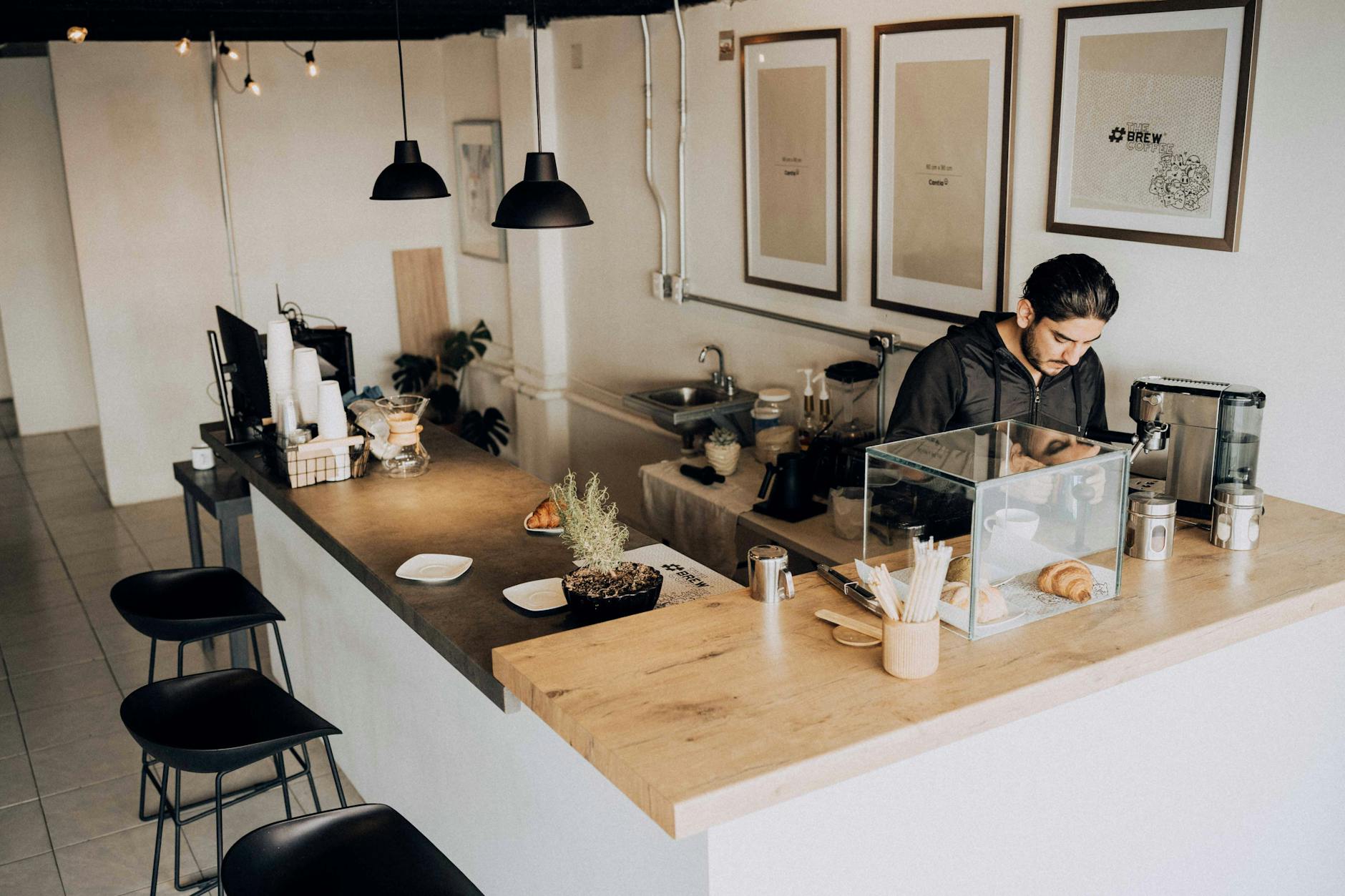
Edinburgh’s café culture is legendary — and not just because J.K. Rowling famously wrote parts of Harry Potter in the city’s coffee shops. The specialty coffee scene has grown substantially, with several excellent roasters now based in the city.
Artisan Roast — Edinburgh’s pioneering specialty coffee roaster, with locations in Broughton Street, Stockbridge, and Bruntsfield. Their single-origin pour-overs are among the best in the city. Small, atmospheric spaces with a focus on the coffee.
Cairngorm Coffee — Multiple locations including Frederick Street and Melville Place. Bright, modern spaces with consistently excellent espresso-based drinks and good food. Their flat whites are legendary.
Twelve Triangles — Part bakery, part café, with locations in Portobello, Brunswick Street, and South Clerk Street. Outstanding sourdough bread, pastries, and coffee. Their weekend brunch is one of Edinburgh’s best-kept secrets.
Other notable cafés: Fortitude Coffee (York Place, excellent espresso), The Milkman (Cockburn Street, cozy and atmospheric), Leo’s Beanery (Tollcross, for serious coffee obsessives), and Press Coffee (Buccleuch Street, popular with students). For a traditional afternoon tea experience, The Balmoral Hotel, Prestonfield House, and The Dome all offer elaborate multi-course affairs from £35-55 per person.
Seasonal Eating in Edinburgh
Edinburgh’s food scene shifts with the seasons. Understanding what’s at its best when you visit helps you eat better and support local producers.
Spring (March-May): Scottish lamb appears on menus, wild garlic is foraged from the city’s green spaces, and asparagus from the Borders arrives. Restaurant terraces begin to open. The Edinburgh Food Festival (usually late April) brings tastings and events across the city.
Summer (June-August): Peak season for Scottish berries (raspberries, strawberries, tayberries), salads, and seafood. Long daylight hours mean outdoor dining into the evening. During the Edinburgh Festival Fringe (August), pop-up restaurants and street food vendors multiply across the city — it’s Edinburgh’s most exciting (and busiest) time to eat out. Book restaurants well in advance during August.
Autumn (September-November): Game season begins — look for grouse, pheasant, and venison on menus. Wild mushrooms appear, Scottish beef is at its best, and root vegetables feature in hearty stews and soups. Many consider this Edinburgh’s best food season.
Winter (December-February): Comfort food reigns — Cullen skink, stovies, and haggis are at their most appealing. Edinburgh’s Christmas Market (late November to early January) offers mulled wine, German sausages, and Scottish street food. Burns Night (January 25th) means haggis menus appear everywhere. Look for restaurants offering warming set menus and whisky flights.
Practical Eating Tips for Edinburgh Visitors
A few practical considerations that will help you navigate Edinburgh’s food scene more successfully:
Booking: For popular restaurants, booking 1-2 weeks in advance is advisable for weekday evenings and essential for weekends. During the Edinburgh Festival (August), book a month or more in advance. Casual restaurants, cafés, and street food venues don’t require reservations. Apps like OpenTable, Resy, and TheFork cover most Edinburgh restaurants.
Tipping: Service charges of 10-12.5% are increasingly added automatically in Edinburgh restaurants. If no service charge is included, 10% is standard for sit-down meals. You don’t need to tip at cafés, pubs, or takeaway counters, though dropping spare change is appreciated.
Meal times: Lunch is typically served 12-2:30pm, dinner from 5:30-9:30pm (later on weekends). Many restaurants close between lunch and dinner services. Sunday hours are often reduced. Brunch spots are busiest 10am-noon on weekends.
Water: Tap water in Edinburgh is excellent (it comes from the Pentland Hills reservoirs) and is always free in restaurants. You never need to buy bottled water.
Dietary requirements: Edinburgh is generally very accommodating. Most restaurants can handle vegetarian, vegan, gluten-free, and common allergy requirements with advance notice. Allergen information is legally required to be available. When exploring Edinburgh Castle or the Old Town, note that restaurant options near the top of the Royal Mile are more limited — plan your meals before heading uphill.
Edinburgh Food Guide FAQs
What is Edinburgh’s signature dish?
Haggis, neeps, and tatties is Edinburgh’s (and Scotland’s) most iconic dish. Made from sheep’s offal, oatmeal, and spices, served with mashed turnip and potato, it’s available everywhere from chip shops to Michelin-starred restaurants. Don’t leave Edinburgh without trying it at least once — most visitors are pleasantly surprised by how good it tastes.
How much should I budget for food in Edinburgh?
Budget travellers can eat well on £20-30 per day using street food, markets, chip shops, and set lunch menus. Mid-range spending of £50-70 per day allows comfortable restaurant dining for lunch and dinner. For fine dining and Michelin-starred experiences, budget £100-200+ per person per meal including drinks. Pre-theatre and set lunch menus offer the best value at upscale restaurants.
Do I need to book restaurants in Edinburgh?
For popular and fine dining restaurants, booking 1-2 weeks in advance is strongly recommended, especially for Friday and Saturday evenings. During the Edinburgh Festival (August), book even further ahead. Casual restaurants, cafés, pubs, and street food venues generally don’t require reservations, though you may face short waits at peak times.
Where is the best area for food in Edinburgh?
Leith is Edinburgh’s culinary capital, home to three Michelin-starred restaurants and the city’s best seafood. Stockbridge excels for brunch and artisan cafés. The Southside offers Edinburgh’s best international and budget-friendly food. New Town is ideal for elegant dining and cocktails. Each neighbourhood has a distinct food personality worth exploring.
Is Edinburgh good for vegetarians and vegans?
Edinburgh is excellent for plant-based diners. The city has dedicated vegetarian restaurants dating back to the 1960s (Henderson’s), plus newer vegan-focused spots like Harmonium and Sora. Most mainstream restaurants offer substantial vegetarian options, and the food scene is generally more veggie-friendly than the average British city.
What time do people eat dinner in Edinburgh?
Most Edinburgh restaurants serve dinner from 5:30pm or 6pm, with peak dining time between 7pm and 8:30pm. Last orders are typically 9-9:30pm on weeknights and 10pm on weekends. Pre-theatre menus (usually available 5:30-6:30pm) offer excellent value. Many restaurants close between lunch (finishing 2:30pm) and dinner service.
What is a full Scottish breakfast?
A full Scottish breakfast includes bacon, link sausage, black pudding, haggis, tattie scone (potato scone), fried or scrambled eggs, baked beans, grilled tomato, toast, and tea. The key differences from an English breakfast are the haggis and tattie scones. Most B&Bs serve a version, and traditional cafés like Snax Café and The Edinburgh Larder offer excellent full Scottish breakfasts for £8-12.
Planning your Edinburgh trip? Read our guides to things to do in Edinburgh, Edinburgh Castle, and where to stay in Edinburgh for complete trip planning.
Leave a Reply