Real Mary King’s Close Edinburgh is the most authentic underground urban experience in Britain — a real 17th-century street, sealed beneath the Royal Exchange building when it was constructed on top in 1753, and reopened to visitors in 2003. Walking the original cobbled close, into 400-year-old houses, with a costumed character actor as your guide, is unlike anything else in Scottish heritage tourism. It is also the most-talked-about site in Edinburgh’s paranormal reputation, particularly the famous “Wee Annie” room where visitors leave dolls and toys for the spirit of a little girl said to haunt the close.
This guide covers everything you need to know about visiting Real Mary King’s Close Edinburgh: tickets and prices for 2026, opening hours, what to expect on the tour, the historical context, the ghost stories, accessibility, and how to combine a visit with the rest of your Old Town day. Information cross-checked against the official Real Mary King’s Close website and current visitor reports.
What Is Real Mary King’s Close?
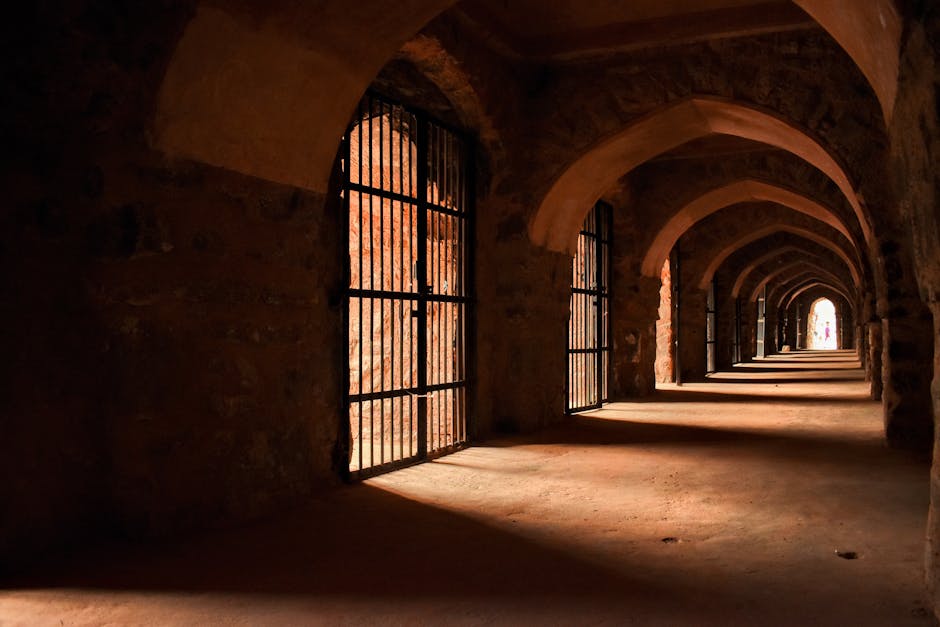
Mary King’s Close was a real Royal Mile close — a narrow medieval street running north off the High Street — that was active from the late 16th century through the mid-18th century. The close was named for Mary King, a prominent 17th-century Edinburgh merchant who traded in cloth and lived on the street. Like many of Edinburgh’s medieval and early-modern closes, it was lined with tall tenements (“lands”) rising 6-7 storeys above the cobbled street, with shops on the ground floor and apartments above.
In 1753, construction began on the new Royal Exchange building (now Edinburgh’s City Chambers) directly on top of the close. The upper storeys of Mary King’s Close were demolished, but the lower storeys were sealed in place under the new building’s foundations rather than being filled in. They survived essentially intact for the next 250 years, accessible only via small access tunnels for occasional inspection.
In 2003, after years of conservation work, Mary King’s Close was reopened to the public as Real Mary King’s Close, a paid tour attraction. Today it is one of Edinburgh’s most-visited heritage attractions and consistently rated among the city’s best.
For broader context on Edinburgh’s medieval Old Town, see our pillar guide to the Edinburgh Royal Mile and Old Town and our companion piece on Edinburgh closes and wynds.
Real Mary King’s Close Tickets & Prices 2026
Real Mary King’s Close uses tiered pricing similar to other major Edinburgh attractions. Typical 2026 prices:
Adult (16-64): approximately £21.00 online, £23.50 at the door.
Child (5-15): approximately £13.00 online, £15.00 at the door.
Children under 5: Not permitted on the tour due to the underground setting.
Concession (60+, students with ID): approximately £18.00 online.
Family ticket (2 adults + up to 3 children aged 5-15): typically £55-£65 online.
All tours are guided. Tour duration is approximately 60-75 minutes. Pre-booking online is strongly recommended; walk-up availability is limited, especially in summer and on weekends. Multiple tours run per day (typically every 20-30 minutes).
Real Mary King’s Close Opening Hours
Summer (April – October): 9:30am to 9pm, with last tour starting around 8pm.
Winter (November – March): 10am to 5pm, with last tour starting around 4pm.
Closures: Christmas Day and Boxing Day. Otherwise open 7 days a week.
Late tours: The 7-8pm tour slots in summer are particularly atmospheric and tend to sell out first. The “After Dark” themed tours (themed plague, true crime, mythology) are typically scheduled in late afternoon and evening — premium pricing.
What to Expect on the Tour

The Real Mary King’s Close tour is fully guided. Tours begin at the visitor entrance on Warriston’s Close (off the High Street, opposite St Giles’ Cathedral). After a brief orientation in the visitor centre, your guide — a costumed character actor playing one of the close’s former residents — leads you down through the access entrance into the underground close.
Costumed characters include Jonet King (Mary King’s daughter), Agnes the Maid, Stephen the Merchant, Robert the Poet, and Walter the Foul Clenger (a 17th-century plague-clearing official). Each character has their own narrative voice and route through the close. Two visits with different characters give surprisingly different experiences.
The tour passes through:
The original cobbled close. The street surface is genuinely 17th-century. The walls are the original stone facades of the buildings.
Several preserved interior rooms. Including a 17th-century merchant’s house, a tradesman’s workshop, and a typical residential apartment. Each is presented as it would have appeared at peak occupation.
The “Plague Room.” Telling the story of the 1645 plague outbreak that struck Mary King’s Close particularly hard.
The Wee Annie Room. A small, candle-lit room dedicated to the supposed ghost of a little girl. Visitors leave dolls, toys, and small gifts; staff regularly donate the accumulated toys to the Royal Hospital for Sick Children.
The Royal Exchange foundation chambers. Where the modern building above sits directly on the original close walls.
The tour is theatrical, atmospheric, and historically rigorous. The costumed character format is more accessible than a dry historical lecture but the underlying historical content is well-researched.
The History of Mary King’s Close
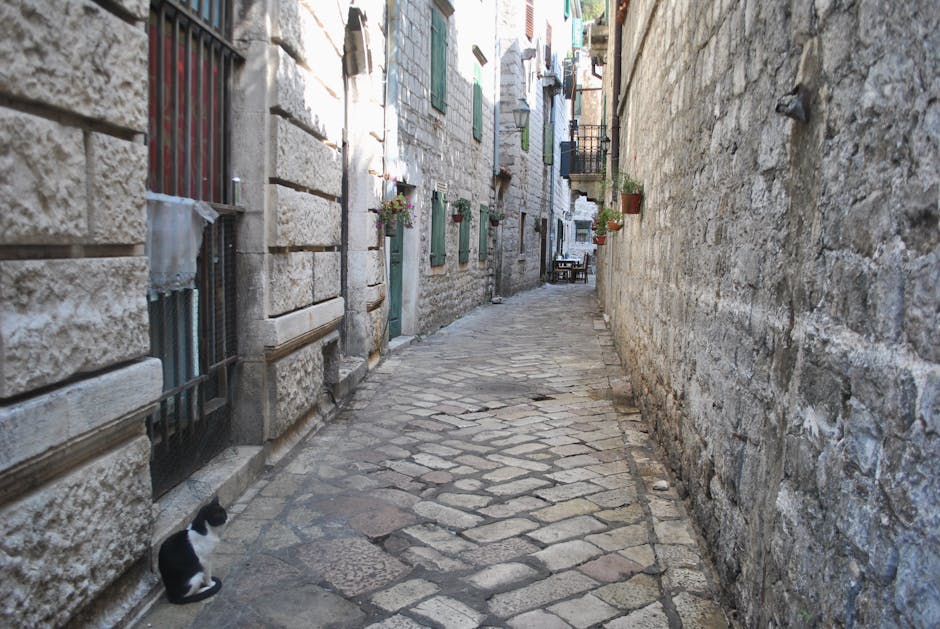
Mary King’s Close’s documented history begins in the late 16th century. The close took its name from Mary King, a successful merchant who traded in cloth in the early-to-mid 17th century. Mary King’s Close was a typical Royal Mile close — a long narrow street between two rows of tall stone tenements, cobbled, gas-lit (or rather, lamp-lit), with shops at street level and apartments above.
The 1645 plague struck the close hard. Edinburgh’s plague years killed perhaps half the city’s population in just a few months. Local legend held that the close was sealed off during the plague and the residents left to die — this is largely myth (no contemporary records support the sealing-off story) but the plague’s terrible toll on the close is real.
The close’s defining moment came in 1753 with the construction of the Royal Exchange. The upper storeys of the Mary King’s Close tenements were demolished to allow the new building. The lower storeys, instead of being filled in, were preserved as foundations and access space. The close was effectively buried alive.
For 250 years the close remained sealed, accessible only to inspection workers and the occasional curious visitor with permission. Stories of ghostly visitations grew over the centuries.
In the 1990s, conservation and archaeological work began on the close. In 2003, Real Mary King’s Close opened to the public as a guided-tour attraction.
The Ghost Stories
Real Mary King’s Close is consistently included in lists of the most haunted places in Britain. The most famous claim involves “Wee Annie”:
In the early 1990s, Japanese psychic Aiko Gibo visited the close while filming a documentary on haunted sites. In one of the small rooms, Gibo reported a strong impression of a little girl — distressed, lonely, and asking about a lost doll. Gibo is said to have purchased a doll at a local toy shop and left it in the room for the spirit. She named the spirit “Annie.”
Since then, visitors have left thousands of dolls, toys, and small gifts in the Annie room. Real Mary King’s Close staff periodically donate the accumulated toys to the Royal Hospital for Sick Children.
Other paranormal claims at the close include unexplained sounds, cold spots, and visitor reports of being touched or pushed by unseen presences. The site has been investigated by paranormal-research groups multiple times.
Historic Environment Scotland and the Real Mary King’s Close management itself emphasise that the tour is a historical experience rather than a ghost tour — the focus is on documented history, with the paranormal stories presented as part of the close’s cultural narrative rather than the main attraction.
Themed Tours
In addition to the standard guided tour, Real Mary King’s Close runs several themed tours throughout the year:
True Crime Tour: Focuses on the criminal history of Edinburgh’s Old Town — Burke and Hare, Deacon Brodie, the body-snatchers — and the close’s role in their stories.
Myths & Legends Tour: The folk-tale and supernatural traditions of medieval Edinburgh.
Plague Tour: A focused exploration of the 1645 plague outbreak and its impact on the close. Particularly atmospheric.
Medical History Tour: 17th and 18th century medical practices, including the controversial body-snatching and anatomy lectures of the period.
Themed tours are typically £25-£35 per person and run on specific dates — check the official website for the current schedule.
Tips for Visiting Real Mary King’s Close

Book online. The cheapest tickets are direct on the official website (realmarykingsclose.com). Walk-up gate availability is limited, especially in summer.
Choose your tour time. The 9:30am opening slot has fewer tour groups inside. The late-evening 7-8pm tours are most atmospheric.
Wear sensible shoes. The cobbled close is uneven; some interior rooms have low ceilings (you’ll be ducking).
Bring a layer. The underground temperature is cool year-round (typically 10-12°C). A jumper or jacket is comfortable even in summer.
Children under 5 not permitted. The tour is not suitable for very young children.
Photography: Personal photography is permitted. Flash is restricted in some rooms.
Allow 90 minutes. 60-75 minutes for the tour itself, plus 15-20 minutes for the visitor centre’s exhibits before and after.
Combine with other Old Town stops. The location near St Giles’ Cathedral makes it easy to combine with a Royal Mile walk.
Real Mary King’s Close vs Edinburgh Castle Underground
Several Edinburgh attractions claim “underground” credentials. Real Mary King’s Close is unique in being a genuine sealed urban street. Other underground experiences:
Blair Street Underground Vaults: Mercat Tours’ guided tours of stone vaults beneath the modern South Bridge. Authentic 18th-century construction. Different feel — more cellar-like than street-like.
Edinburgh Vaults / Niddry Street: Several operators offer tours of underground vaults beneath South Bridge. Quality and authenticity vary.
Edinburgh Castle Prisons of War: Underground vaults inside Edinburgh Castle. Different historical period (18th-19th century military prisons). For details see our what to see inside Edinburgh Castle guide.
Real Mary King’s Close remains the most authentic surviving urban underground experience.
Sample Mary King’s Close Visit Itineraries
The Quick Tour
Book the 10am or 10:30am tour. 60-75 minute experience. Coffee at a Royal Mile café afterwards. Done by 12:30pm.
The Half-Day Old Town Underground Day
9:30am: Real Mary King’s Close. 11am: St Giles’ Cathedral. 12pm: Lunch on the Royal Mile. 2pm: Mercat Tours’ Blair Street Underground Vaults. 4pm: Edinburgh Castle Prisons of War. Done by 6pm.
The After-Dark Edinburgh
5pm: The themed evening Plague Tour at Real Mary King’s Close. 7pm: Dinner at the Witchery. 9pm: Ghost-tour walk through Greyfriars Kirkyard. 11pm: Late drinks at Deacon Brodie’s.
Frequently Asked Questions
What is Real Mary King’s Close?
Real Mary King’s Close is a sealed 17th-century street beneath Edinburgh’s Royal Mile, preserved when the Royal Exchange (now City Chambers) was built on top of it in 1753. It reopened as a guided-tour attraction in 2003 and is one of Edinburgh’s most popular paid heritage sites.
How much does Real Mary King’s Close cost?
Adult tickets approximately £21 online, £23.50 at the door. Child tickets (5-15) approximately £13 online. Family tickets save £8-£15 depending on configuration. Online booking is cheaper and recommended.
How long is the Real Mary King’s Close tour?
The standard guided tour is 60-75 minutes. Plus 15-20 minutes for the visitor centre exhibits before and after. Allow 90 minutes total.
Is Real Mary King’s Close haunted?
The close has well-documented paranormal claims, particularly the “Wee Annie” room where visitors have left dolls since the 1990s. The official tour is presented as historical rather than a ghost tour, but paranormal stories are part of the close’s cultural narrative.
Is Real Mary King’s Close suitable for children?
Children must be 5 or older. The atmospheric setting and content (plague stories, ghost legends) are best for ages 8+. Children under 5 are not permitted on tours.
Can you visit Mary King’s Close without a tour?
No. All access is via guided tour. The close cannot be visited independently.
Where is Real Mary King’s Close?
The visitor entrance is on Warriston’s Close, just off the High Street, opposite St Giles’ Cathedral. About a 5-minute walk from the Royal Mile’s tourist office at the Tron Kirk.
Is Real Mary King’s Close wheelchair accessible?
Limited. The underground tour involves several flights of stairs and uneven cobbled surfaces. Not suitable for wheelchairs. The visitor centre and gift shop above ground are accessible.
What is the Wee Annie story?
In the early 1990s, Japanese psychic Aiko Gibo reported sensing the spirit of a little girl named Annie in one of the close’s rooms. Gibo left a doll for Annie’s lost toy. Visitors have continued the tradition for over 30 years; the accumulated dolls and toys are regularly donated to the Royal Hospital for Sick Children.
Is photography allowed at Real Mary King’s Close?
Yes, personal photography is permitted on the tour. Flash photography is restricted in some rooms. Tripods are not allowed.
What did people do for a living on Mary King’s Close?
Mary King herself was a cloth merchant. Her neighbours included tradesmen (cobblers, tailors, candlemakers), a saw doctor, and various servants and labourers. The close was a typical working-class Royal Mile community of the 17th century, with shops on the ground floor and apartments above.
Final Thoughts
Real Mary King’s Close is one of the most genuinely unique heritage experiences in Britain — a real 17th-century street, preserved by accident under a more modern building, and now opened to the public with theatrical but historically rigorous guided tours. It pairs naturally with a broader Old Town walking day and is consistently rated among Edinburgh’s best paid attractions.
For more, see our companion guides on Edinburgh closes and wynds, medieval Edinburgh history, and things to do in Edinburgh at night. Then book the tour, dress in layers, and prepare to walk a street nobody walked for 250 years.
Leave a Reply