Choosing where to stay in Edinburgh can transform your trip from good to unforgettable — or, if you get it wrong, leave you stranded far from the action or paying triple what you should. Edinburgh is a compact city with dramatically different neighbourhoods, each offering a distinct atmosphere, price range, and proximity to the attractions that matter most. The right choice depends on why you’re visiting, how you travel, and what kind of experience you want to wake up to each morning.
This comprehensive guide breaks down every major Edinburgh neighbourhood worth considering, covers every type of accommodation from luxury hotels to budget hostels, provides realistic 2026 pricing, and offers the practical insider knowledge you need to book with confidence. Whether you’re visiting for the first time and want to be in the heart of the Old Town, or you’re a returning traveller looking for something more local and authentic, this is the most complete guide to where to stay in Edinburgh available anywhere online.
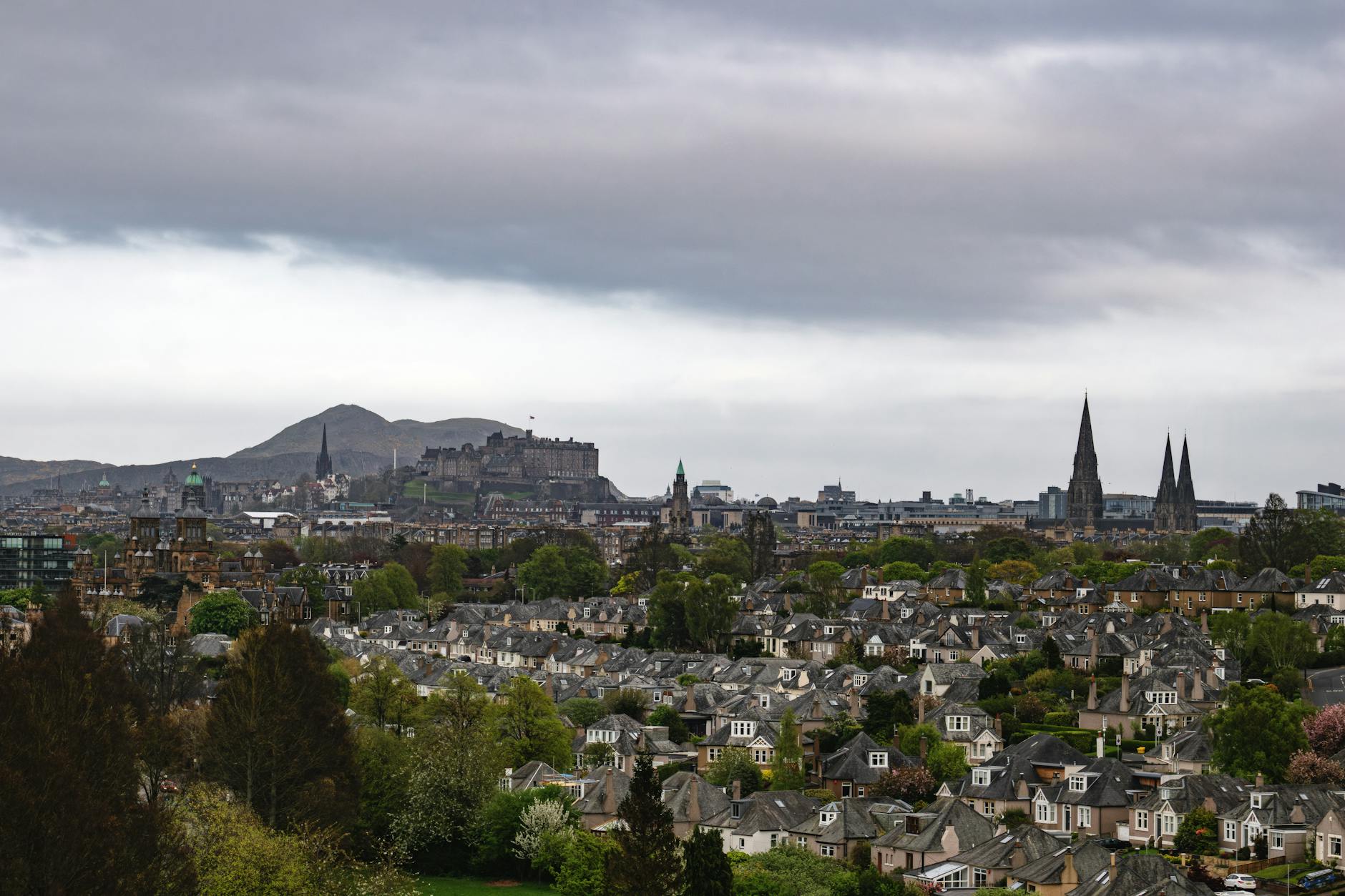
The Best Neighbourhoods to Stay in Edinburgh
Edinburgh’s neighbourhoods each have a personality as distinct as the city itself. Here is an honest, detailed guide to each area — what it’s genuinely like to stay there, who it suits best, and what you can expect to pay.
Old Town: Best for First-Time Visitors & History Lovers
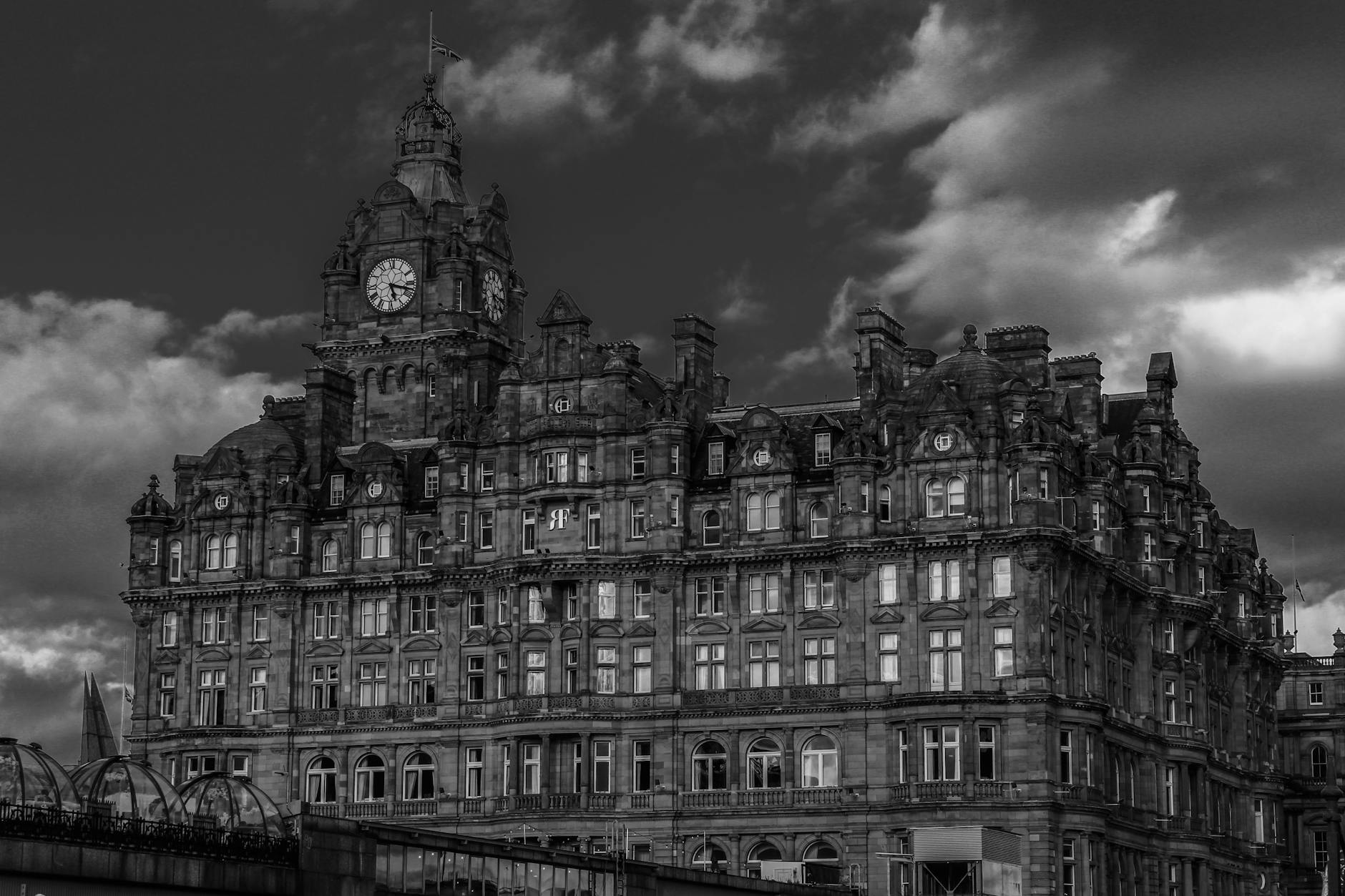
If this is your first visit to Edinburgh, the Old Town is the obvious and arguably the best place to stay. The Royal Mile, Edinburgh Castle, St Giles’ Cathedral, the Grassmarket, and dozens of hidden closes and atmospheric courtyards are all on your doorstep. You’ll wake up surrounded by medieval architecture, cobblestoned streets, and the kind of atmosphere that makes Edinburgh unlike anywhere else in the world. The downside is that the Old Town is the most expensive neighbourhood for accommodation (especially during August festivals), the streets are steep and cobblestoned (challenging for heavy luggage), and the most touristy stretches can feel crowded during peak season.
Best for: First-time visitors, history enthusiasts, couples seeking romance, anyone who wants to be within walking distance of Edinburgh’s major attractions. Typical prices: Budget hotels from £90–130/night, mid-range hotels £150–250/night, luxury hotels £300–600+/night. During August, expect prices to double or triple. Getting around: Almost everything is walkable. Waverley Station is at the foot of the Royal Mile. Buses run frequently along George IV Bridge, the Mound, and North Bridge.
Where to look: The Grassmarket area offers the best balance of atmosphere and value — it’s slightly less expensive than the Royal Mile itself while being equally atmospheric and just a short walk from the castle. The Cowgate is Edinburgh’s nightlife hub and suits younger travellers who don’t mind some noise. The Lawnmarket end of the Royal Mile puts you closest to the castle.
New Town: Best for Elegance, Shopping & Easy Transport
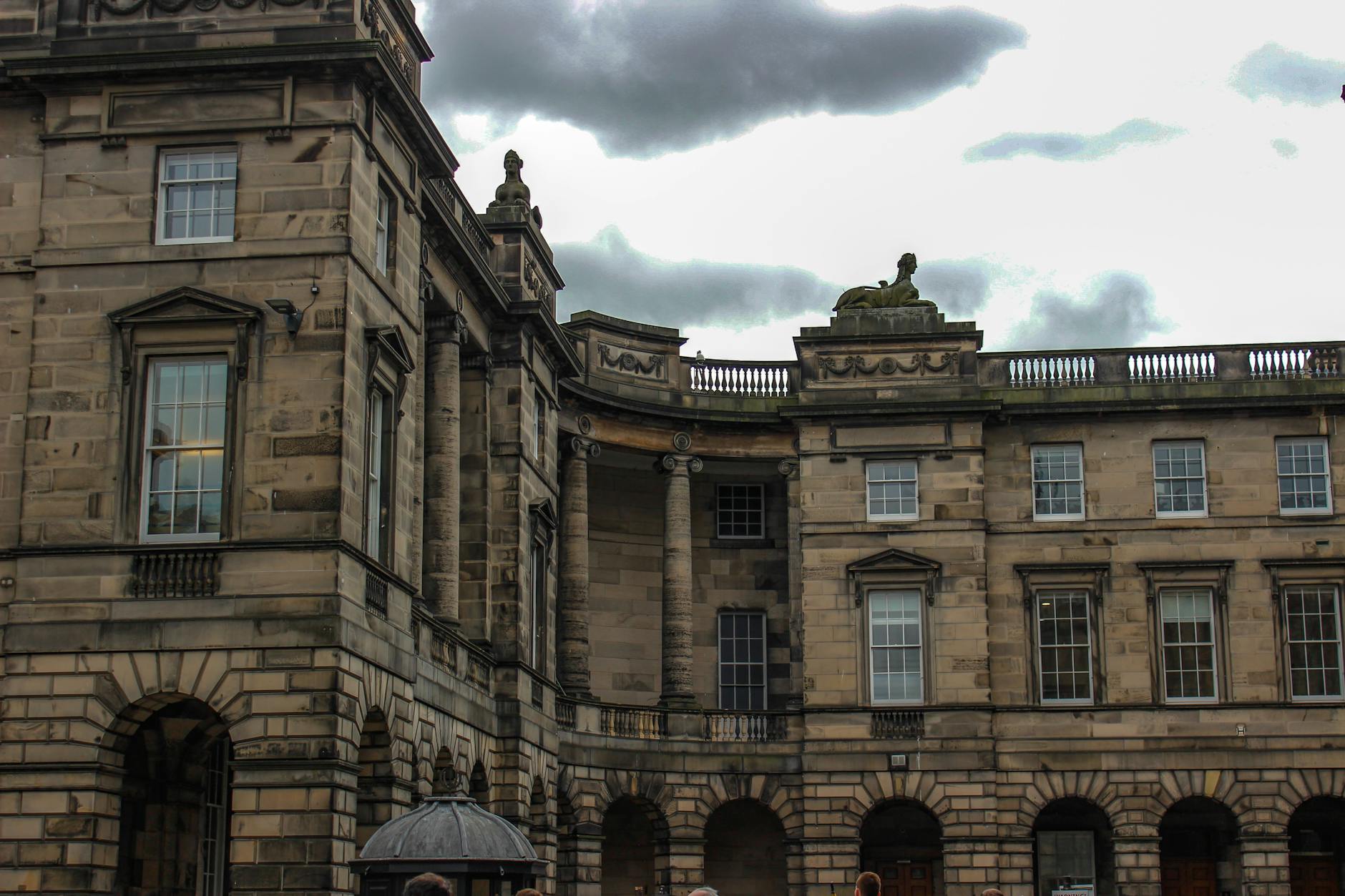
Edinburgh’s New Town is one of the finest examples of Georgian urban planning anywhere in the world — a UNESCO World Heritage Site of elegant crescents, grand squares, and wide tree-lined streets that feels worlds apart from the medieval intensity of the Old Town just across Princes Street Gardens. Staying in the New Town puts you within easy reach of Princes Street (Edinburgh’s main shopping thoroughfare), the Scottish National Gallery, excellent restaurants on George Street and Frederick Street, and superb transport links. The atmosphere is noticeably calmer and more spacious than the Old Town, making it ideal for travellers who prefer a more refined base.
Best for: Couples, business travellers, anyone who values elegance and a quieter atmosphere while remaining close to the city centre. Typical prices: Mid-range hotels £120–220/night, luxury hotels £250–500+/night. Budget options are more limited than in other areas. Getting around: Princes Street is a major bus and tram hub. The New Town is a 5–15 minute walk from the Old Town across The Mound or Waverley Bridge. Waverley and Haymarket stations are both accessible.
Where to look: George Street and its side streets offer the best combination of location and dining options. Queen Street is quieter and often slightly cheaper. The area around Stockbridge border (northwest New Town) has a more residential, local feel with excellent independent cafes and restaurants.
Leith: Best for Foodies, Creatives & Local Atmosphere
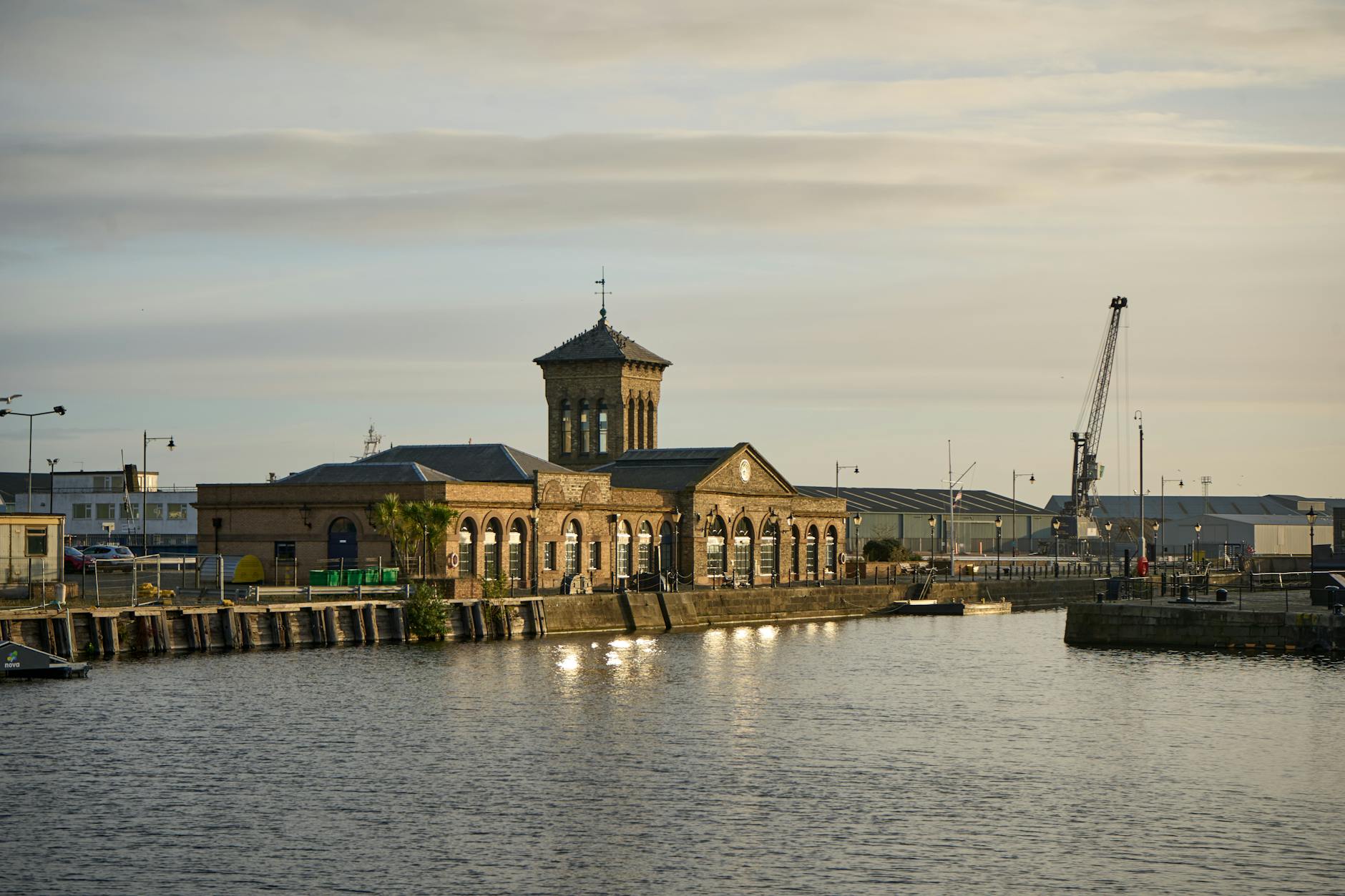
Leith is Edinburgh’s port district, located about two miles north of the city centre at the mouth of the Water of Leith. Once a rough docklands area, Leith has undergone a remarkable transformation over the past two decades and is now one of Edinburgh’s most exciting neighbourhoods — home to world-class restaurants (including two Michelin-starred establishments), craft breweries, independent galleries, vintage shops, and a creative energy that the city centre can’t quite match. Leith has its own distinct identity and a community pride that is palpable — locals will often tell you they’re from Leith, not Edinburgh.
Best for: Foodies, creatives, repeat visitors who’ve already explored the centre, anyone wanting a more authentic local experience. Typical prices: Budget hotels from £70–100/night, mid-range hotels £100–180/night. Generally 20–40% cheaper than the Old Town. Getting around: Lothian Buses run frequently between Leith and the city centre (about 20 minutes). The Edinburgh Tram now extends to Newhaven via Leith, providing fast, reliable transport to the city centre and airport. Walking along the Water of Leith path to the centre takes about 45 minutes and is a beautiful route.
Where to look: The Shore (Leith’s historic waterfront) is the most atmospheric part of the neighbourhood, with converted warehouses and waterside restaurants. Constitution Street and Great Junction Street offer a more local, residential experience. Newhaven, at the western end of Leith, is quieter and has excellent seafood restaurants along the harbour.
Stockbridge: Best for Village Charm & Bohemian Vibes
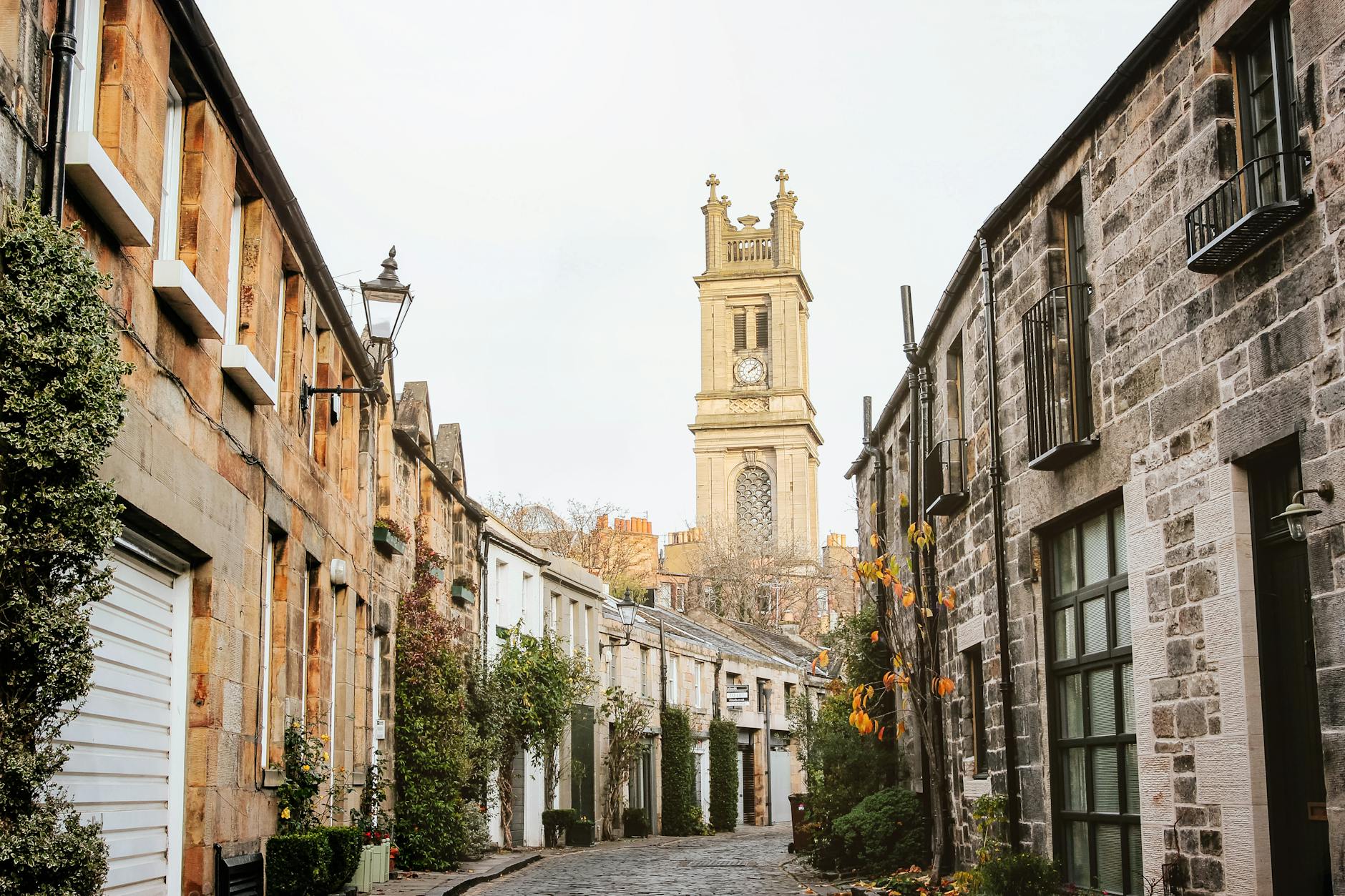
Stockbridge sits in a valley just north of the New Town and feels like a small village that happens to be a 15-minute walk from Princes Street. This is one of Edinburgh’s most charming residential neighbourhoods, with a high street lined with independent boutiques, excellent cafes, charity shops (some of the best in Edinburgh for vintage finds), and a beloved Sunday market that draws locals from across the city. The Royal Botanic Garden is a short walk away, and the Water of Leith walkway passes directly through the neighbourhood, connecting to Dean Village — one of Edinburgh’s most photogenic corners.
Best for: Couples, families, anyone seeking a quieter, more local base with easy access to the centre. Typical prices: B&Bs and guesthouses from £80–140/night, boutique hotels £130–220/night. Self-catering apartments are particularly good value here. Getting around: Regular buses to the city centre (10 minutes). Walking to Princes Street takes about 15 minutes downhill (slightly longer uphill on the return). The neighbourhood is flat and pleasant to walk around.
West End & Haymarket: Best for Transport Links & Theatre Lovers
Edinburgh’s West End covers the area around Haymarket Station, Lothian Road, and the western fringes of the New Town. This is a practical, well-connected neighbourhood that suits travellers who value convenience — Haymarket Station provides direct rail links to Glasgow, the airport tram stops here, and buses radiate in every direction. The West End is also Edinburgh’s cultural district, home to the Usher Hall, the Traverse Theatre, the Lyceum Theatre, and the Filmhouse (before its closure). Lothian Road and the surrounding streets have an excellent concentration of restaurants, bars, and late-night food options.
Best for: Business travellers, theatre lovers, anyone arriving by train or tram who wants maximum transport convenience. Typical prices: Budget chains from £70–110/night, mid-range hotels £110–190/night. Some of Edinburgh’s best-value chain hotels are in this area. Getting around: Haymarket is Edinburgh’s second train station. Tram stops on Shandwick Place and Haymarket connect to the airport and city centre. A 10–15 minute walk reaches both the Old Town and the heart of the New Town.
Portobello: Best for Beach Lovers & Families
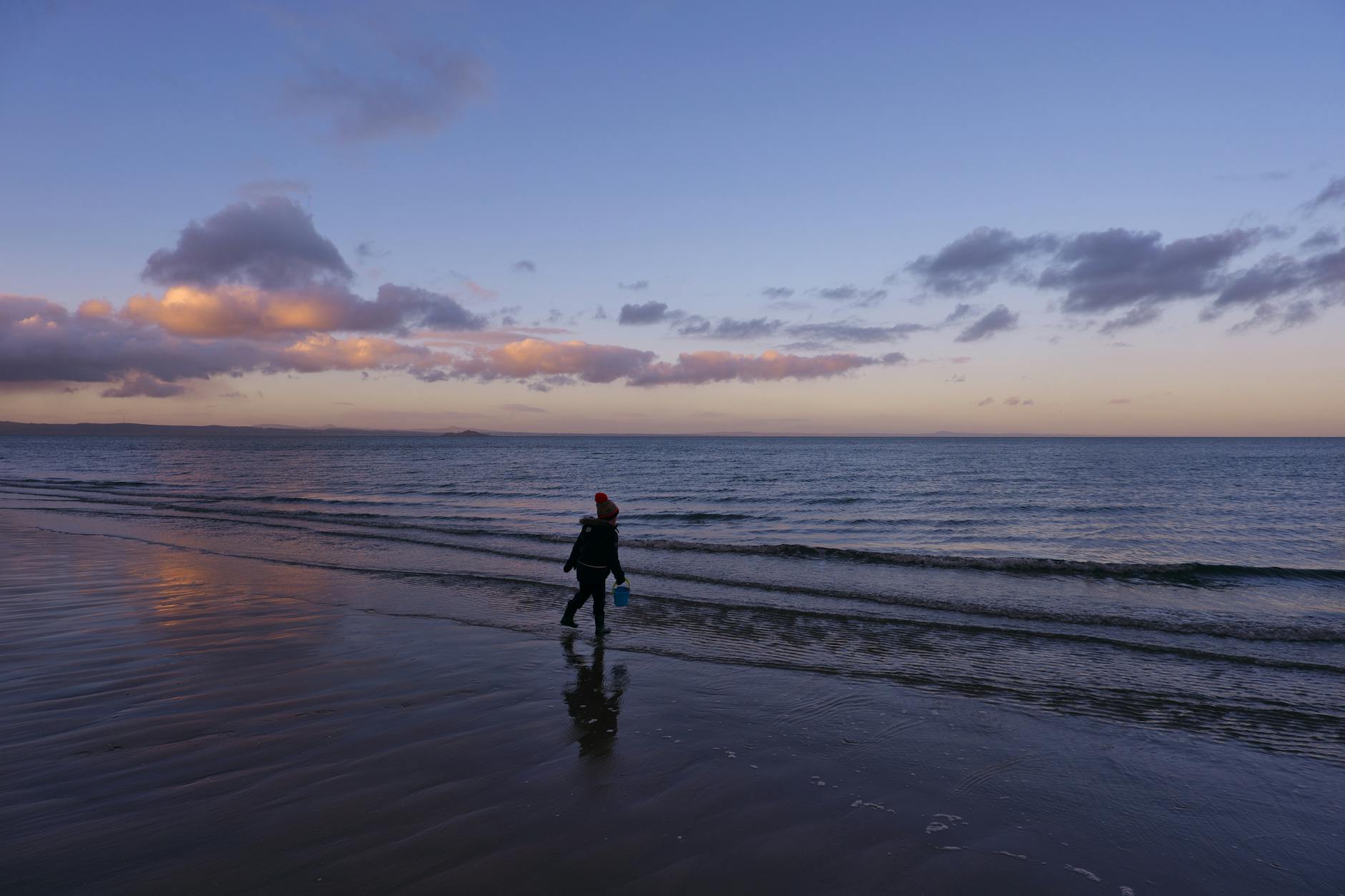
Portobello is Edinburgh’s seaside — a Victorian beach suburb about three miles east of the city centre with a long sandy beach, a lively promenade, independent cafes, and a friendly community atmosphere. Staying in Portobello offers something no other Edinburgh neighbourhood can: the combination of beach walks, sea air, and a genuinely relaxed pace, all within easy bus reach of the city centre. It’s particularly well-suited to families — the beach, parks, and open spaces provide a counterbalance to a day spent exploring the city’s historic streets.
Best for: Families with children, beach lovers, anyone wanting a more relaxed base away from the tourist bustle. Typical prices: B&Bs from £70–110/night, self-catering apartments from £80–150/night. Portobello offers some of Edinburgh’s best accommodation value. Getting around: Lothian Buses run frequently to the city centre (about 25 minutes). Brunstane train station is a 10-minute walk from the beach. Driving to the city centre takes about 15 minutes outside rush hour.
Southside & Newington: Best for Budget Travellers
The Southside — particularly the Newington area along Minto Street and Mayfield Gardens — has been Edinburgh’s traditional guesthouse district for decades. This residential neighbourhood south of the Old Town is lined with Victorian townhouses converted into B&Bs and small hotels, many offering excellent value for money. The University of Edinburgh campus is nearby, giving the area a youthful energy and plenty of affordable eating options. The Meadows, a large and beautiful park, provides green space and connects the Southside to the Old Town via a pleasant 15-minute walk.
Best for: Budget-conscious travellers, students, anyone who values space and value over a central postcode. Typical prices: Guesthouses and B&Bs from £60–100/night, budget hotels from £55–90/night. Consistently among Edinburgh’s most affordable neighbourhoods. Getting around: Frequent buses along Nicolson Street and Clerk Street reach the Royal Mile in about 10 minutes. Walking to the Old Town via the Meadows takes about 15–20 minutes. During the Edinburgh Festival Fringe, many Southside venues make this an excellent base for festival-goers.
Edinburgh Accommodation Types: What to Expect
Luxury Hotels
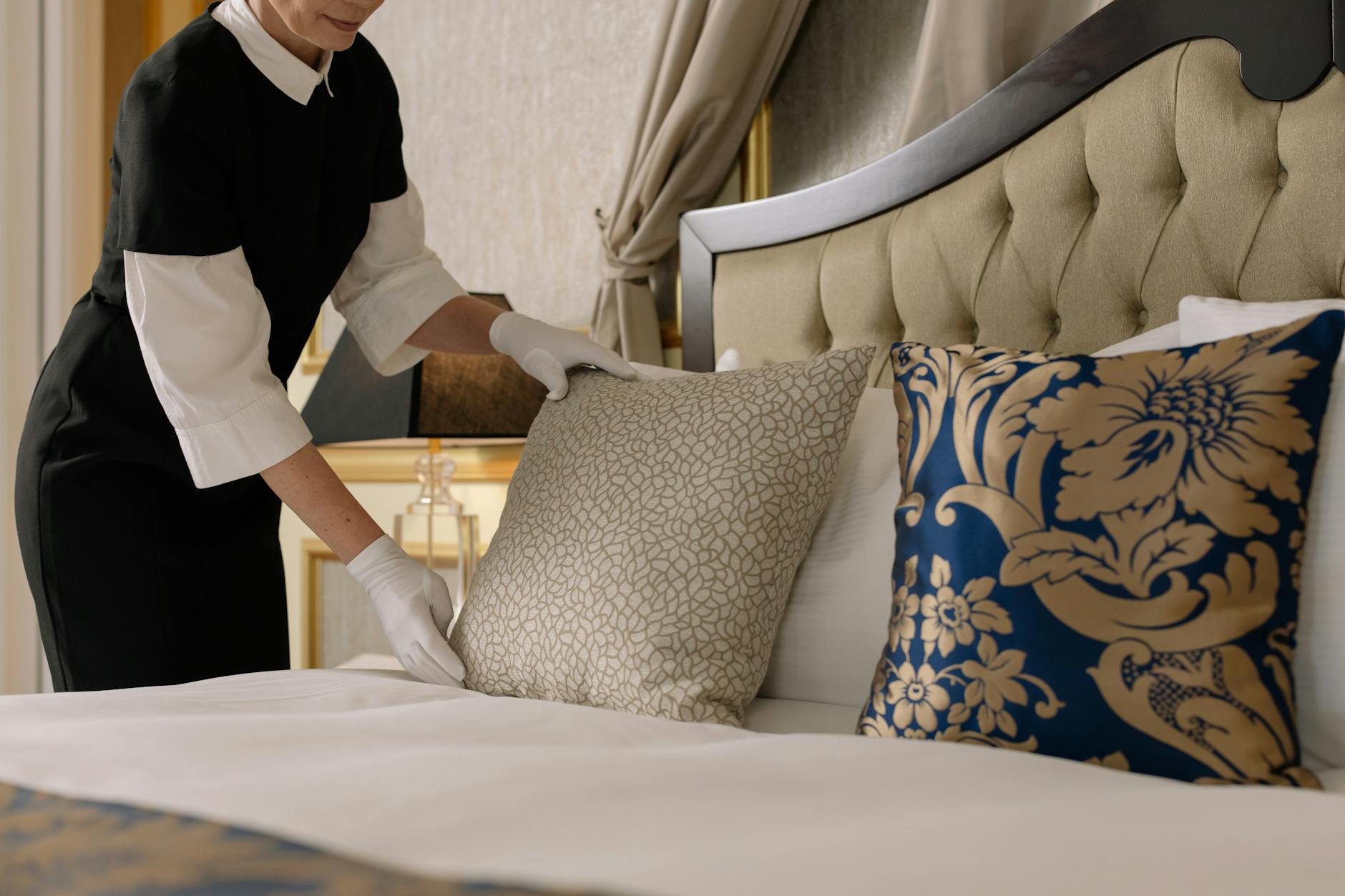
Edinburgh’s luxury hotel scene has blossomed in recent years and now rivals any city in the UK. The Balmoral on Princes Street remains Edinburgh’s most iconic hotel — a magnificent Victorian railway hotel with a clock tower that has been deliberately set two minutes fast since 1902 to help travellers catch their trains at Waverley Station below. The Witchery by the Castle offers theatrical Gothic-style suites at the very top of the Royal Mile. Prestonfield House, a 17th-century country house set in 20 acres of parkland, feels like a world apart from the city despite being just 10 minutes from the centre. More recent arrivals include Gleneagles Townhouse on St Andrew Square and 100 Princes Street, both bringing contemporary luxury to the New Town. Expect to pay from £250 to £700+ per night, with prices peaking dramatically during August and Hogmanay.
Boutique Hotels
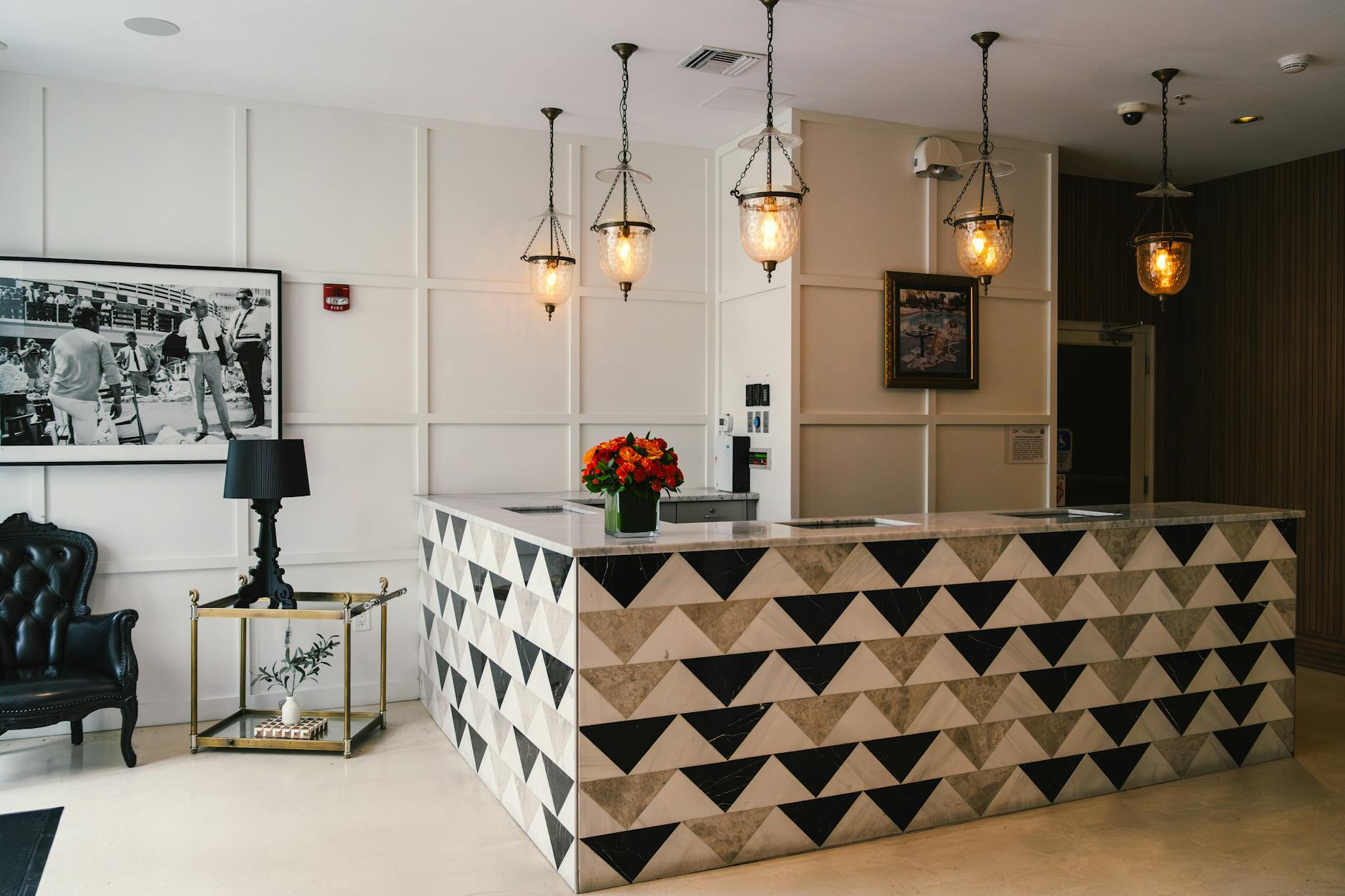
Edinburgh excels at boutique accommodation — small, independently run hotels with distinctive character and a personal touch. The Dunstane Houses in the West End occupies two beautifully restored Victorian townhouses with a whisky lounge and garden. The Witchery’s suites are wildly theatrical, dripping with tapestries, antiques, and candlelight. 94DR on Dalkeith Road is a design-led boutique guesthouse that has won multiple awards for its individually styled rooms. Eden Locke on George Street offers apartment-style living in a stylish, modern setting with a ground-floor cafe that’s a destination in its own right. Boutique hotels in Edinburgh typically range from £130 to £300 per night and offer a more memorable experience than their chain equivalents at similar price points.
Mid-Range & Chain Hotels
Edinburgh has a strong mid-range hotel market, with reliable chain options throughout the city. The Apex chain is a local Edinburgh success story — their hotels in the Grassmarket, Waterloo Place, and Haymarket offer consistently good quality with excellent locations. Premier Inn and Travelodge have multiple Edinburgh locations offering reliable budget-chain quality from around £70–120 per night. The Yotel on Edinburgh’s West Register Street offers compact, efficient rooms in a central location at competitive prices. Motel One on Princes Street and Royal Mile locations provides design-led rooms at mid-range prices. For best value, book directly with the hotel chain and look for advance-purchase rates — these can save 20–30% on flexible rates.
Hostels & Budget Accommodation

Edinburgh has an excellent hostel scene, with options ranging from party-focused backpacker joints to design-conscious boutique hostels. Castle Rock Hostel, perched on Johnston Terrace with views of the castle, is regularly voted one of the best hostels in the world for its prime location and social atmosphere. Kick Ass Hostel on Cockburn Street occupies a prime Old Town location and blends budget dormitory beds with private rooms. The SYHA Edinburgh Central hostel near Haymarket offers clean, modern facilities at very reasonable prices. Code Hostel on Rose Street brings a tech-forward, design-led approach to budget accommodation. Expect to pay from £20–35 per night for a dormitory bed and £60–100 for a private room. During August, even hostel prices increase significantly — book months ahead.
Self-Catering Apartments
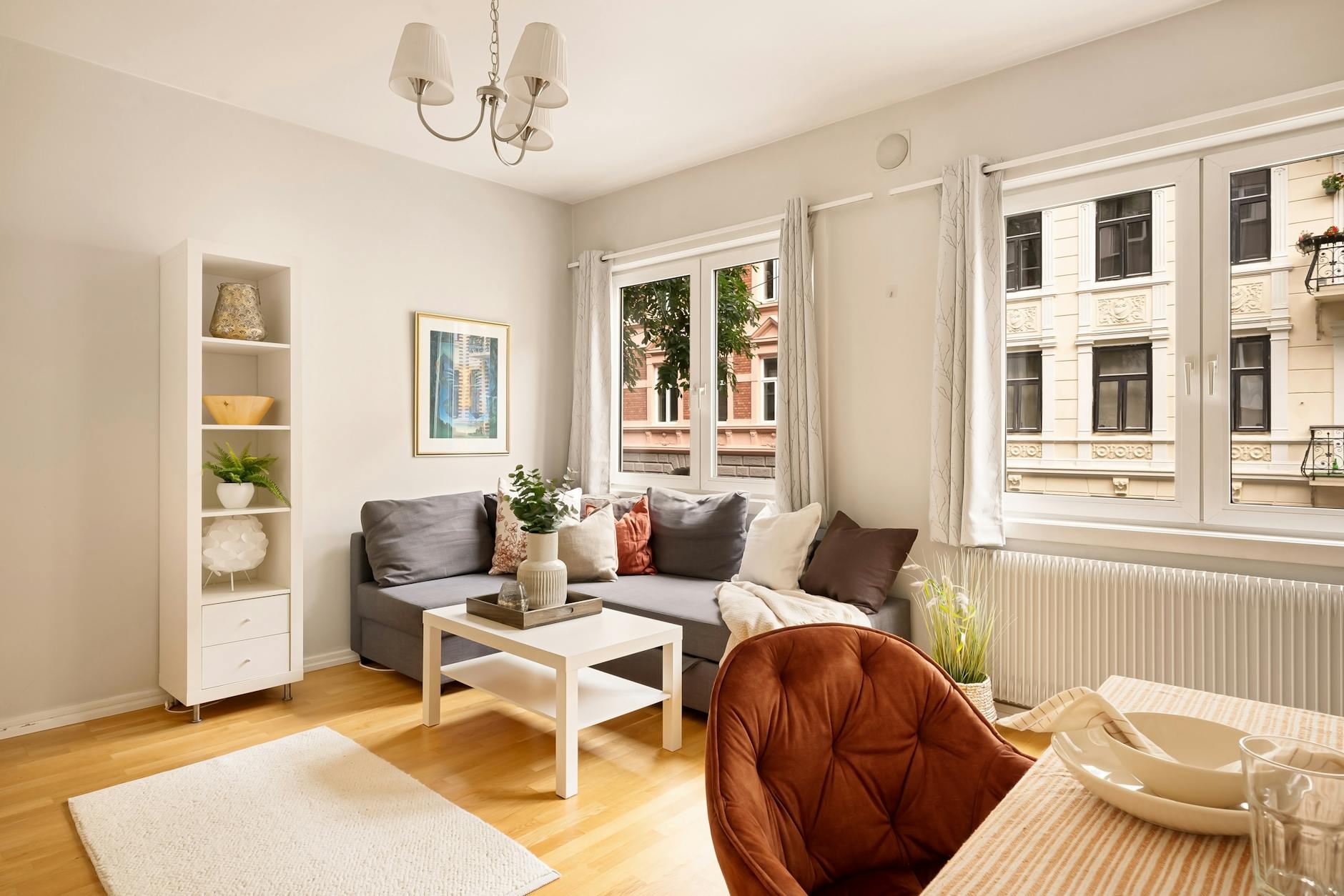
Self-catering apartments have become one of Edinburgh’s most popular accommodation options, and for good reason. An apartment gives you significantly more space than a hotel room, a kitchen for preparing your own meals (saving money in a city where restaurant prices can add up), and a sense of actually living in Edinburgh rather than just visiting. Professional serviced apartment operators like ALTIDO, Cheval Edinburgh Grand, and Fountain Court offer hotel-quality service with apartment-style living. Short-term rental platforms provide a wider range of options, from converted Old Town tenement flats to modern waterfront apartments in Leith. Prices range from about £80 per night for a studio to £150–300+ for a well-located one- or two-bedroom apartment. For families and groups, apartments often work out significantly cheaper per person than hotel rooms.
B&Bs & Guesthouses
Edinburgh’s B&B tradition runs deep, and a stay in a Scottish guesthouse remains one of the most characterful accommodation experiences the city offers. The traditional B&B heartland is the Southside — particularly Newington, where Minto Street and Mayfield Gardens are lined with Victorian townhouses offering warm hospitality, full Scottish breakfasts, and excellent value. The best B&Bs offer a personal touch that no hotel can match — local knowledge, breakfast recommendations, restaurant bookings, and the kind of genuine hospitality that makes you feel like a welcomed guest rather than a customer. Prices typically range from £70 to £140 per night for a double room, including breakfast. Book directly with the B&B rather than through booking platforms to get the best rate and a warmer welcome.
When to Book & How to Save Money
Edinburgh’s Seasonal Pricing
Edinburgh accommodation pricing follows a dramatic seasonal pattern. Understanding this cycle is the single most important factor in managing your accommodation budget. Peak season (August) sees the highest prices of the year — during the Edinburgh Festival Fringe and International Festival, hotel rates routinely reach two to three times their normal levels, and availability can be extremely limited. The second peak is Hogmanay (Christmas and New Year period, late December to early January), when prices are 50–100% above normal. Shoulder season (April–June and September–October) offers pleasant weather, manageable crowds, and prices significantly below peak. Low season (November–March, excluding Hogmanay) offers the lowest rates — sometimes 50% below shoulder season prices — and the best availability, though shorter daylight hours and colder weather are trade-offs.
Booking Tips for the Best Rates
For August accommodation, book as far ahead as possible — six to twelve months ahead is not unusual for the best-located hotels and apartments. For other periods, booking two to three months ahead generally secures the best combination of availability and price. Use booking platforms to research options, but then check the hotel’s own website for direct booking rates — many Edinburgh hotels offer a “best price guarantee” or loyalty discount for direct bookings. Consider booking a refundable rate early to secure availability, then check back closer to your dates to see if prices have dropped. Midweek stays (Sunday to Thursday) are typically 10–20% cheaper than weekends. If your dates are flexible, arriving on a Sunday and departing on a Thursday or Friday often yields the best rates.
Where to Stay in Edinburgh: Quick Recommendations by Traveller Type
First-time visitors: Old Town (Grassmarket area) or New Town (George Street area) — both put Edinburgh’s top attractions within easy walking distance.
Couples seeking romance: Old Town boutique hotel (the Witchery, G&V Royal Mile) or a converted New Town townhouse. The atmospheric closes and candlelit restaurants of the Old Town provide unbeatable ambiance.
Families with children: Stockbridge (village atmosphere, parks, the Botanic Garden nearby), Portobello (beach, space, excellent value), or a self-catering apartment in the New Town for more space and kitchen facilities.
Budget travellers: Southside/Newington for B&B value, or an Old Town hostel (Castle Rock, Kick Ass) for location and social atmosphere. Leith offers mid-range value with a local feel.
Foodies and repeat visitors: Leith for Edinburgh’s best restaurant scene and a genuinely local atmosphere that rewards exploration beyond the tourist trail.
Business travellers: West End/Haymarket for transport links to the airport and train stations, or New Town for a central, professional base with excellent meeting and dining options.
Festival visitors (August): Book anything you can find, as early as possible. The Southside is particularly convenient for Fringe venues. Leith offers more availability and better value than the city centre during August.
Getting From Edinburgh Airport to Your Accommodation
Edinburgh Airport is about eight miles west of the city centre. The fastest and easiest transfer option is the Edinburgh Tram, which runs directly from the airport terminal to York Place in the New Town, stopping at Haymarket and Princes Street along the way. The journey takes about 35 minutes and costs £7.50 for a single or £10 return. The Airlink 100 express bus runs a similar route, costs £6 single or £10 return, and takes about 30 minutes (longer during rush hour). Taxis from the airport to the city centre cost approximately £25–35 and take 20–40 minutes depending on traffic. For accommodation in Leith or the Southside, you’ll likely need to combine the tram or Airlink with a local bus or taxi.
Frequently Asked Questions About Where to Stay in Edinburgh
What is the best area to stay in Edinburgh for the first time?
The Old Town is the best area for first-time visitors. Staying near the Grassmarket or on the Royal Mile puts Edinburgh Castle, St Giles’ Cathedral, the hidden closes, and most major attractions within walking distance. The New Town is an excellent alternative if you prefer wider streets, more elegant surroundings, and easy access to Princes Street shopping and transport.
How much does a hotel in Edinburgh cost per night?
Edinburgh hotel prices vary significantly by season and neighbourhood. In low season (November–March), budget hotels start from around £55–80 per night, mid-range hotels £90–160, and luxury hotels from £200. In shoulder season (April–June, September–October), expect to add 20–30% to these prices. During August festivals, prices can double or triple — a room that costs £100 in March might cost £250–300 in August. Booking well in advance and staying midweek consistently yields the best rates.
Is it better to stay in the Old Town or New Town?
Both are excellent choices — it depends on what you value most. The Old Town offers atmosphere, history, and proximity to Edinburgh’s iconic attractions in a medieval setting with narrow streets and dramatic architecture. The New Town offers elegance, wider streets, Georgian grandeur, better shopping (Princes Street, George Street), and a slightly calmer atmosphere. The two are separated only by Princes Street Gardens and connected by a 5–10 minute walk, so staying in either gives you easy access to both.
Where should I stay in Edinburgh on a budget?
The Southside/Newington area offers Edinburgh’s best budget B&B and guesthouse value, with prices 30–50% below the Old Town. The West End/Haymarket area has competitive chain hotel rates. Leith offers mid-range value with more character. For the lowest per-night costs, Edinburgh’s hostels offer dormitory beds from £20–35, with Castle Rock Hostel and Code Hostel among the most popular options. Self-catering apartments in Leith or the Southside can also offer excellent value, especially for groups or families who can share costs and save on dining.
How far in advance should I book Edinburgh accommodation?
For August visits (Edinburgh Festival Fringe), book 6–12 months in advance — the best-located properties sell out quickly, and last-minute options are extremely limited and expensive. For Hogmanay (New Year’s Eve), book 3–6 months ahead. For shoulder season visits (April–June, September–October), booking 2–3 months ahead gives you good availability and competitive pricing. For low season (November–March, excluding Hogmanay), you can often find excellent last-minute deals, though booking 2–4 weeks ahead ensures your first-choice property.
Is Edinburgh walkable, or do I need transport from my hotel?
Edinburgh’s city centre is extremely walkable — if you stay in the Old Town, New Town, or West End, you can reach most major attractions on foot within 20 minutes. However, Edinburgh is hilly (the Old Town in particular involves significant uphill walking), and the cobblestoned streets can be tiring over a full day of sightseeing. If you stay in Leith, Stockbridge, Portobello, or the Southside, you’ll want to use buses or trams for at least some journeys. A Lothian Buses DAYticket (£5) gives unlimited travel on all city buses and trams for the day and is outstanding value.
Are Edinburgh hotels good value compared to London?
Outside of August and Hogmanay, Edinburgh hotels are generally 20–40% cheaper than equivalent London properties. The city’s compact size means you rarely need taxis, and the abundance of free attractions (National Museum, galleries, parks, Greyfriars Kirkyard) helps keep overall trip costs down. However, during August, Edinburgh’s prices can match or exceed London’s for equivalent quality. The best value in Edinburgh comes from visiting in shoulder season, staying slightly outside the immediate Old Town, and taking advantage of the city’s exceptional free offerings.
Leave a Reply